Understanding directions Math Worksheets for Ages 5-9
7 filtered results
-
From - To
Discover our engaging "Understanding Directions Math Worksheets" designed for children aged 5-9. These printable worksheets help young learners grasp essential mathematical concepts through clear, step-by-step instructions. Each activity challenges students to follow directions while improving their problem-solving abilities and critical thinking skills. With colorful illustrations and interactive prompts, our worksheets make learning fun and effective. They cater to various learning styles, ensuring every child can benefit from practical exercises that reinforce their math skills. Perfect for home or classroom use, these resources support early math comprehension and encourage a lifelong love of learning in young minds.
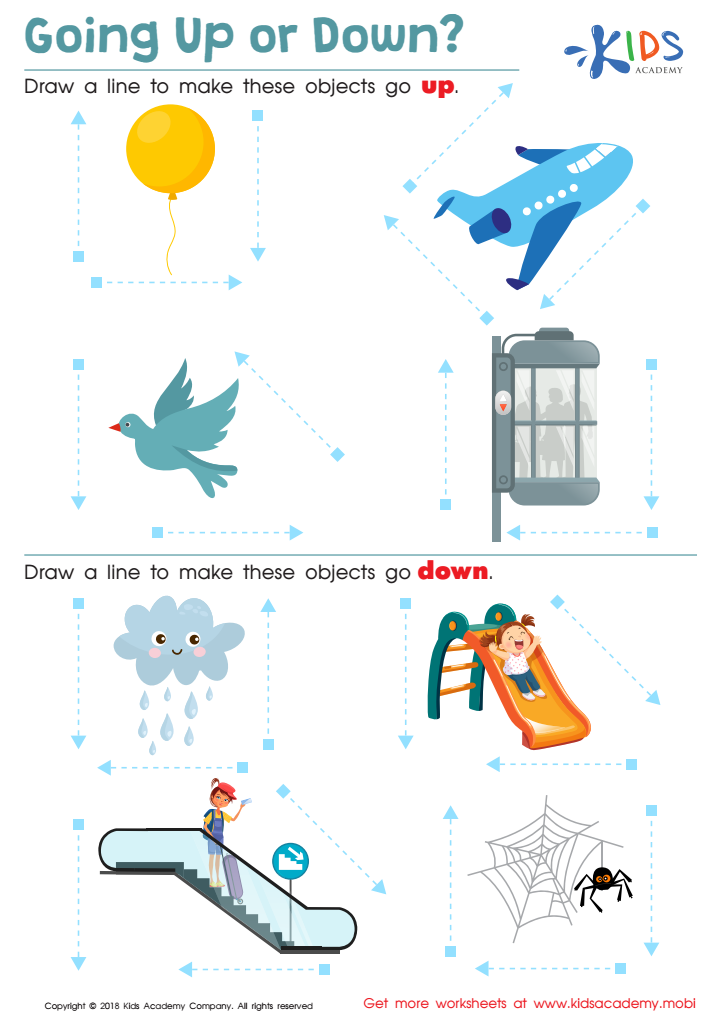
Going up or Down? Worksheet
 Assign to My Students
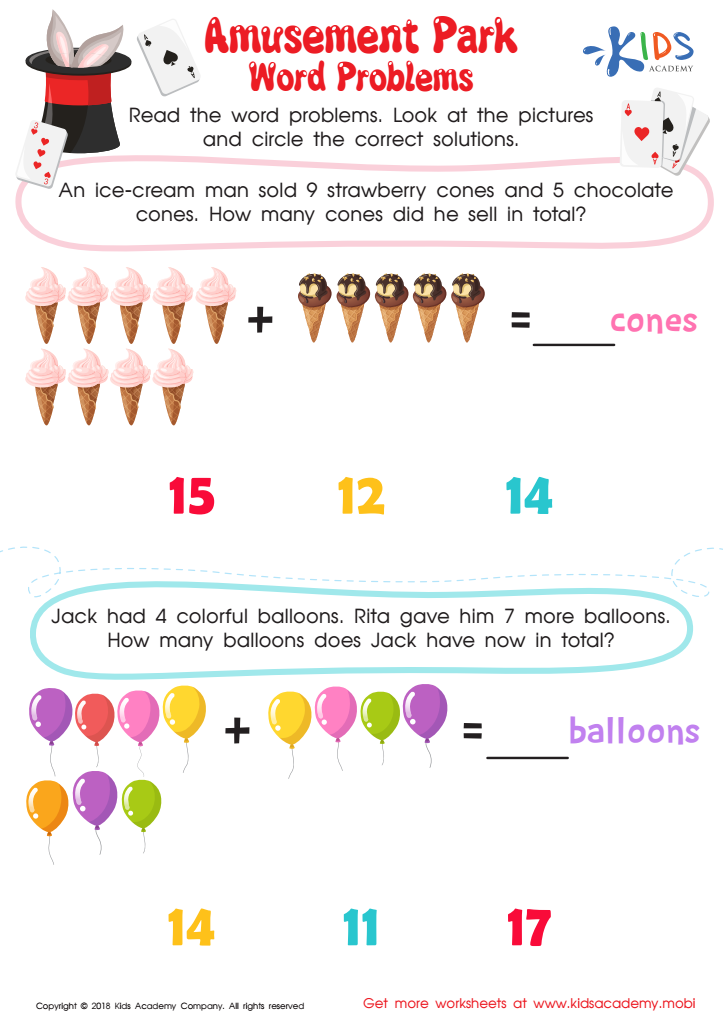
Amusement Park Word Problems Worksheet
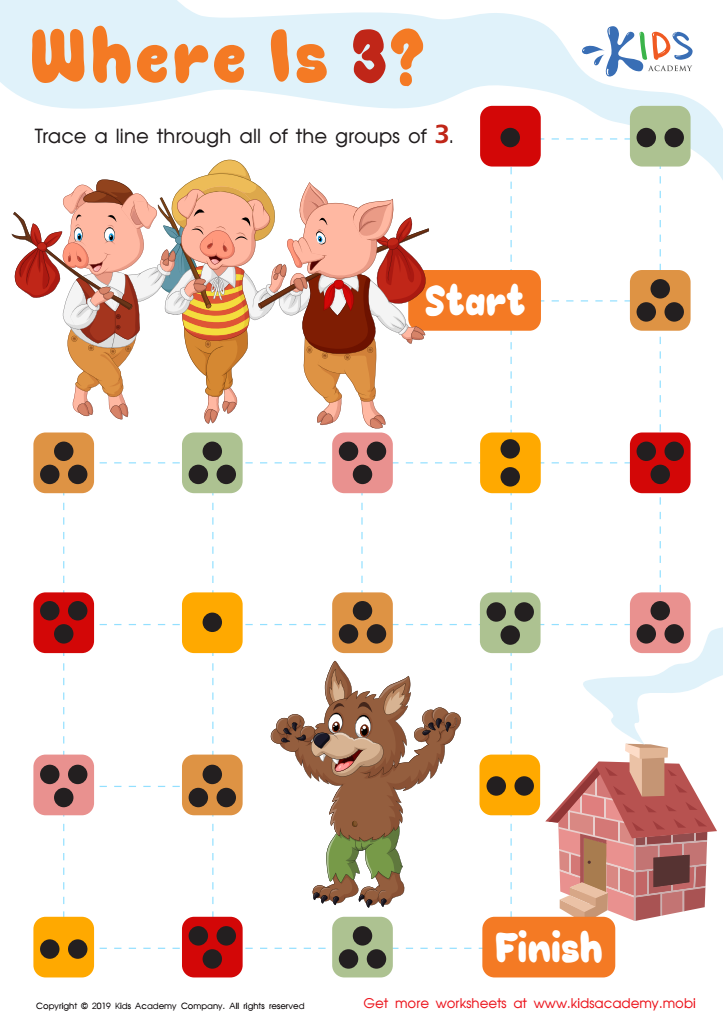
Where Is 3? Worksheet
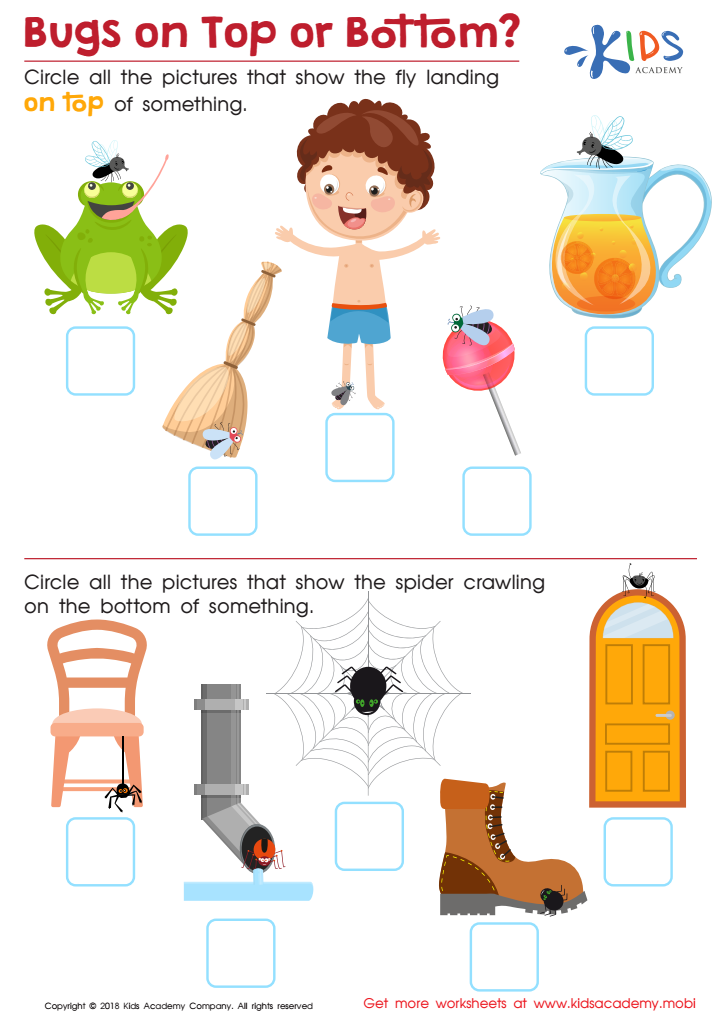
Bugs on Top or Bottom? Worksheet








Understanding directions in math is essential for children aged 5-9 as it lays the foundation for their overall mathematical development. During these formative years, children begin to grasp basic concepts like addition, subtraction, shapes, and measurement. If parents and teachers emphasize understanding directions, they can significantly enhance a child's ability to solve problems and apply math in real-life situations.
These early lessons in following mathematical instructions not only contribute to academic success but also improve critical thinking and reasoning skills. Furthermore, comprehending directions aids in building confidence; children who follow instructions accurately are less likely to feel frustrated or disengaged. This engagement is vital; when children see success in understanding mathematical directions, they are more likely to enjoy learning and stay curious.
Additionally, strong directional skills foster teamwork and communication. Group activities often require children to listen and share instructions, promoting collaboration and social interaction. Overall, by nurturing the capacity to understand and follow directions in math, parents and teachers play a crucial role in shaping well-rounded, capable learners. Such skills extend beyond mathematics and are essential for navigating various challenges in education and everyday life, preparing children for future academic endeavors and personal growth.








