Understanding number values Math Worksheets for Ages 5-9
3 filtered results
-
From - To
Explore our "Understanding Number Values" math worksheets, designed for children ages 5-9. These engaging activities help young learners grasp the concepts of counting, comparing, and understanding number values through fun and interactive exercises. Our worksheets provide step-by-step instructions and vibrant visuals to make learning enjoyable and effective. Perfect for parents and teachers, these resources support the development of essential math skills, ensuring a strong foundation for future mathematical learning. Foster confidence in your child's number sense with Kids Academy’s high-quality, age-appropriate educational materials. Start your math journey today!
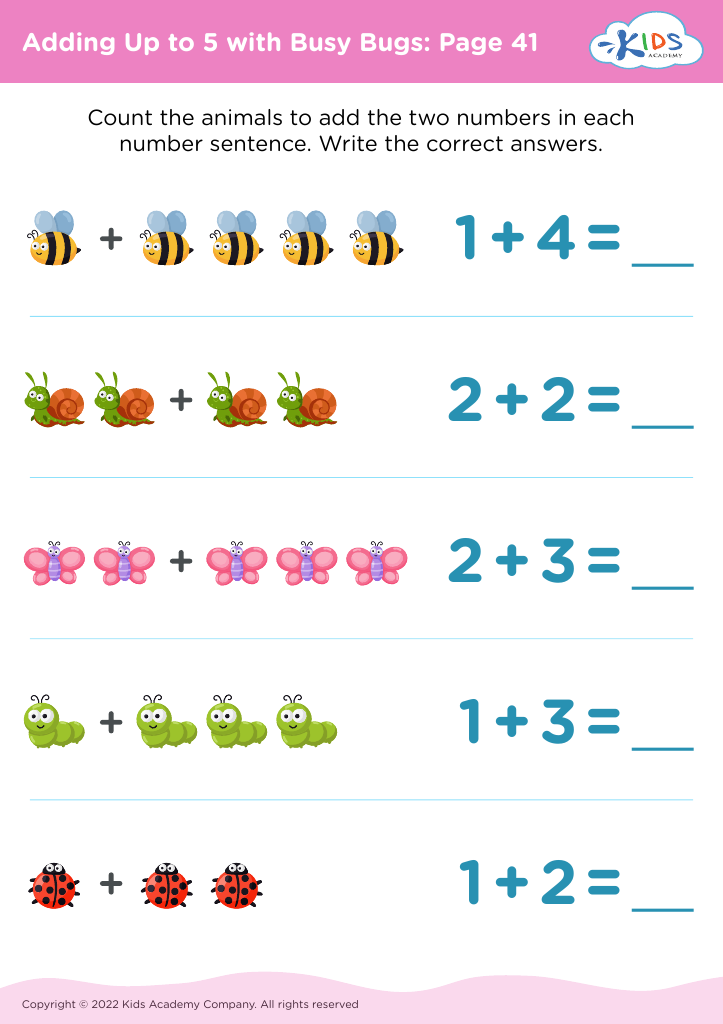
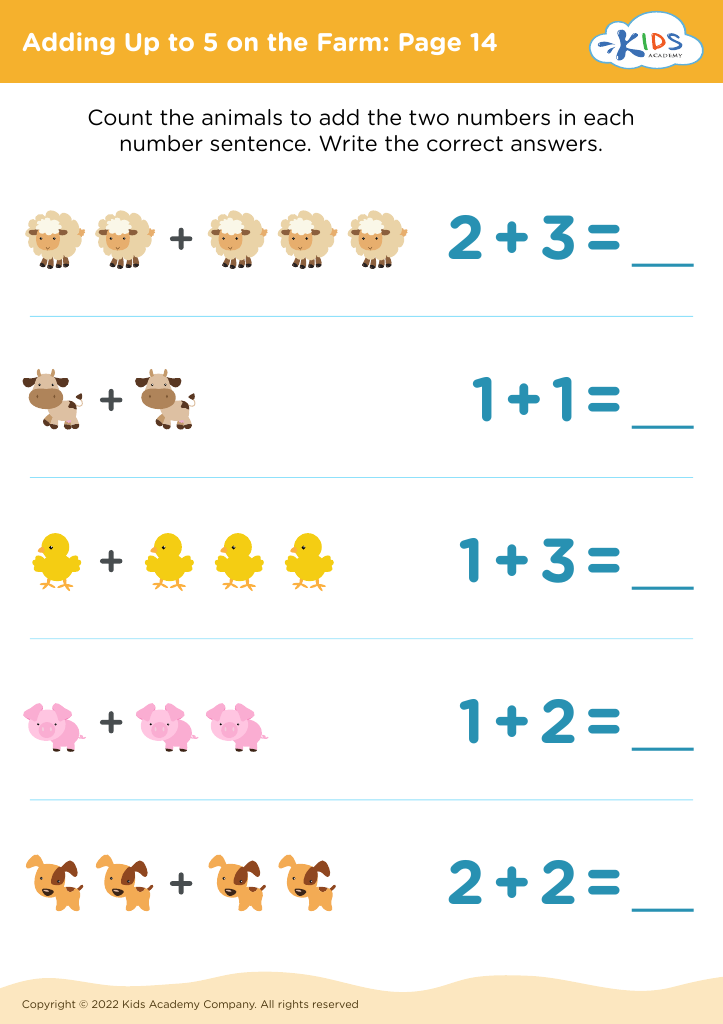
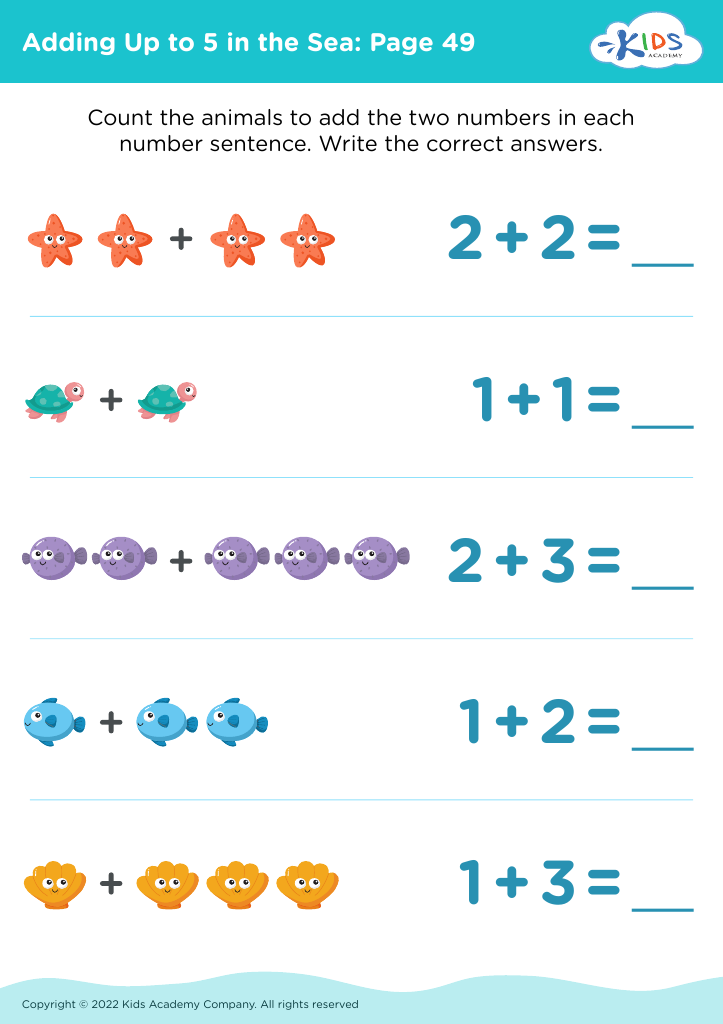








Understanding number values is crucial for children aged 5-9 because it forms the foundation for all future mathematical learning and everyday problem-solving skills. At this age, children begin to grasp the concept of numbers and their values, which are essential building blocks for more complex arithmetic operations like addition, subtraction, multiplication, and division.
When parents and teachers focus on helping children understand number values, they are promoting cognitive development and critical thinking. Recognizing quantities, comparing numbers, and understanding ordinal positioning (first, second, third, etc.) help children make sense of the world around them. These skills also support their learning in other subjects, such as science and even literacy, where sequencing and pattern recognition are vital.
Moreover, understanding number values boosts a child's confidence in their mathematical abilities, creating positive attitudes towards the subject. Children who develop strong numerical foundations are better equipped to tackle more advanced concepts with ease, reducing the likelihood of math anxiety.
Practical applications abound; children use number values in everyday decisions—like dividing snacks equally among friends or managing an allowance. Encouraging a firm grasp of numbers empowers them with the tools necessary for real-life problem-solving and fosters a lifelong appreciation of mathematics, ultimately contributing to their academic and personal success.








