Understanding numeracy Math Worksheets for Ages 5-9
4 filtered results
-
From - To
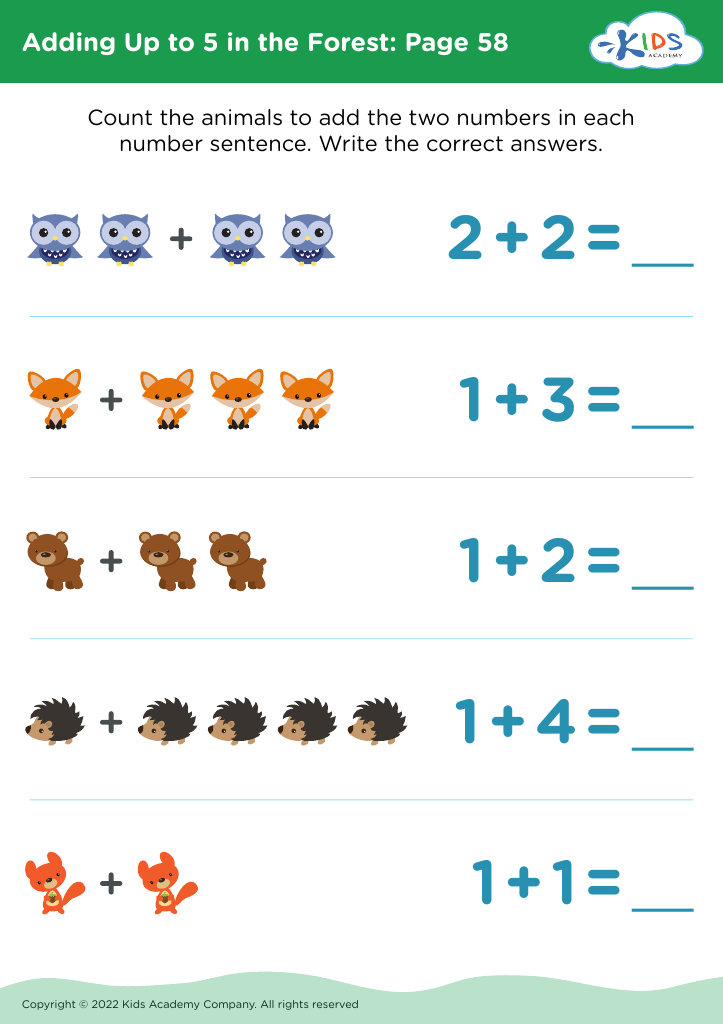
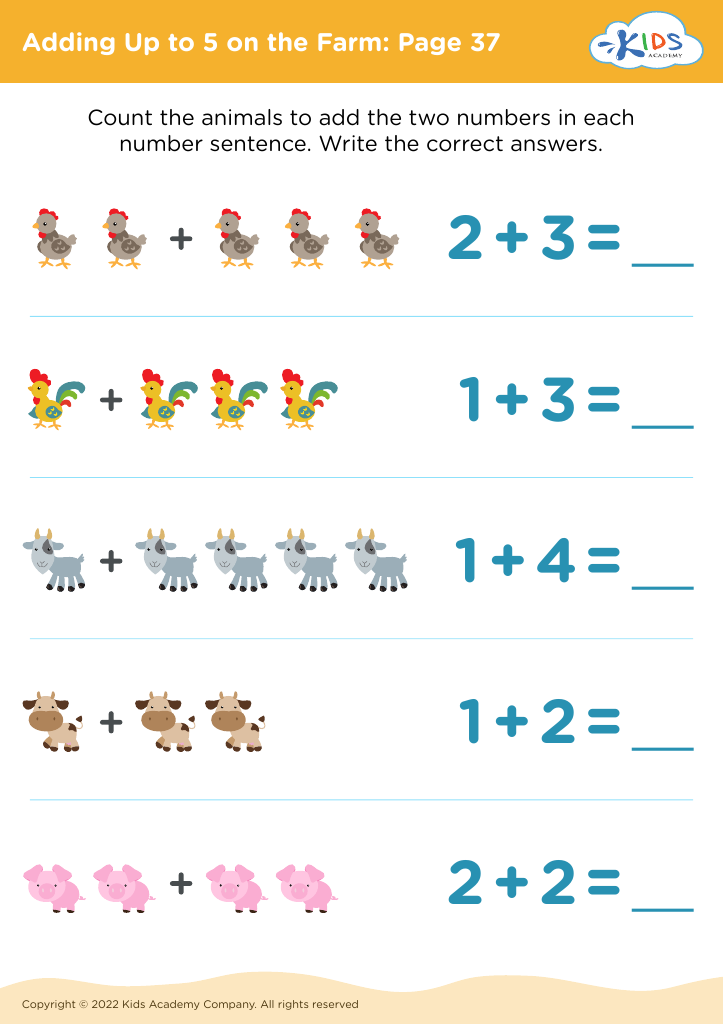
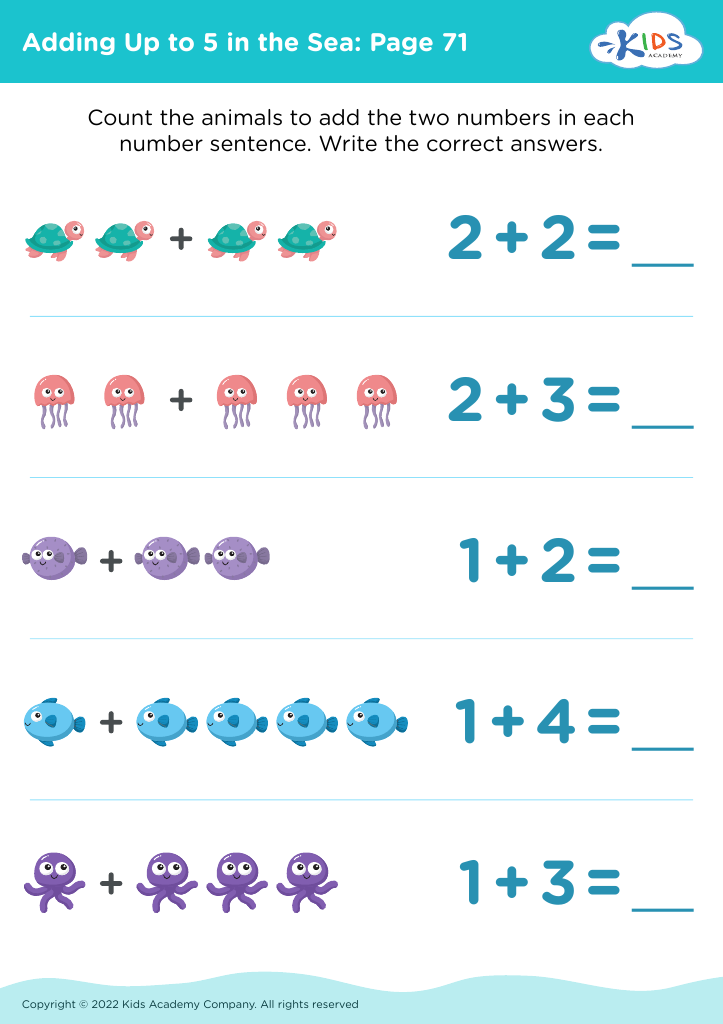
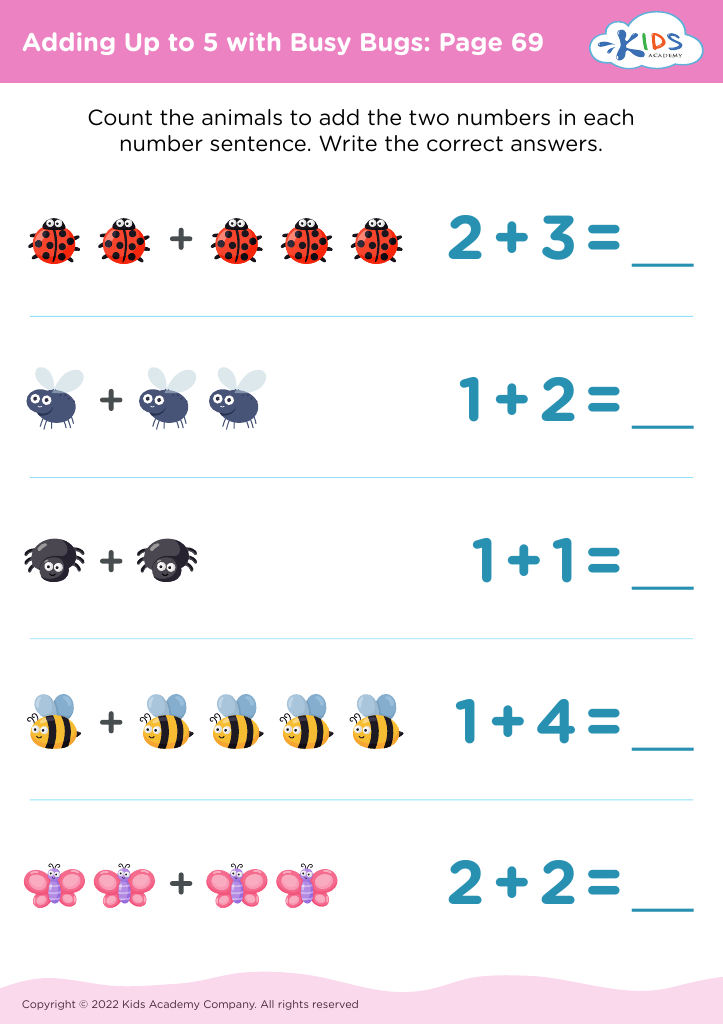
Welcome to our "Understanding Numeracy" Math Worksheets designed for children aged 5-9! These carefully crafted worksheets aim to build foundational math skills and enhance numeracy understanding through engaging and interactive activities. Your child will explore essential concepts like counting, addition, subtraction, and number recognition in a fun and playful manner. Each worksheet promotes logical thinking, problem-solving, and confidence in math, tailored to align with developmental milestones. Perfect for homeschooling, after-school enrichment, or classroom use, these resources foster a positive attitude toward learning. Unlock your child's potential in math and instill a love for numbers with our thoughtfully designed activities!



.jpg)


.jpg)

Understanding numeracy in early childhood is crucial for parents and teachers for several reasons. Firstly, ages 5-9 are formative years for cognitive development, where foundational math skills are established. Mastery of basic numeracy, such as counting, addition, and subtraction, serves as the building blocks for more advanced mathematical concepts encountered in later years.
Early numeracy skills promote critical thinking and problem-solving abilities, essential not only in math but across various subjects. Furthermore, numeracy is tied to daily life experiences such as shopping, cooking, and scheduling, making it a vital life skill. When parents and teachers prioritize numeracy, they help children develop confidence in their mathematical abilities, which is linked to positive attitudes towards learning and academic success.
Additionally, understanding numeracy can assist teachers in tailoring their instruction to meet diverse learning needs, ensuring that all students can build on their strengths and address challenges. It fosters a collaborative environment where parents can engage with their children's education and reinforce skills at home. Ultimately, a strong foundation in numeracy empowers children, providing them the tools they need for future academic endeavors and everyday tasks, promoting lifelong learning and adaptability.








