Number Recognition Numbers up to 100 Worksheets for Ages 5-9 - Page 2
27 filtered results
-
From - To
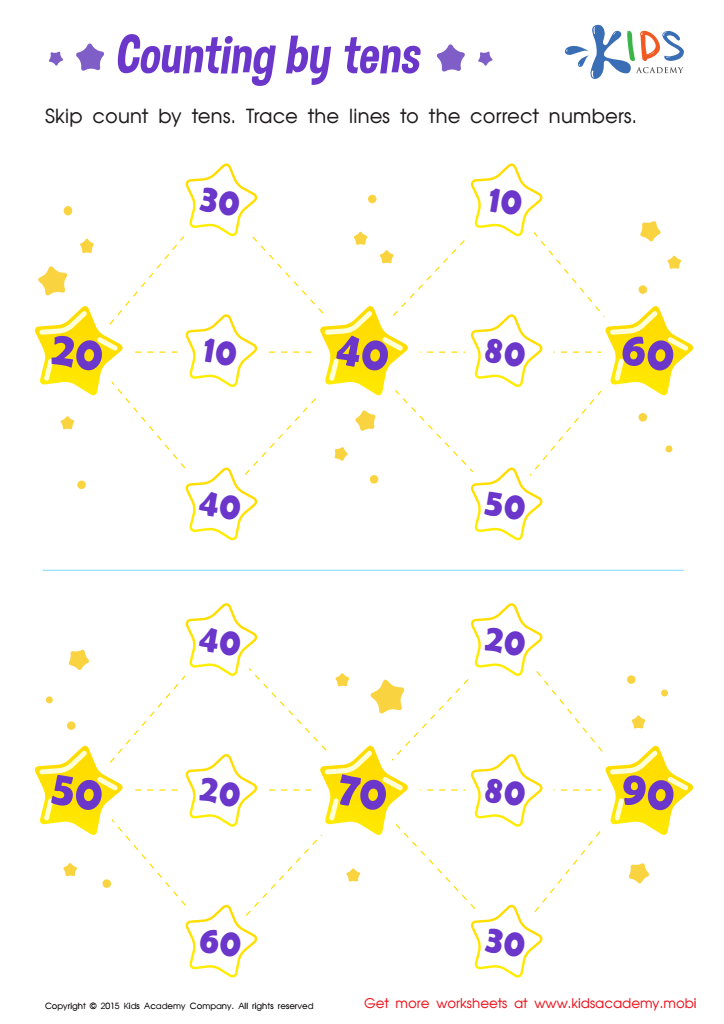
Learn Dozens: Counting by Tens Printable
 Assign to My Students
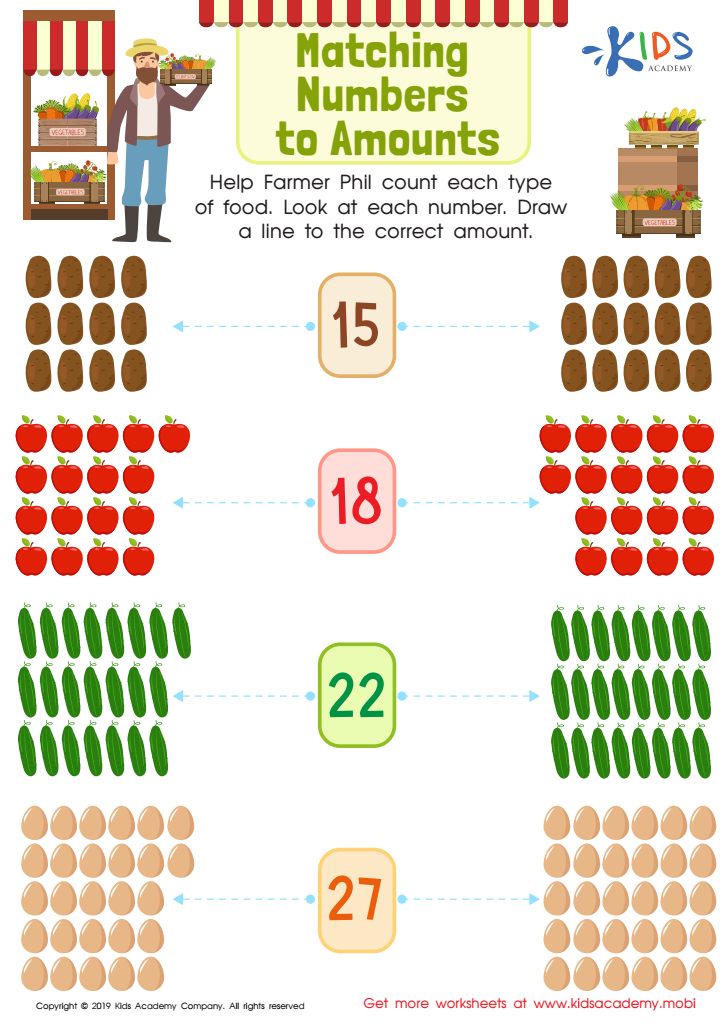
Matching Numbers to Amounts Worksheet

Counting on the City Skyline: Dot-to-Dot Worksheet



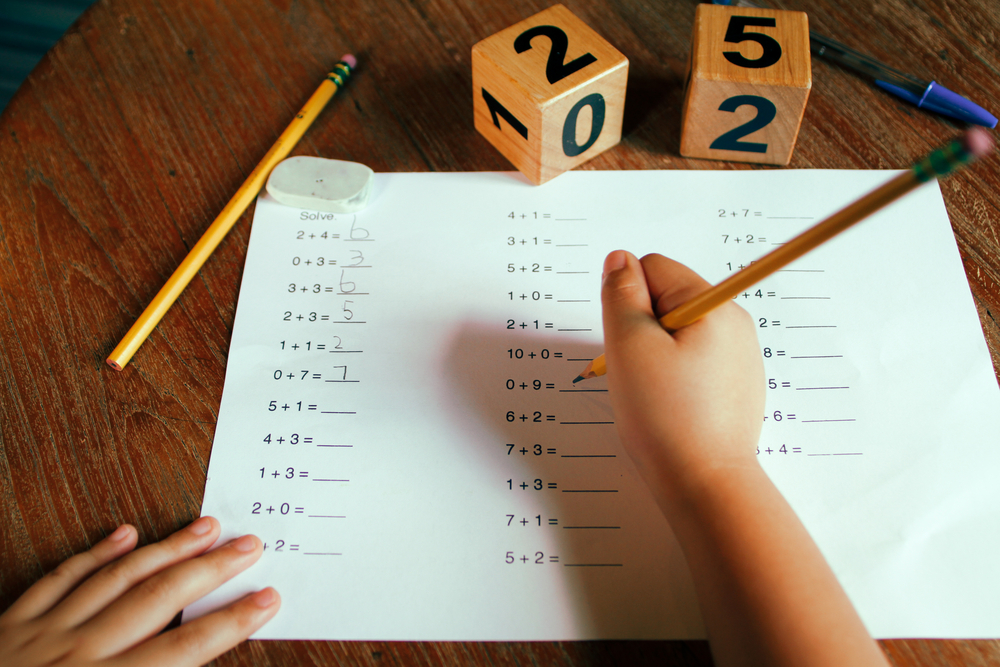




Number recognition is a foundational skill for children aged 5-9 that plays a critical role in their overall mathematical development. Understanding numbers up to 100 enables students to make sense of the world around them, as numbers are integral to everyday life—whether telling time, counting items, or managing money.
For parents and teachers, fostering number recognition supports cognitive growth and enhances a child's confidence in math. Mastering this skill helps children develop strong problem-solving abilities, setting the stage for advanced arithmetic concepts and more complex math challenges in the future. Moreover, number recognition aids in building logical reasoning, critical thinking, and analytical skills—all essential for academic success.
Furthermore, number recognition serves as a bridge to other subjects. For instance, it lays the groundwork for measurement in science and data interpretation in social studies. Encouraging this skill at home and in the classroom creates a cooperative environment where children can practice and reinforce their learning through games, storytelling, and hands-on activities.
Ultimately, investing time in number recognition not only prepares children for their educational journey, but also instills a lifelong appreciation for mathematics, which is vital in an increasingly data-driven world.