
Counting objects Building Vocabulary Worksheets for Ages 5-9
3 filtered results
Difficulty Level
Grade
Age
-
From - To
Subject
Activity
Standards
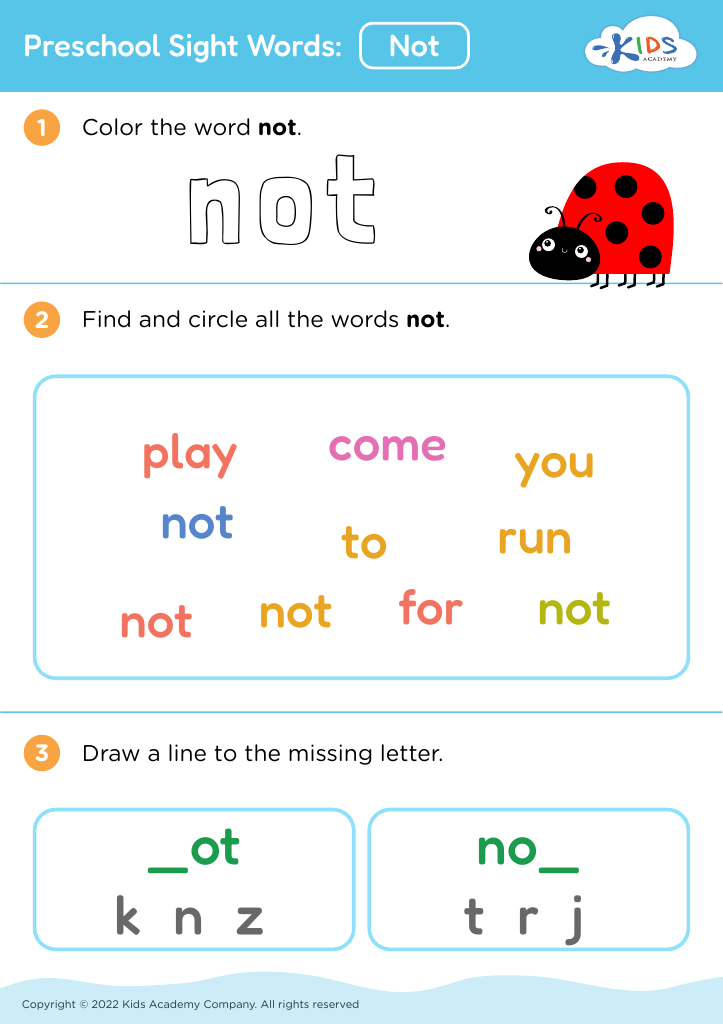
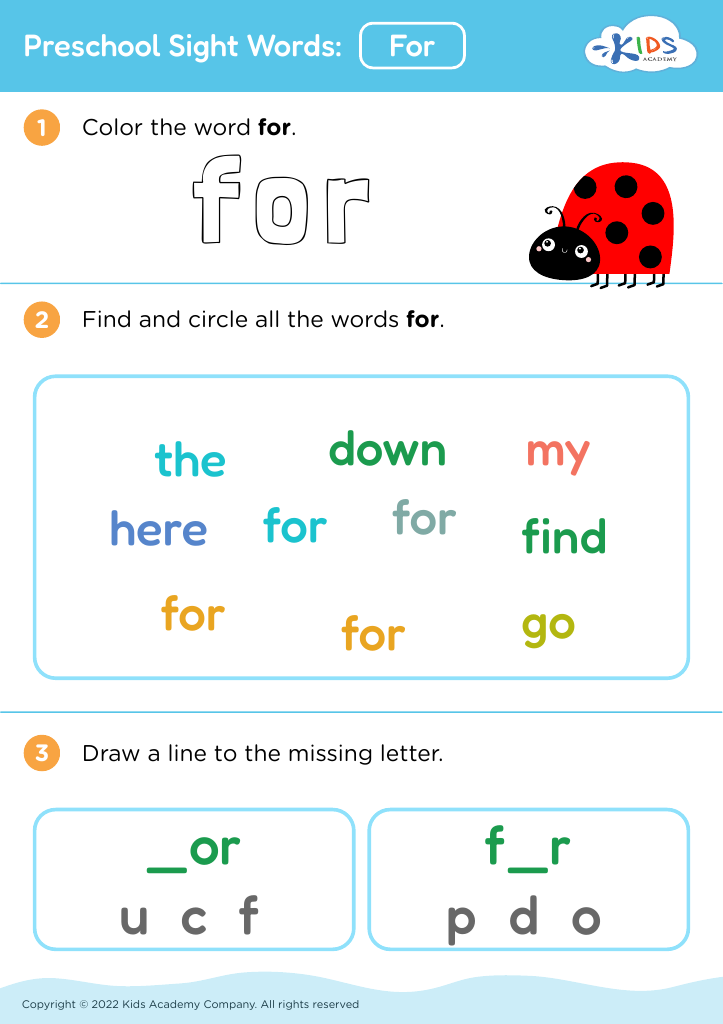
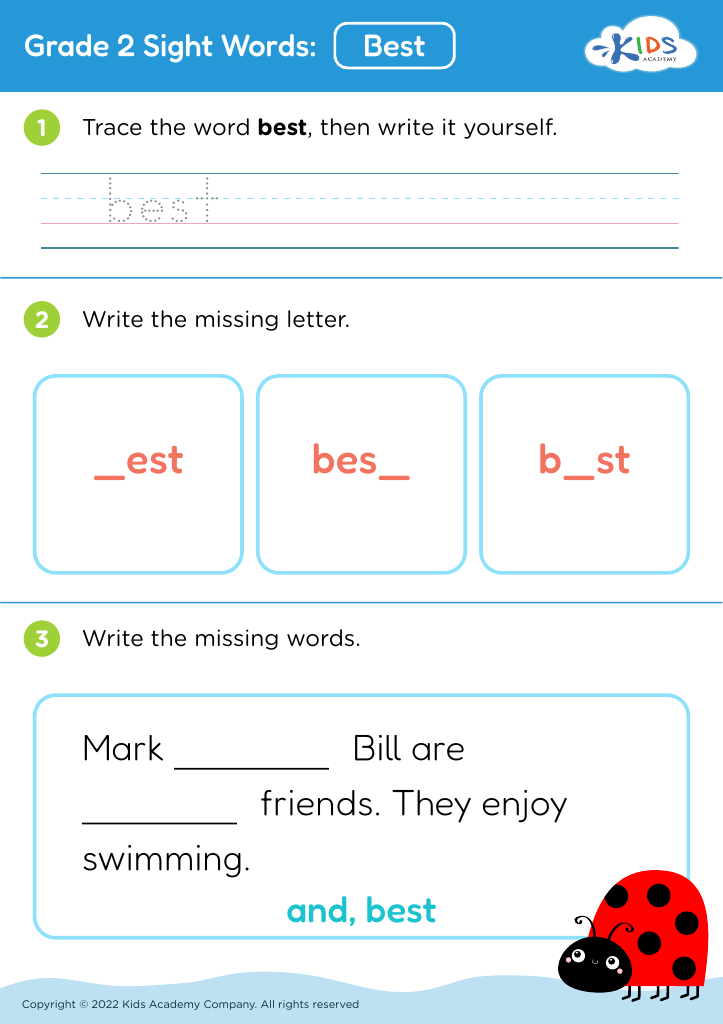
Discover our engaging "Counting Objects Building Vocabulary Worksheets" designed for children aged 5-9. These printable worksheets blend fun counting exercises with vocabulary-building activities, helping kids enhance their math and reading skills simultaneously. Each worksheet encourages little learners to count objects, recognize numbers, and grasp new words, fostering a comprehensive understanding of numerical and language concepts. Perfect for in-class use or at-home practice, these resources make learning an enjoyable adventure. Equip your child with essential skills and boost their confidence through interactive, educational play. Explore a world where counting and vocabulary meet in harmony!
Favorites
With answer key
Interactive











Learning Skills
Join Kids Academy for Free
Who is primarily going to use this learning content?








Counting objects and building vocabulary are foundational skills for children aged 5-9, and both play critical roles in their overall cognitive development.
Counting objects helps to foster number sense, which is crucial for future mathematical learning and understanding. When children count objects, they are not just reciting numbers, but are learning one-to-one correspondence, understanding the concept of quantity, and developing problem-solving abilities. Early proficiency in counting sets a strong foundation for more complex mathematical concepts such as addition, subtraction, and multiplication. Practical counting activities also encourage fine motor skills and spatial awareness, which are valuable across all areas of learning.
Building vocabulary, on the other hand, is vital for literacy and communication skills. A robust vocabulary enhances reading comprehension, writing abilities, and effective communication. It equips children with the tools they need to articulate their thoughts, ask questions, and interact meaningfully with their environment. A strong vocabulary base also fosters a love for reading and learning, leading to better academic performance across subjects.
Together, these skills support the holistic development of young children, ensuring they are better prepared for higher-level learning and everyday life challenges. Parents and teachers play an essential role in nurturing these skills through engaging activities that make learning both enjoyable and impactful.








