Counting skills Building Vocabulary Worksheets for Ages 5-9 - Page 2
31 filtered results
-
From - To











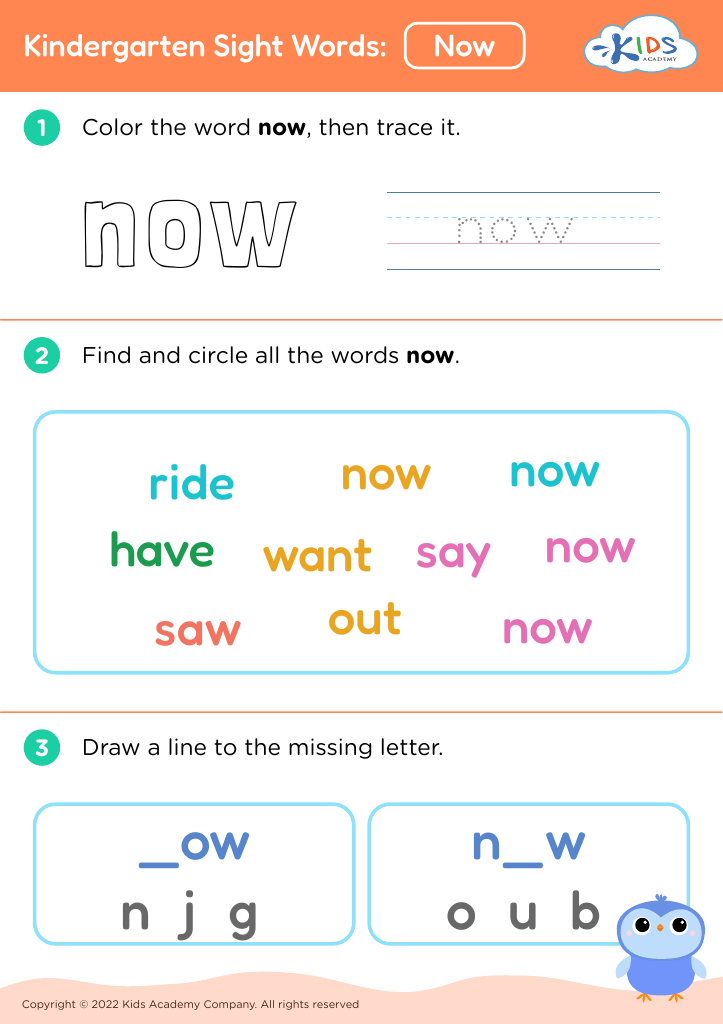
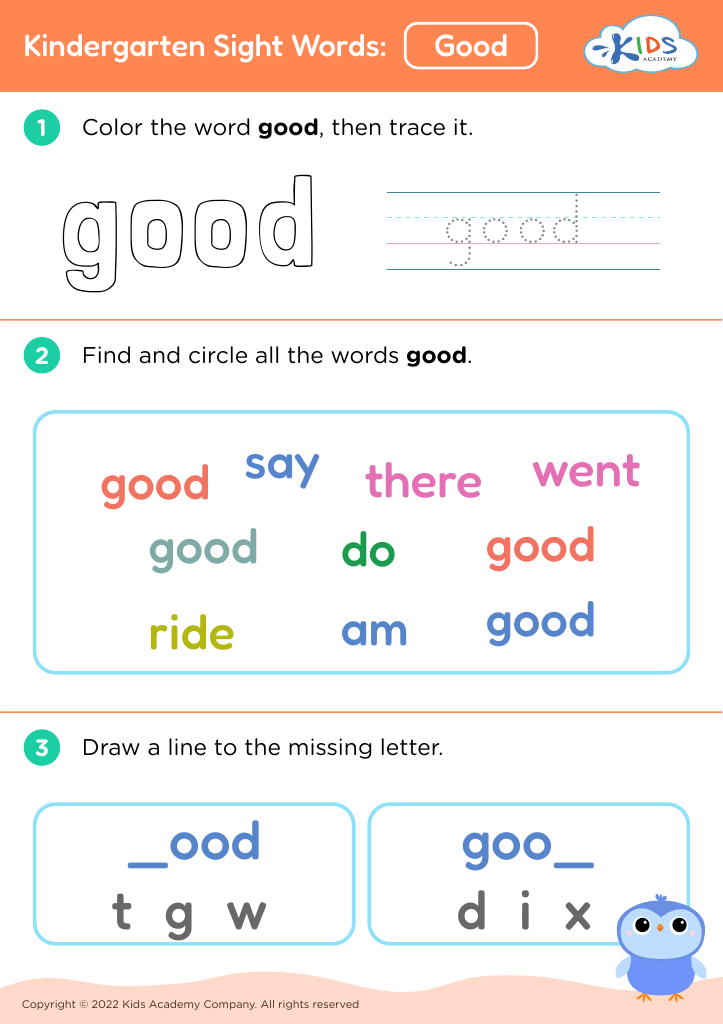
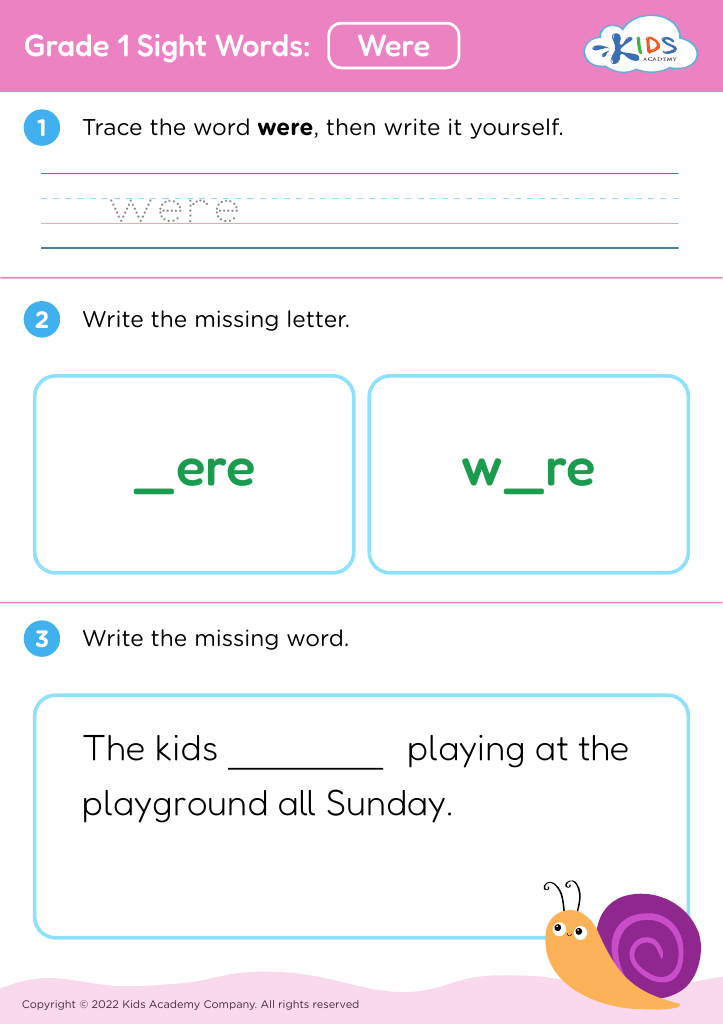






.jpg)

Counting skills and vocabulary development are crucial foundational aspects of early childhood education for children aged 5 to 9. Parents and teachers should prioritize these skills for several reasons.
First, counting skills help children understand basic math concepts, which are essential for their academic success in later years. Mastering counting lays the groundwork for more advanced mathematical operations like addition, subtraction, and even problem-solving. Singing songs or playing counting games can transform learning into a fun activity, helping children engage and reinforce their understanding.
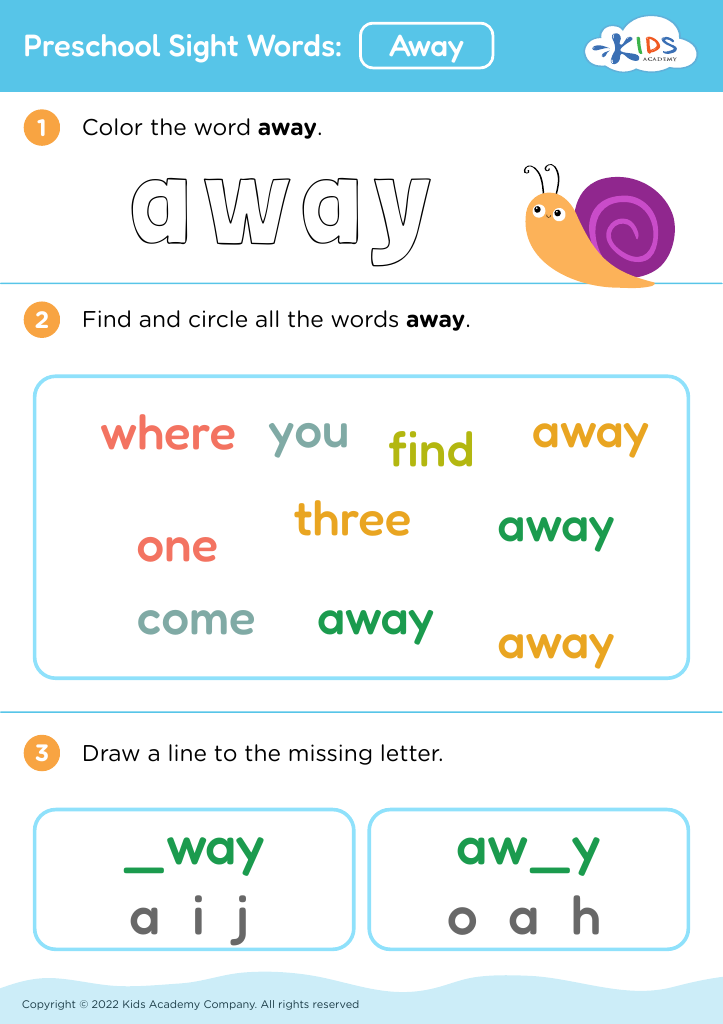
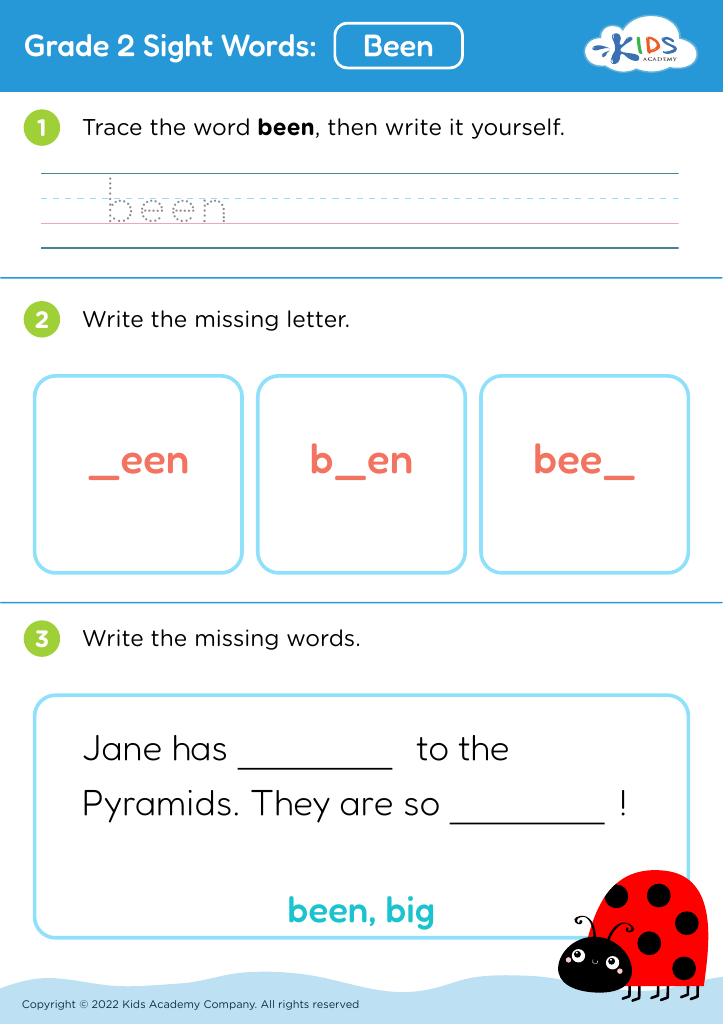
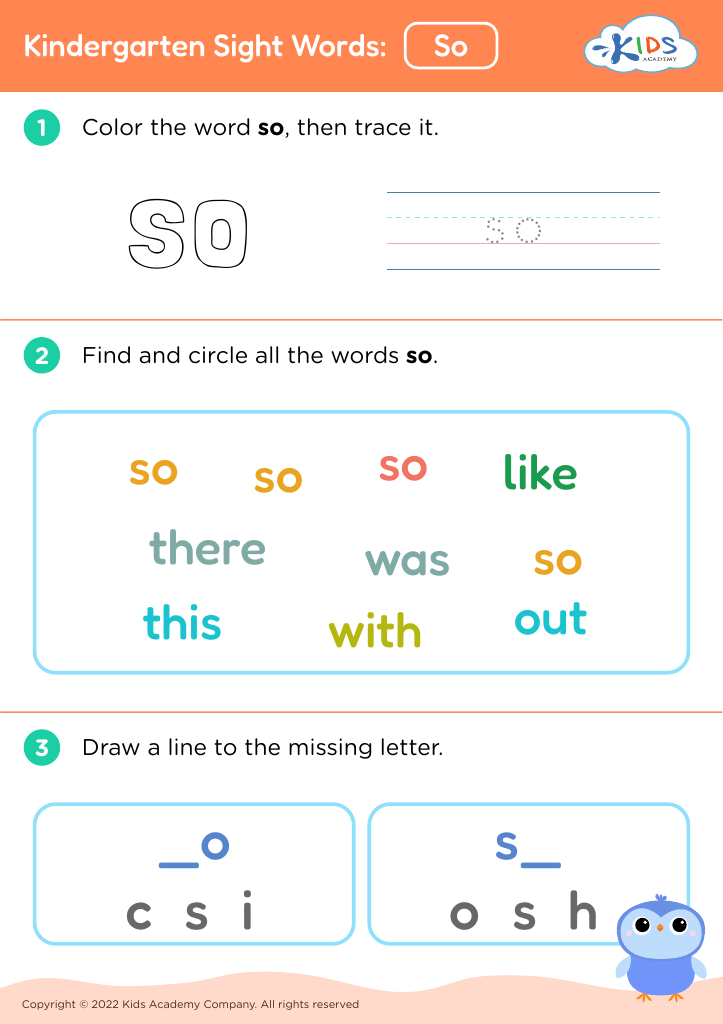
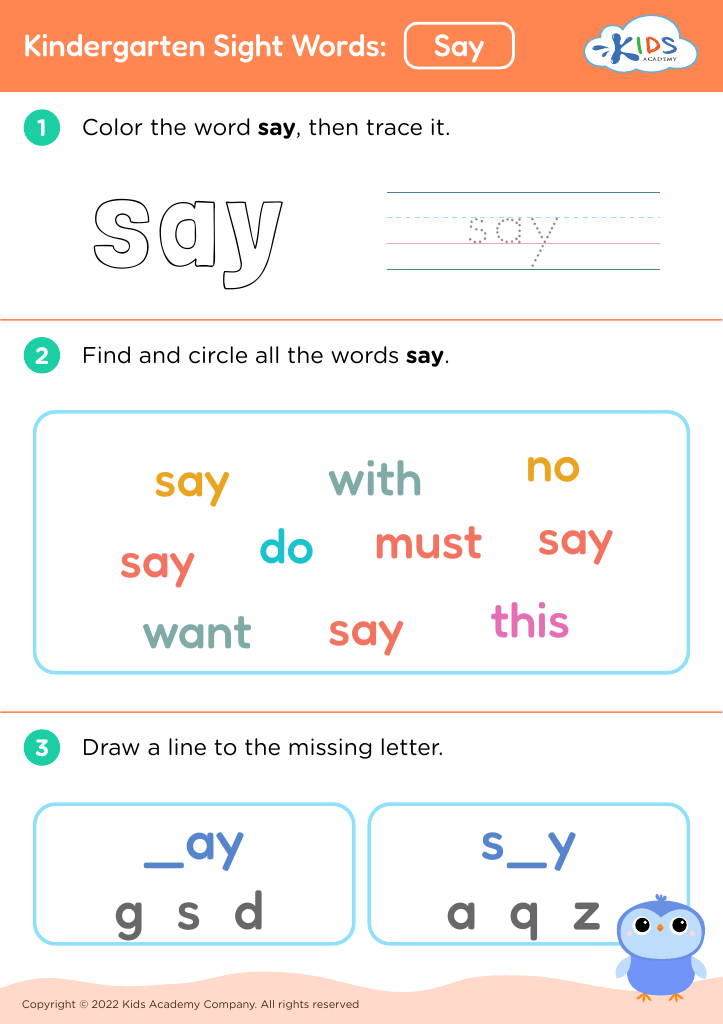
Second, vocabulary development is equally vital. A rich vocabulary allows children to express themselves clearly and comprehend information more effectively. This linguistic competence not only supports reading and writing skills but also enhances social interactions and boosts self-confidence. Engaging in conversations, storytelling, and reading diverse books expands children’s vocabulary and enhances their ability to articulate thoughts.
In combination, strong counting skills and a developed vocabulary contribute significantly to overall cognitive development. They prepare children for future learning, classroom participation, and social interactions. By focusing on these areas, parents and teachers equip children with essential tools for lifelong learning and personal growth, promoting academic achievement and fostering effective communication skills.








