
Improve math skills Building Vocabulary Worksheets for Ages 5-9
3 filtered results
Difficulty Level
Grade
Age
-
From - To
Subject
Activity
Standards
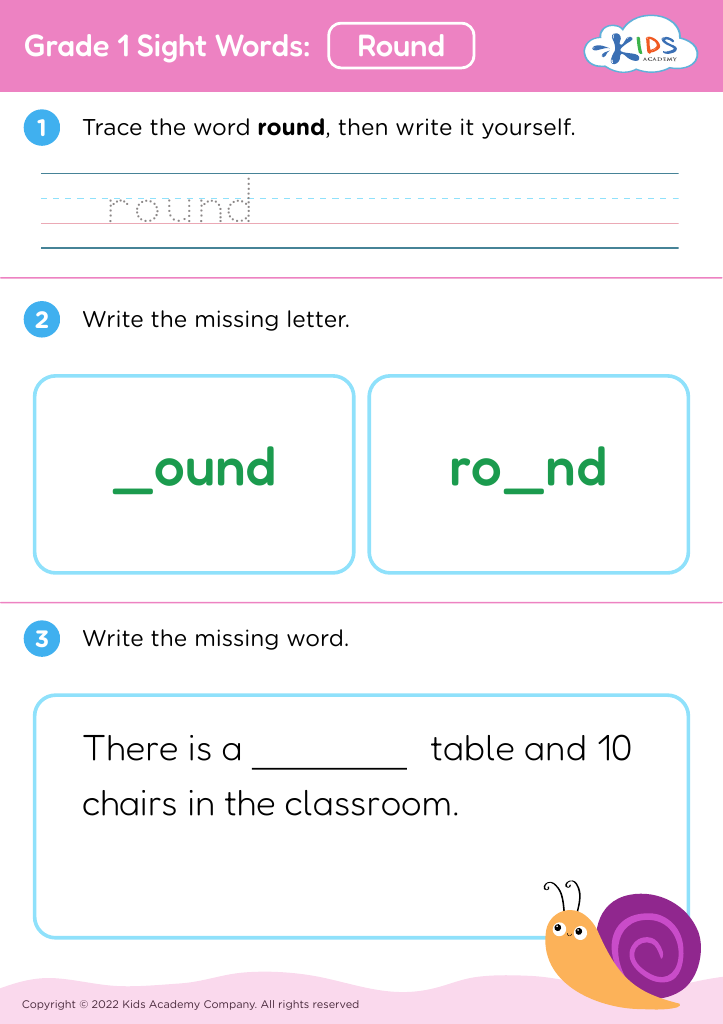
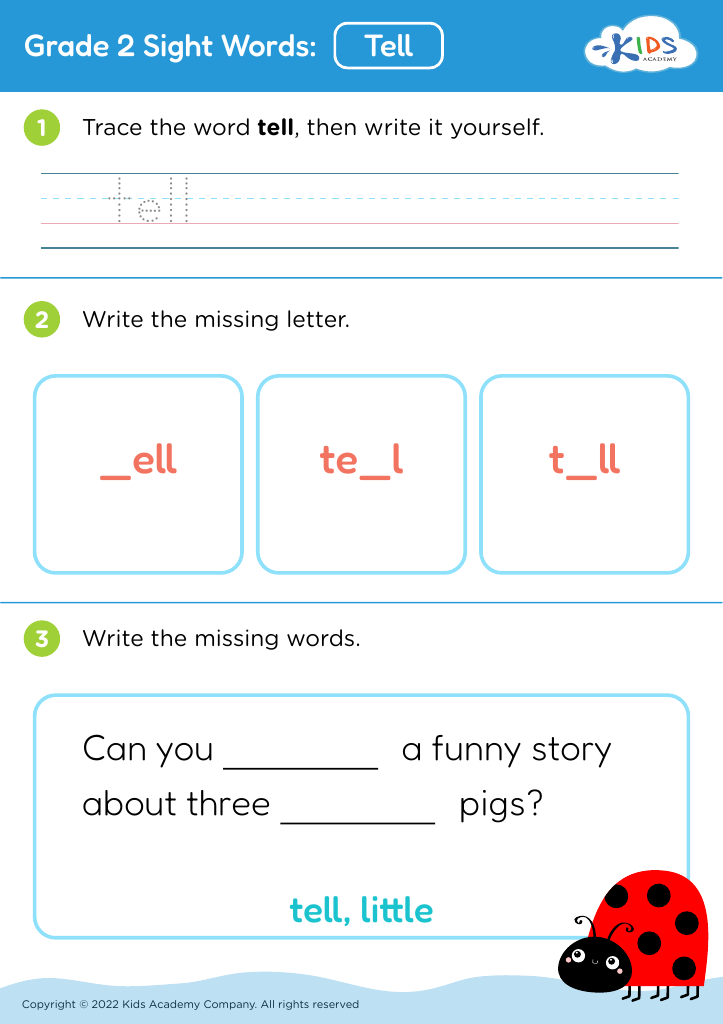
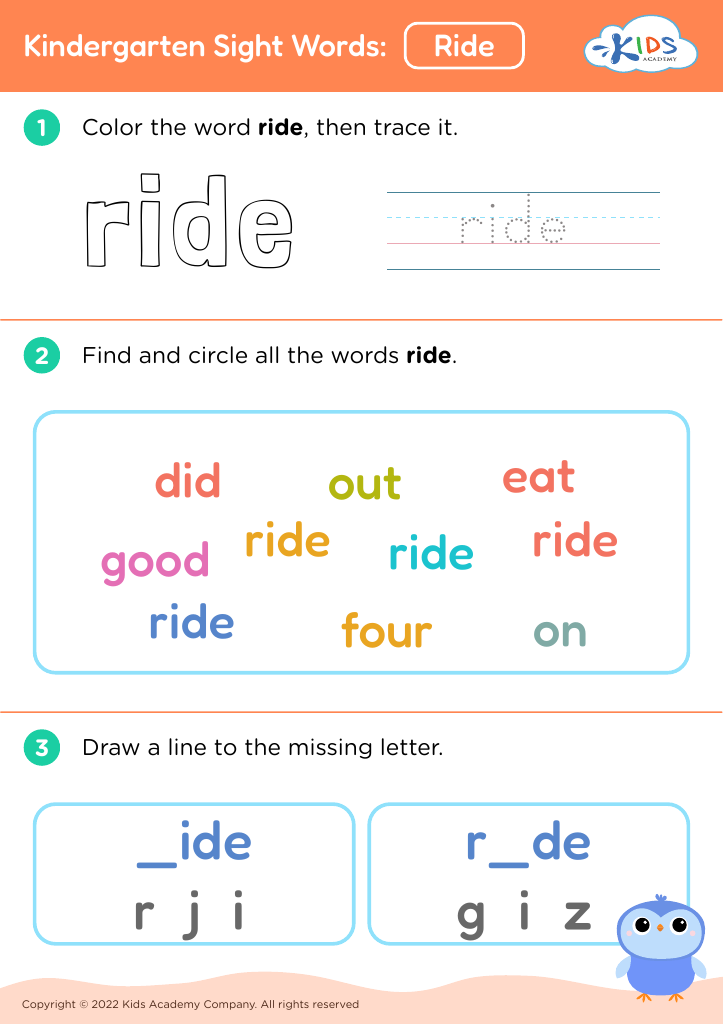
Enhance math proficiency while enriching vocabulary with our engaging worksheets designed for children ages 5-9. Our "Improve Math Skills Building Vocabulary Worksheets" combine essential math concepts with vocabulary-building exercises to create a comprehensive learning experience. Each worksheet is thoughtfully crafted to reinforce math skills through fun, age-appropriate activities, ensuring kids grasp key terminology while solving problems. By integrating vocabulary building into math practice, young learners will gain confidence and accelerate their academic growth. Discover a seamless approach to foster creativity, critical thinking, and language development—all while mastering foundational math principles. Explore our collection today and watch your child's skills flourish!
Favorites
With answer key
Interactive











Join Kids Academy for Free
Who is primarily going to use this learning content?








Improving math skills and building vocabulary for children ages 5-9 are critical areas of focus for parents and teachers, as they lay the foundation for future academic success. At this developmental stage, children are beginning to recognize numbers, understand basic mathematical concepts, and expand their language abilities. Strong math skills promote logical thinking and problem-solving, essential skills that are applicable in daily life and future academic pursuits.
Moreover, an enriched vocabulary enhances reading comprehension, communication, and critical thinking. Children who have a robust vocabulary are better equipped to express their ideas, ask questions, and engage with others. As they encounter new mathematical terms and concepts, building a solid vocabulary related to math fosters better understanding and retention.
Additionally, there’s a connection between math skills and language development; children often need to articulate their thought processes and explain their reasoning. Encouraging learning in both areas creates a holistic educational experience, ultimately fostering well-rounded individuals. Therefore, it’s crucial for parents and teachers to prioritize these skills to support children's overall growth, confidence, and readiness for more advanced academic challenges in the future. Early investment in these areas can lead to lifelong benefits.








