
Number identification Building Vocabulary Worksheets for Ages 5-9
5 filtered results
Difficulty Level
Grade
Age
-
From - To
Subject
Activity
Standards
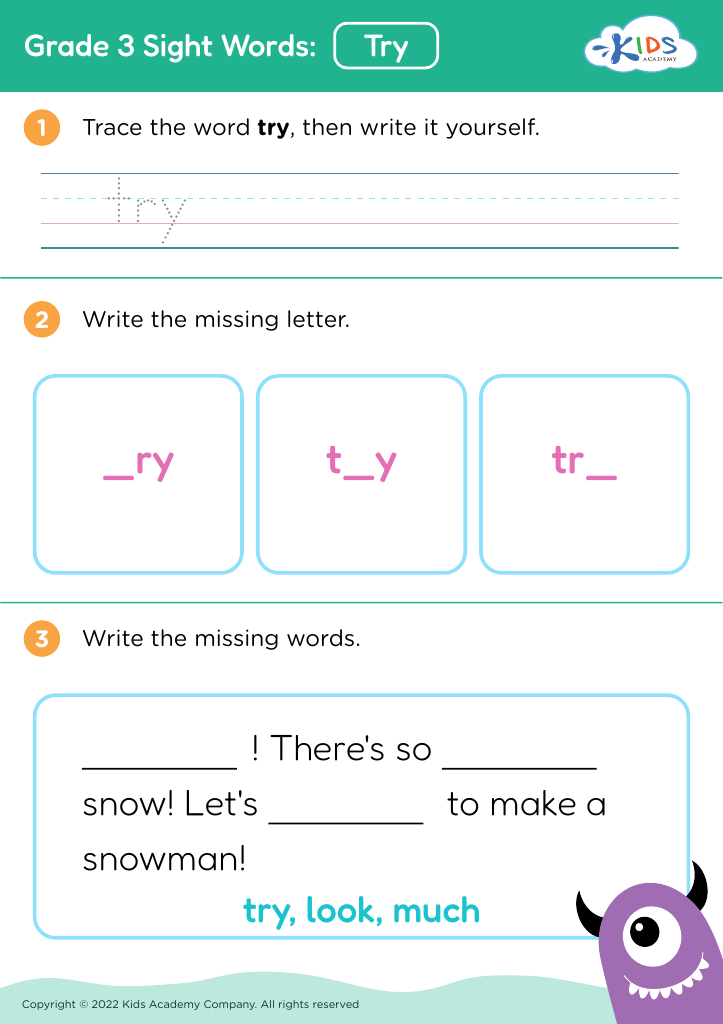
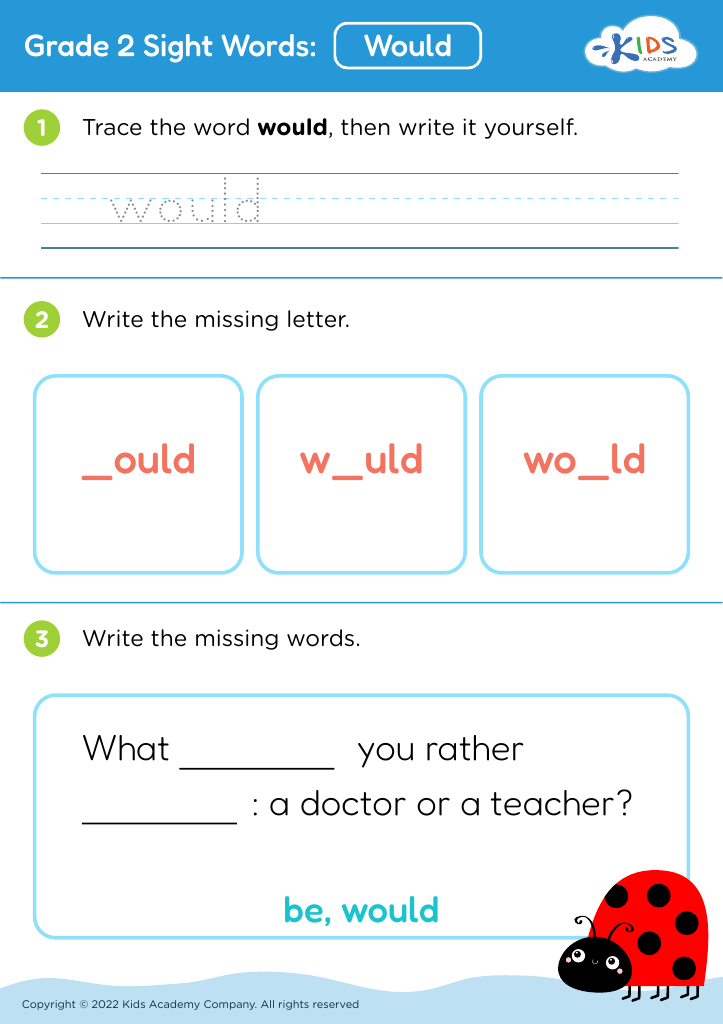
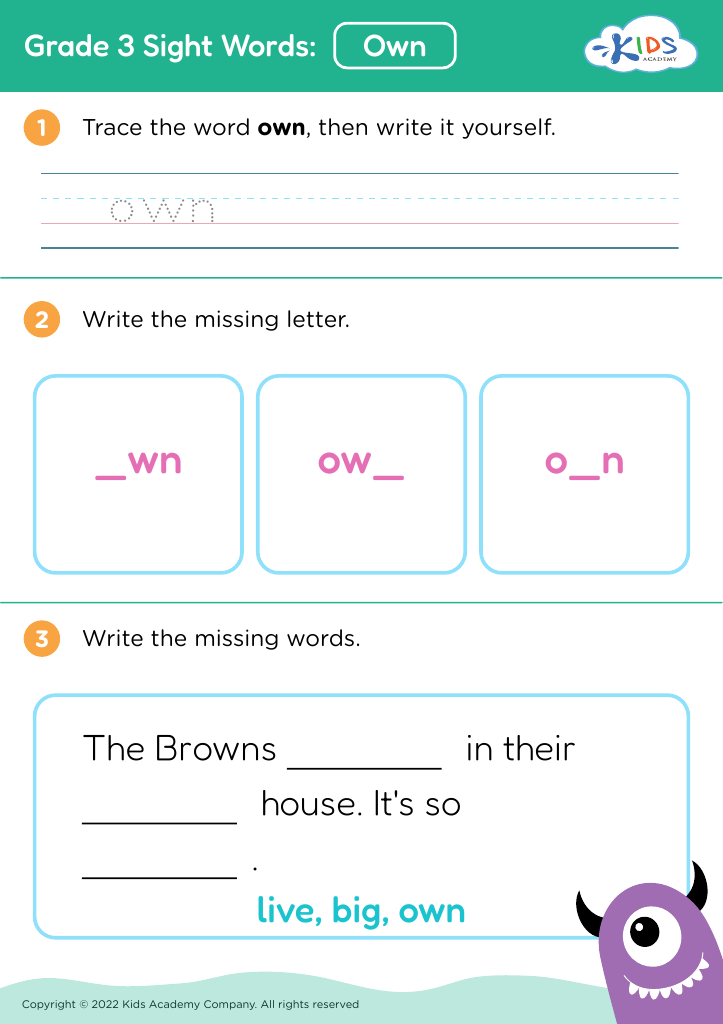
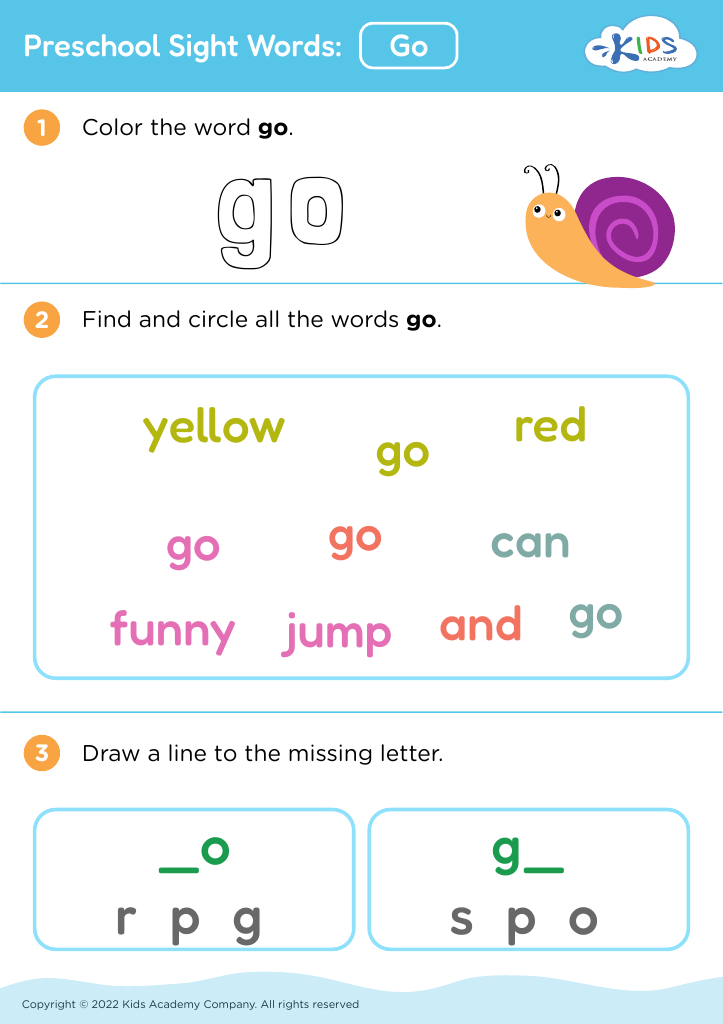
Explore our engaging Number Identification Building Vocabulary Worksheets designed for children ages 5-9! These interactive worksheets help young learners develop essential number recognition skills while enhancing their vocabulary. With colorful illustrations and fun activities, kids will enjoy counting, comparing, and identifying numbers in various contexts. Our resources support early math education by integrating vocabulary development that enhances comprehension and retention. Perfect for both classroom and at-home learning, these worksheets foster a solid foundation in math literacy while keeping children excited about learning. Empower your child’s educational journey with these valuable tools that promote numerical understanding and language skills simultaneously!
Favorites
With answer key
Interactive











Join Kids Academy for Free
Who is primarily going to use this learning content?



.jpg)



Parents and teachers should prioritize number identification and vocabulary building for children aged 5 to 9 as these skills lay the foundation for future academic success. Number identification is crucial in developing mathematical reasoning, enabling children to grasp concepts such as counting, addition, and subtraction. Early exposure to numbers fosters confidence and a positive attitude toward mathematics, sparking a lifelong interest in the subject.
Simultaneously, building vocabulary enhances children’s reading comprehension and communication skills. By introducing new words and encouraging their usage, educators can help children articulate their thoughts and understand complex ideas. A robust vocabulary enables students to engage fully with learning materials and participate in discussions, further enhancing their social skills.
Additionally, these foundational skills are interconnected; a strong vocabulary helps children understand mathematical language and concepts, enriching their overall learning experience. Parental involvement and teacher strategies, such as play-based learning and storytime, can significantly impact children's development. Investing time in number identification and vocabulary despite screen time or busy schedules should be viewed as essential, as these skills are integral not only for academic achievement but also for everyday problem-solving and effective communication throughout life.








