Understanding subtraction Building Vocabulary Worksheets for Ages 5-9
3 filtered results
-
From - To
Explore our "Understanding Subtraction Building Vocabulary Worksheets" tailored for children ages 5-9! These engaging printables combine essential math concepts with vocabulary development, making subtraction fun and educational. Designed to reinforce fundamental mathematical skills, our worksheets utilize vibrant illustrations and interactive activities that capture young learners' interest. As kids solve subtraction problems, they'll enhance their math-related vocabulary, empowering their communication skills. Ideal for classroom settings or home practice, these worksheets provide a well-rounded learning experience. Foster a love for math and language with our expertly crafted resources, supporting children as they build confidence in subtraction and linguistic expression. Start your journey today!
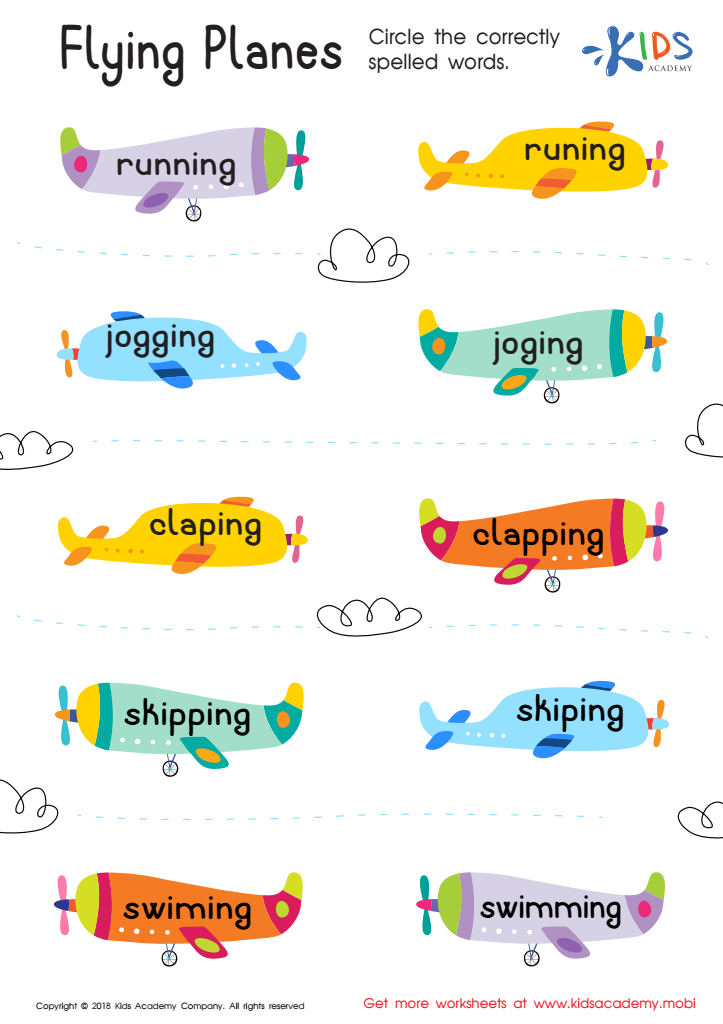
Flying Planes Worksheet
 Assign to My Students











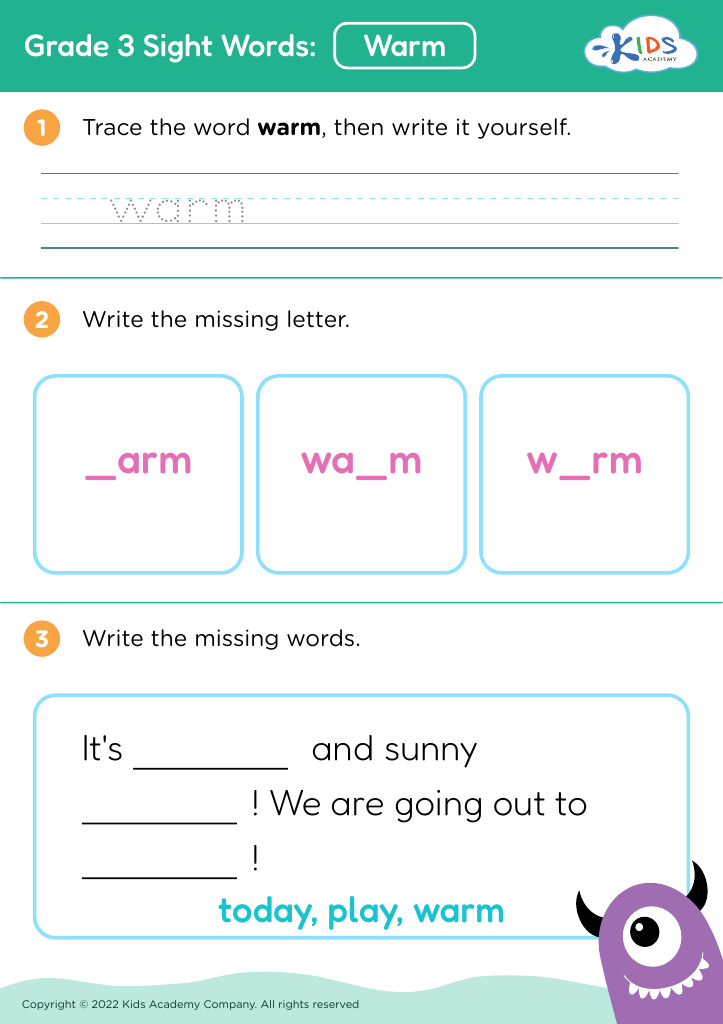
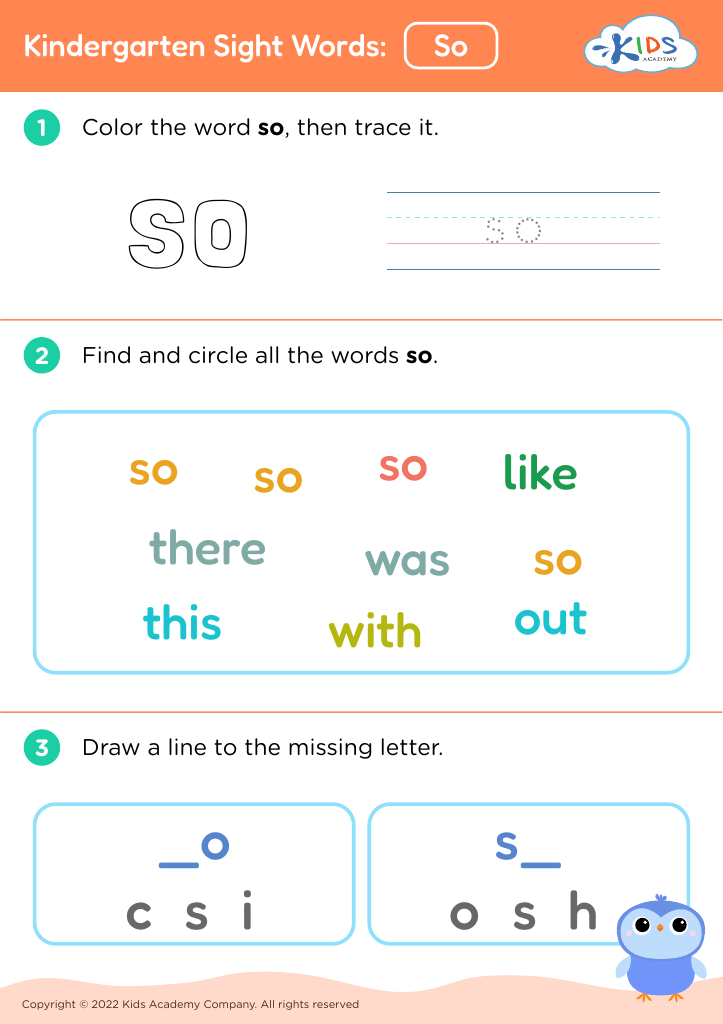








Understanding subtraction is vital for children aged 5-9 as it lays the foundation for essential mathematical skills. At this age, children are not just learning numbers; they are beginning to grasp important concepts that will support their future academic success. Mastering subtraction enhances their problem-solving abilities, critical thinking skills, and basic math fluency, providing the tools necessary for more complex mathematical operations later on.
Moreover, building vocabulary in mathematical contexts enriches children's comprehension. As they learn terms like "minus," "difference," and "take away," they become better equipped to communicate their thought processes and engage in discussions about math. A strong mathematical vocabulary supports their reading comprehension, allowing them to decipher word problems more effectively.
Parents and teachers play crucial roles in this developmental stage. By incorporating playful activities, real-life applications, and consistent exposure to subtraction and relevant vocabulary, they can create an environment that fosters both enthusiasm for learning and a solid understanding of mathematical concepts. This integration not only enhances children's ability to tackle future challenges but also boosts their confidence, making math a subject they can appreciate and enjoy. Therefore, recognizing the importance of subtraction and vocabulary development is essential for nurturing well-rounded learners.








