Shape Recognition Reading Fiction Worksheets for Ages 5-9
3 filtered results
-
From - To
Unlock your child's potential with our engaging Shape Recognition Reading Fiction Worksheets, designed specifically for ages 5-9! These interactive worksheets seamlessly blend foundational reading skills with essential shape recognition, fostering a love for learning. Each activity features captivating stories and colorful illustrations, challenging young readers to identify shapes while enhancing their comprehension. Ideal for home schooling or classroom use, these worksheets cater to diverse learning styles and promote critical thinking. With various levels of complexity, they provide a dynamic learning experience, helping children build confidence in both reading and math skills. Dive into the world of shapes today and inspire creativity in your young learners!
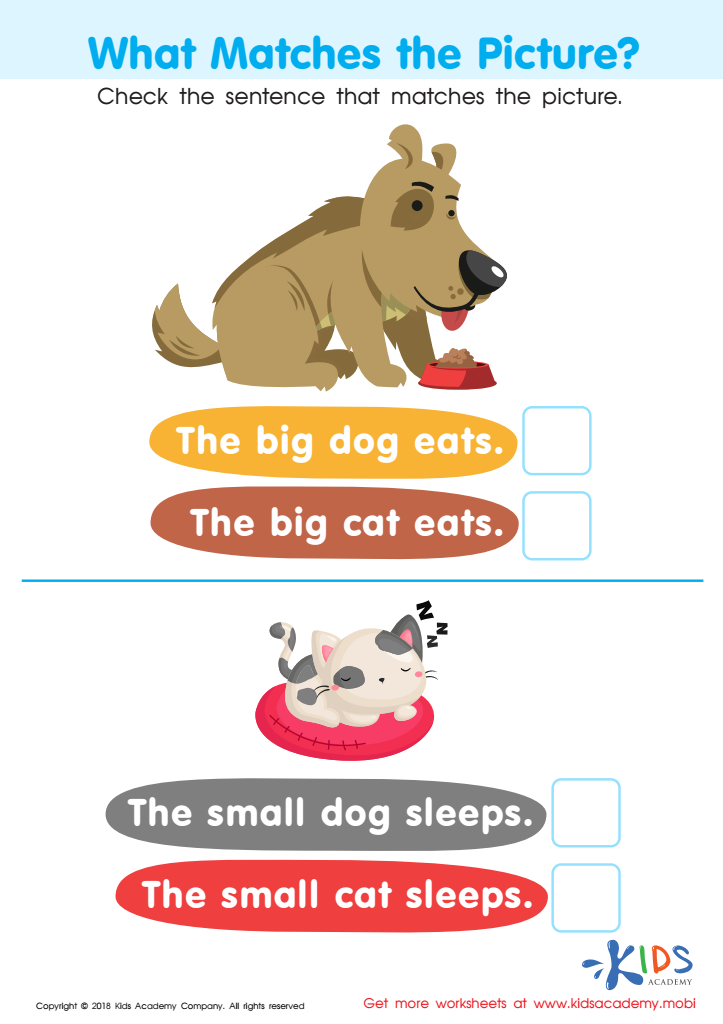
What Matches the Picture? Worksheet
 Assign to My Students
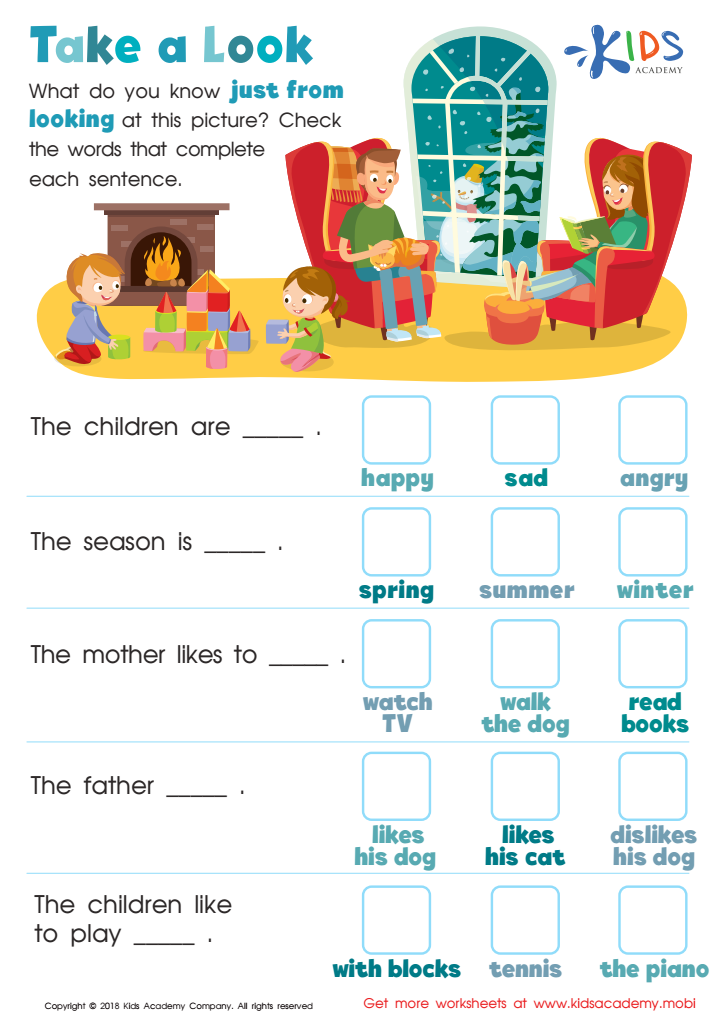
Take a Look - Part 1 Worksheet
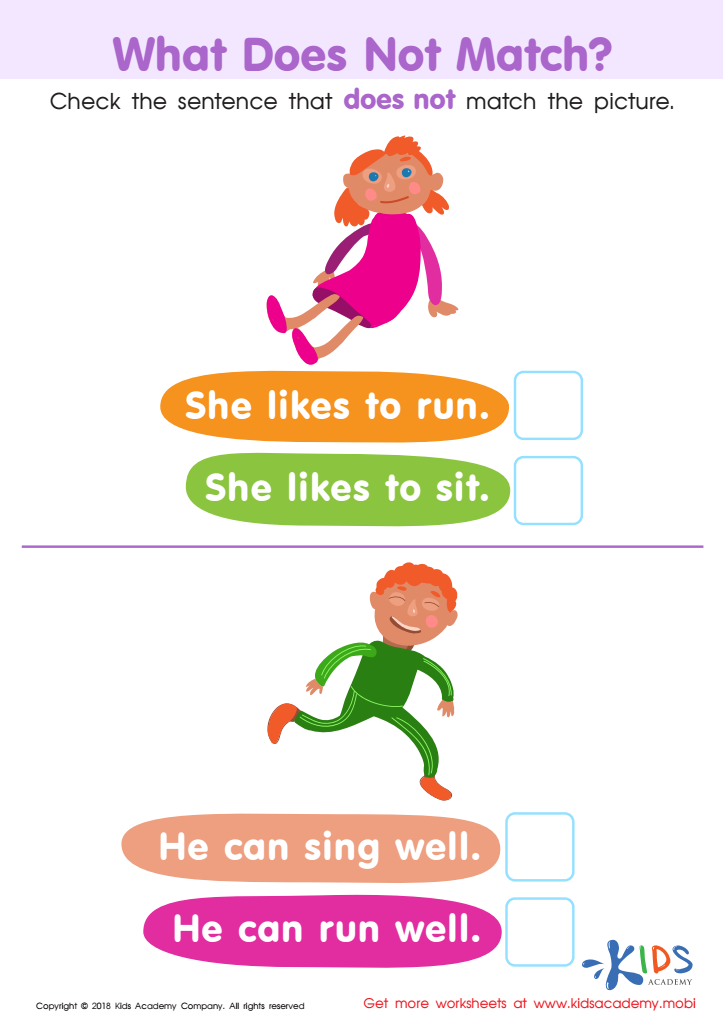
What Does Not Match? Worksheet







Shape recognition is a fundamental skill that supports early literacy, particularly in young readers aged 5 to 9. During this stage, children are developing the foundational skills necessary for reading, and understanding shapes plays a crucial role in this process. Parents and teachers should care about shape recognition in reading fiction because it enhances visual perception, which is vital for decoding letters and words.
Engaging children with fiction that incorporates various shapes fosters their ability to identify and differentiate between these forms. As children encounter visual shapes in story illustrations or within the text, they learn to associate these shapes with letters and words. This association reinforces their reading skills and aids in the development of phonemic awareness.
Furthermore, when stories feature characters or themes related to shapes, it sparks children's interest and boosts comprehension. It also promotes critical thinking as young readers begin to make connections between shapes and narrative elements. Encouraging discussions around these features enhances vocabulary and expression.
Ultimately, fostering shape recognition through engaging fiction not only supports literacy development but also ignites creativity and imagination in children as they explore the world of shapes in stories, reinforcing their love for reading.








