Basic arithmetic practice Sight Words Worksheets for Ages 5-9
4 filtered results
-
From - To
Enhance your child's learning journey with our Basic Arithmetic Practice and Sight Words Worksheets, designed specifically for ages 5-9. These engaging worksheets seamlessly combine essential math skills and sight word recognition, making early education fun and effective. Kids will practice addition and subtraction while reinforcing their vocabulary, building confidence in both literacy and numeracy. Each worksheet is thoughtfully crafted to capture young learners' attention, encouraging independent practice. Perfect for classroom use or at-home learning, our resources support the development of critical thinking and problem-solving skills. Equip your child with the foundational skills they need for future academic success while nurturing a love for learning!







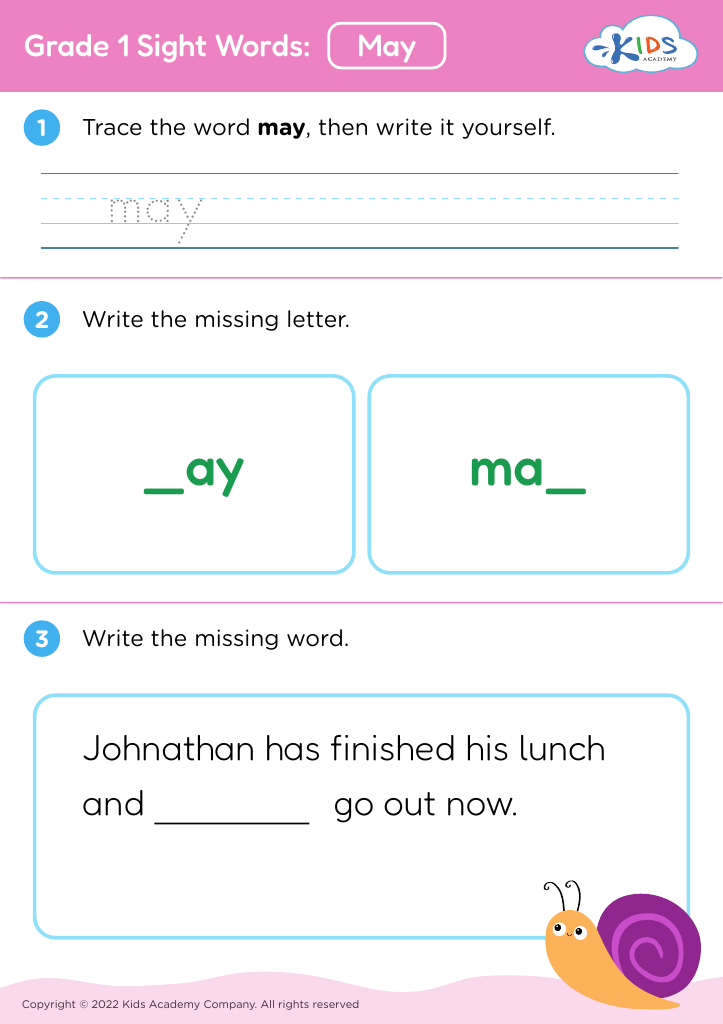
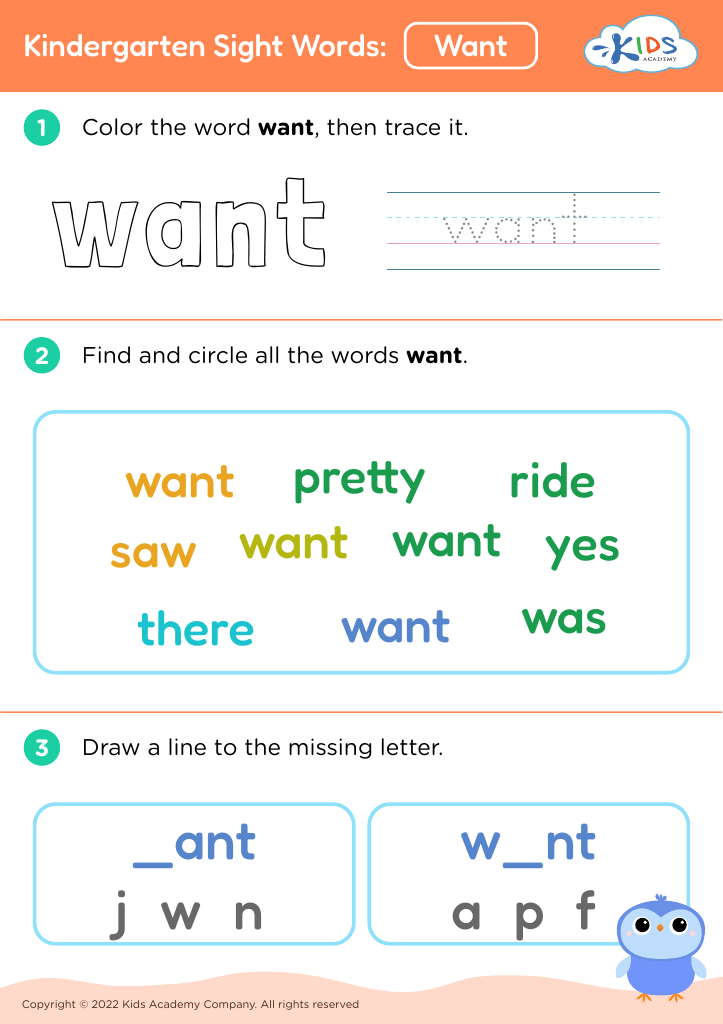
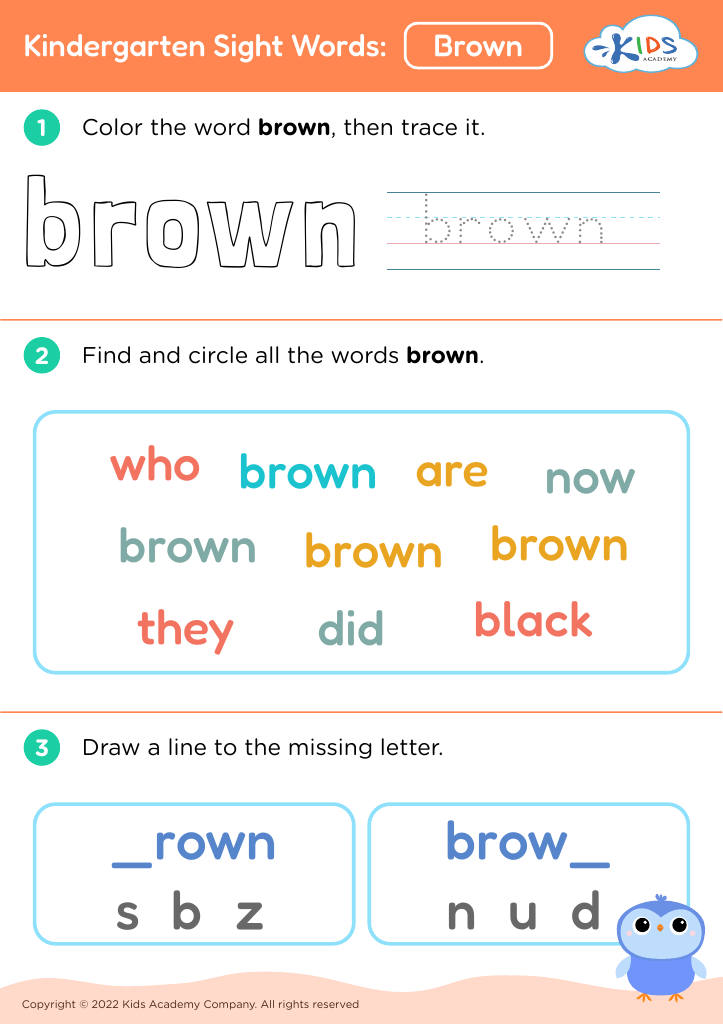








Basic arithmetic practice and sight word recognition are fundamental building blocks for young learners aged 5-9, and it is essential that parents and teachers prioritize these skills. Firstly, basic arithmetic fosters critical thinking and problem-solving abilities. Mastery of addition, subtraction, early multiplication, and division serves as a foundation for more complex mathematical concepts, which children will encounter as they progress in their education. Developing these skills early helps build confidence and motivation in students.
Similarly, sight words play a crucial role in reading fluency and comprehension. Recognizing these common words enables children to read more smoothly, allowing them to focus on understanding the text rather than decoding individual words. This is especially important for developing a lifelong love of reading, which can positively impact other areas of learning.
Moreover, engaging in arithmetic and sight word activities provides opportunities for parents and teachers to interact with children in enjoyable and educational ways, reinforcing concepts through games, stories, and everyday experiences. Ultimately, both skills are essential for academic success and overall cognitive development, making it vital for adults to actively support and encourage consistent practice in these areas.