Check out this FREE Trial Lesson on Sight Words for age 5-9!

X

Favorites
With answer key
Interactive
  • 5-9
  • Comparing Fractions
  • Sight Words
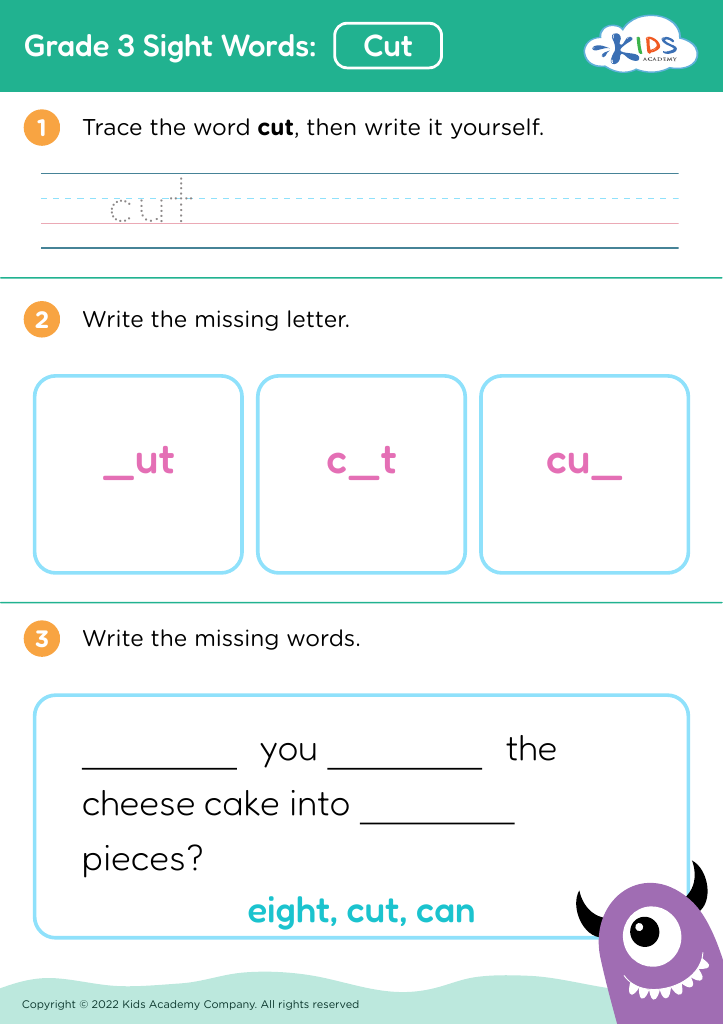
Grade 3 Sight Words: Cut

Grade 3 Sight Words: Cut

Grade 3 Sight Words: Cut
Worksheet
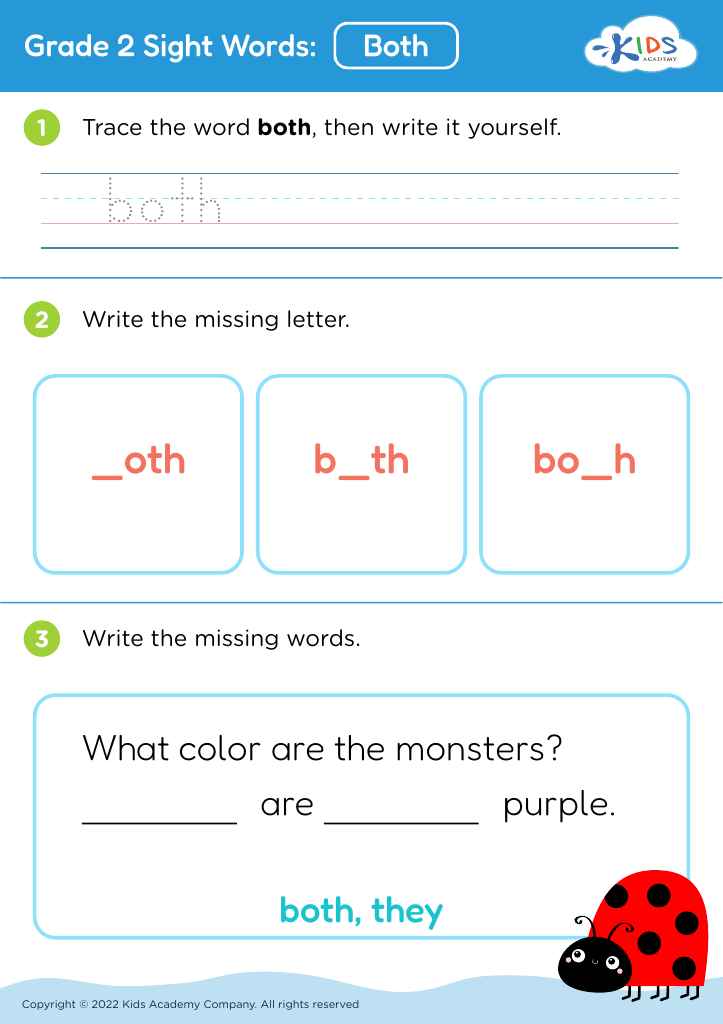
Grade 2 Sight Words: Both

Grade 2 Sight Words: Both

Grade 2 Sight Words: Both
Worksheet
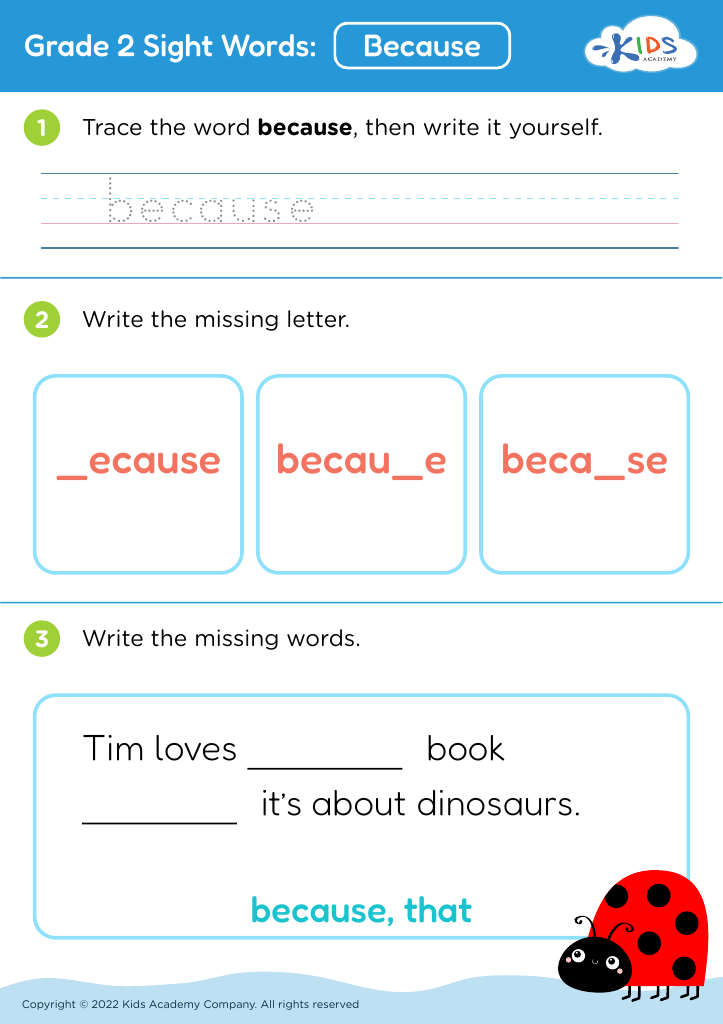
Grade 2 Sight Words: Because

Grade 2 Sight Words: Because

Grade 2 Sight Words: Because
Worksheet
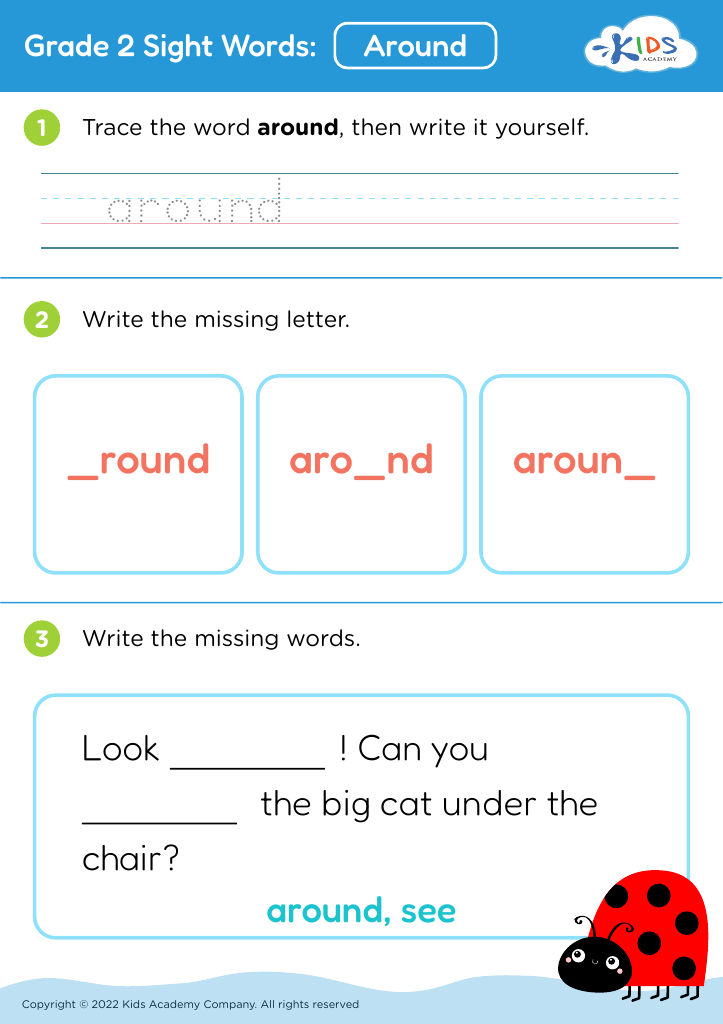
Grade 2 Sight Words: Around

Grade 2 Sight Words: Around

Grade 2 Sight Words: Around
Worksheet
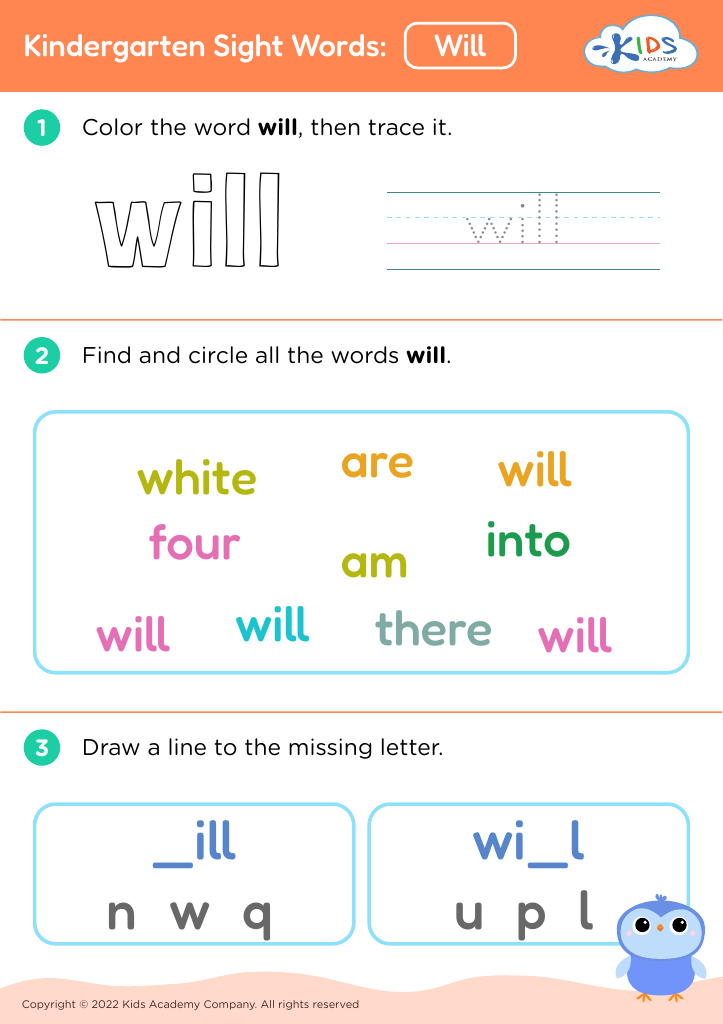
Kindergarten Sight Words: Will

Kindergarten Sight Words: Will

Kindergarten Sight Words: Will
Worksheet
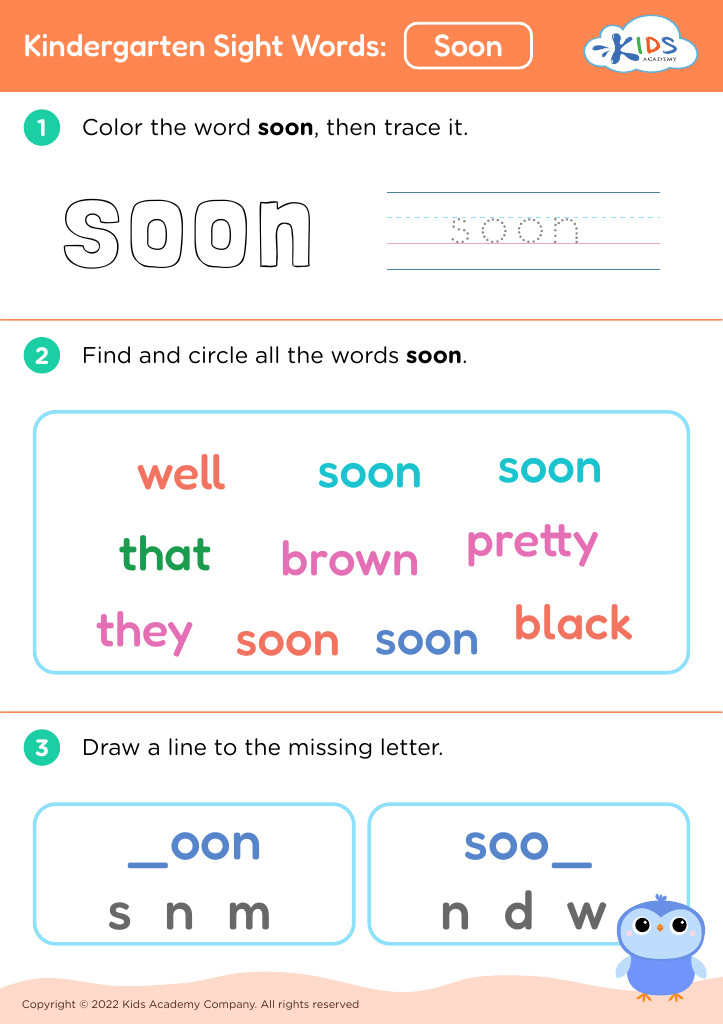
Kindergarten Sight Words: Soon

Kindergarten Sight Words: Soon

Kindergarten Sight Words: Soon
Worksheet
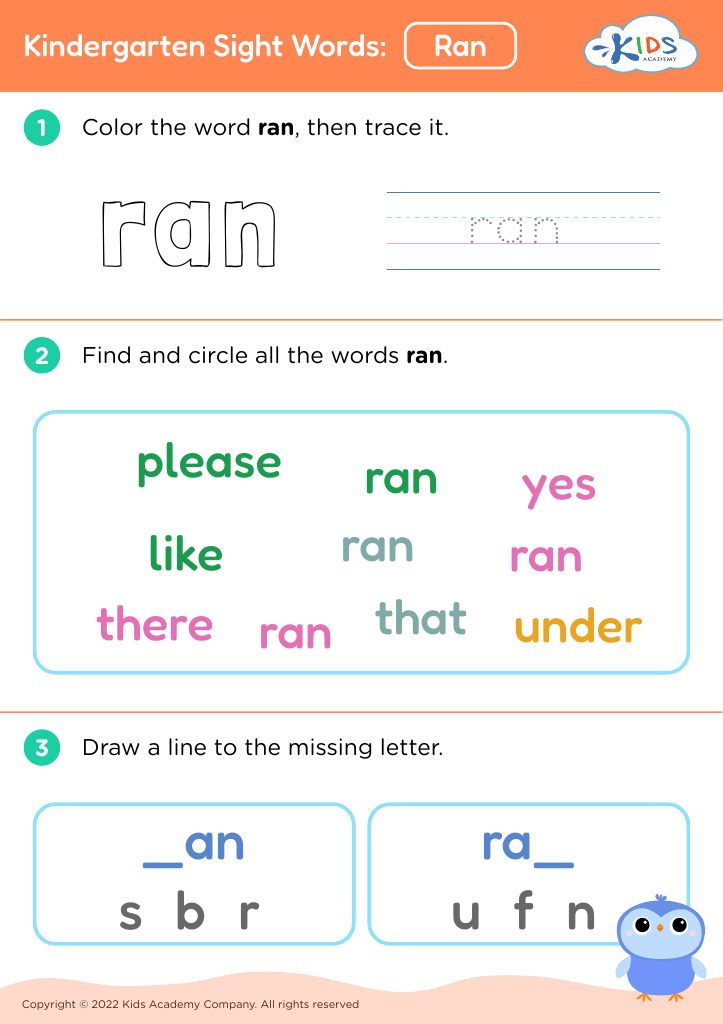
Kindergarten Sight Words: Ran

Kindergarten Sight Words: Ran

Kindergarten Sight Words: Ran
Worksheet
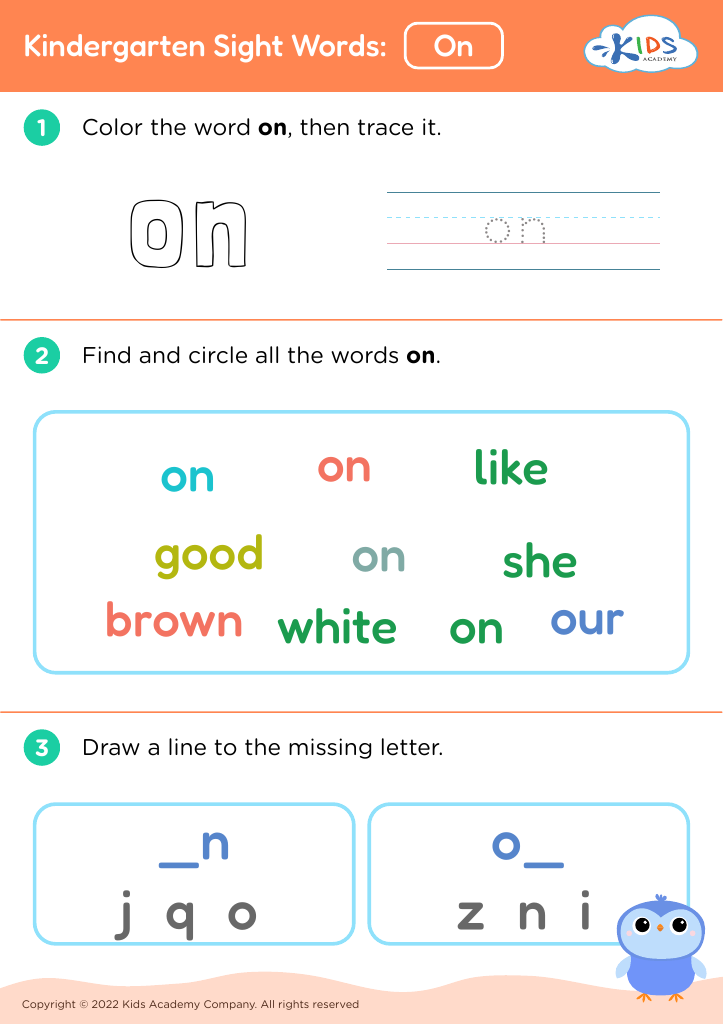
Kindergarten Sight Words: On

Kindergarten Sight Words: On

Kindergarten Sight Words: On
Worksheet
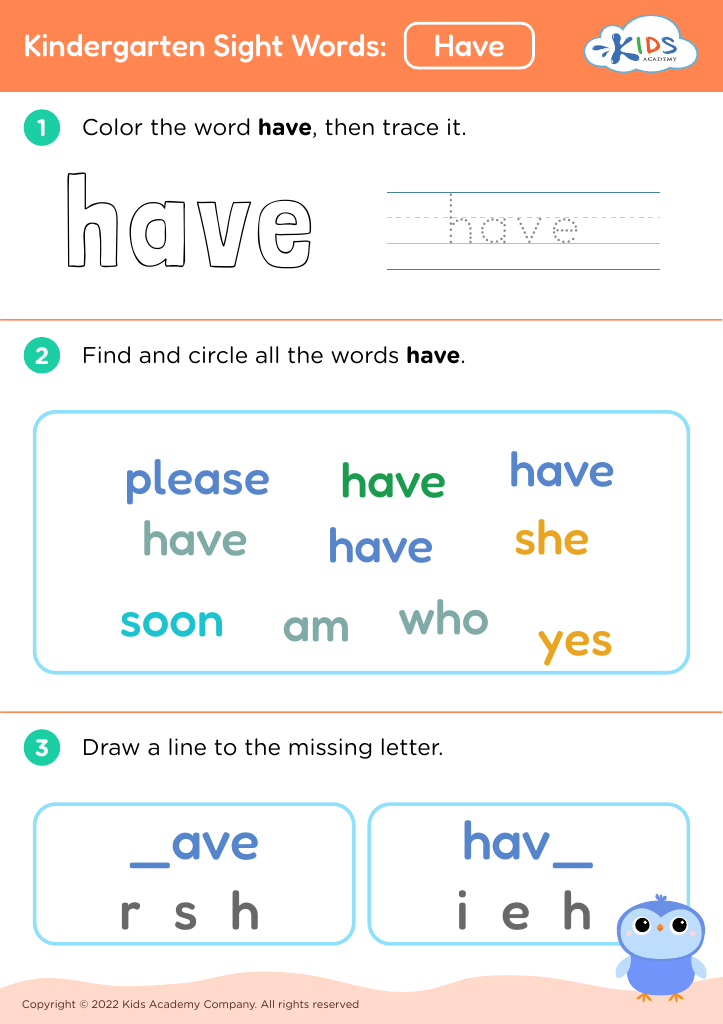
Kindergarten Sight Words: Have

Kindergarten Sight Words: Have

Kindergarten Sight Words: Have
Worksheet
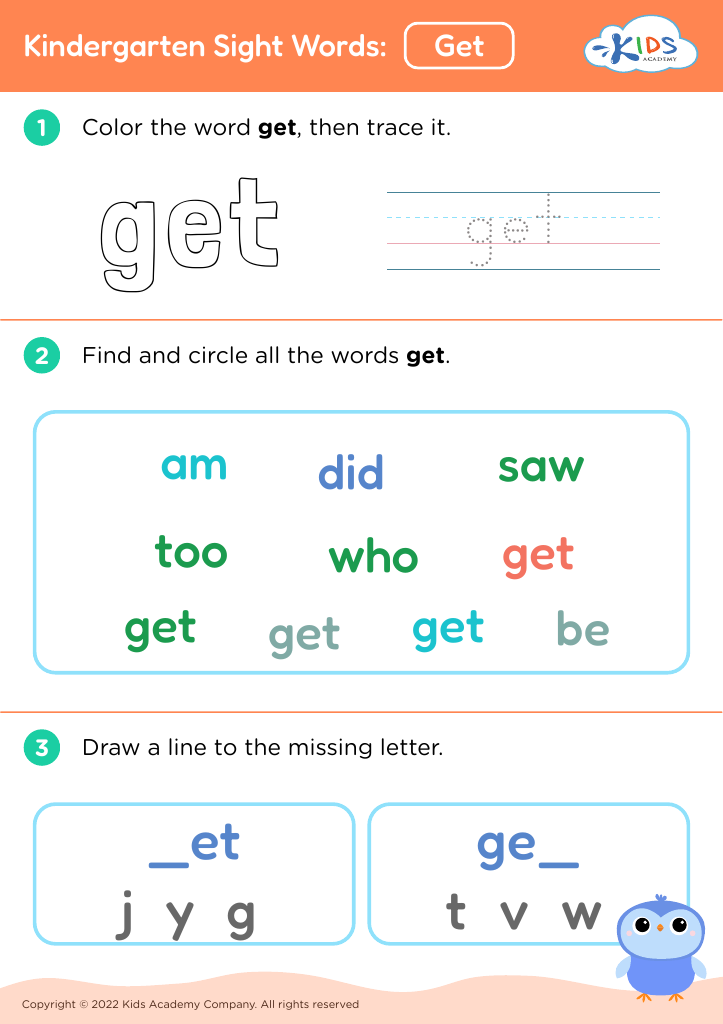
Kindergarten Sight Words: Get

Kindergarten Sight Words: Get

Kindergarten Sight Words: Get
Worksheet
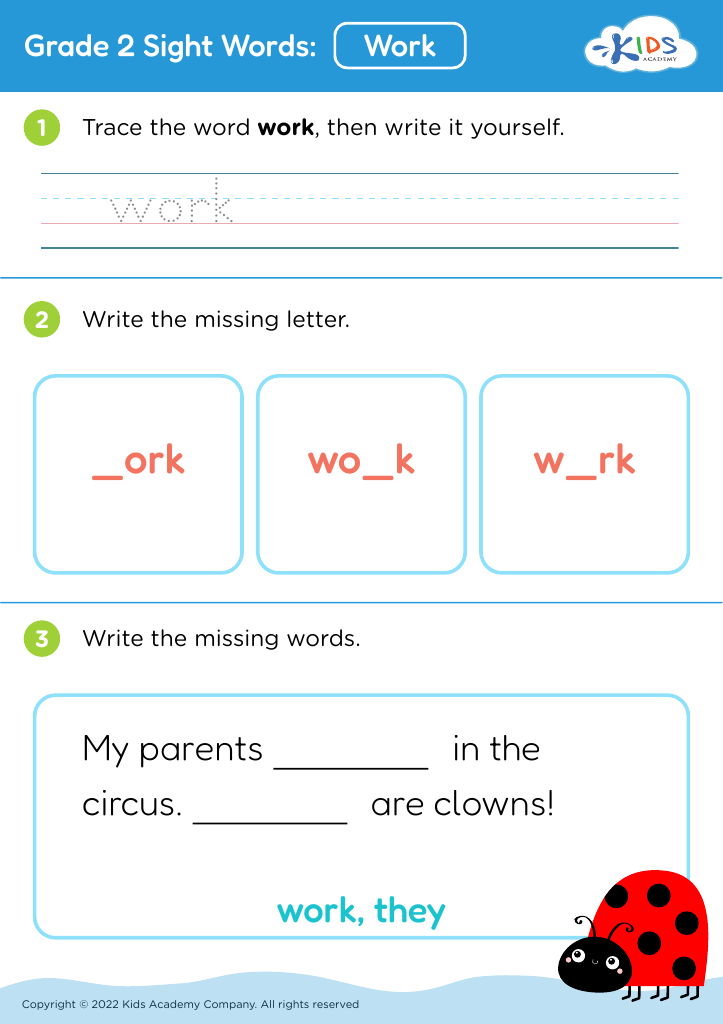
Grade 2 Sight Words: Work

Grade 2 Sight Words: Work

Grade 2 Sight Words: Work
Worksheet
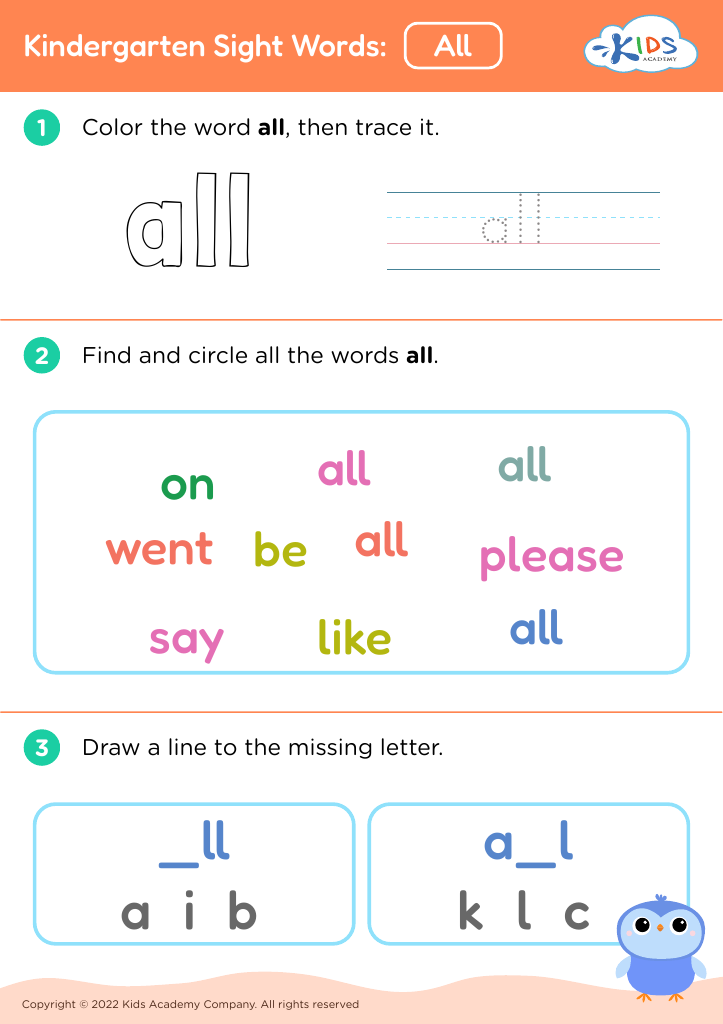
Kindergarten Sight Words: All

Kindergarten Sight Words: All

Kindergarten Sight Words: All
Worksheet


Understanding comparing fractions is essential for young learners, particularly those aged 5-9, as it lays the groundwork for later math skills. Fractions are foundational concepts in mathematics that students will encounter frequently in their education. By introducing comparing fractions early, parents and teachers equip children with the ability to analyze numbers in a meaningful way. This helps foster their critical thinking skills and promotes a stronger grasp of mathematical principles over time.

Moreover, incorporating sight words related to fractions can make learning engaging and accessible for young children. These sight words are integral vocabulary that aids in their comprehension of fraction concepts, allowing them to articulate their thoughts more clearly in discussions or written exercises. As children practice identifying and using fraction-related terms, they gain confidence and resilience in tackling math challenges.

Furthermore, early exposure to comparing fractions enhances cognitive skills, such as problem-solving and reasoning abilities. As students interact with fractions, they learn to see patterns and connections within numbers, preparing them for more complex mathematical concepts in the future. Overall, a strong foundation in comparing fractions is vital for academic success and helps nurture a positive attitude towards math in children.