Develop critical thinking Sight Words Worksheets for Ages 5-9
3 filtered results
Difficulty Level
Grade
Age
-
From - To
Subject
Activity
Standards
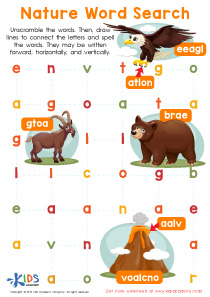
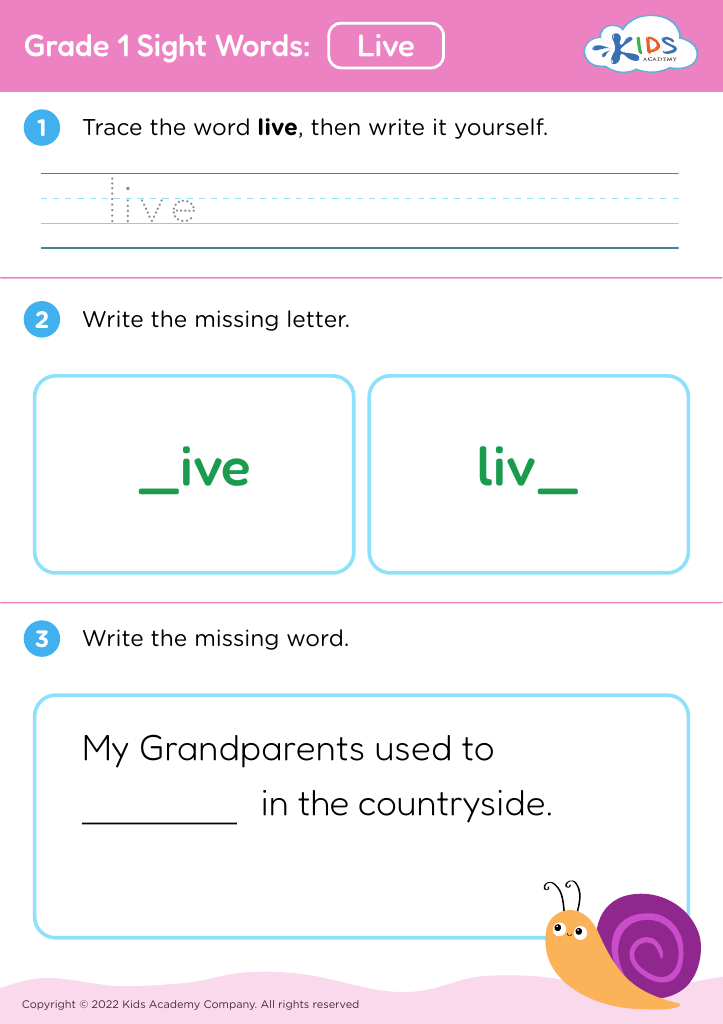
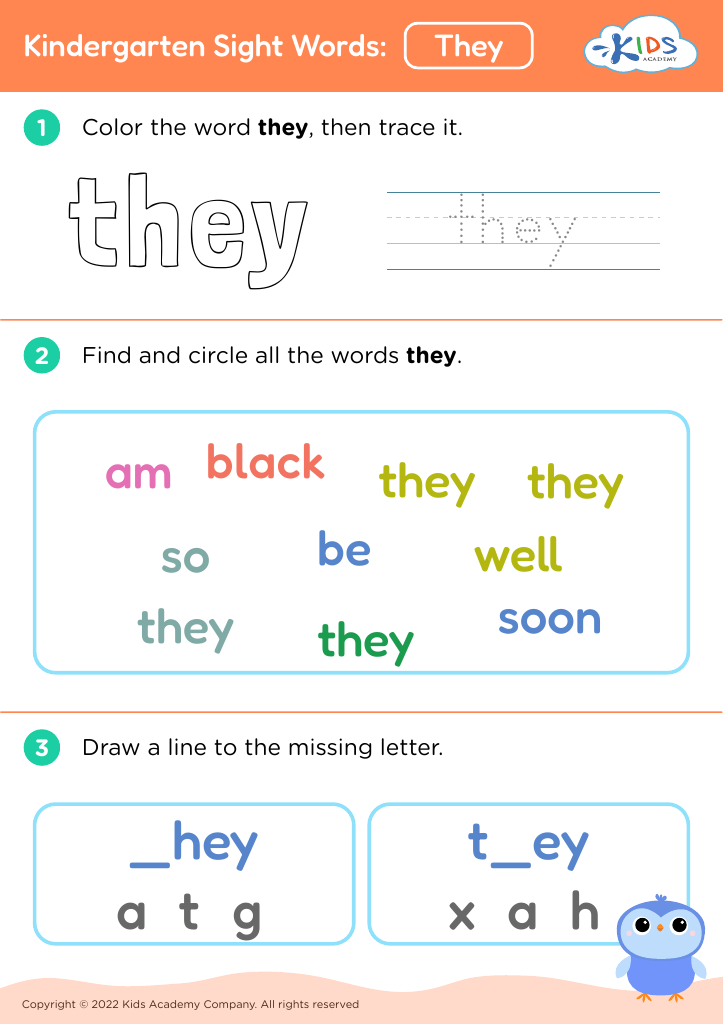
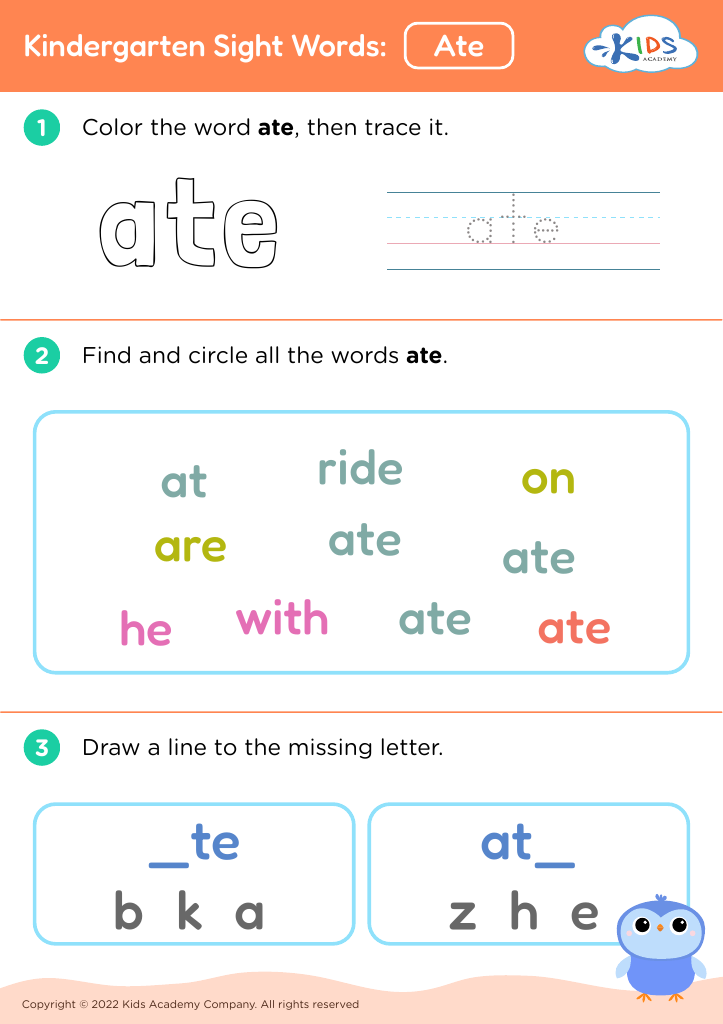
Unlock your child's potential with our "Critical Thinking Sight Words Worksheets" designed for ages 5-9. These engaging worksheets from Kids Academy combine sight word recognition with critical thinking challenges to enhance reading and cognitive skills. With activities that encourage kids to analyze, evaluate, and create, our worksheets make learning interactive and fun. Perfect for early readers, these resources promote a deeper understanding of language through puzzles, matching games, and story-based questions. Help your child develop crucial literacy skills while fostering a love for learning. Visit Kids Academy to start elevating your child's reading journey today!
Favorites
With answer key
Interactive







Join Kids Academy for Free
Who is primarily going to use this learning content?








Parents and teachers should care about developing critical thinking and sight words in children ages 5-9 because these skills are foundational to academic and life success. Critical thinking enables children to analyze information, make informed decisions, and solve problems effectively. At an early age, fostering this skill helps children become independent thinkers and curious learners, which enhances their ability to grasp complex concepts in later academic stages.
Sight words, on the other hand, are common words that children must recognize instantly by sight, without having to decode them phonetically. Mastering sight words enhances reading fluency, allowing children to read more smoothly and comprehend texts better. A strong sight word vocabulary means children spend less cognitive energy on decoding individual words and more on understanding and critically interacting with the text.
When combined, these skills allow children to not only read accurately but also to engage thoughtfully with what they read. This union promotes better academic performance, as children can tackle comprehension questions, write more effectively, and develop a lifelong love of learning. By investing in these skills from a young age, parents and teachers set the stage for children to effectively navigate an increasingly complex world.