Identifying shapes Sight Words Worksheets for Ages 5-9
10 filtered results
-
From - To
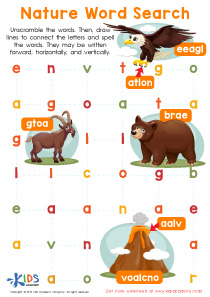
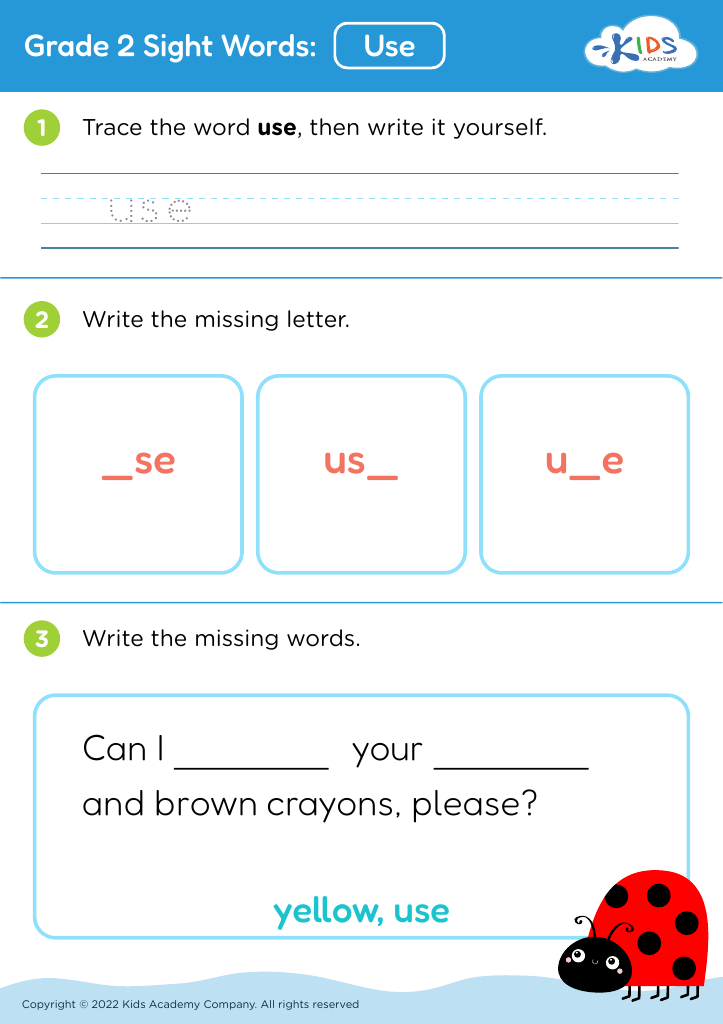
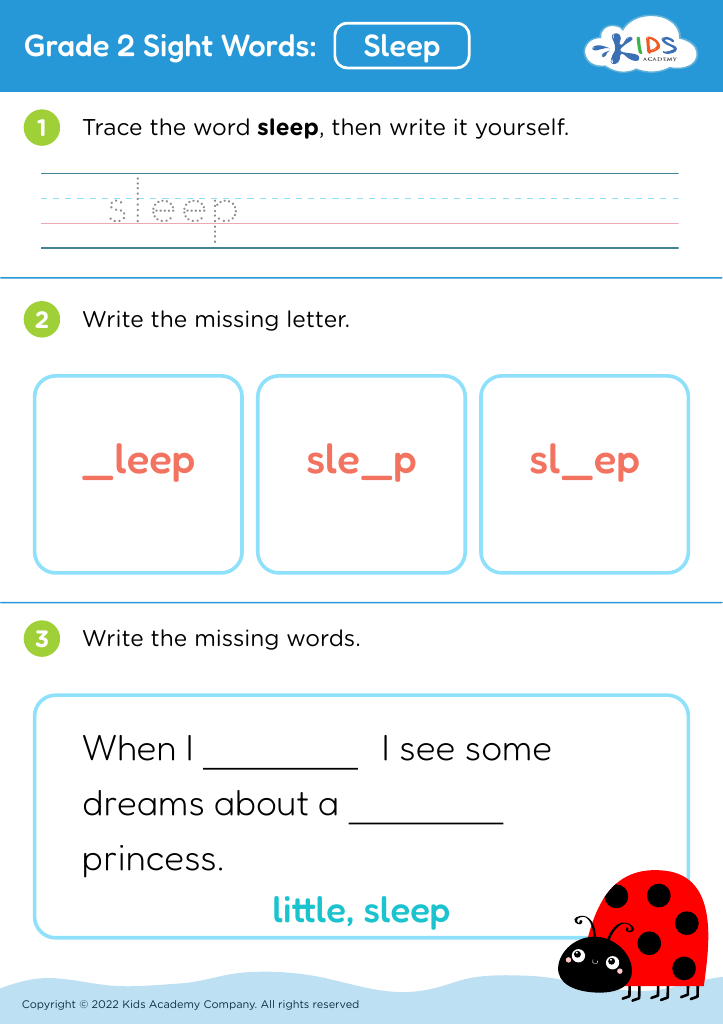
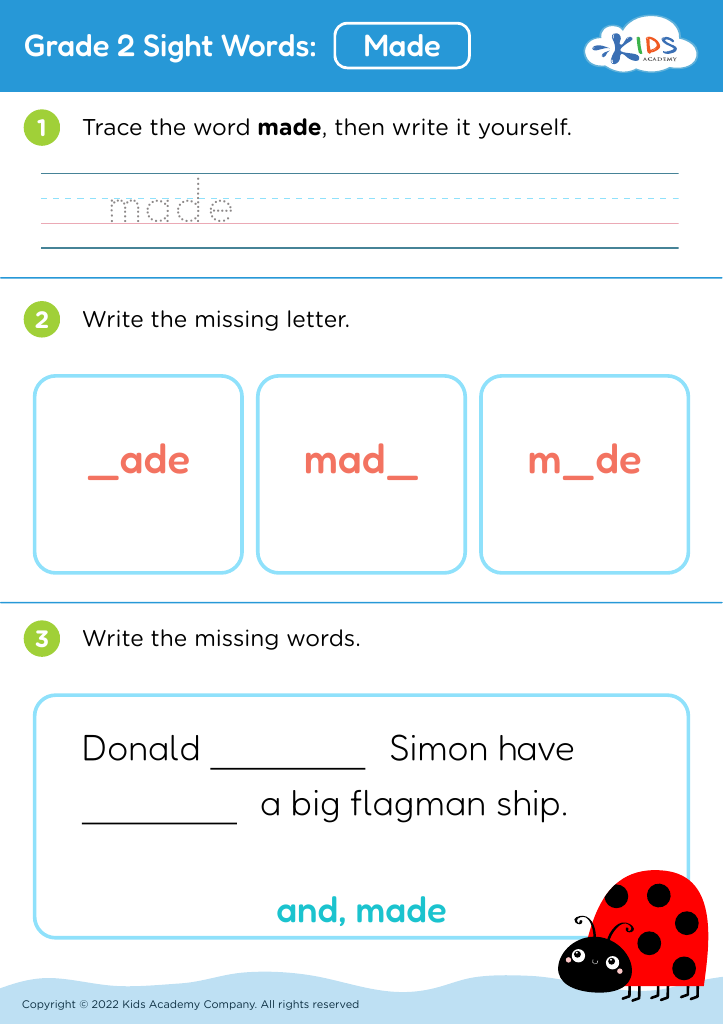
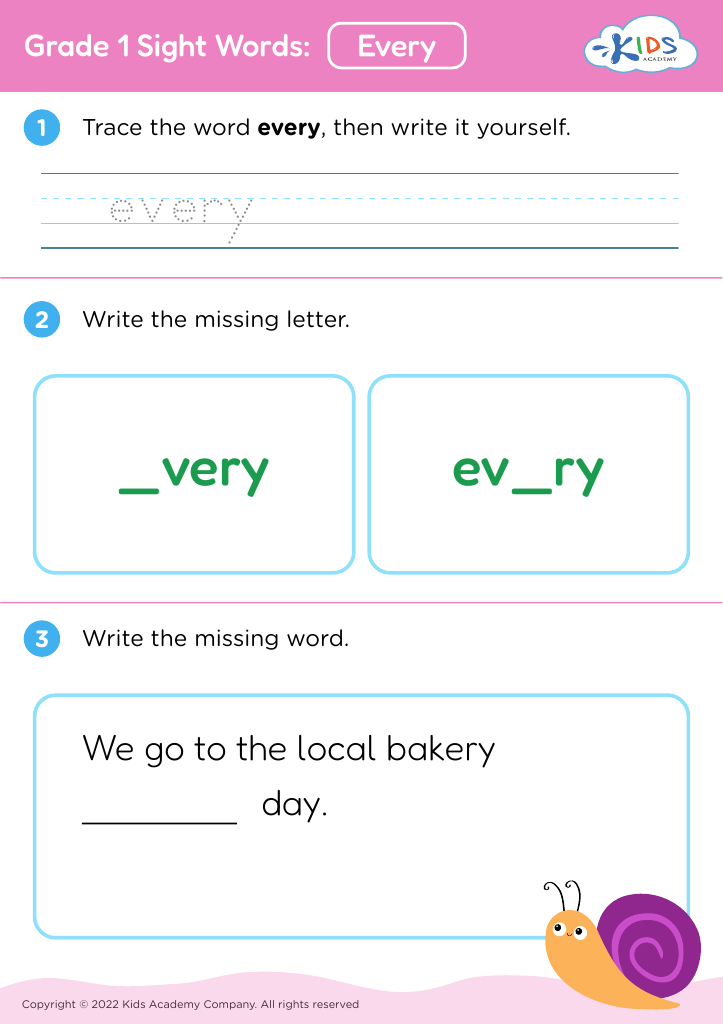
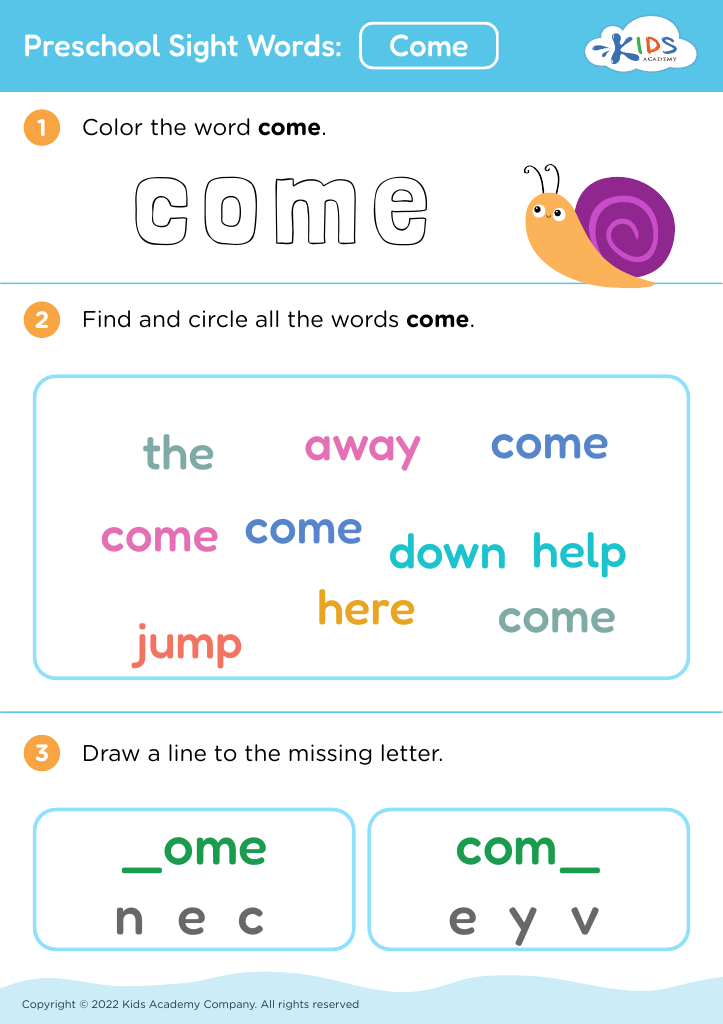
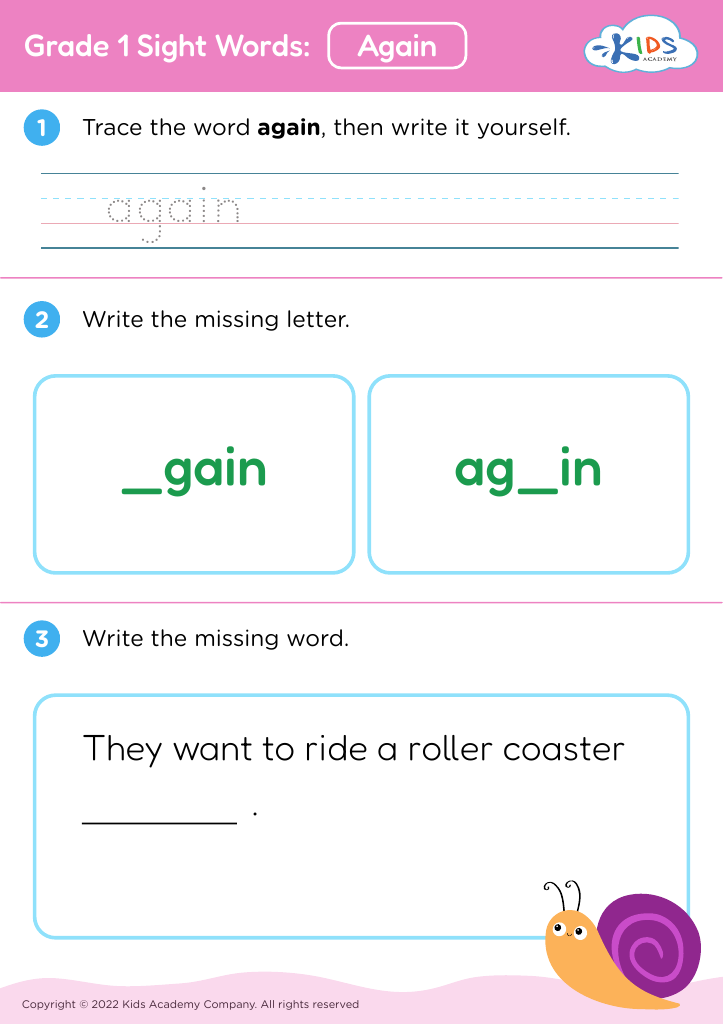
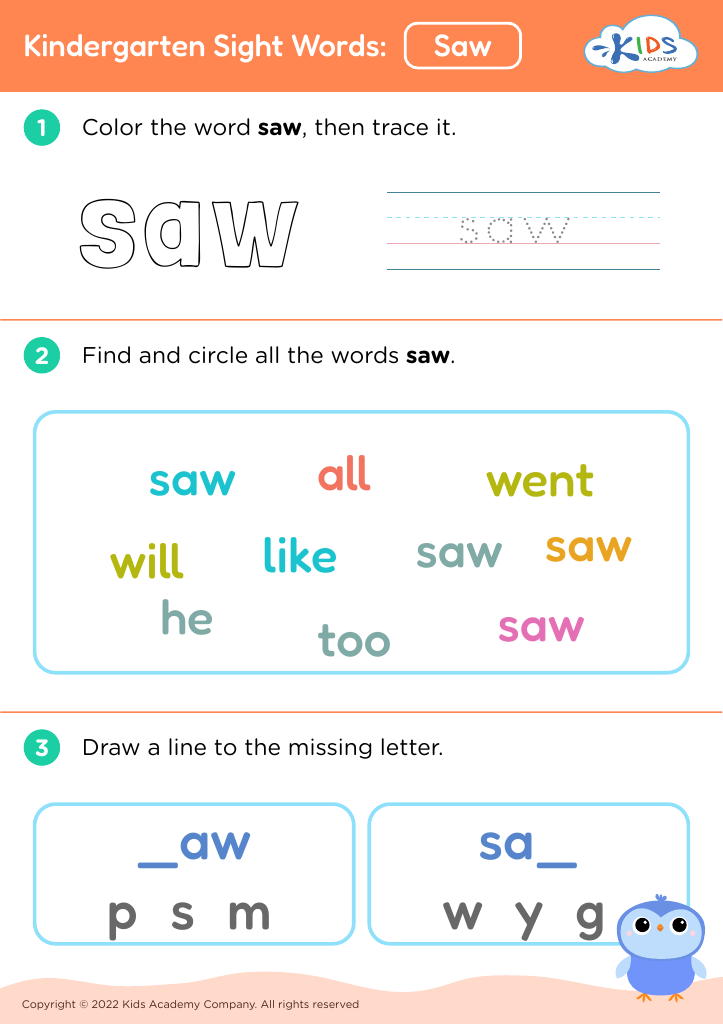
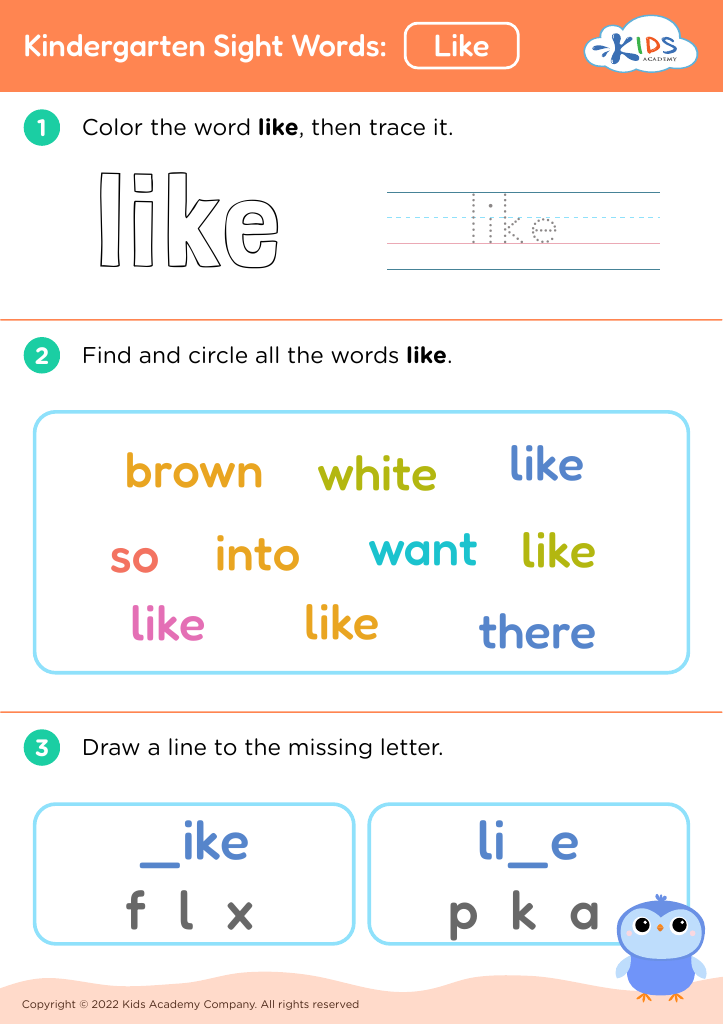
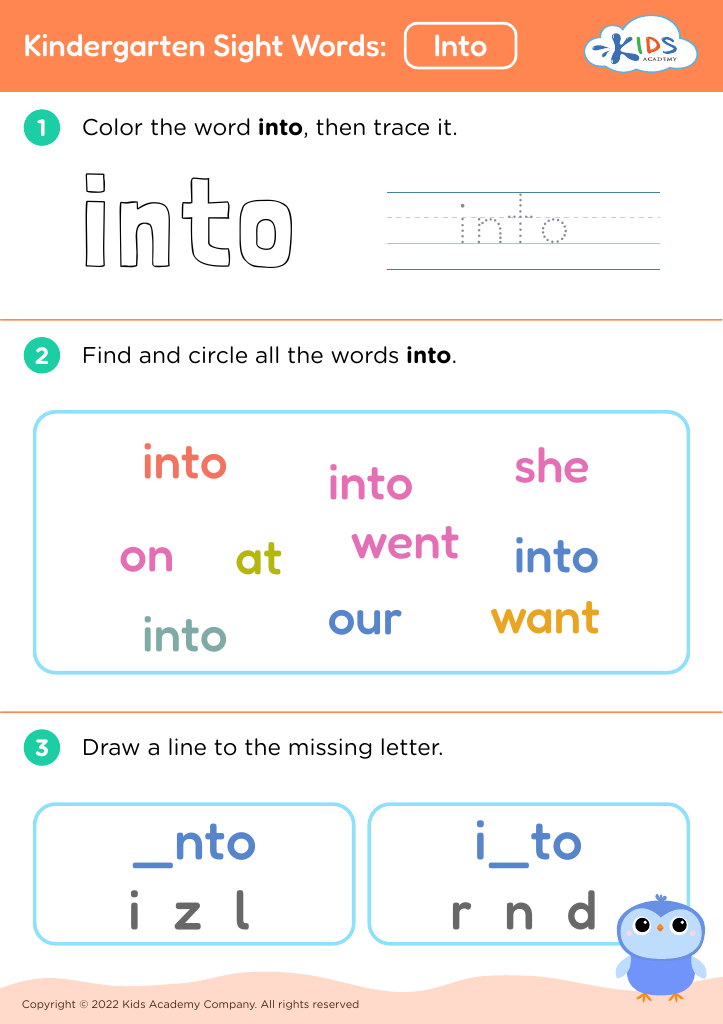
Dive into fun learning with our "Identifying Shapes Sight Words Worksheets" designed for children ages 5-9! These interactive worksheets help young learners recognize common geometric shapes while building essential sight word vocabulary. Each worksheet offers engaging activities that blend shape identification with reading practice, making learning enjoyable and effective. Perfect for classroom use or at-home education, these resources support developmental skills while sparking creativity. Encourage your child's love for shapes and words with visually appealing designs and clear instructions. Begin your child's journey to literacy and shape recognition today! Access our printable worksheets and watch their skills flourish.




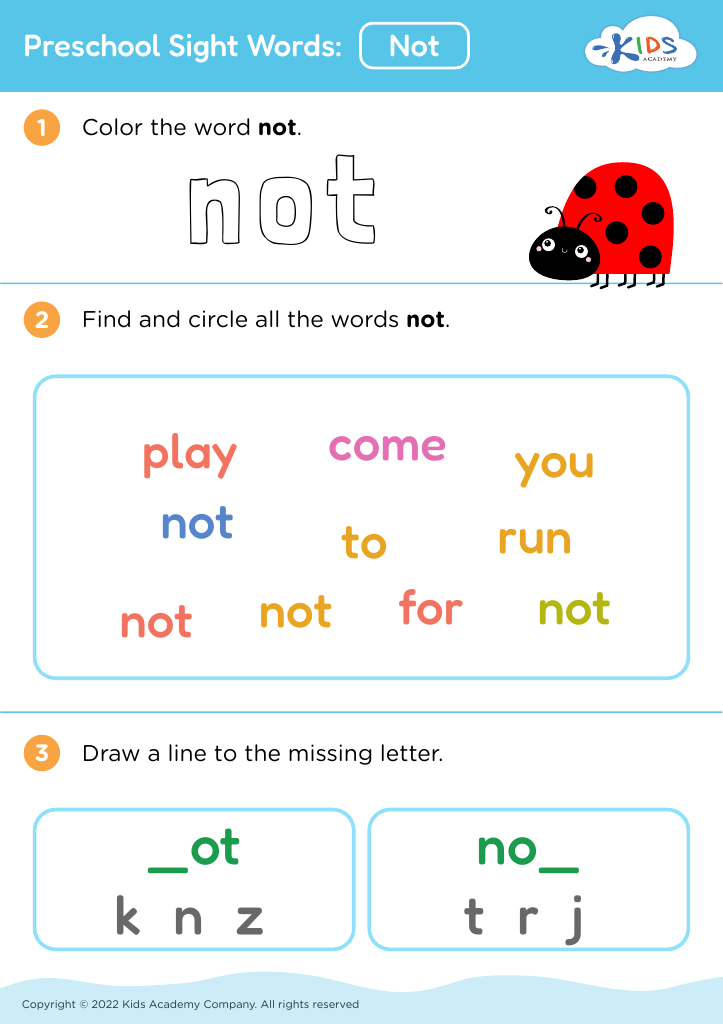








Identifying shapes and sight words is essential for children's early development, particularly for those aged 5-9. For young learners, shape recognition and comprehension form the foundation for critical thinking and problem-solving skills. Understanding shapes aids in spatial awareness, essential for tasks such as building, drawing, and even reading maps. It helps children make connections in mathematics, as many geometrical concepts stem from recognizing and distinguishing various shapes.
Sight words, on the other hand, ensure that children gain confidence and proficiency in reading. These are high-frequency words often not phonetically decodable, such as "the," "and," or "is." Familiarity with sight words allows children to read more fluently, improving their overall comprehension and enjoyment of literacy activities.
Both shape identification and sight word recognition engage children in active learning, fostering cognitive and language development. Moreover, they enhance communication skills, supporting better academic performance and encouraging a lifelong love for learning. Parents and teachers should prioritize these skills because they play a pivotal role in building a solid educational foundation, instilling a sense of achievement and motivation for lifelong learning journeys. Investing time in these areas prepares children for future academic success and boosts their confidence along the way.