Improve math skills Sight Words Worksheets for Ages 5-9
3 filtered results
-
From - To
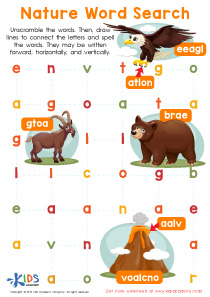
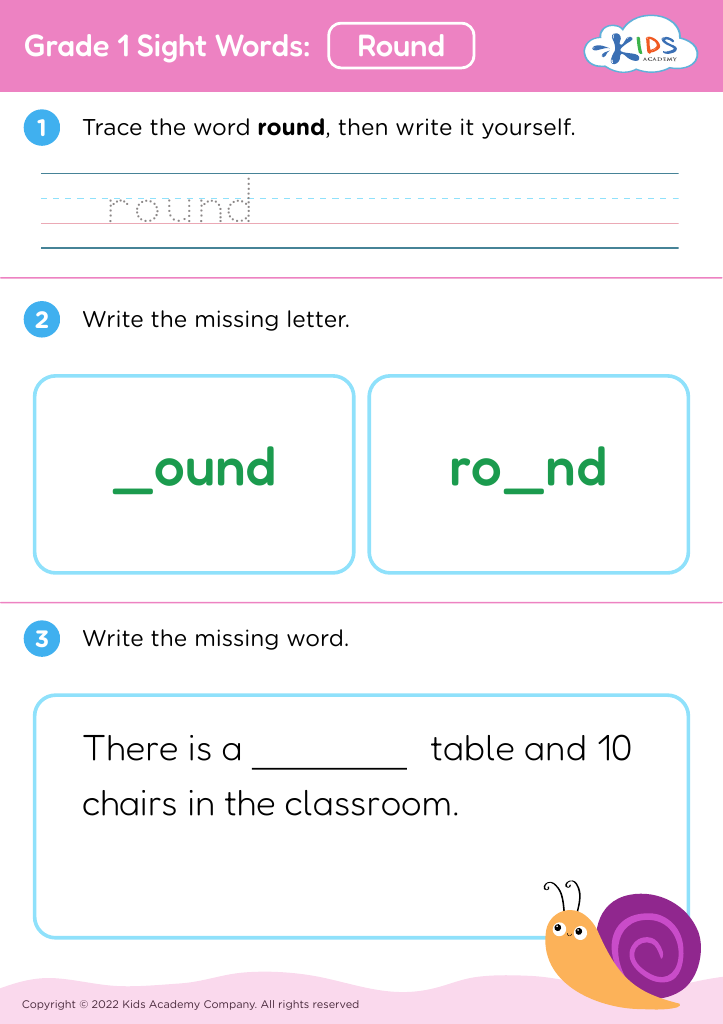
Unlock your child's potential with our "Improve Math Skills Sight Words Worksheets" for ages 5-9. These expertly crafted, engaging worksheets combine essential sight words with fun math problems, providing a dual learning experience. Kids will enhance their reading capabilities while simultaneously boosting their math skills, ensuring a well-rounded education. Our worksheets are designed to cater to different learning styles, making math and reading fun and accessible. Perfect for classroom enrichment or at-home practice, these worksheets support educational growth in essential early learning years. Equip your child with the tools they need to succeed both in reading and math!







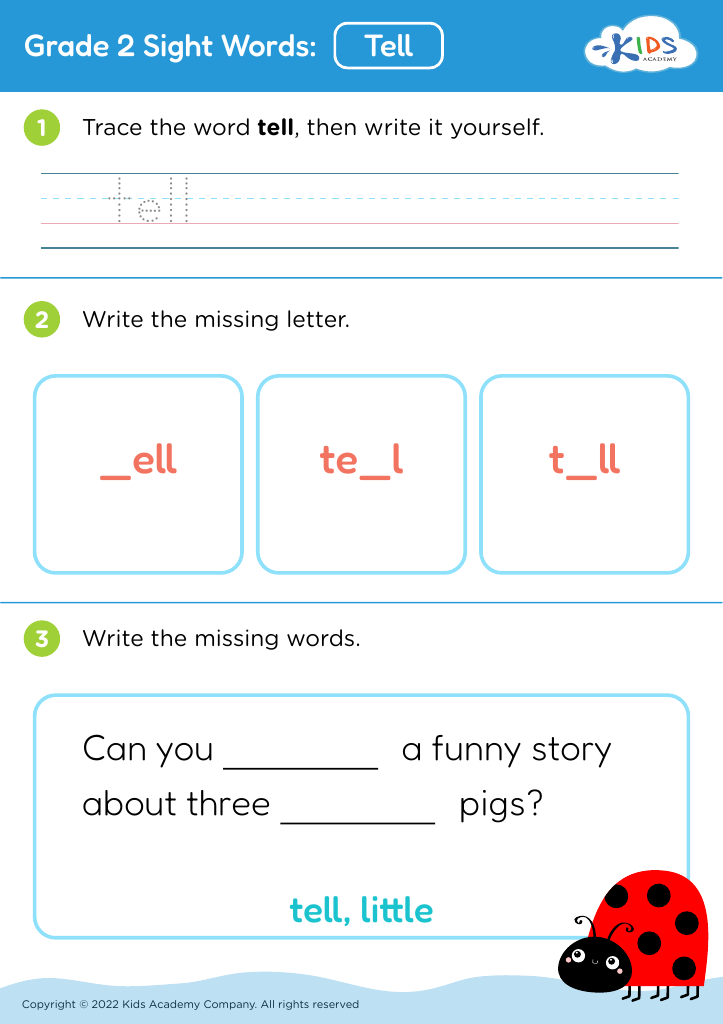
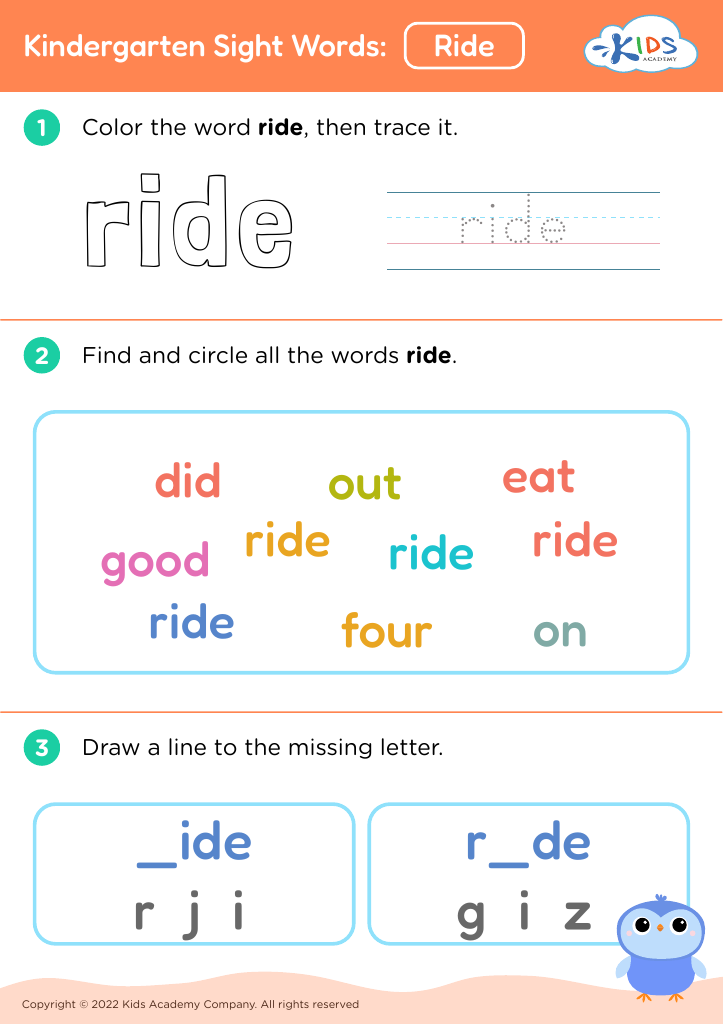








Improving math skills and mastering sight words at an early age (5-9 years) are foundational steps in a child’s educational development. Parents and teachers should prioritize these areas because they provide critical building blocks for future learning and life skills.
Firstly, math skills are essential for logical reasoning, problem-solving, and the ability to think in an organized way. Early exposure to math helps children understand numbers, shapes, and patterns, which strengthens cognitive abilities applicable in daily life. This early foundation paves the way for more complex mathematical concepts encountered in higher grades.
Sight words, which are commonly encountered in reading and writing, help young learners gain fluency in reading. Because sight words often cannot be easily decoded through phonics, recognizing them by sight speeds up reading comprehension. This proficiency allows children to focus on understanding content rather than decoding each word, thereby improving overall literacy. Literacy, similar to numeracy, influences all other areas of education, from social studies to science.
Both strong math skills and fluency in sight words increase a child's self-confidence and engagement in school, making learning more enjoyable and effective. For these reasons, supporting children in mastering these foundational skills not only benefits their academic growth but also sets them up for lifelong success.