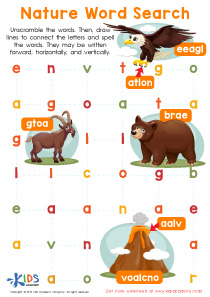
Logical thinking Sight Words Worksheets for Ages 5-9
3 filtered results
Difficulty Level
Grade
Age
-
From - To
Subject
Activity
Standards
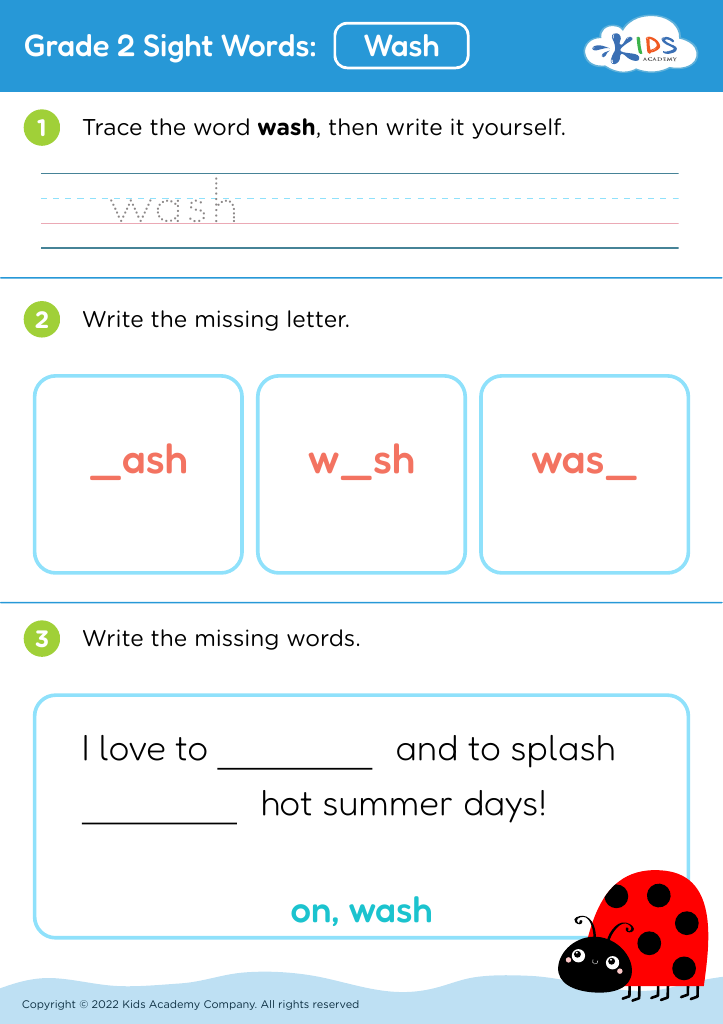
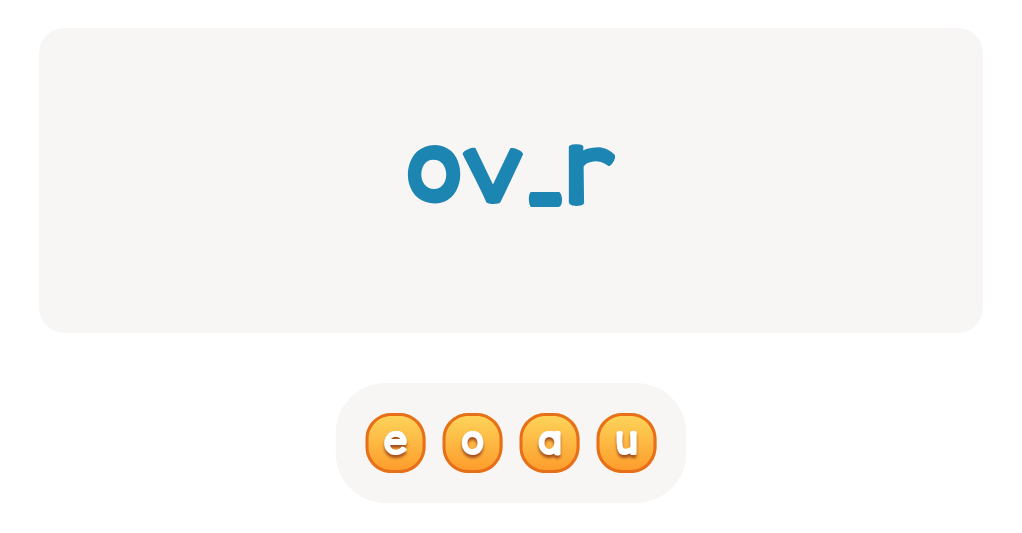
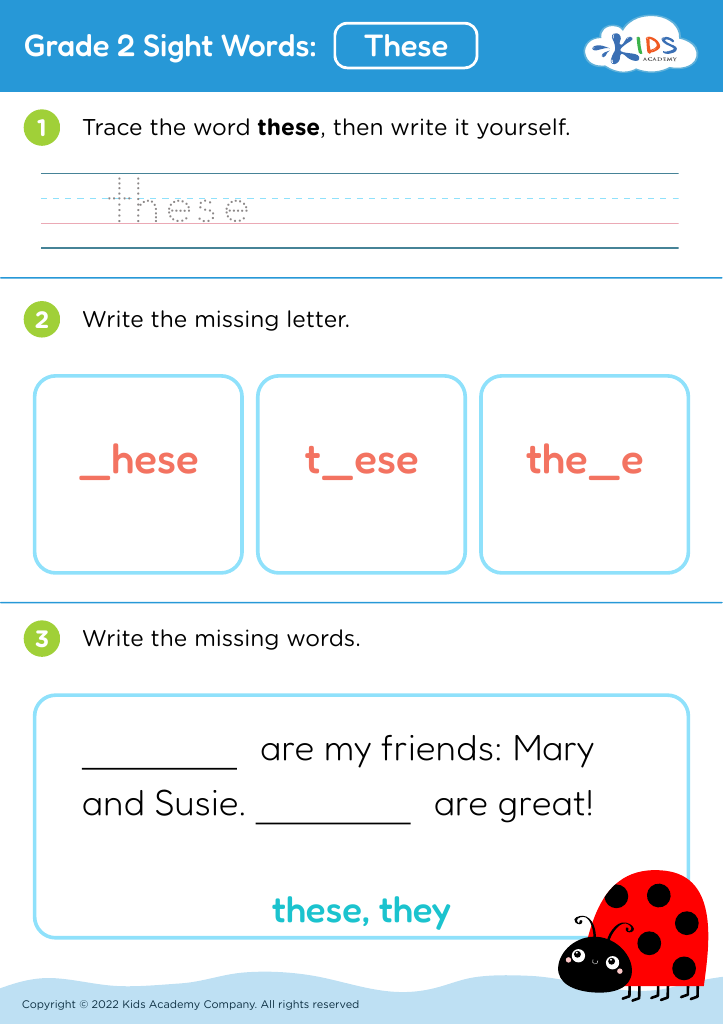
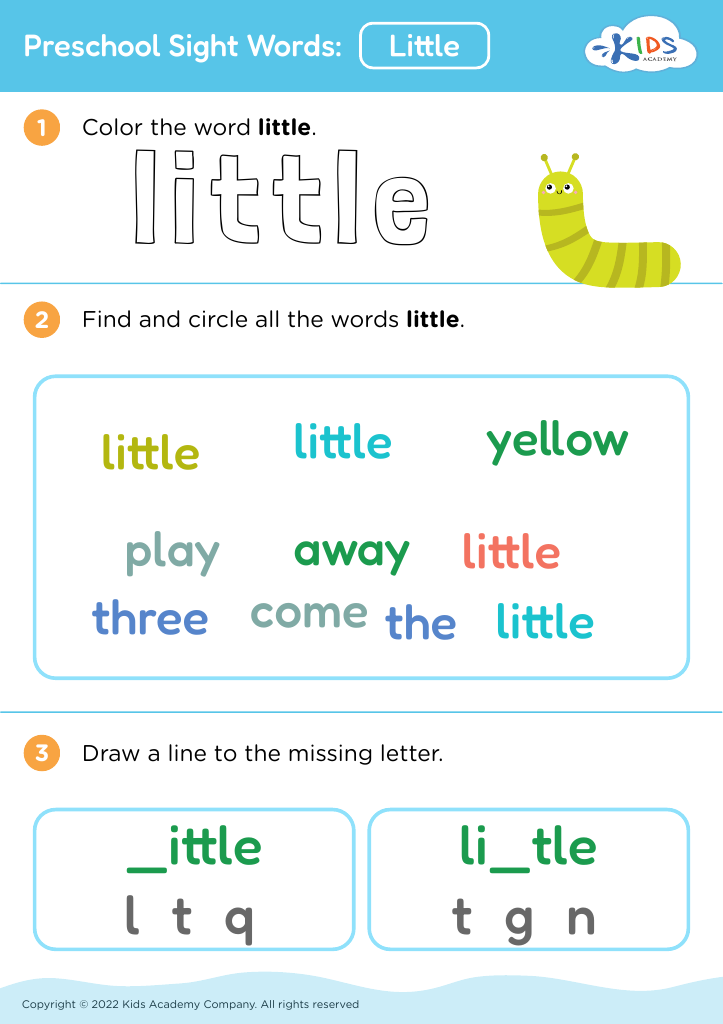
Boost your child's reading and reasoning skills with our Logical Thinking Sight Words Worksheets for ages 5-9! These engaging worksheets combine essential sight word practice with critical thinking exercises, designed to enhance young learners’ cognitive abilities. As children ready themselves for a lifetime of learning, these resources stimulate their logical reasoning, problem-solving skills, and familiarity with important sight words. Perfect for both classroom and home use, our worksheets promote a fun and interactive approach to reading. Encourage your child’s language development and logical thinking today with our thoughtfully created materials! Explore this collection to make learning enjoyable and productive!
Favorites
With answer key
Interactive






Join Kids Academy for Free
Who is primarily going to use this learning content?


.jpg)





Logical thinking and sight words are crucial components in the educational development of children aged 5-9. Engaging in logical thinking activities helps young learners develop problem-solving skills and critical thinking abilities. For parents and teachers, fostering logical reasoning encourages children to analyze information, make connections, and understand the cause-and-effect relationships present in their environment, which enhances their overall cognitive abilities.
Sight words, on the other hand, are foundational for reading fluency. These are commonly used words that children should recognize by sight, enabling them to read sentences smoothly and comprehend texts more effectively. When children master sight words, they spend less time decoding and more time focusing on the meaning of what they read, which is essential for building a positive attitude towards reading and literacy.
Combining logical thinking exercises with sight word recognition creates a rich learning atmosphere. Children learn to apply reasoning skills in real-life contexts while simultaneously developing essential literacy skills. This dual focus not only supports their immediate academic growth but also lays the groundwork for future learning. Ultimately, incorporating these elements into educational practices nurtures well-rounded, capable learners equipped for success in both school and everyday life.