Numerical problem solving Sight Words Worksheets for Ages 5-9
3 filtered results
-
From - To
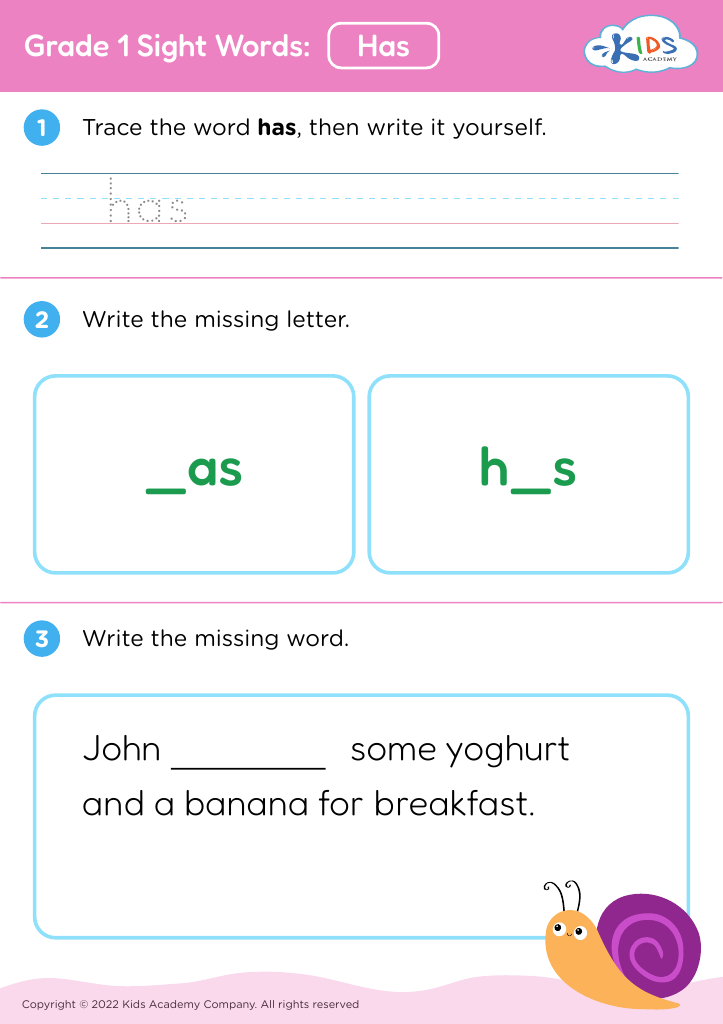
Enhance your child's early learning journey with our "Numerical Problem Solving Sight Words Worksheets for Ages 5-9". Tailored to foster both literacy and math skills, these engaging worksheets merge essential sight words with numerical problem-solving exercises. Each activity is designed to captivate young learners, making learning both fun and effective. Boost your child's confidence as they explore a blend of reading and math challenges, promoting critical thinking and problem-solving abilities. Perfect for classroom use or at-home practice, our worksheets act as a foundational step in developing proficient readers and sharp thinkers for future academic success.







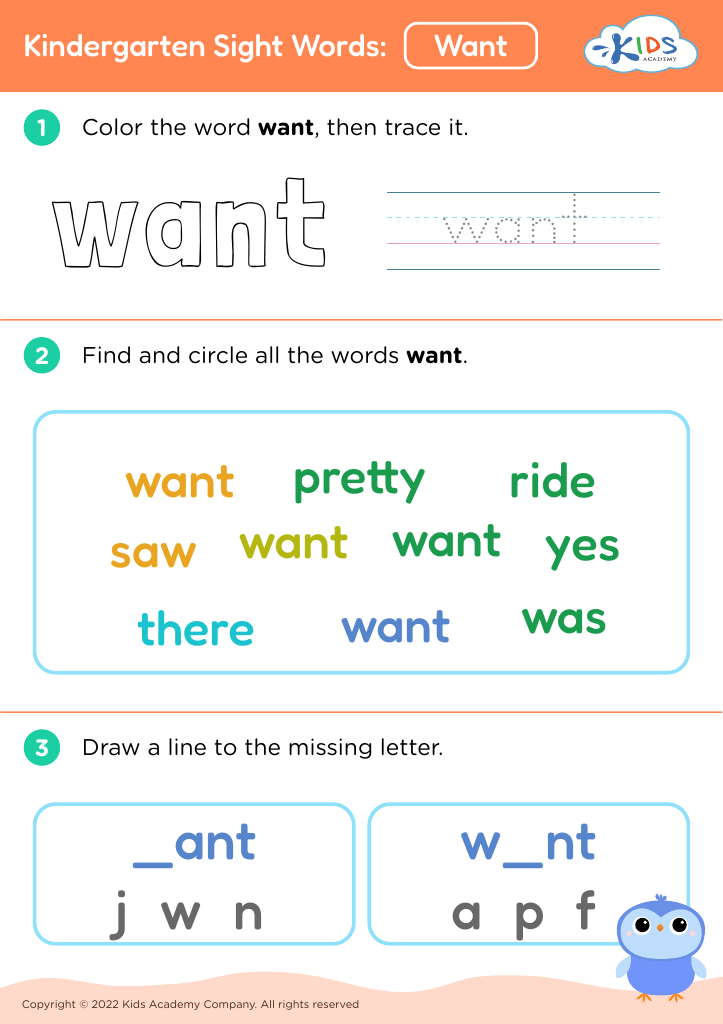
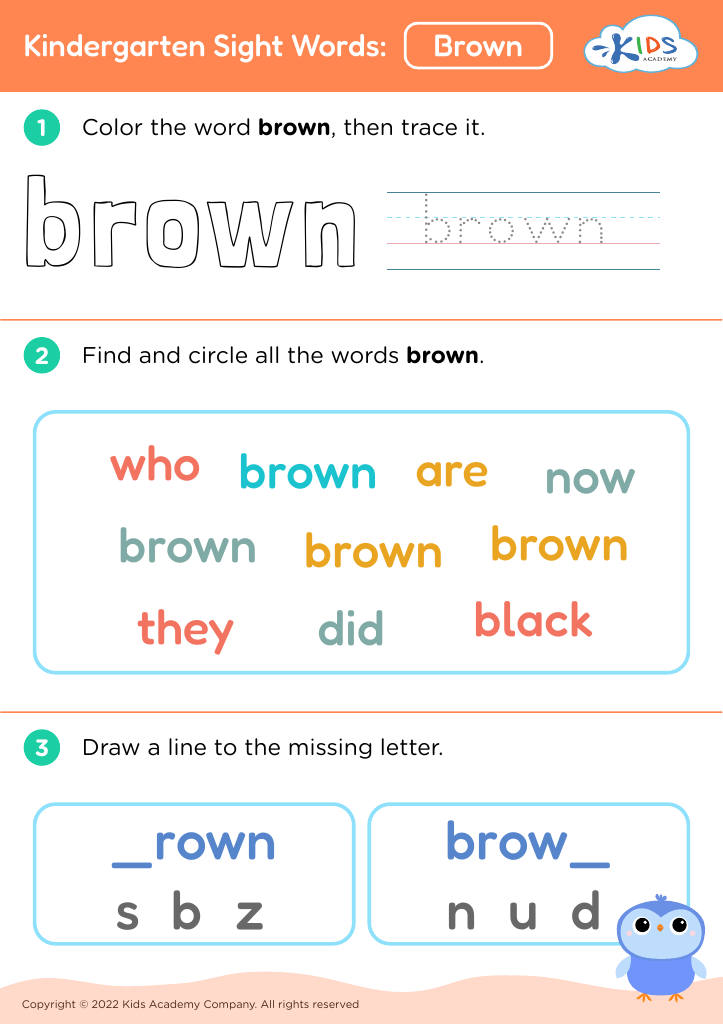








Numerical problem solving skills and sight words play a foundational role in the cognitive and linguistic development of children ages 5-9, shaping their future academic success. Developing strong numerical problem solving skills at a young age is crucial for children as it promotes logical reasoning, enhances problem-solving abilities, and builds a solid understanding of mathematical concepts necessary for more advanced studies. Early proficiency in basic calculations and number sense forms the groundwork for confidence and competence in math, preventing potential learning gaps that could hinder progress in later grades.
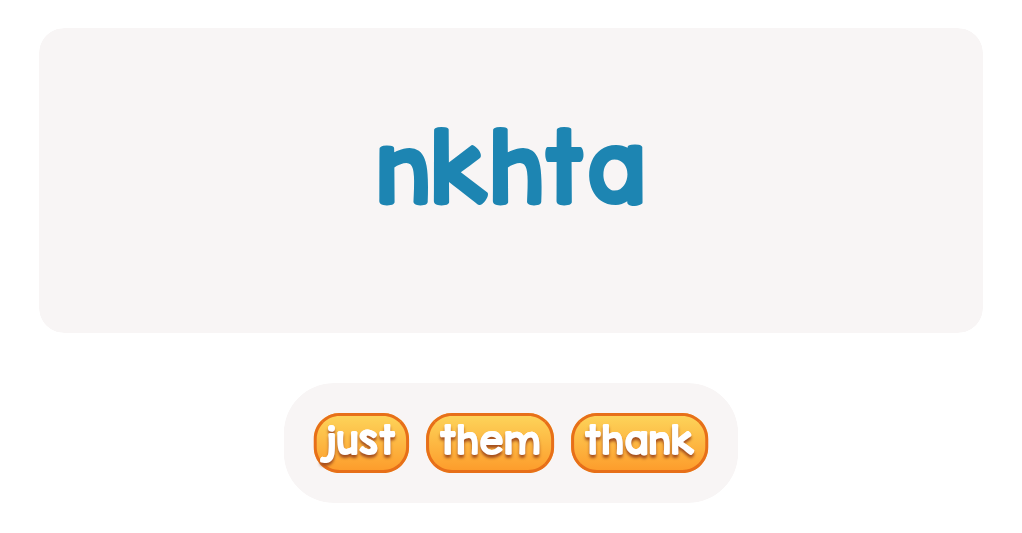
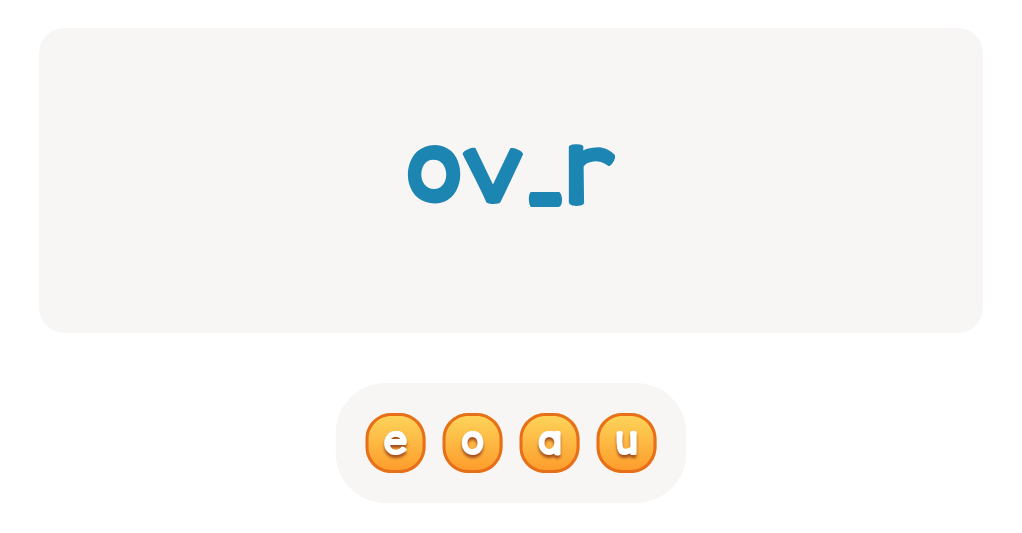
Simultaneously, sight words are high-frequency words that children are encouraged to recognize instantly without having to phonetically decode them. These words often do not follow standard phonetic rules and are essential for achieving reading fluency. Mastery of sight words significantly improves reading speed, comprehension, and overall literacy, allowing children to progress through educational materials more efficiently and engage with more complex texts.
For parents and teachers, prioritizing both numerical problem solving skills and sight word recognition equips children with critical tools for overall academic achievement. An integrated approach fosters children’s confidence in their abilities, reinforcing a positive attitude towards learning and enabling them to tackle diverse challenges in and outside the classroom effectively. This holistic nurturing during the formative years ensures a well-rounded educational foundation.