Recognizing numbers Sight Words Worksheets for Ages 5-9
3 filtered results
-
From - To
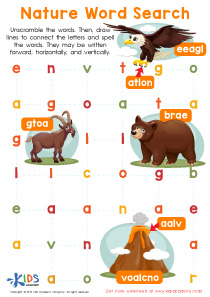
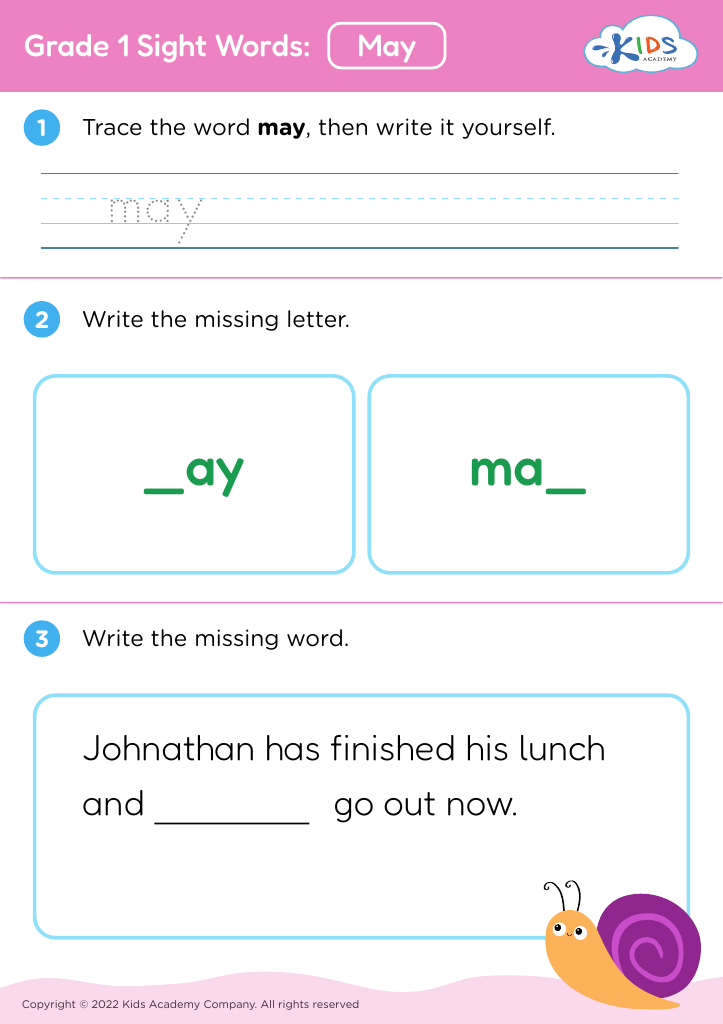
Introduce your child to the joy of learning numbers with our "Recognizing Numbers Sight Words Worksheets for Ages 5-9." Designed to blend education with fun, these worksheets help young learners recognize and read number words effortlessly. Engaging activities and vibrant illustrations ensure that children stay interested and motivated. Whether they’re counting objects, matching numbers to words, or solving puzzles, each worksheet is crafted to build confidence and reinforce foundational math skills. Perfect for homeschooling or supplemental practice, these worksheets foster a solid understanding of number names in young learners. Access now and watch your child's numeracy skills flourish!




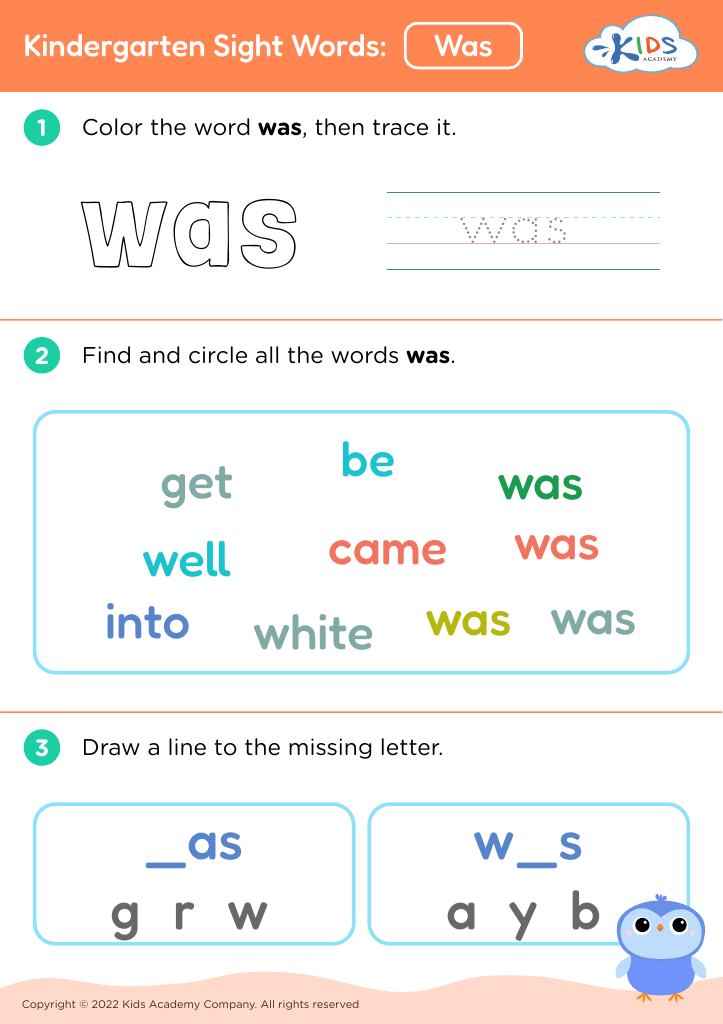








Recognizing number sight words is crucial for children ages 5-9 as it forms the foundation for their mathematical and literacy skills. Number sight words are the written forms of numbers (e.g., one, two, three) and understanding them is essential for various reasons. Firstly, distinguishing these words enhances reading fluency. When children instantly recognize and comprehend number words, they read texts more smoothly, boosting their confidence and interest in reading.
Secondly, familiarity with number words strengthens their mathematical understanding. Knowing the correspondence between the written and numerical forms helps them solve word problems, follow written instructions involving numbers, and perform everyday tasks like telling time or understanding dates. This is crucial in early education, where math skills are primarily developed through simple, number-based activities and games.
Moreover, recognizing number words supports cognitive development by improving memory, spelling, and phonics. It helps children understand that numbers are represented both symbolically (e.g., “2”) and linguistically (e.g., “two”). This dual recognition aids in developing more complex numeracy skills later on.
For parents and teachers, focusing on number sight words ensures that children are not only literate but also numerically competent, prepared for more advanced academic challenges. Investing time in teaching these foundational skills sets children up for long-term academic success.