Understanding fractions Sight Words Worksheets for Ages 5-9 - Page 3
58 filtered results
-
From - To



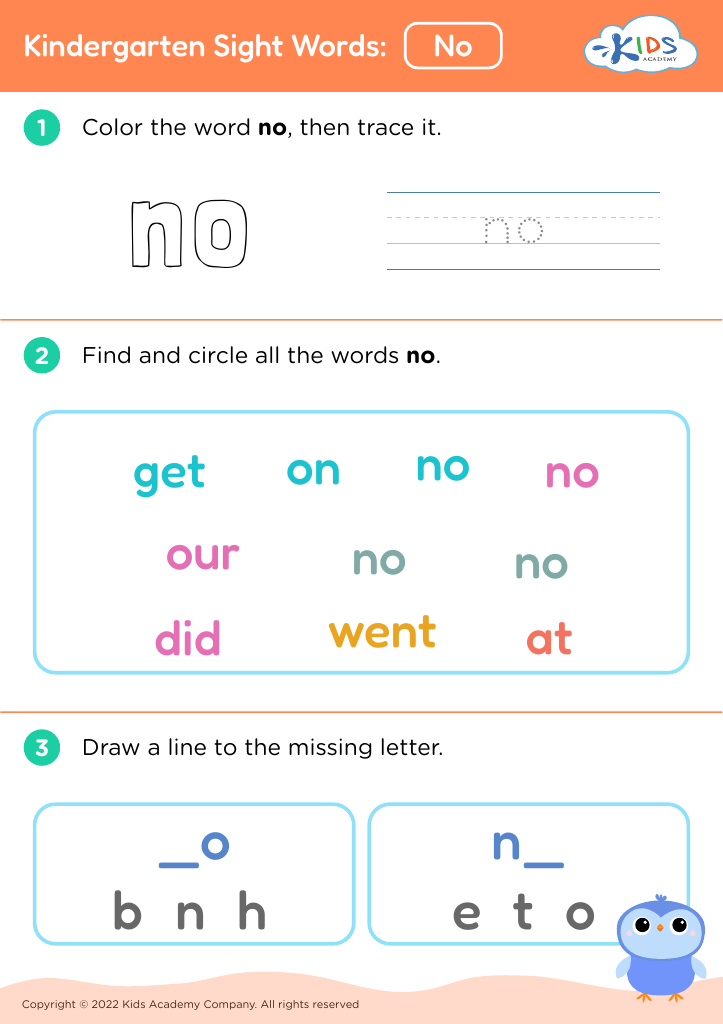
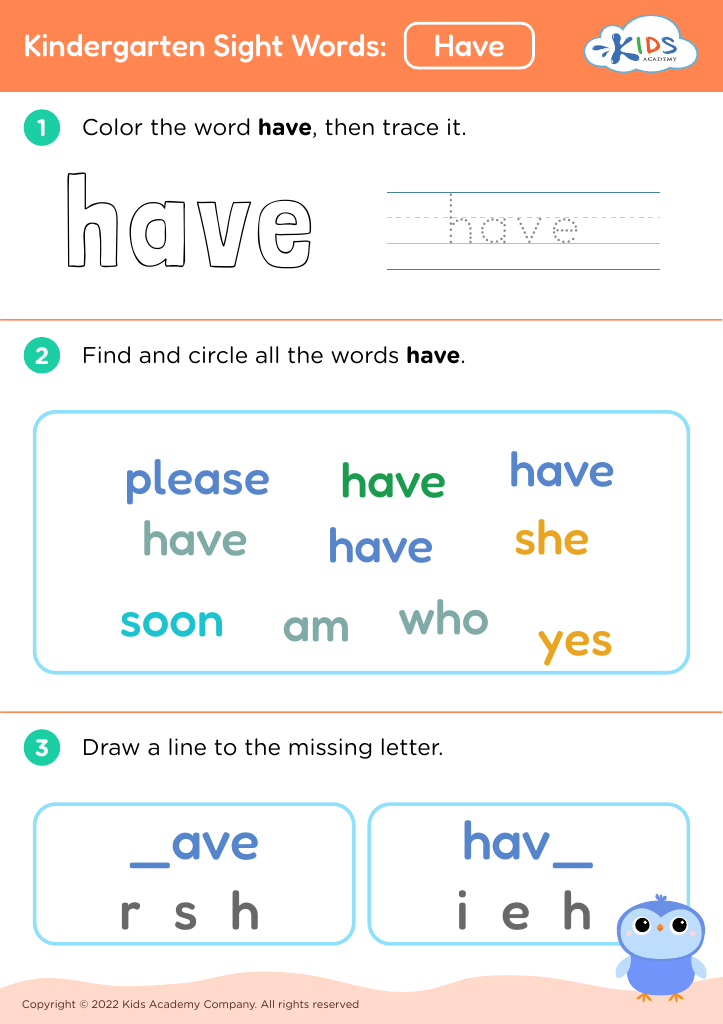
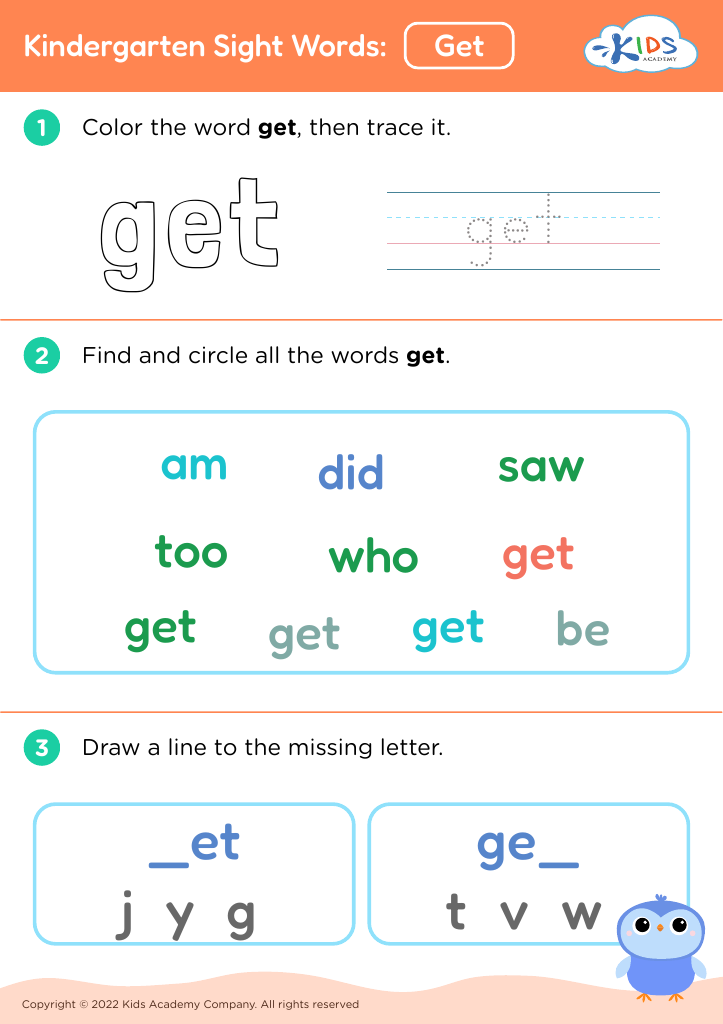
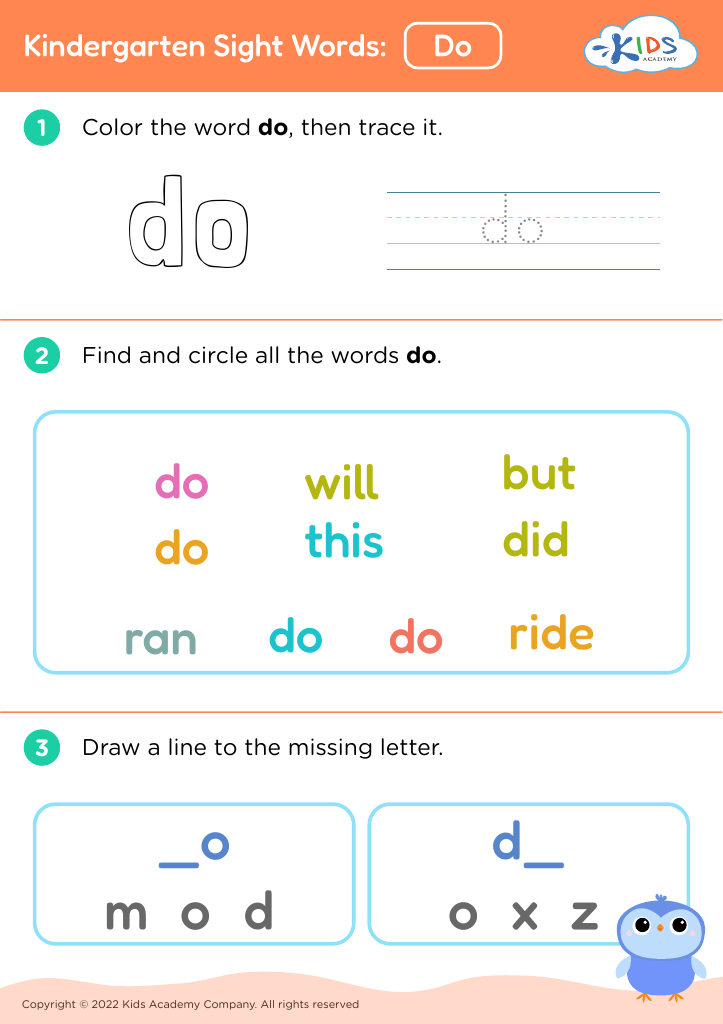
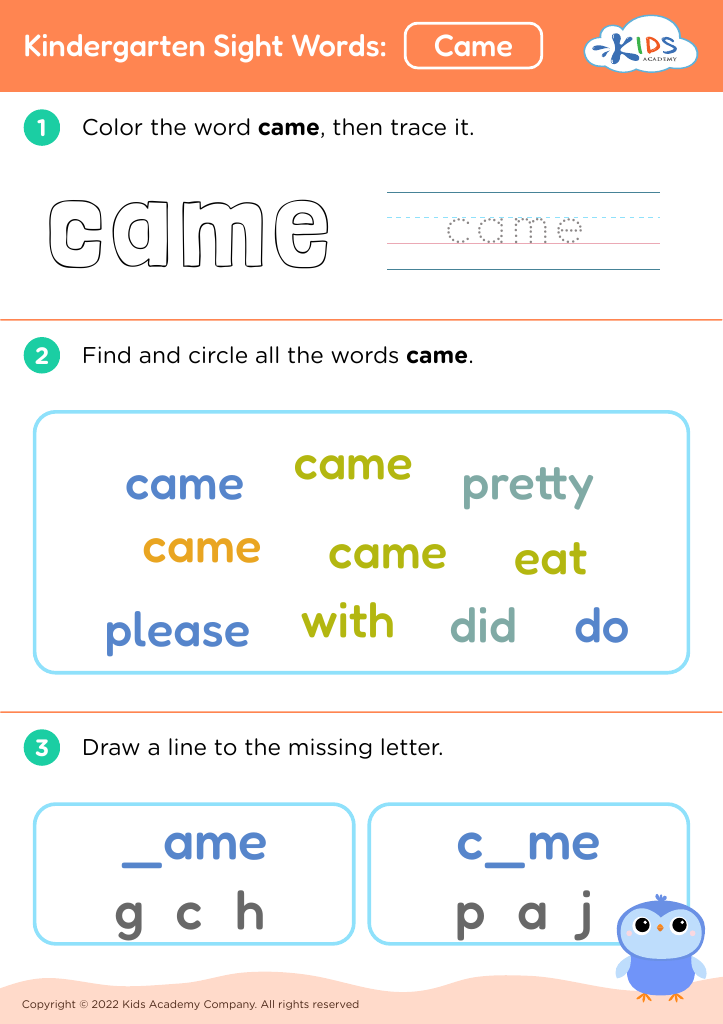
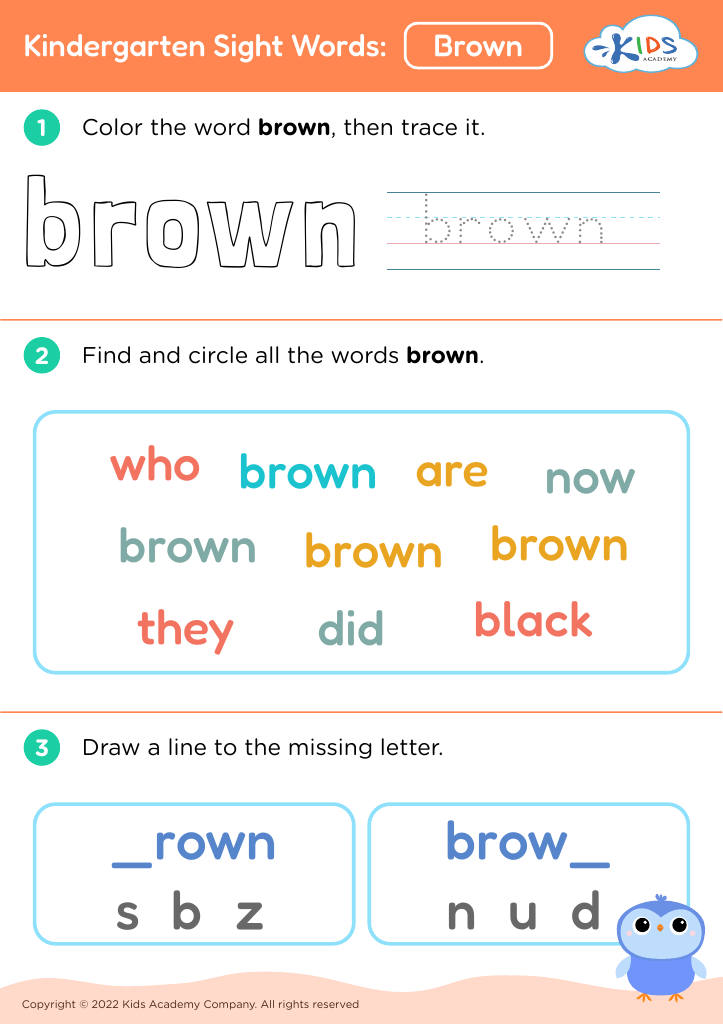
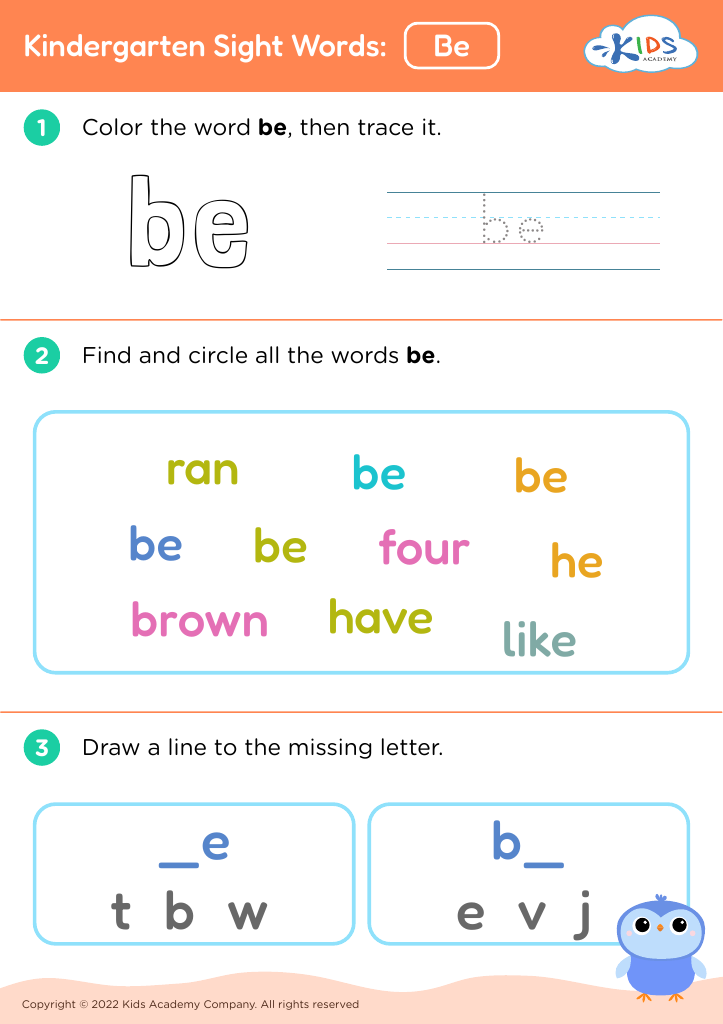
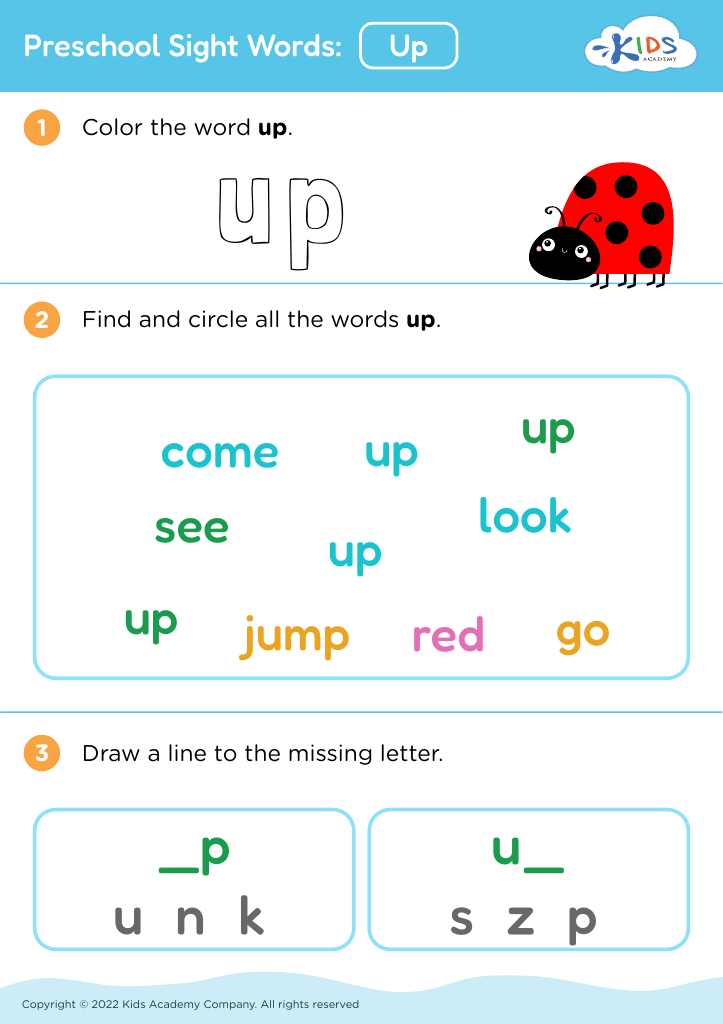
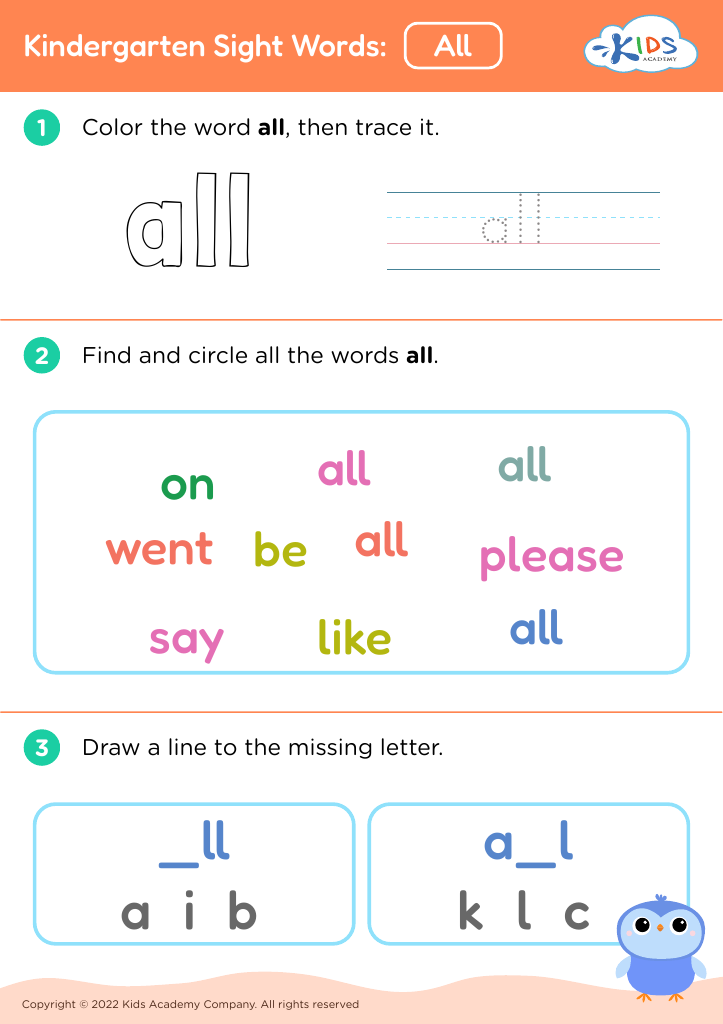








Understanding fractions and sight words is essential for children aged 5-9, as these foundational skills significantly impact their overall literacy and numeracy development. For parents and teachers, fostering a grasp of these concepts can lead to lifelong benefits.
Fractions introduce children to basic math principles, helping them understand parts of a whole, proportional reasoning, and fundamental problem-solving techniques. Mastery of fractions at an early age can bolster a child’s confidence in math, reduce anxiety about the subject, and prepare them for more complex mathematical concepts later in their education.
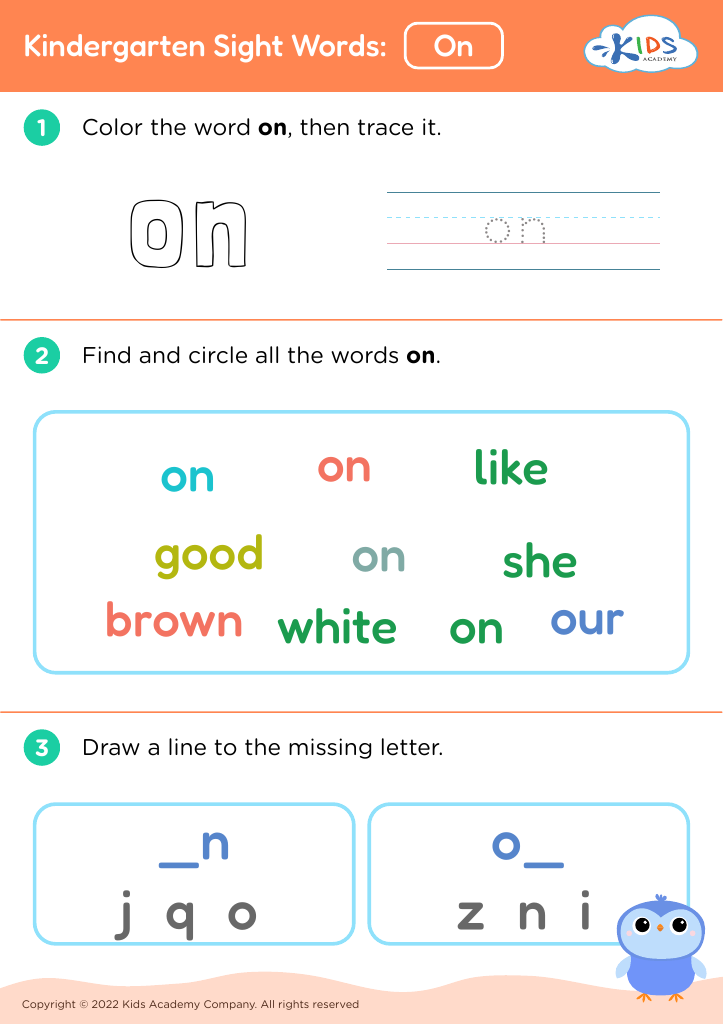
Sight words, on the other hand, are the building blocks of reading. By recognizing high-frequency words without having to sound them out, children can focus on comprehension and fluency. This skill is paramount as it ensures students can navigate text more efficiently, leading to improved reading enjoyment and literacy rates.
Collectively, understanding fractions and sight words helps nurture critical thinking and communication skills, components essential not only for academic success but for real-world functionality. As such, parents and teachers should prioritize these areas, providing engaging resources and supportive environments to cultivate a love for learning.