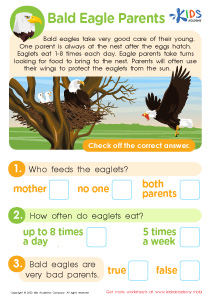
Plant identification Plants Worksheets for Ages 5-9
5 filtered results
-
From - To
Discover the exciting world of plants with our "Plant Identification Worksheets" designed specifically for children ages 5-9! These engaging worksheets help young learners explore various plant types, enhancing their identification skills while fostering a love for nature. Each activity encourages observation, creativity, and critical thinking, making learning about plants fun and interactive. Packed with colorful illustrations and user-friendly exercises, these resources are perfect for both classroom settings and home learning. Watch your child develop a deeper understanding of botany and the environment as they complete these worksheets. Start cultivating your child's curiosity about plants today!
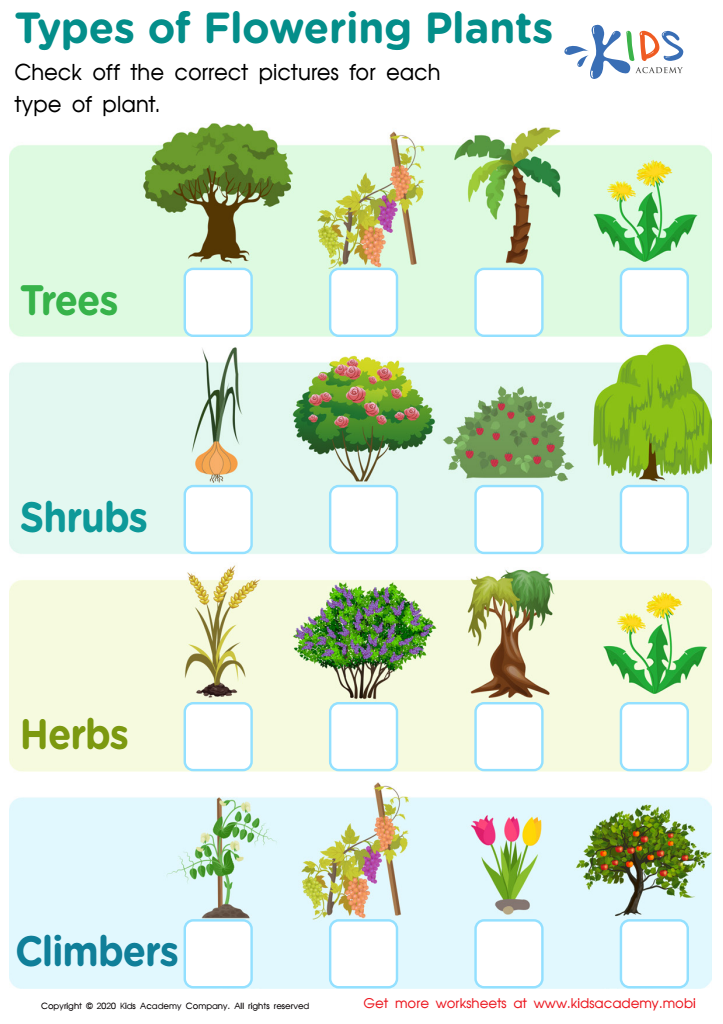
Types of Flowering Plants Worksheet


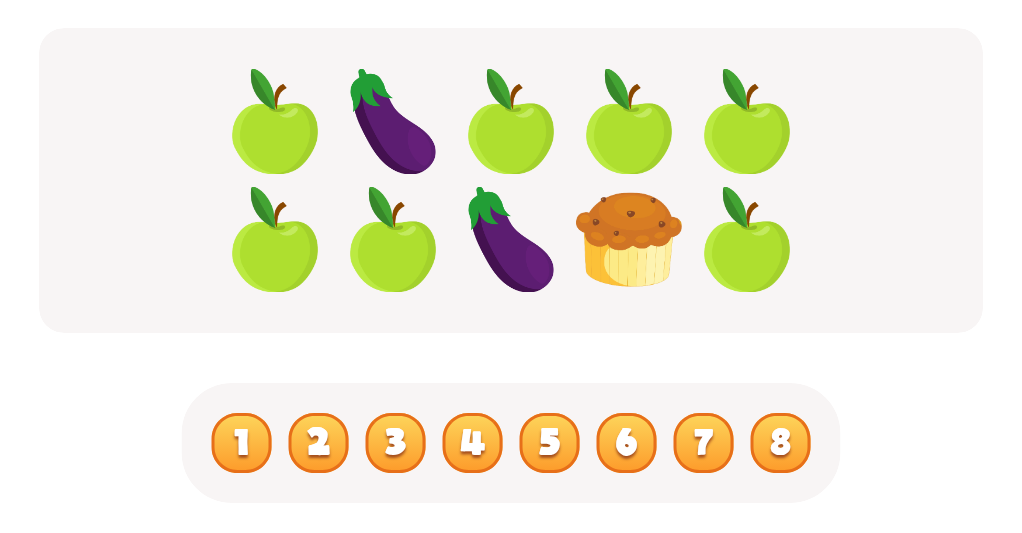
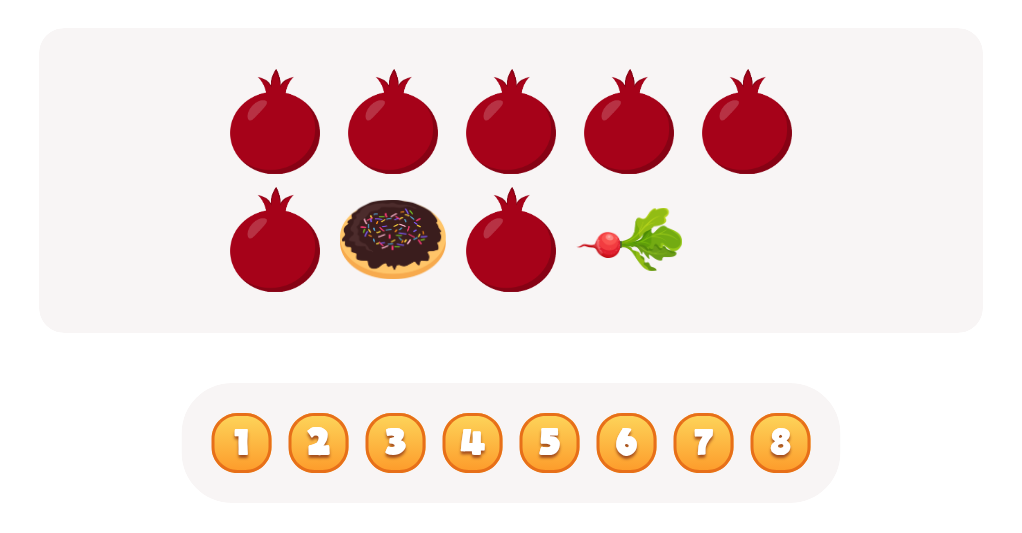


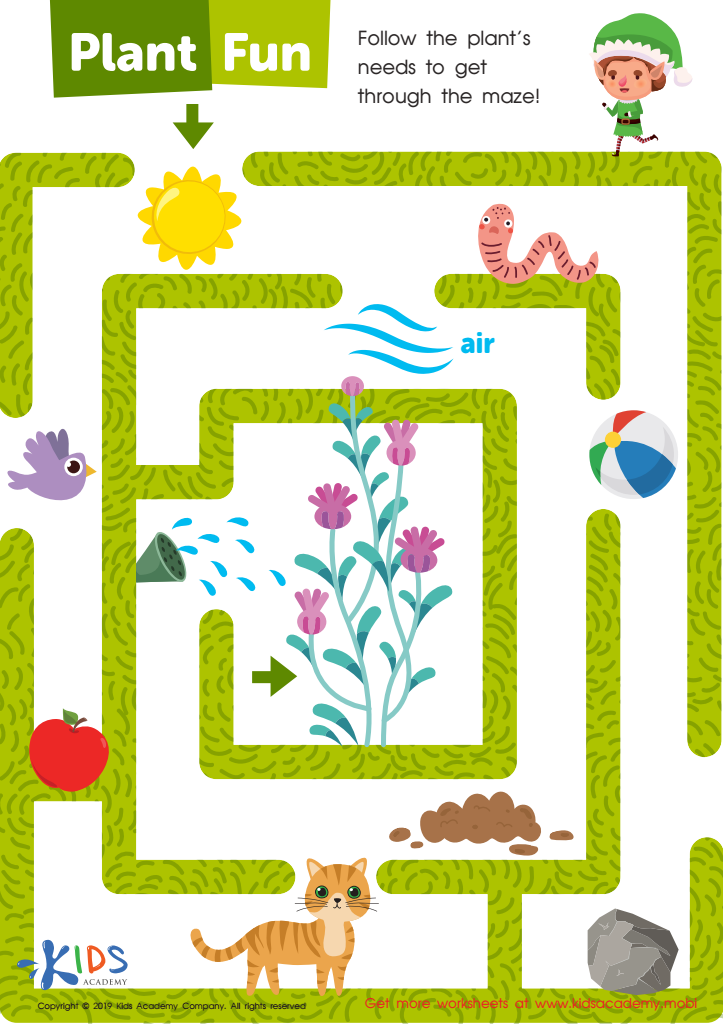
Plant Fun Worksheet
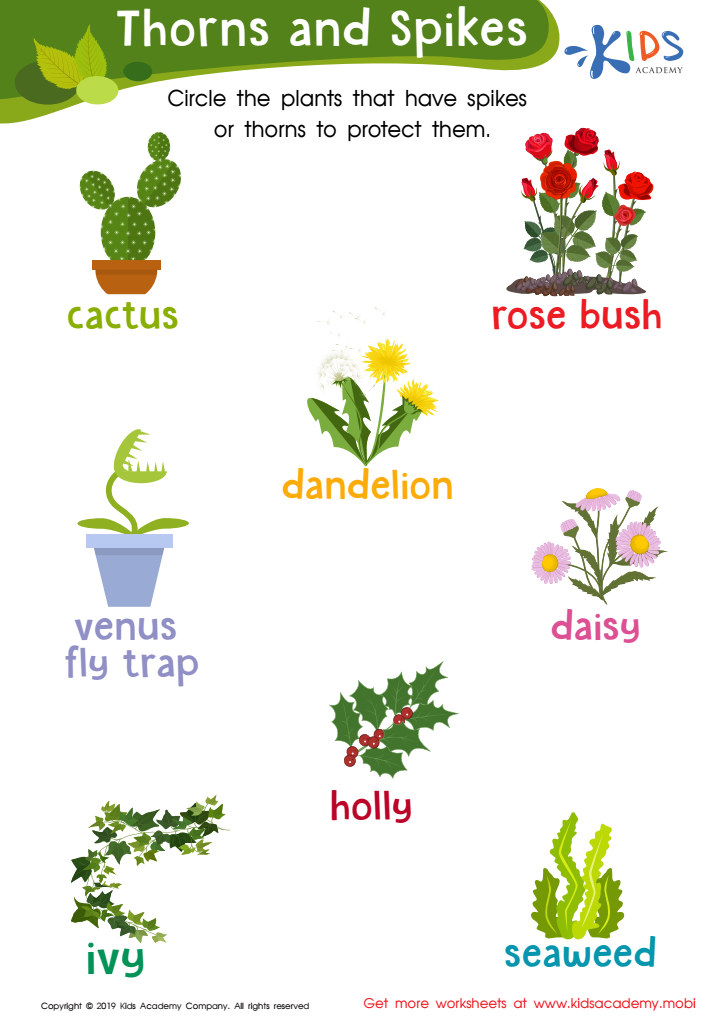
Thorns and Spikes Worksheet
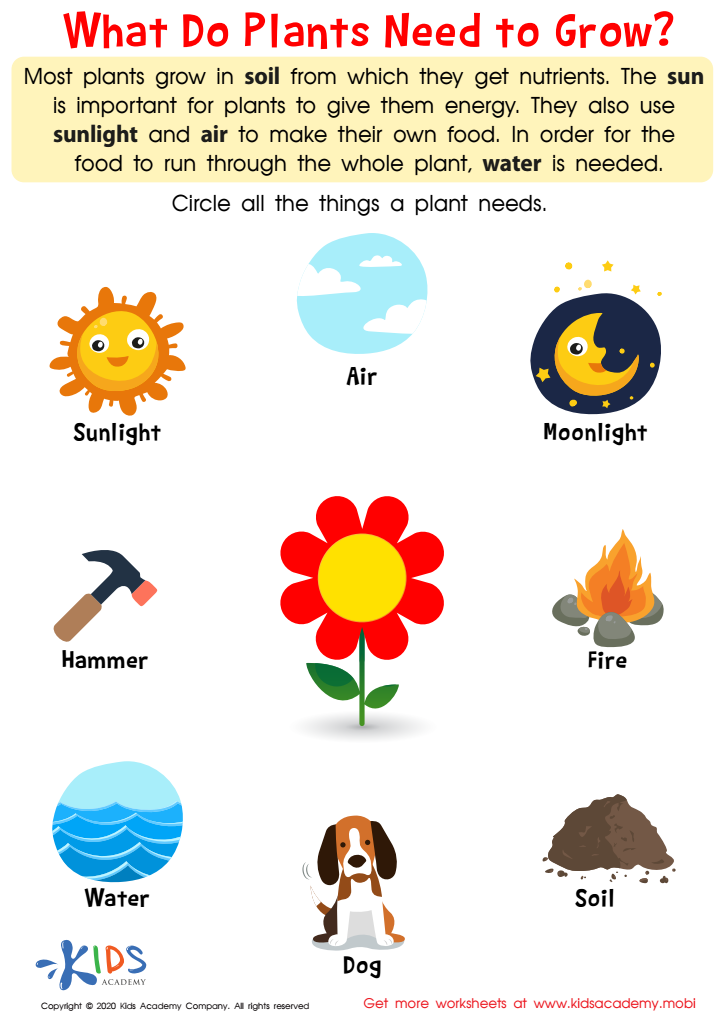
What Do Plants Need to Grow Worksheet
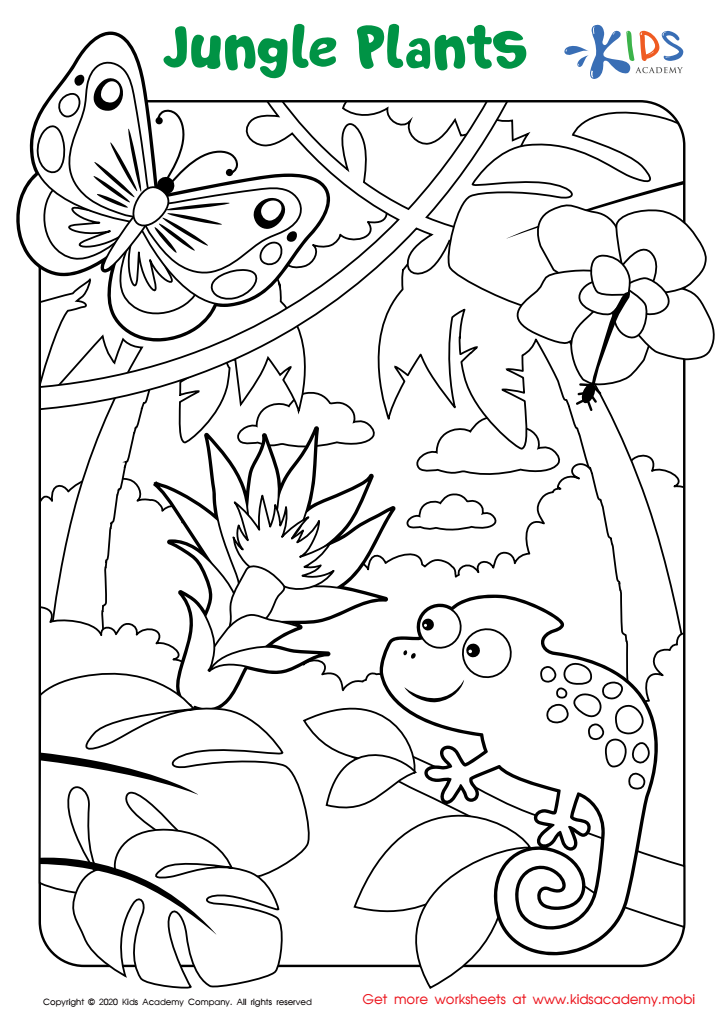
Jungle Plants Worksheet
 Assign to My Students







Plant identification is an essential activity for children ages 5-9, as it fosters curiosity and a connection to nature. By engaging in plant identification, children develop observational skills, learning to notice details about different species, such as their shapes, colors, and habitats. This builds a foundation for scientific reasoning and critical thinking.
Additionally, understanding local flora promotes environmental stewardship. Children learn the importance of biodiversity and ecosystems, empowering them to appreciate and respect the natural world. Knowing about plants also enriches their vocabulary as they acquire terms related to botany, ecology, and their surroundings.
Furthermore, plant identification can enhance sensory experiences. Children can learn to touch, smell, and sometimes taste plants, leading to exciting discoveries about textures, scents, and flavors. This hands-on learning encourages exploration and experimentation, vital components of child development.
In a world increasingly rooted in technology, engaging with nature helps combat issues like screen dependency. It encourages physical activity and provides opportunities for social interaction through group activities, such as gardening or nature walks. By investing in plant identification, parents and teachers are equipping children with lifelong skills, inspiring a respect for nature, and encouraging a healthy, active lifestyle.