Logical thinking Grammar Worksheets for Ages 5-9
4 filtered results
-
From - To
Explore our engaging Logical Thinking Grammar Worksheets specially designed for children aged 5-9! These interactive resources encourage young learners to develop critical thinking skills while mastering essential grammar concepts. Each worksheet is crafted to promote sentence structure, comprehension, and creative expression, making grammar fun and accessible. As kids work through these activities, they'll enhance their ability to analyze information, make connections, and draw conclusions, setting a strong foundation for future academic success. Perfect for teachers and parents alike, our printable worksheets are a great way to support learning at home or in the classroom. Unleash your child's potential today!
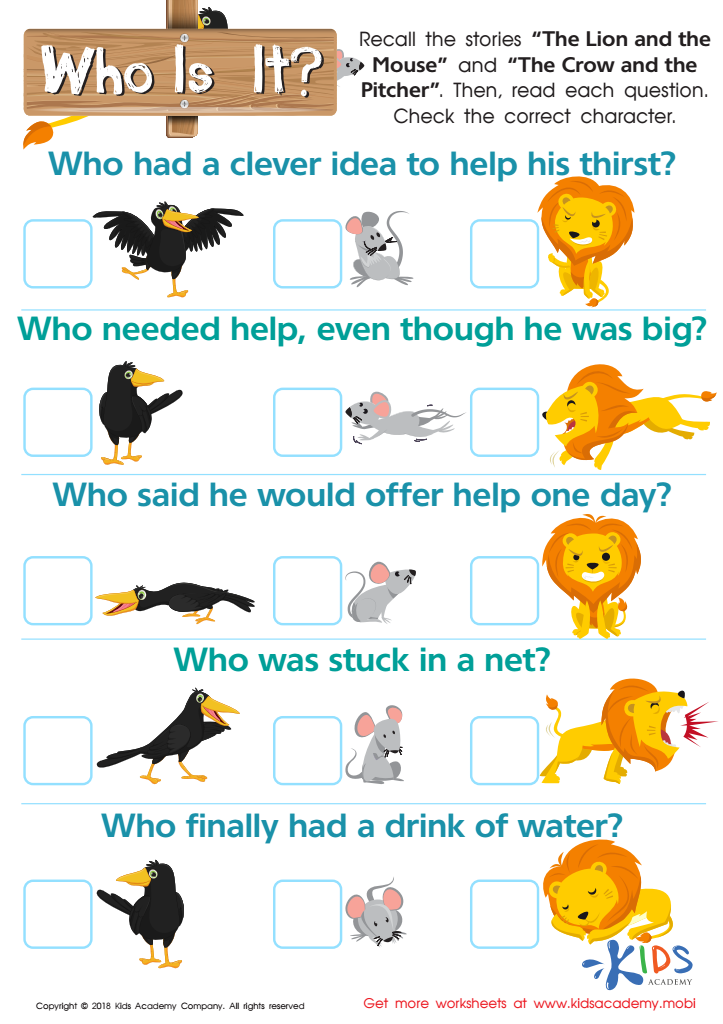
Who Is It? Worksheet
 Assign to My Students
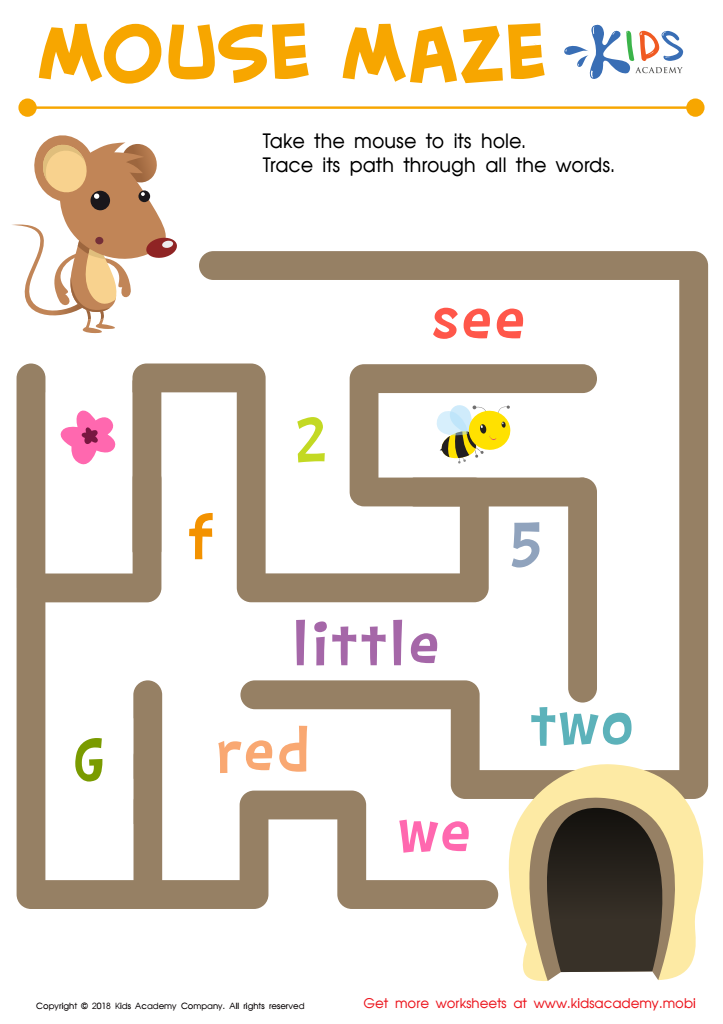
Find Words Mouse Maze Worksheet

Spider Verbs Worksheet
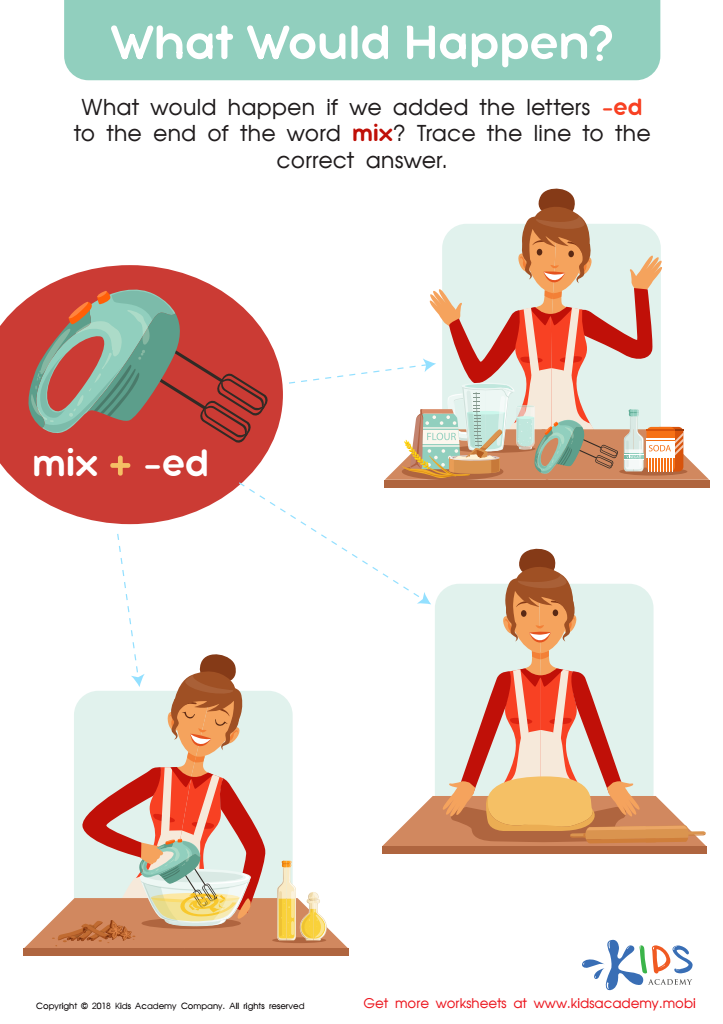
What Would Happen? Worksheet


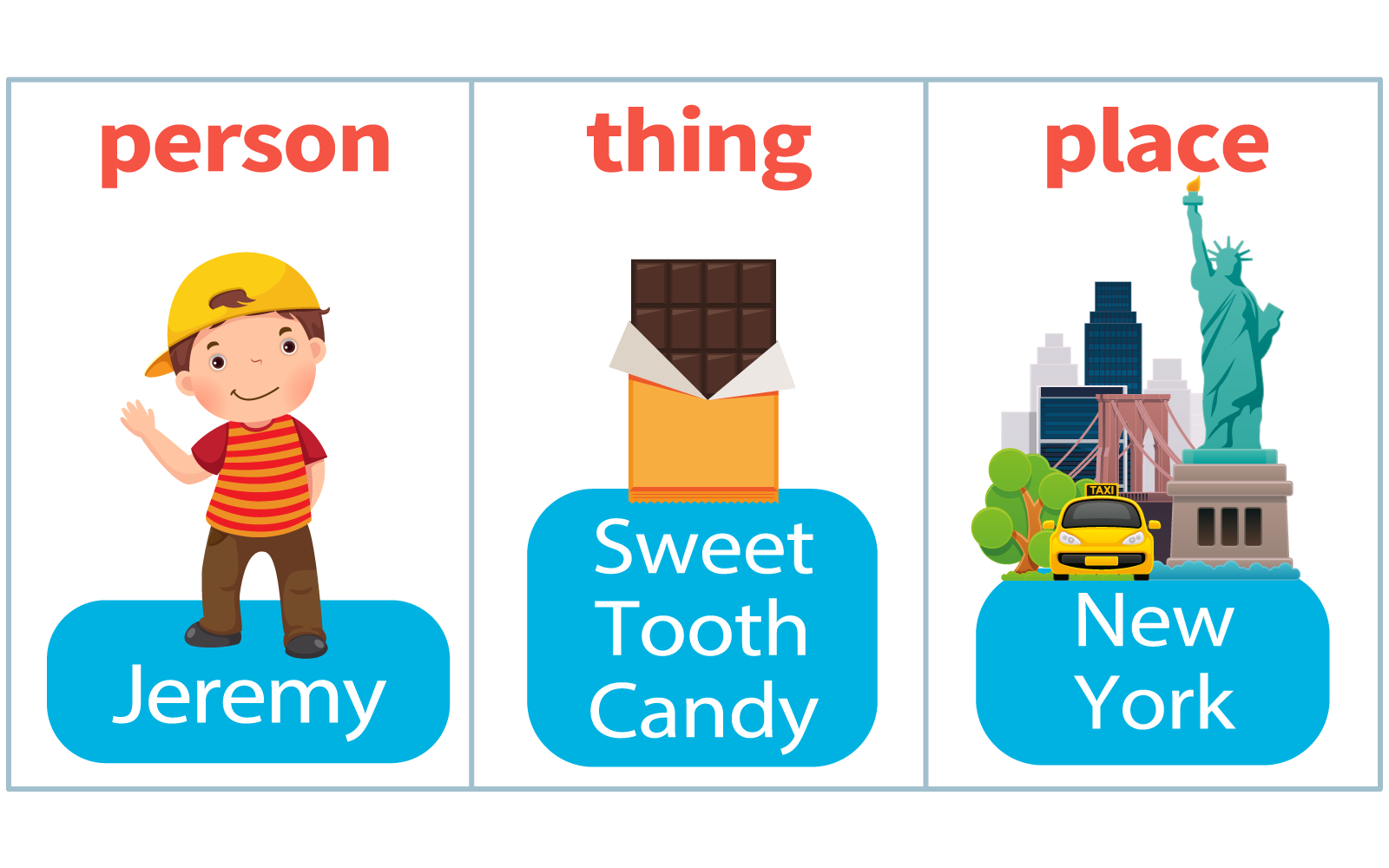





Logical thinking is a crucial cognitive skill that lays the foundation for effective problem-solving and decision-making, especially in young children aged 5-9. Teaching logical thinking grammar helps students organize their thoughts clearly, enhancing both communication and comprehension skills. At this age, children's brains are highly malleable, meaning they can easily grasp complex concepts when introduced in an engaging manner.
Parents and teachers should care about fostering this skill because it supports academic achievement across all subjects, from mathematics to language arts. Logical thinking grammar encourages children to make connections, analyze information, and express themselves coherently, promoting a deeper understanding of the world around them.
Moreover, instilling logical thinking can boost children's confidence in their abilities, equipping them with the strategic and critical thinking skills that will serve them throughout their lives. When children learn to approach problems logically, they become more capable of navigating challenges, whether in school or social situations.
Investing in this foundational skill not only aids in academic success but also prepares children to be independent thinkers and responsible decision-makers in an ever-evolving world. For parents and educators, supporting logical thinking grammar is a valuable investment in their children's future.








