Fine motor skills development ABC Letters Worksheets for 5-Year-Olds
3 filtered results
-
From - To
Boost your child's fine motor skills with our engaging ABC Letters Worksheets designed specifically for 5-year-olds! These fun and interactive worksheets help young learners practice tracing, writing, and recognizing letters while enhancing their hand-eye coordination and dexterity. Tailored to align with early literacy development, our activities make learning the alphabet exciting and effective. As children navigate through colorful images and creative exercises, they build essential skills that lay the foundation for future writing tasks. Perfect for home or classroom use, our worksheets ensure that your little one develops confidence and proficiency in letter recognition in a playful manner. Download now and watch them thrive!
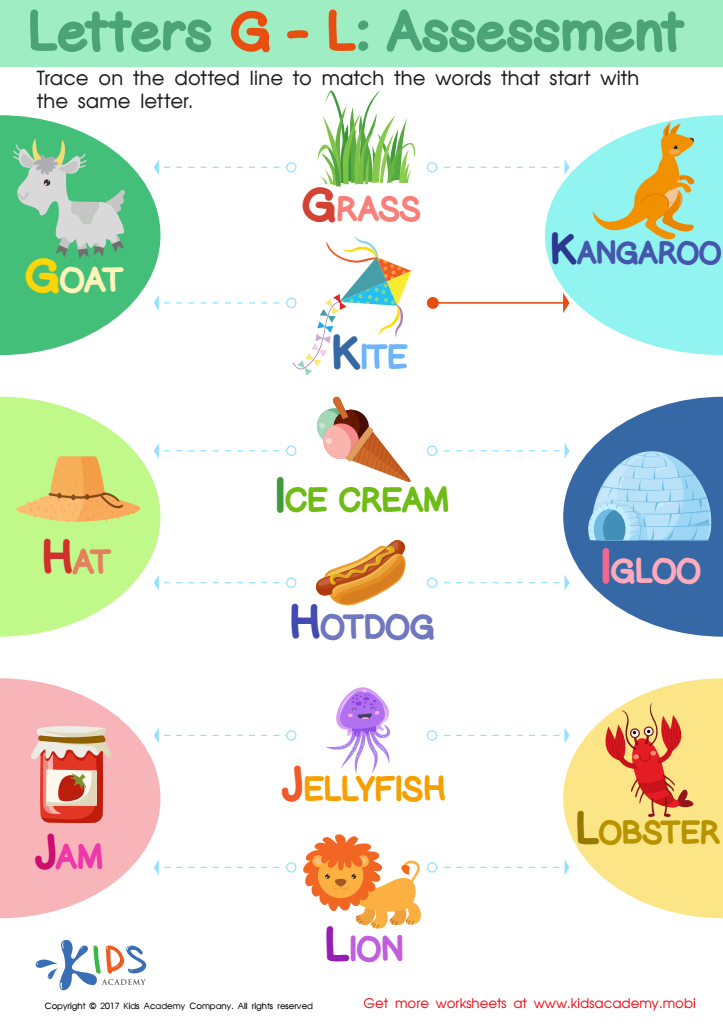
Letters G-L Worksheet










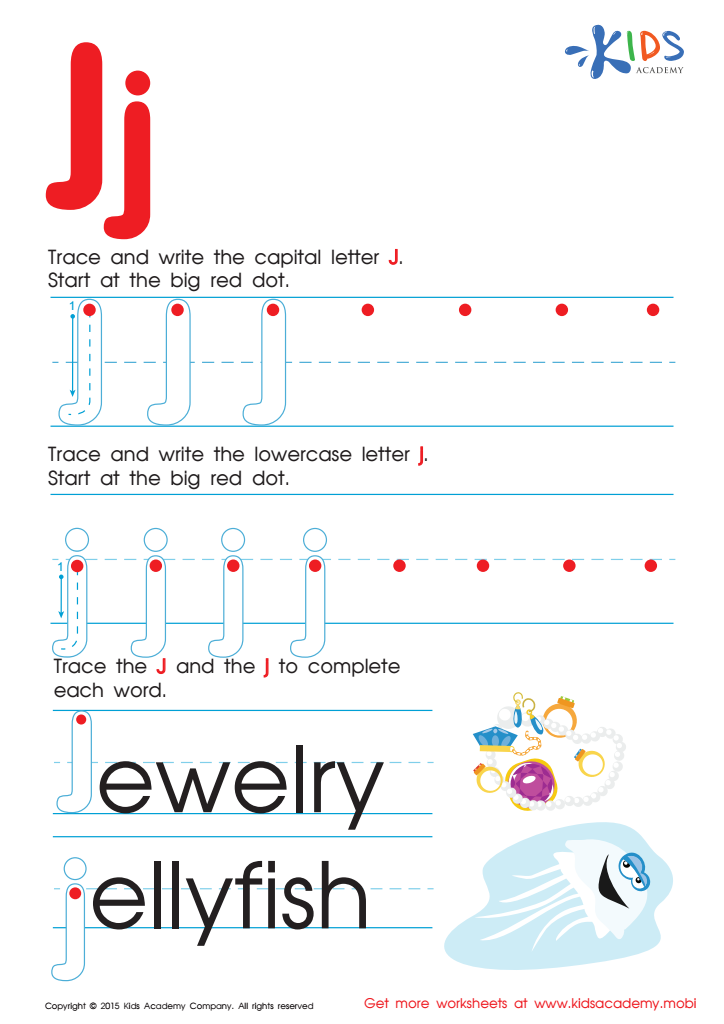
Letter J Tracing Page
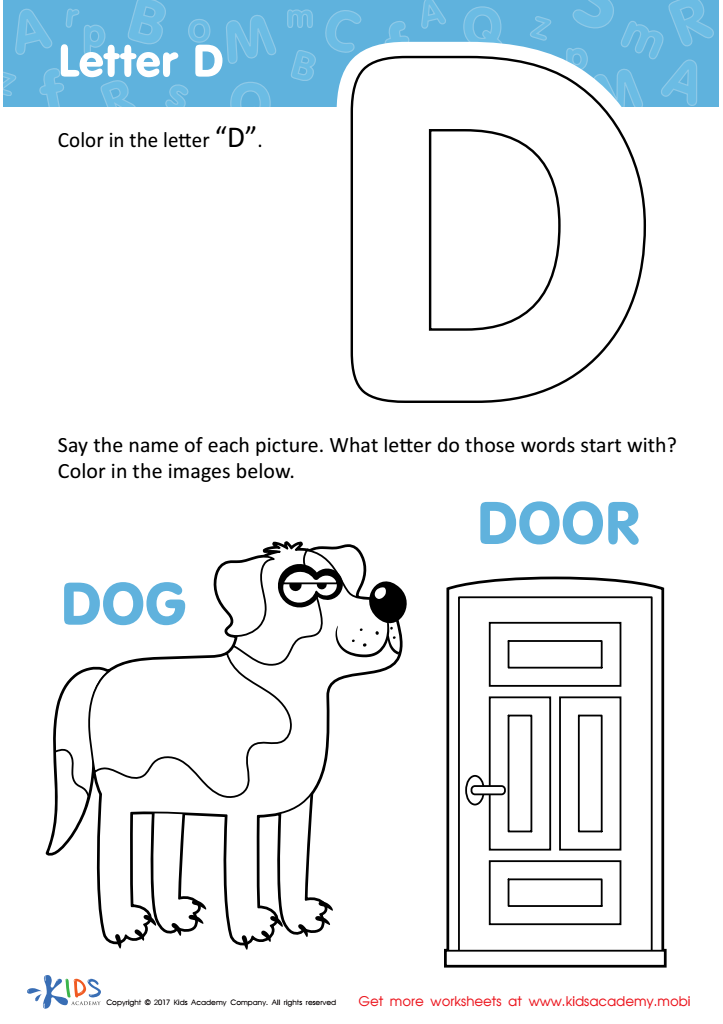
Letter D Coloring Sheet
 Assign to My Students







Fine motor skills development, particularly in learning ABC letters, is crucial for 5-year-olds as it lays the foundation for future academic success. These skills involve the coordination of small muscles in the hands and fingers and are essential for tasks such as writing, drawing, and manipulating small objects. As children learn to recognize and form letters, they enhance their ability to communicate effectively.
First, developing fine motor skills aids in handwriting, which is an important part of literacy. Children who struggle with these skills may find it challenging to express their thoughts on paper, causing frustration and discouragement. Second, mastering ABC letters supports cognitive development, as children learn to associate sounds with symbols, bridging the gap between spoken and written language.
Additionally, fine motor activities often promote concentration, patience, and perseverance, skills that are beneficial across all areas of learning. Parents and teachers should engage children in activities like tracing, coloring, and crafting, as these not only strengthen fine motor skills but also make learning enjoyable. Ultimately, supporting fine motor skills development sets children up for communication success, builds confidence, and equips them with essential skills they will rely on in their educational journey.







