Handwriting practice Alphabet Worksheets for 5-Year-Olds - Page 3
55 filtered results
-
From - To
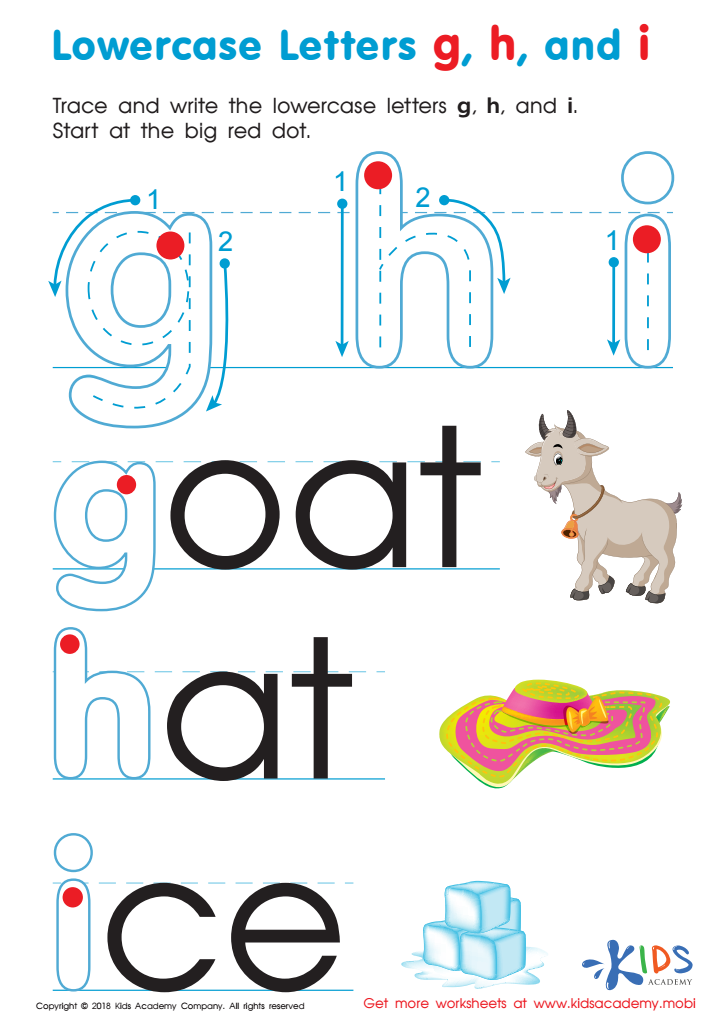
Lowercase Letters g h i Worksheet
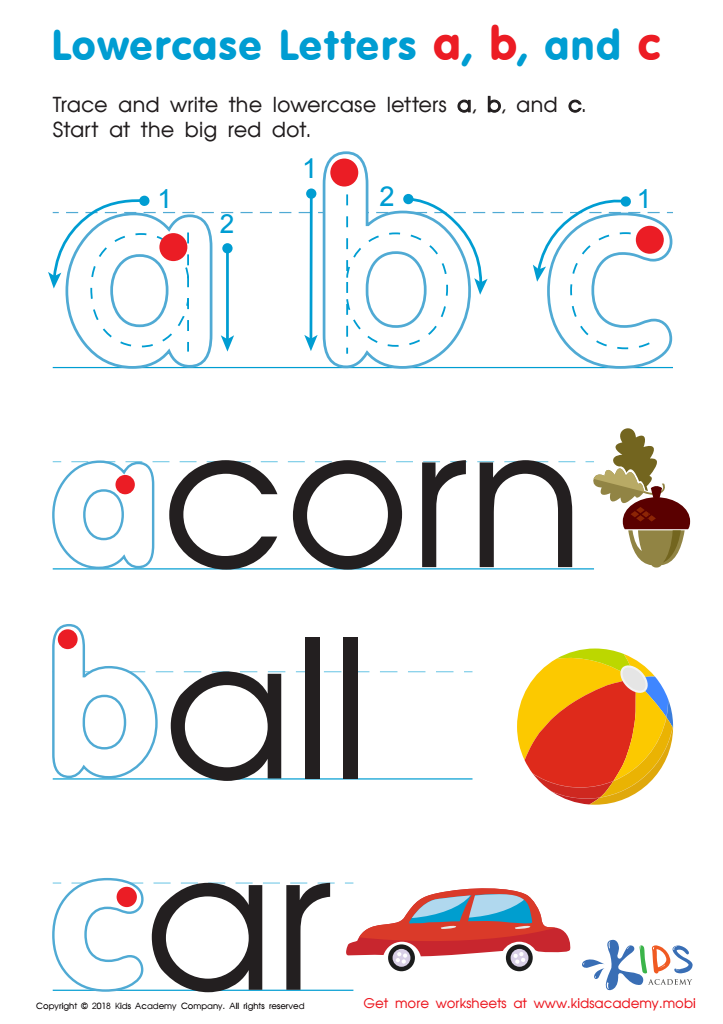
Lowercase Letters a b c Worksheet
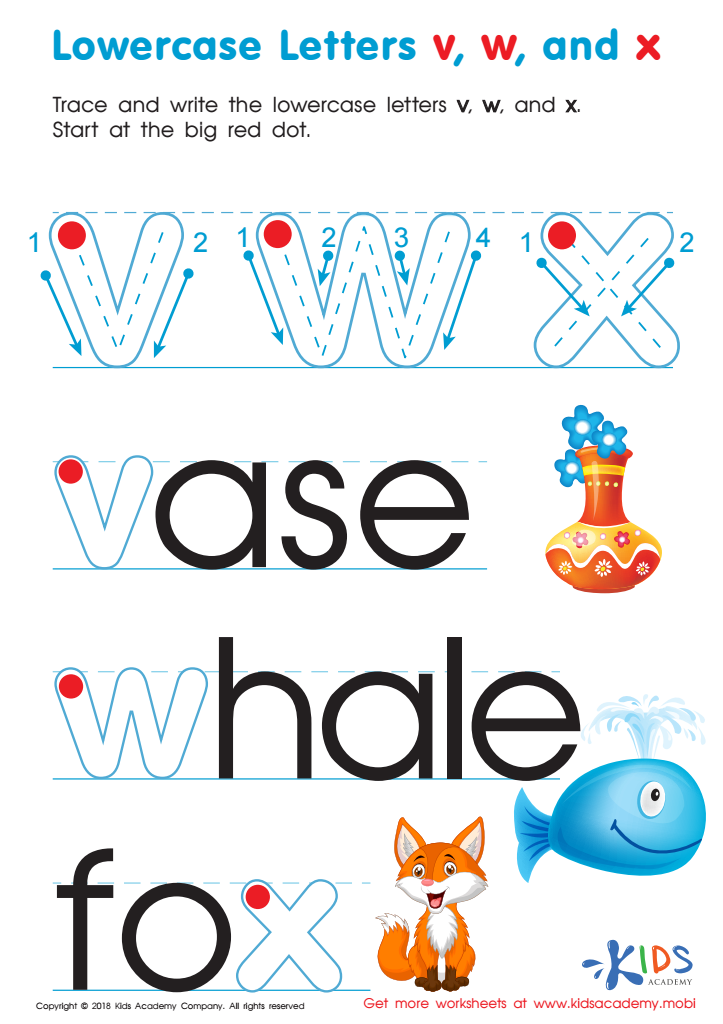
Lowercase Letters v w x Worksheet
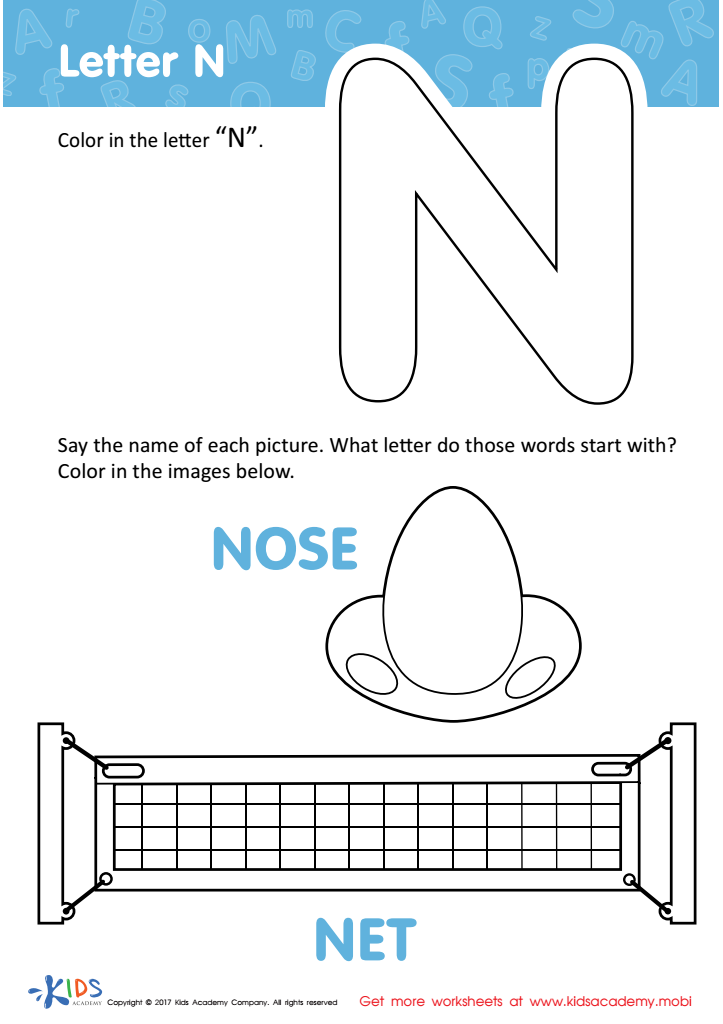
Letter N Coloring Sheet
 Assign to My Students
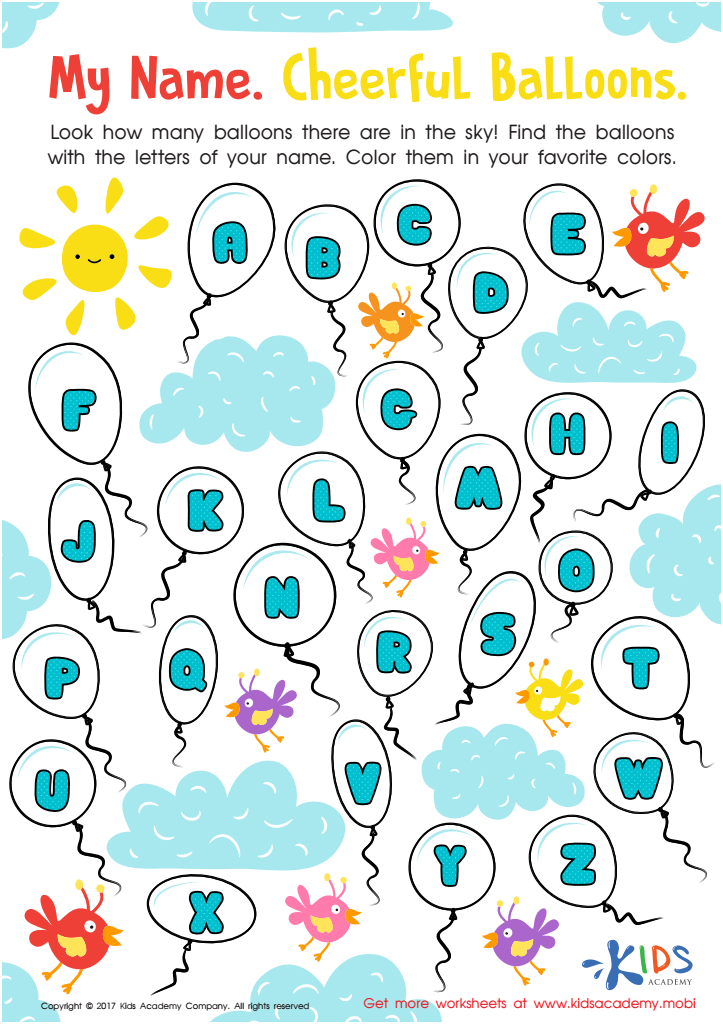
My Name: Cheerful Balloons Worksheet
Assign to My Students
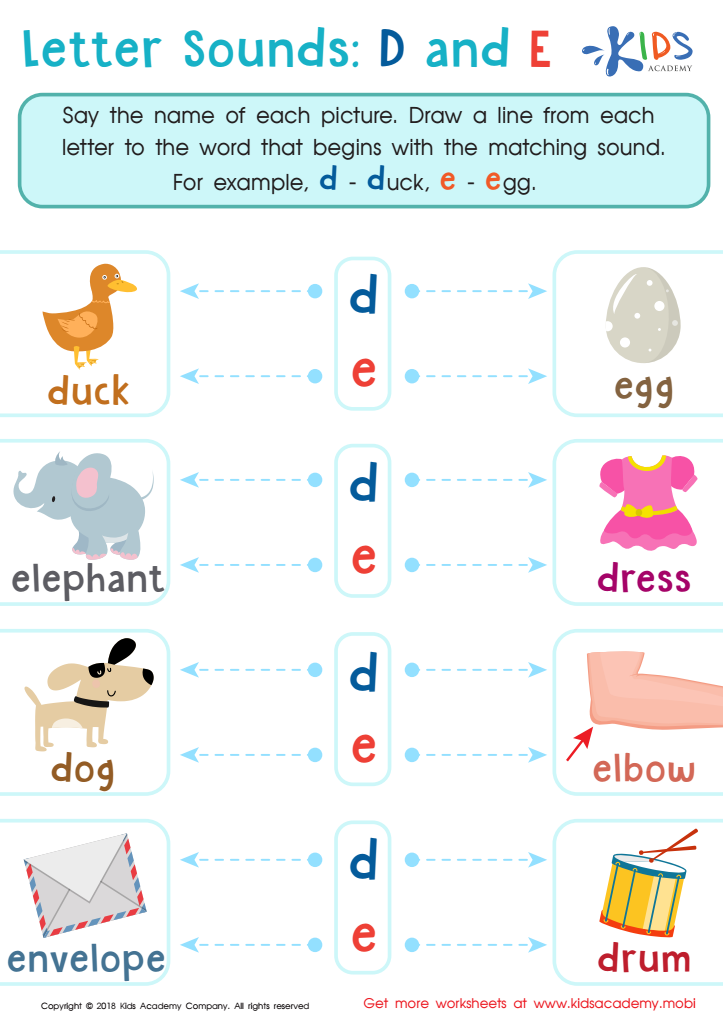
Letter D and E Sounds Worksheet
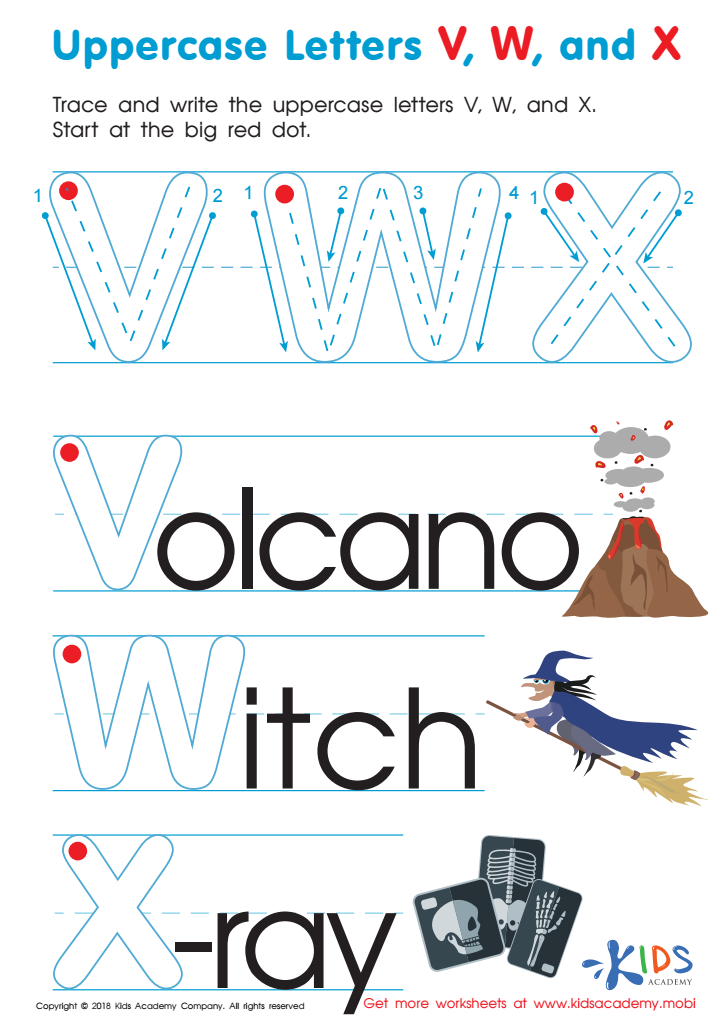
Uppercase Letters V, W, and X Worksheet







Handwriting practice for 5-year-olds is crucial for multiple developmental reasons and should be a key focus for both parents and teachers. Firstly, practicing the alphabet helps children with letter recognition, an essential foundation for reading and literacy. By learning to write each letter, children reinforce their understanding of how letters are formed and how they connect to sounds.
Fine motor skills are another significant benefit of handwriting practice. Young children are still developing the muscles in their hands and fingers. Writing each letter provides excellent practice in coordination and control, which can benefit tasks like buttoning clothing or using scissors.
Moreover, handwriting promotes cognitive development. It involves multiple mental processes, such as memory, concentration, and problem-solving. As children remember and reproduce letter shapes, their cognitive skills are sharpened.
Handwriting also has emotional and psychological benefits. When children see their progress—from initial scribbles to recognizable letters—they gain a sense of accomplishment and positive self-esteem.
Finally, the practice fosters a habit of persistence and patience. Learning to write letters correctly can be challenging, but with practice, children learn the value of effort and persistence.
In summary, handwriting practice is a multi-faceted activity that bolsters literacy, fine motor skills, cognitive development, emotional well-being, and character traits like persistence. Parents and teachers should view it as an essential component of early childhood education.







