Word identification Alphabet Worksheets for 5-Year-Olds
3 filtered results
-
From - To
Discover our engaging Word Identification Alphabet Worksheets designed specifically for 5-year-olds! These worksheets are a fantastic way to help young learners enhance their vocabulary and recognition skills. Each activity focuses on consonants and vowels, guiding children through fun exercises that reinforce letter sounds and word formation. From matching letters to identifying words, our worksheets provide a stimulating blend of learning and play. Perfect for both classroom settings and at-home practice, our resources aim to foster a love for reading and strengthen early literacy development. Unlock the joy of learning with our colorful and interactive worksheets today!
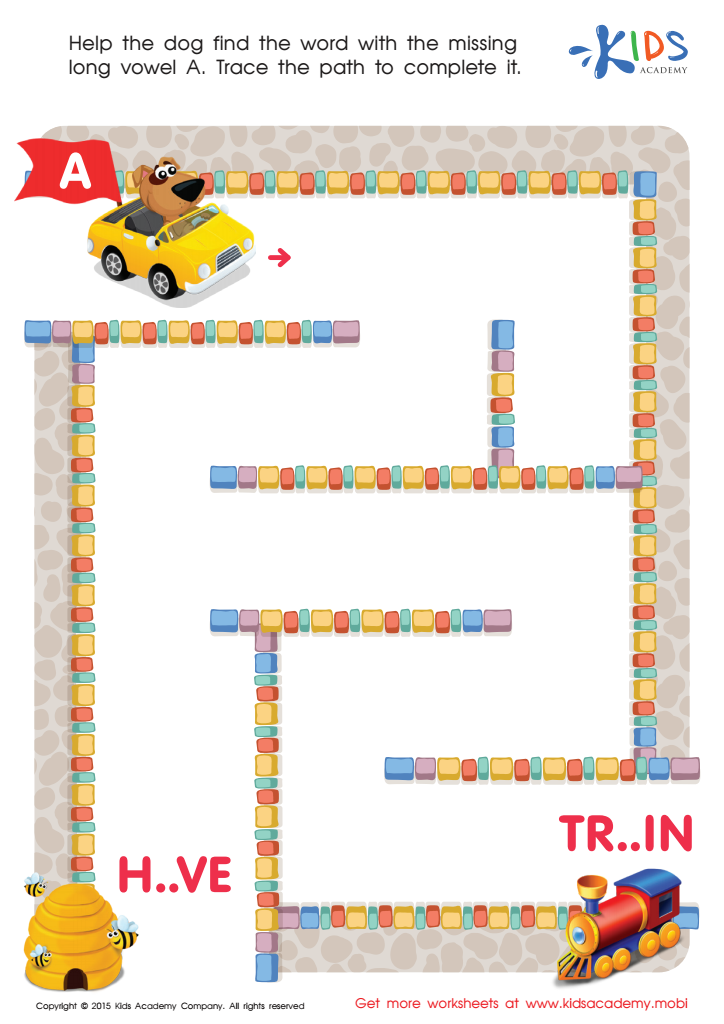
Long Vowel Sound A Worksheet
 Assign to My Students
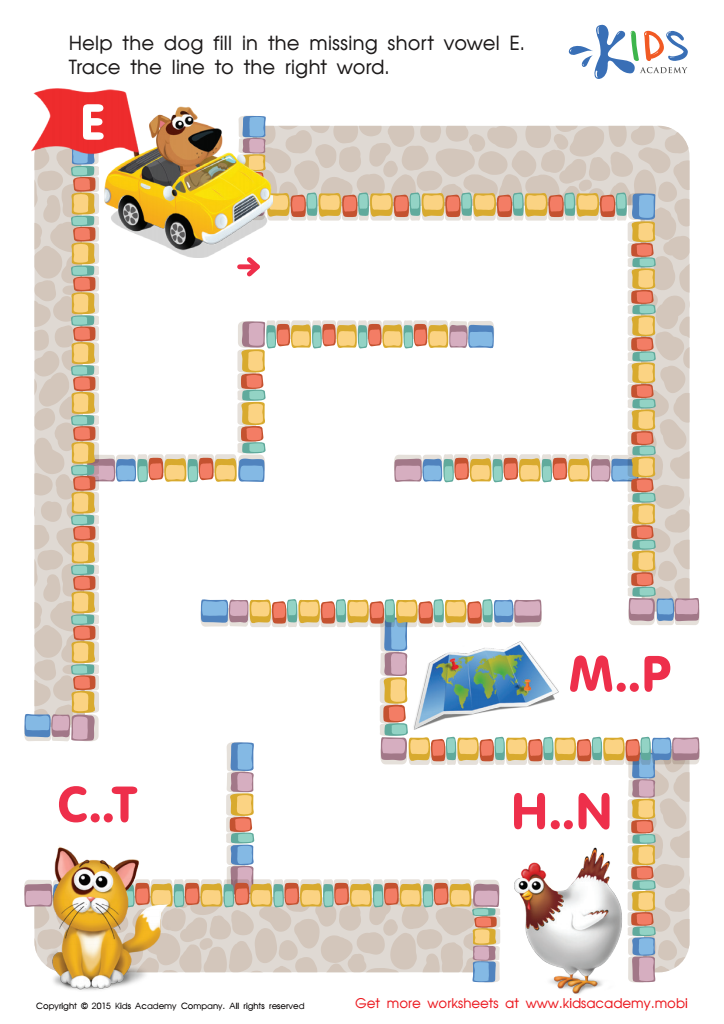
Short Vowel Sound E Worksheet
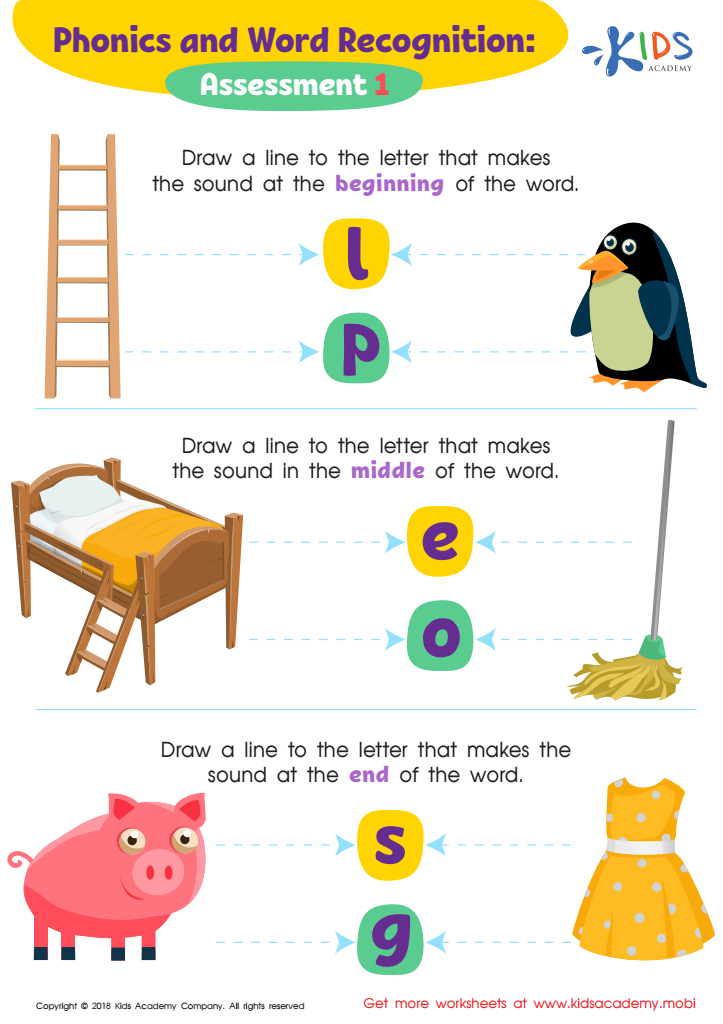
Phonics and Word Recognition: Assessment 1 ELA Worksheet






Word identification is a crucial skill for 5-year-olds as they begin their literacy journey. It sets the foundation for reading and writing, essential abilities for academic success and lifelong learning. Both parents and teachers play a vital role in nurturing this skill.
Firstly, developing word identification helps children decode text, enabling them to understand read-alouds and participate in discussions. This engagement fosters a love for reading, enhancing vocabulary and language skills. By recognizing words, children are more likely to express themselves clearly, contributing to their confidence in communication.
Furthermore, strong word identification correlates with overall literacy development. Early mastery ensures that children are better prepared for more complex texts later on. Parents and teachers who prioritize this skill can create a rich learning environment, filled with opportunities for practice through games, storytime, and vocabulary-building activities.
Additionally, word identification supports other critical cognitive abilities, like memory and comprehension. As children become proficient in recognizing words, their ability to connect ideas and concepts flourishes, laying the groundwork for critical thinking skills.
In summary, caring about word identification is essential, as it significantly influences a child’s academic trajectory, self-esteem, and enthusiasm for learning.







