Alphabet sequencing Letter Recognition Worksheets for 5-Year-Olds
6 filtered results
-
From - To
Enhance your child's letter recognition skills with our engaging Alphabet Sequencing Worksheets, designed specifically for 5-year-olds! These interactive worksheets provide fun activities that help young learners identify and order letters of the alphabet. With vibrant illustrations and easy-to-follow exercises, children will improve their sequencing abilities while developing essential literacy skills. Perfect for parents and educators, our resources encourage independent learning and creativity. Watch as your little one gains confidence in recognizing letters and understanding their sequence, setting a solid foundation for reading and writing. Explore our collection today and support your child's early education journey!
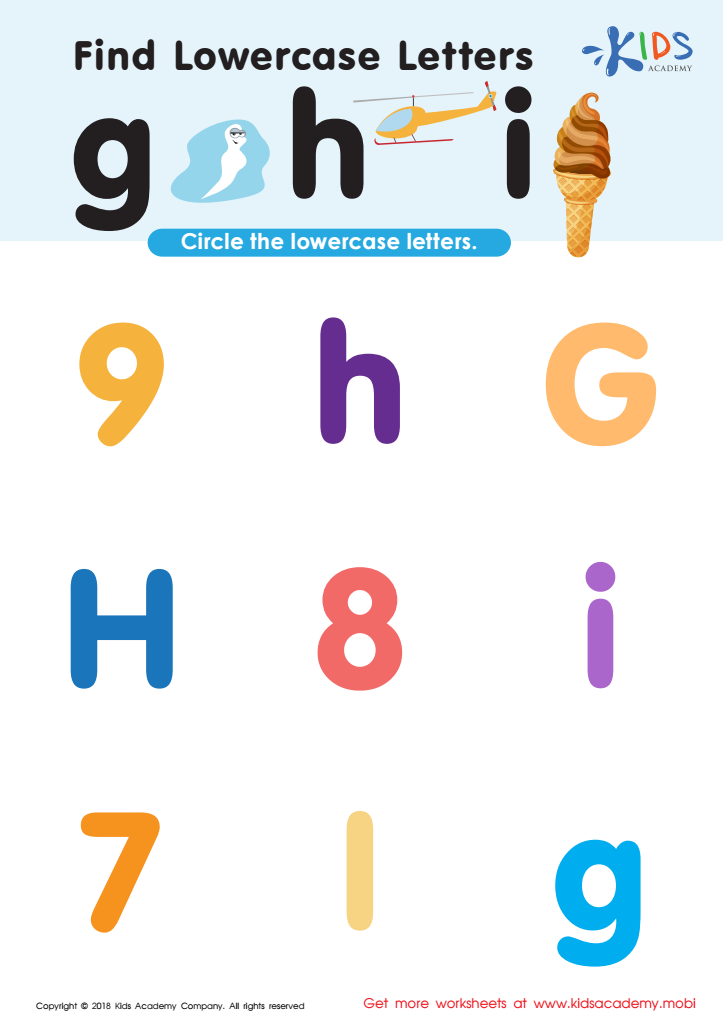
Find Lowercase Letters g h i Worksheet
 Assign to My Students
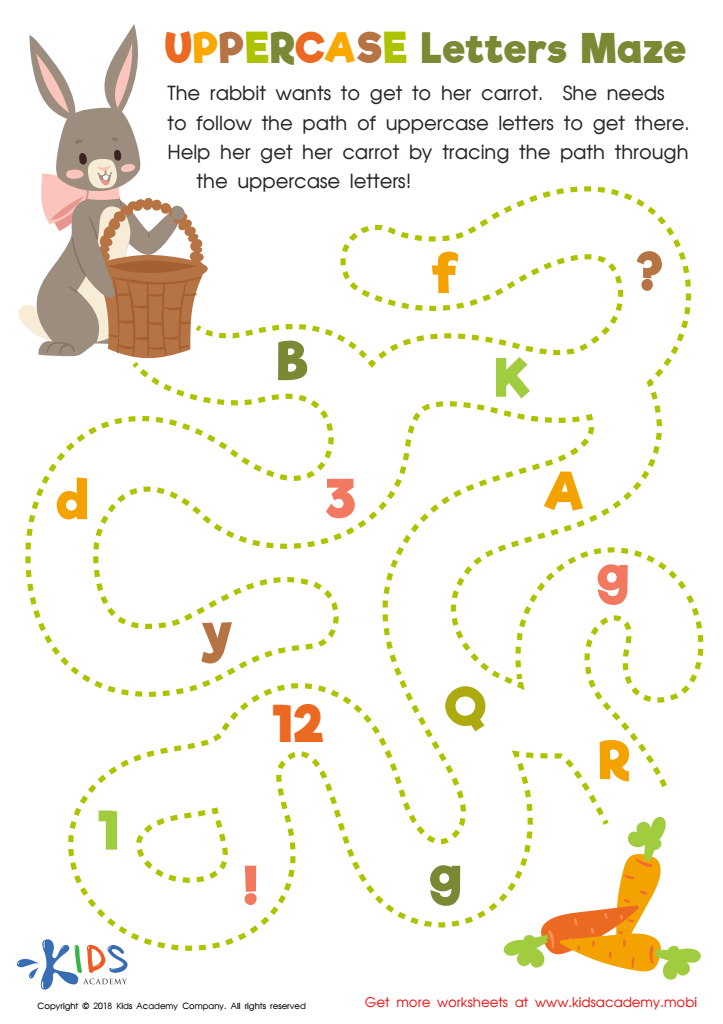
Uppercase Letters Maze Worksheet
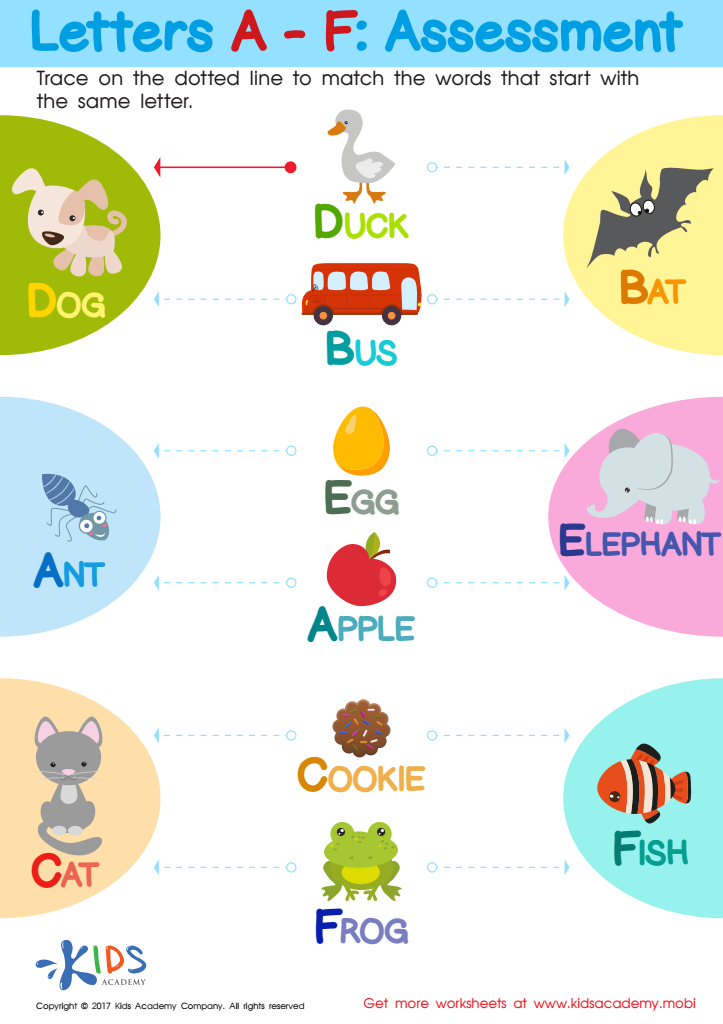
Letters A - F Worksheet
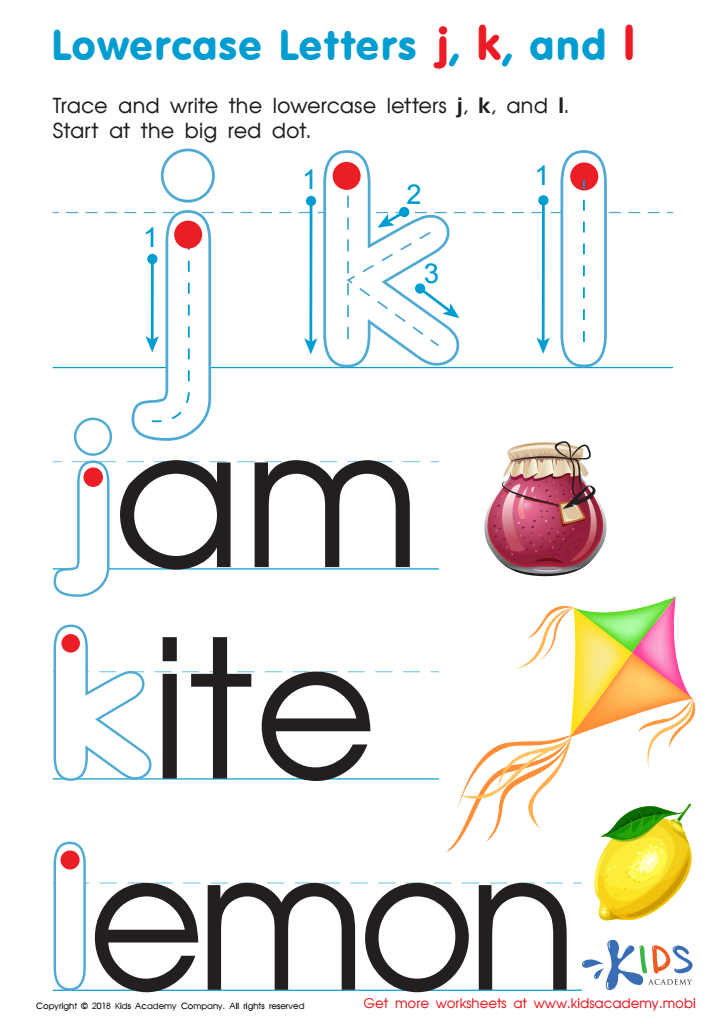
Lowercase Letters j k l Worksheet
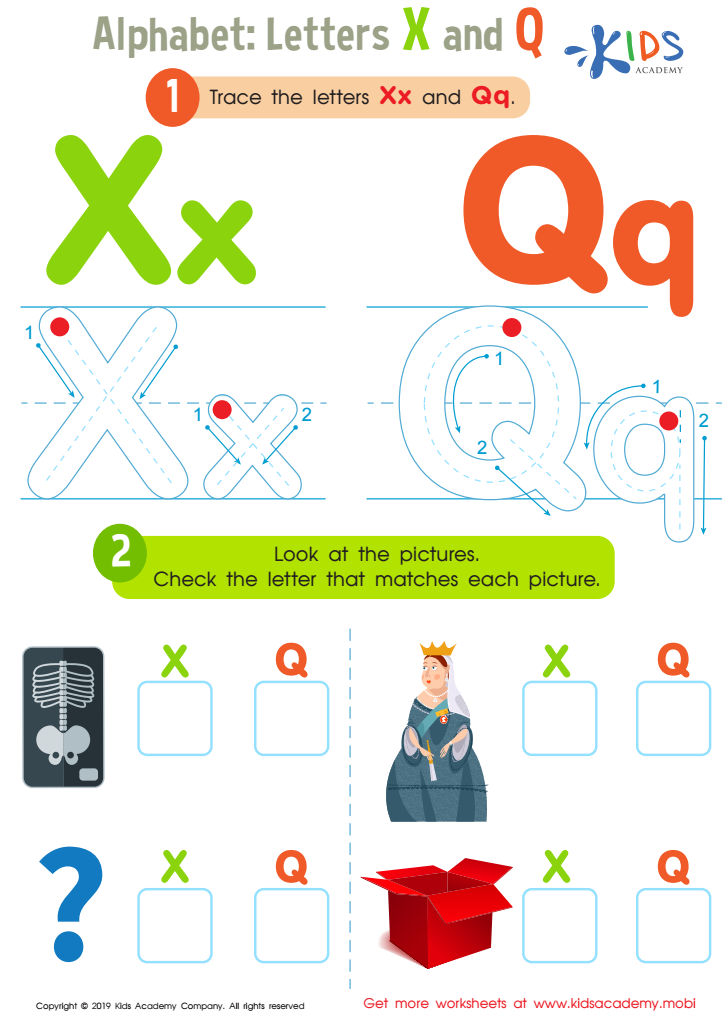
Letters X and Q Tracing Worksheet
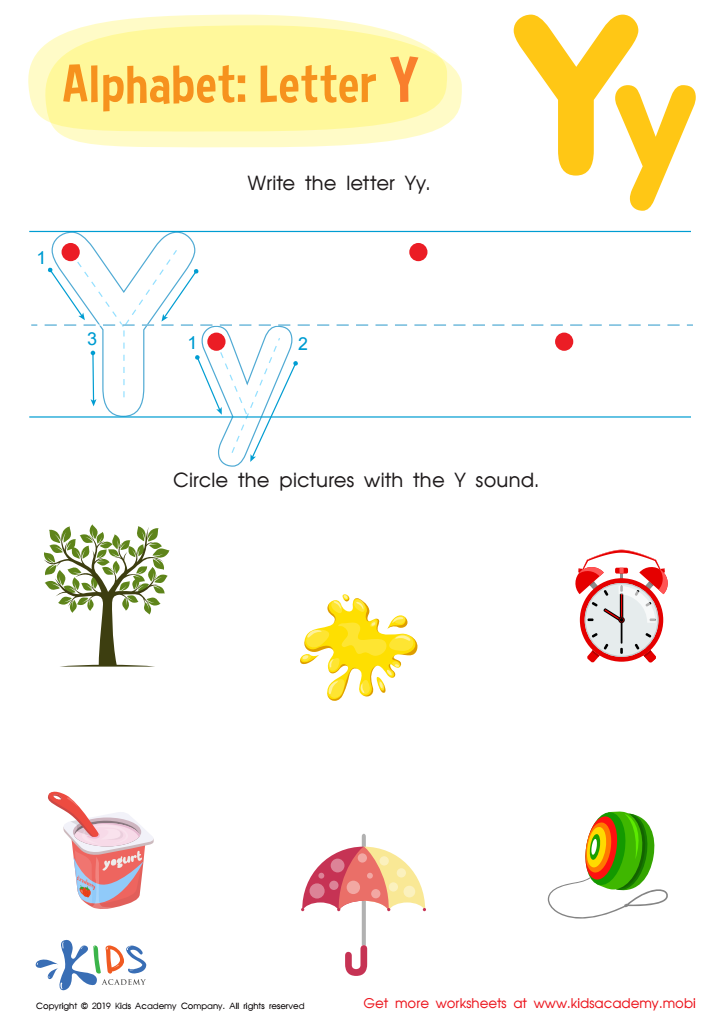
Letter Y Tracing Worksheet








Alphabet sequencing and letter recognition are critical components of early literacy development for 5-year-olds, significantly influencing their future academic success. Understanding the sequence of the alphabet provides a foundation for reading, spelling, and writing, as it establishes an order for how letters appear and interact within words. When children grasp the sequence, they can more easily recognize patterns in language, facilitating the learning of sight words and phonetic sounds.
Parents and teachers should prioritize this skill, as early mastery bolsters a child's confidence in their reading abilities. Engaging in activities that promote letter recognition—like singing the alphabet song, using flashcards, or pointing out letters in everyday contexts—can be fun and playful, making learning enjoyable.
Moreover, children who struggle with letter recognition may encounter challenges later in their education, potentially leading to a negative self-esteem in academics. By focusing on alphabet sequencing and recognition, parents and educators create a robust learning environment, paving the way for effective communication skills and fostering a lifelong love for reading. Ensuring that children are equipped with these fundamental skills at an early age empowers them for future learning adventures.







