Letter-sound association Letter Recognition Worksheets for 5-Year-Olds
8 filtered results
-
From - To
Enhance your child's literacy skills with our engaging Letter-Sound Association Letter Recognition Worksheets designed specifically for 5-year-olds. These worksheets provide a fun, interactive way for young learners to connect letters with their corresponding sounds, laying the foundation for reading success. Each worksheet is crafted to be visually appealing and age-appropriate, featuring vibrant illustrations and engaging activities. By reinforcing letter recognition through phonics, your child will gain confidence in their reading abilities. Perfect for homeschooling or classroom use, these worksheets are an essential tool in fostering early literacy and making learning enjoyable. Explore our collection today to support your child's educational journey!
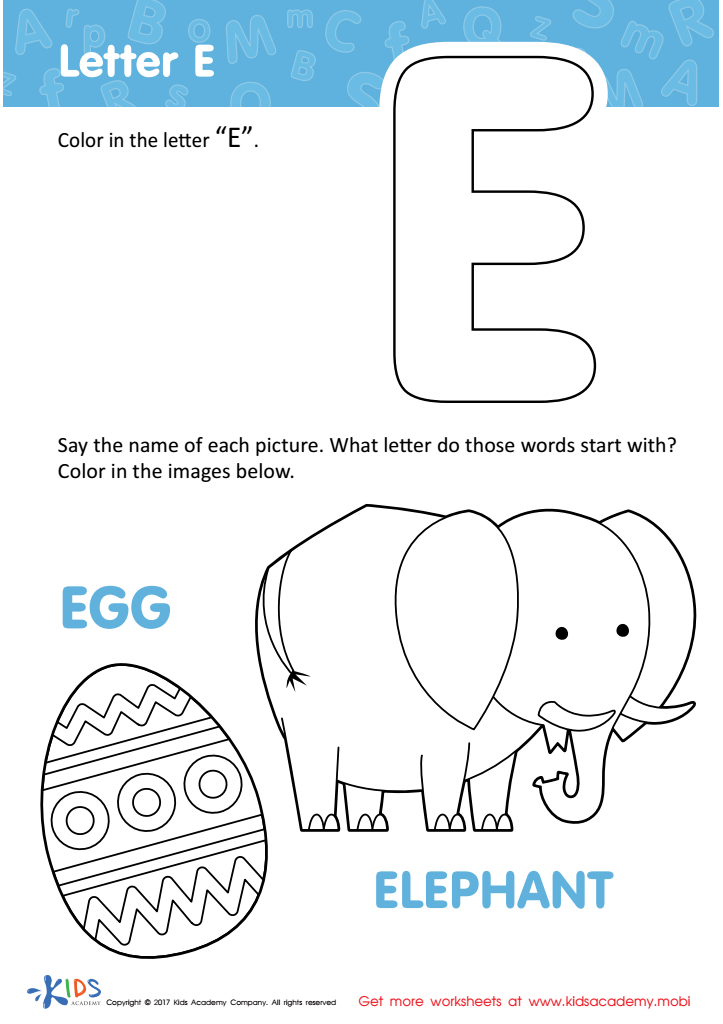
Letter E Coloring Sheet
 Assign to My Students
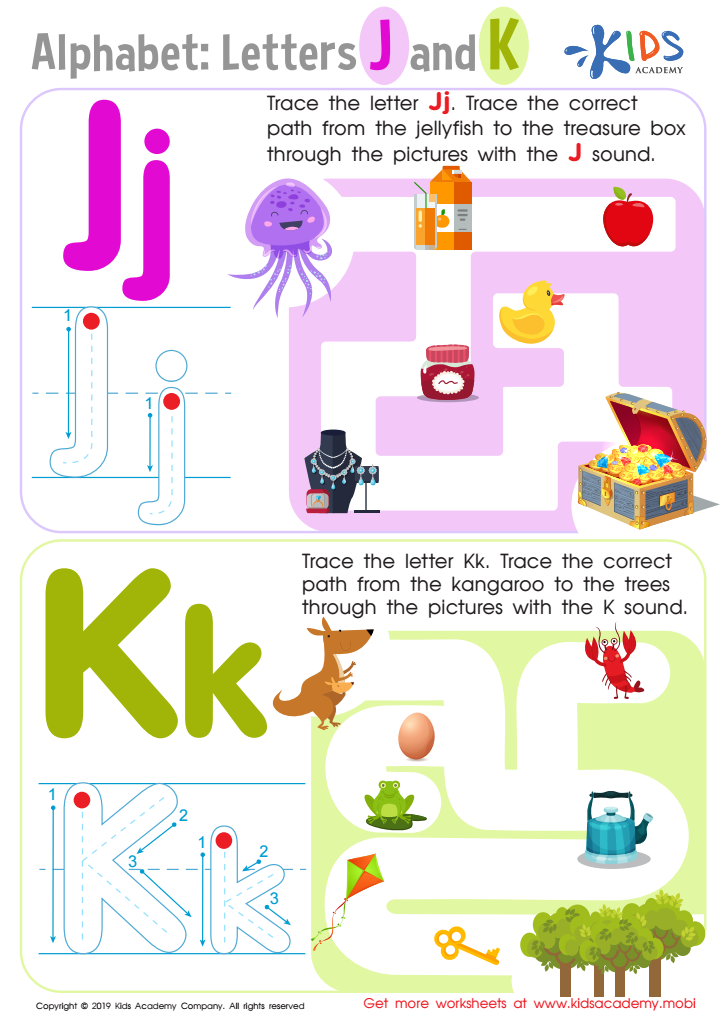
Letters J and K Tracing Worksheet
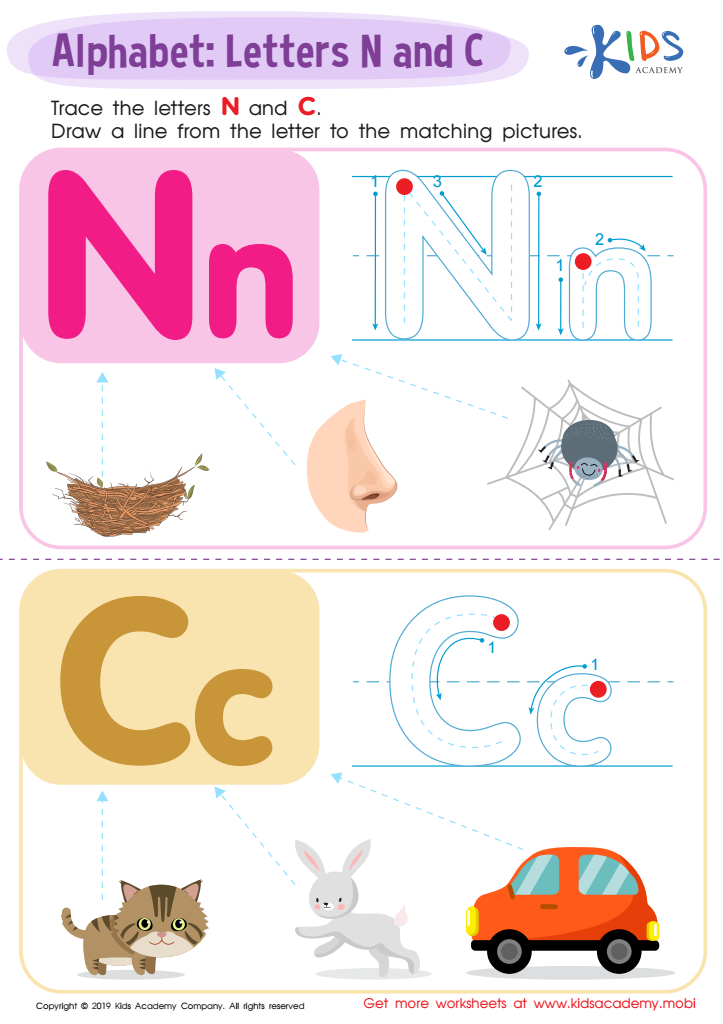
Letter N and C Tracing Worksheet
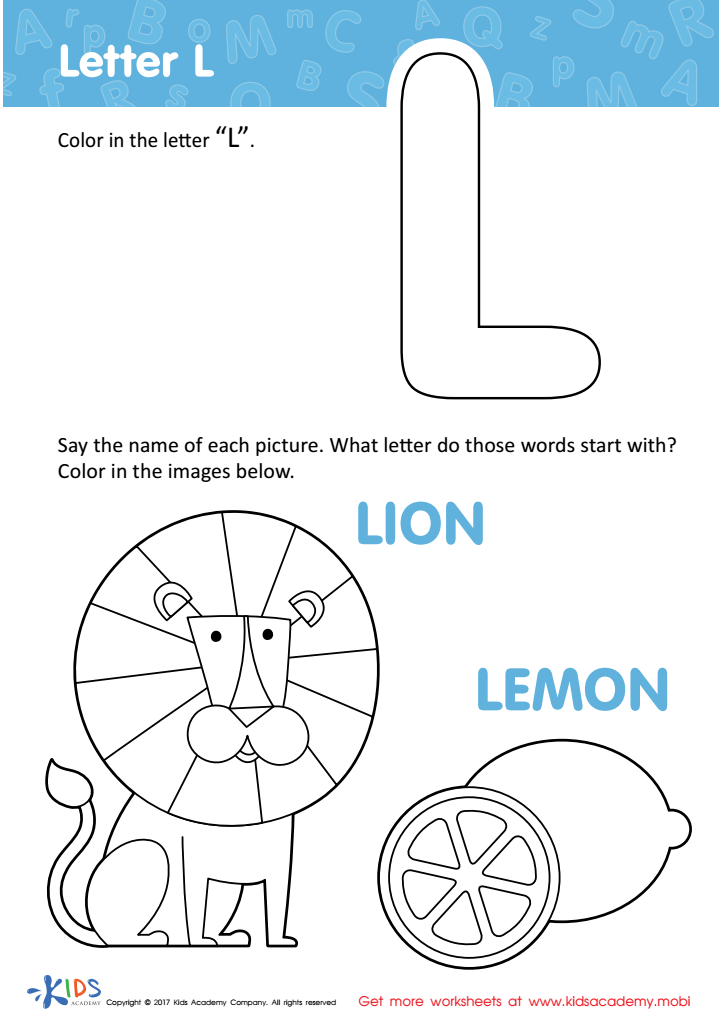
Letter L Coloring Sheet
Assign to My Students
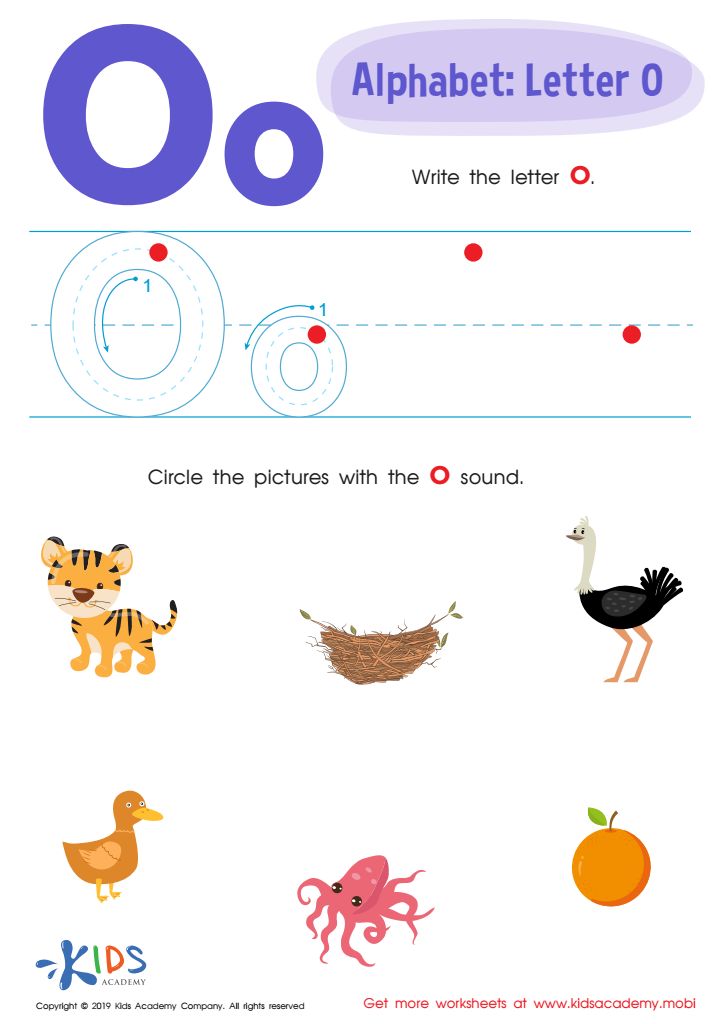
Letter O Tracing Worksheet

Lowercase Letters m n o Worksheet

Lowercase Letters d e f Worksheet
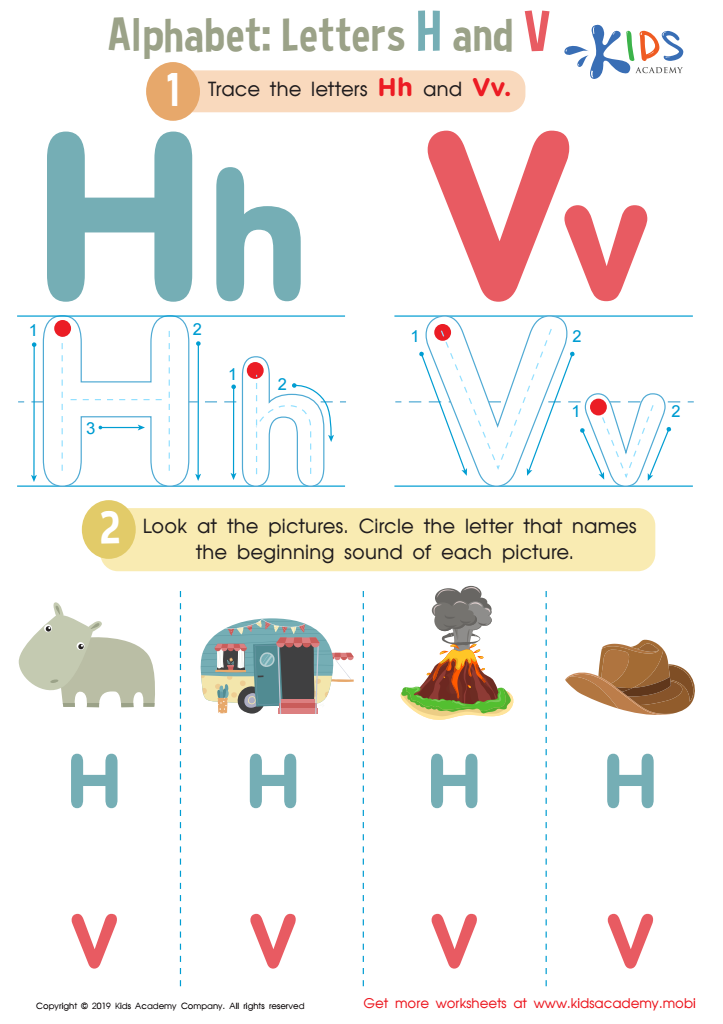
Letters H and V Tracing Worksheet








Letter-sound association and letter recognition are foundational skills critical for a child's early literacy development. For 5-year-olds, understanding these concepts is essential as they pave the way for successful reading and writing. Letter recognition involves identifying and naming letters, while letter-sound association connects letters to their corresponding sounds.
Parents and teachers should care about these skills because they are crucial for literacy acquisition. Early mastery helps children decode words, allowing them to read independently and comprehend texts, which fosters a lifelong love for reading. Children who lack these skills risk falling behind their peers in school, potentially leading to a cycle of academic challenges.
Moreover, letter-sound association enhances phonemic awareness, enabling children to manipulate sounds within words—a skill essential for spelling and vocabulary development. When children can recognize letters and their sounds, they build confidence in expressing themselves through written language.
Engaging in activities that promote letter recognition and sound association—such as reading together, employing educational games, or using interactive apps—can support this development. By prioritizing these key areas, parents and teachers can ensure that children are well-equipped for future learning and academic success.







