Reading comprehension Letter Recognition Worksheets for 5-Year-Olds
3 filtered results
-
From - To
Introducing our "Reading Comprehension Letter Recognition Worksheets for 5-Year-Olds!" These engaging and educational worksheets are designed to strengthen your child’s reading and letter recognition skills. Tailored for preschoolers, each worksheet combines fun activities with essential skill-building exercises. From identifying letters to understanding simple texts, your little learner will enjoy a variety of challenges that enhance their early literacy abilities. Perfect for at-home practice or classroom use, these worksheets are crafted to make learning enjoyable and effective. Download now to give your child’s reading journey a terrific head start!
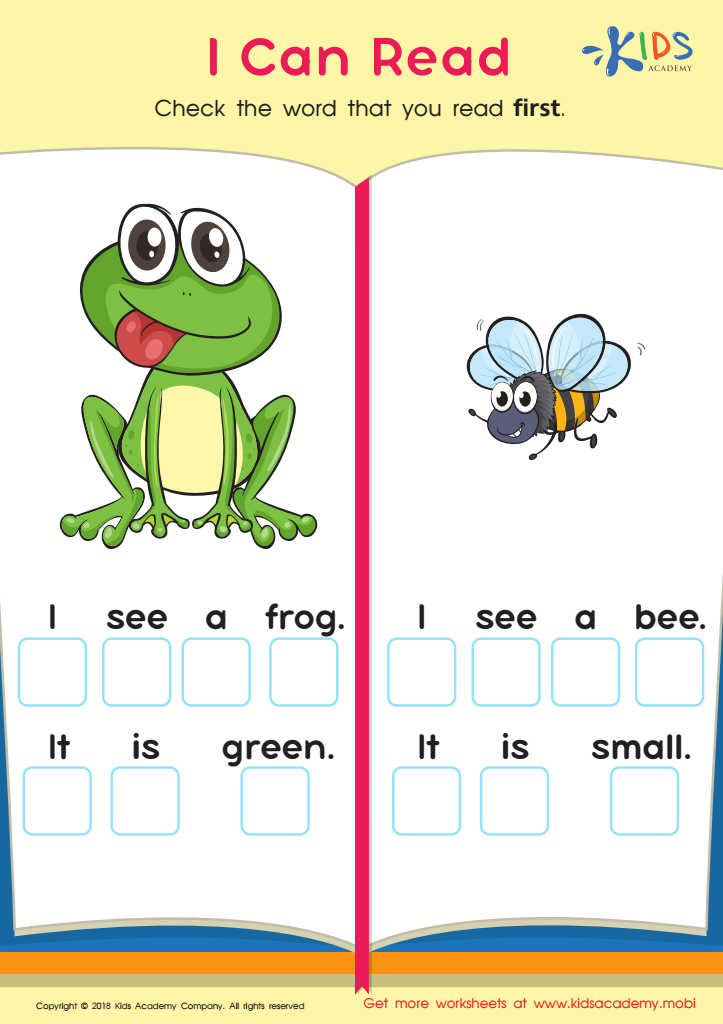
I Can Read Worksheet
 Assign to My Students
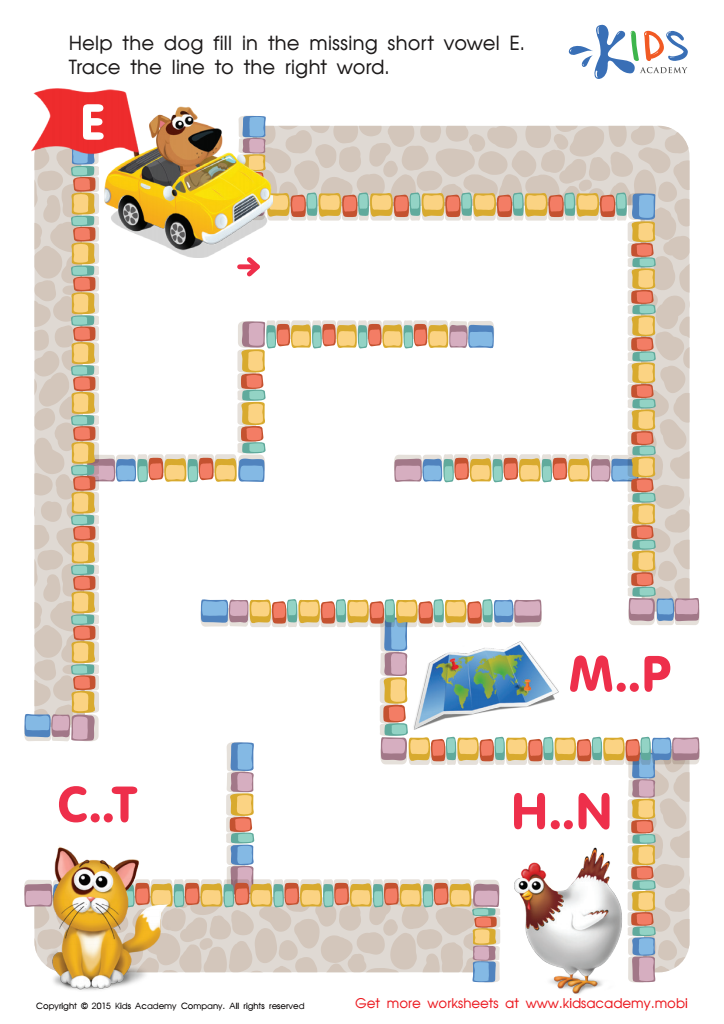
Short Vowel Sound E Worksheet
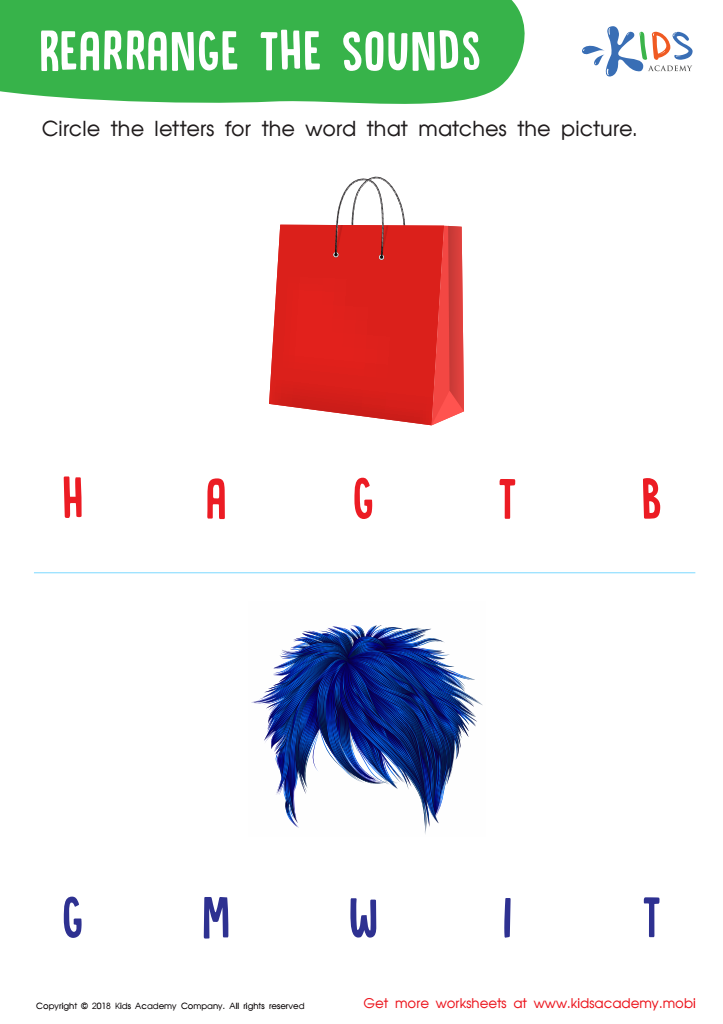
Rearrange the Sounds Worksheet








Reading comprehension and letter recognition are crucial skills for 5-year-olds since they form the foundation for future learning and academic success. Early proficiency in these areas sets the stage for a child's overall literacy development, allowing them to grasp new concepts more easily and build upon their knowledge as they progress through school.
Firstly, letter recognition is essential for the development of reading skills. It helps children understand that letters have specific names and sounds, allowing them to decode words and eventually read fluently. Recognizing letters also supports phonemic awareness, a key component in learning to read, and enables children to spell words correctly.
Secondly, reading comprehension goes beyond just decoding words; it encompasses the ability to understand and interpret the meaning of text. When children develop strong reading comprehension skills early on, they can make sense of stories, follow instructions, and engage in meaningful conversations about what they read. This skill enhances their critical thinking, creativity, and problem-solving abilities.
Parents and teachers play a vital role in fostering these skills by providing a rich literacy environment, reading to children regularly, and engaging them in activities that promote letter recognition and comprehension. Investing time and effort in developing these foundational skills ensures children are better prepared for a lifelong journey of learning and academic achievement.







