Letter recognition Letter S Worksheets for 5-Year-Olds
5 filtered results
-
From - To
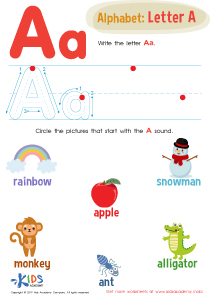
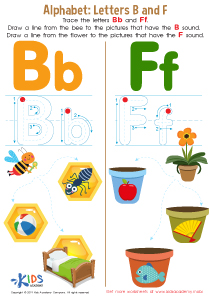
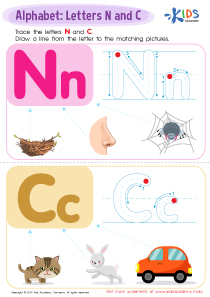
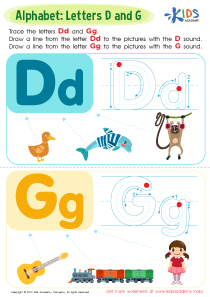
Boost your child's literacy skills with our engaging Letter S recognition worksheets designed specifically for 5-year-olds! These fun, interactive activities help young learners identify and practice the letter S through vibrant illustrations, tracing exercises, and creative games. Perfect for at-home or classroom use, our letters worksheets promote essential skills while keeping kids entertained. Children will learn to recognize the uppercase and lowercase forms of the letter S, enhance their fine motor skills, and build confidence in their reading and writing abilities. Explore our collection today and support your child's journey toward literacy success with our stimulating Letter S worksheets!
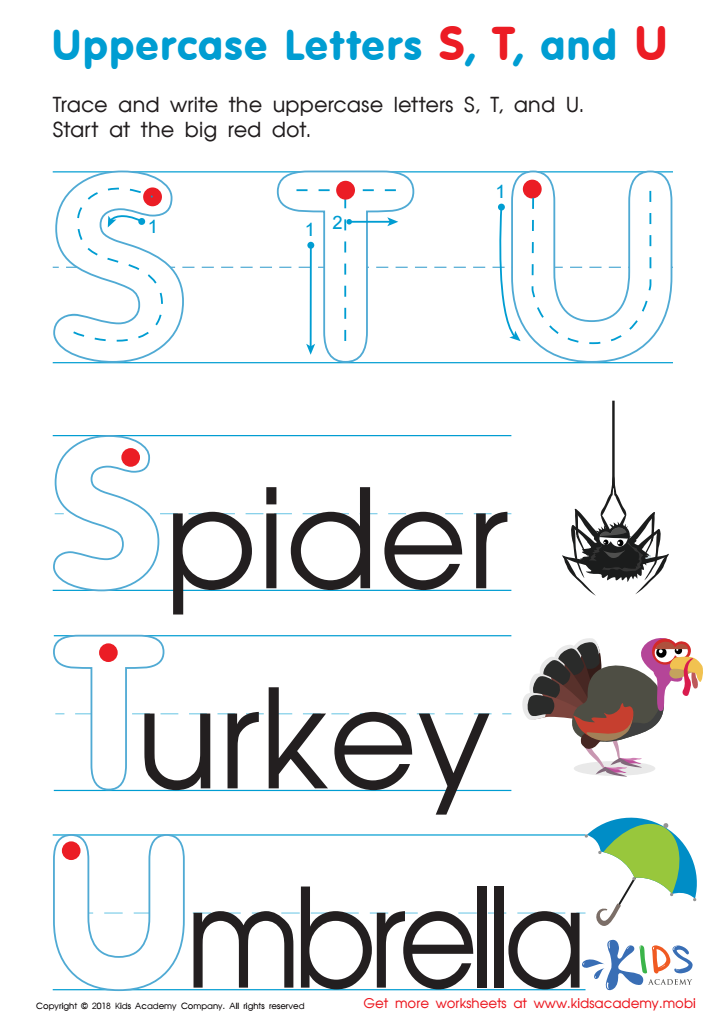
Uppercase Letters S, T, and U Worksheet
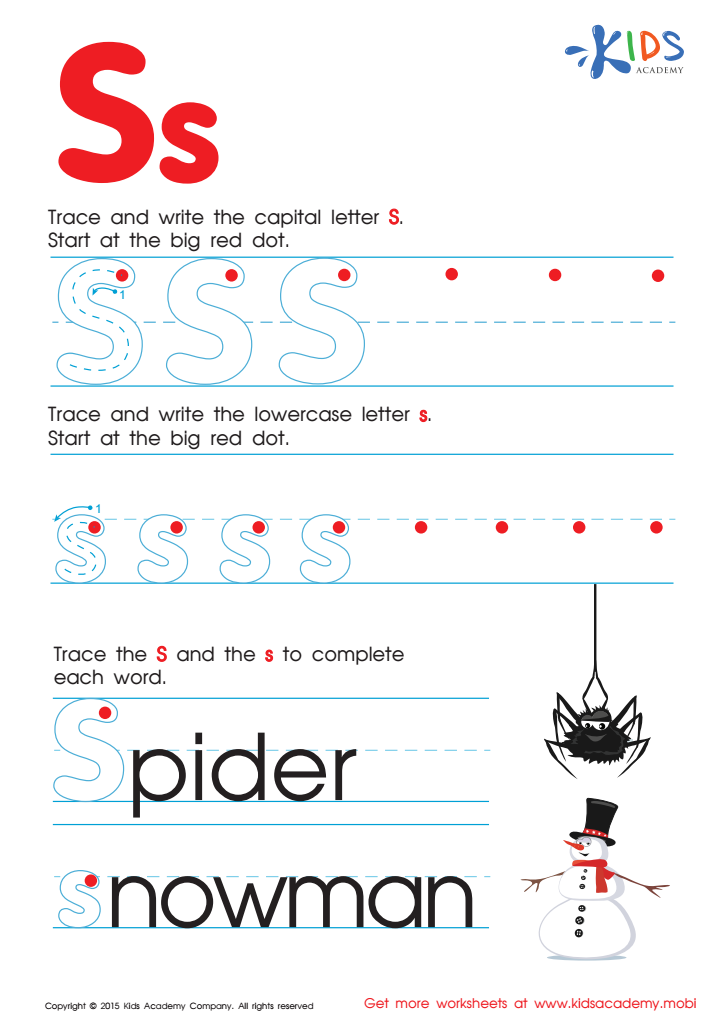
Letter S Tracing Page
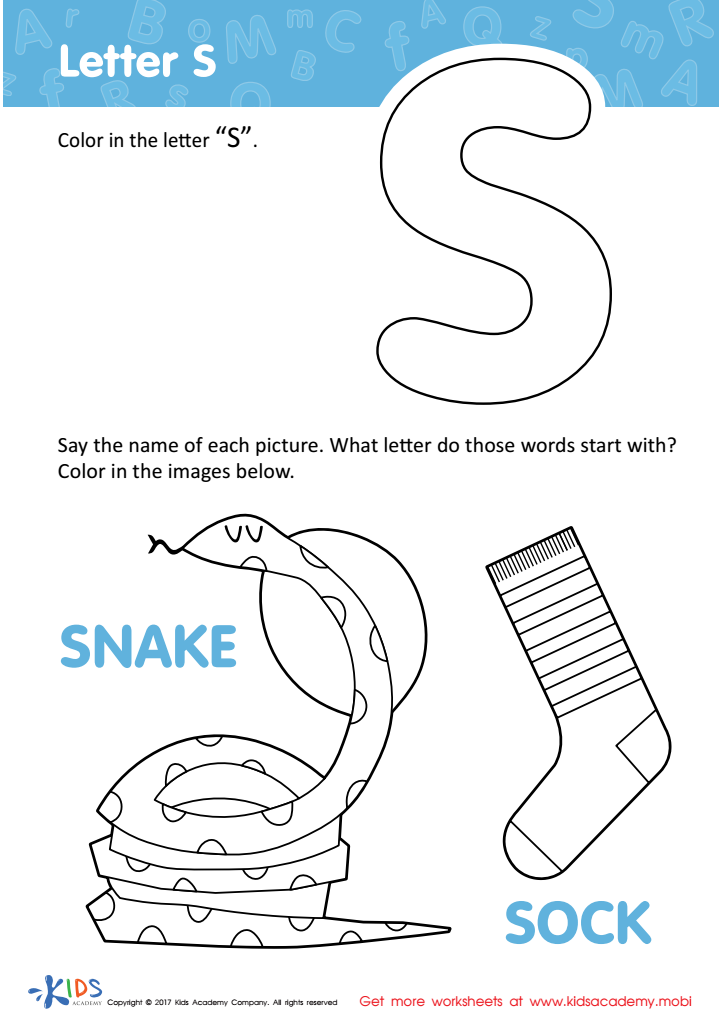
Letter S Coloring Sheet
 Assign to My Students
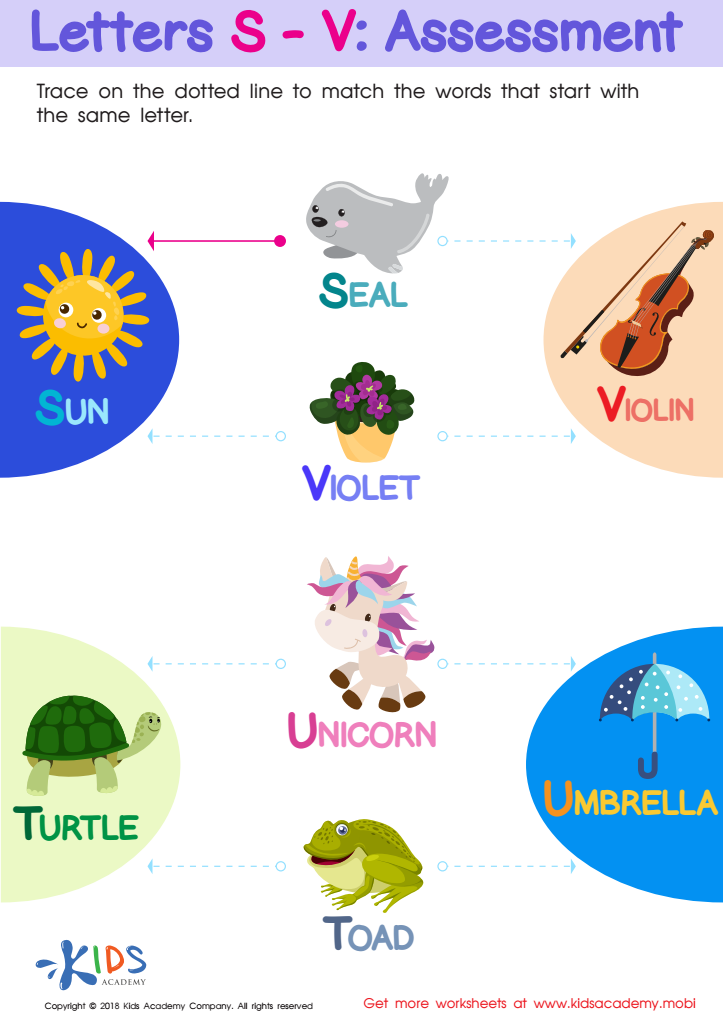
Letters S - V Tracing Worksheet
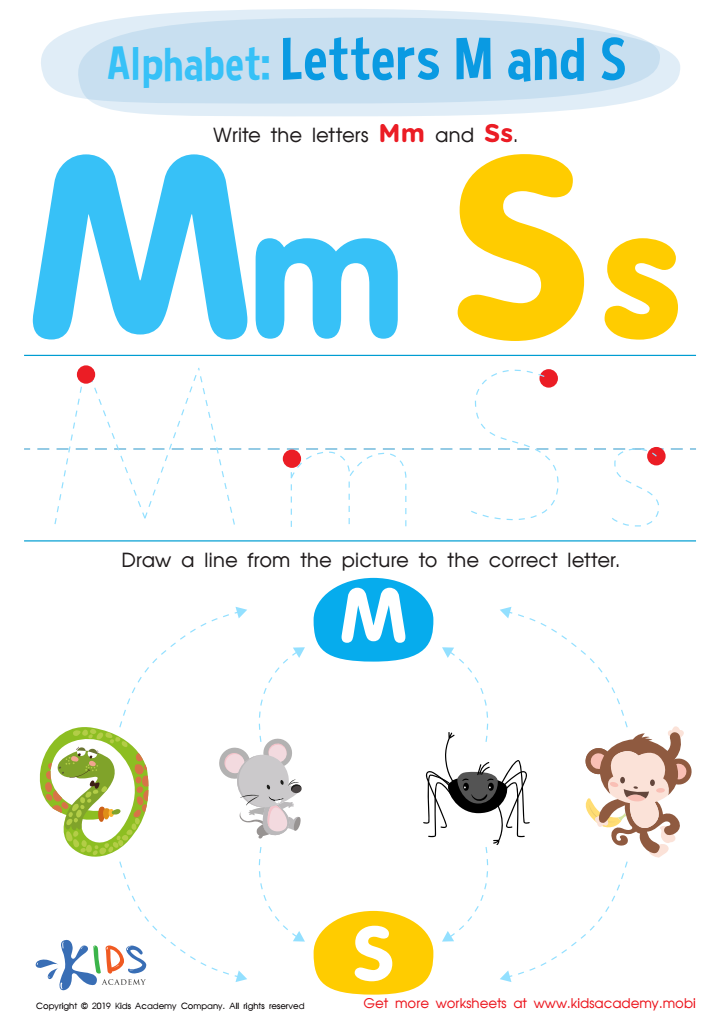
Letters M and S Tracing Worksheet







Letter recognition is a foundational skill in early literacy development, and focusing on the letter "S" for 5-year-olds can be particularly beneficial for several reasons. First, the letter "S" is one of the most commonly used letters in the English language. Mastery of recognizing "S" helps children decode words like "sun," "sand," and "star." Understanding its shape and sound enables children to build early reading skills, which are crucial for their academic success.
Additionally, recognizing the letter "S" can be fun and engaging. Activities like tracing, playing letter games, or singing songs emphasize its shape and sound, making learning enjoyable. Such interactive approaches foster a love for literacy and encourage motivation, integral components for lifelong learning.
Moreover, letter recognition is linked to broader cognitive development. Knowing letters enhances vocabulary acquisition, as children learn to associate sounds for effective communication. Teachers and parents play vital roles in reinforcing these skills in various settings, ensuring that children develop confidence and proficiency before transitioning into more complex literacy tasks. By caring about letter recognition, they contribute to a solid foundation that supports overall educational growth and future reading readiness.