Handwriting practice Phonics Worksheets for 5-Year-Olds
5 filtered results
-
From - To
Unlock your child's potential with our Handwriting Practice Phonics Worksheets designed for 5-year-olds. These engaging, printable worksheets combine essential writing practice with core phonics skills, making learning to read and write a delight. Kids will enhance letter recognition, fine motor skills, and phonemic awareness through fun, interactive activities. Each worksheet is carefully designed to keep young learners motivated while developing a strong educational foundation. Perfect for at-home practice or in the classroom, these resources ensure your child can confidently master handwriting and phonics. Visit us today to explore our full selection and watch your child's skills flourish!
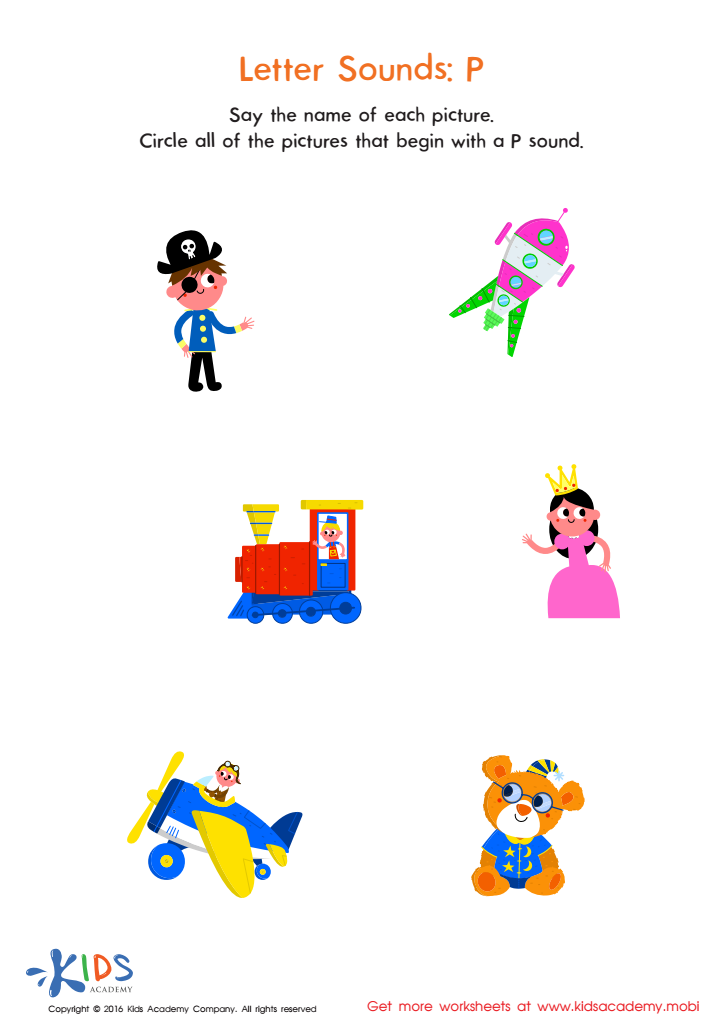
Letter P Sound Worksheet
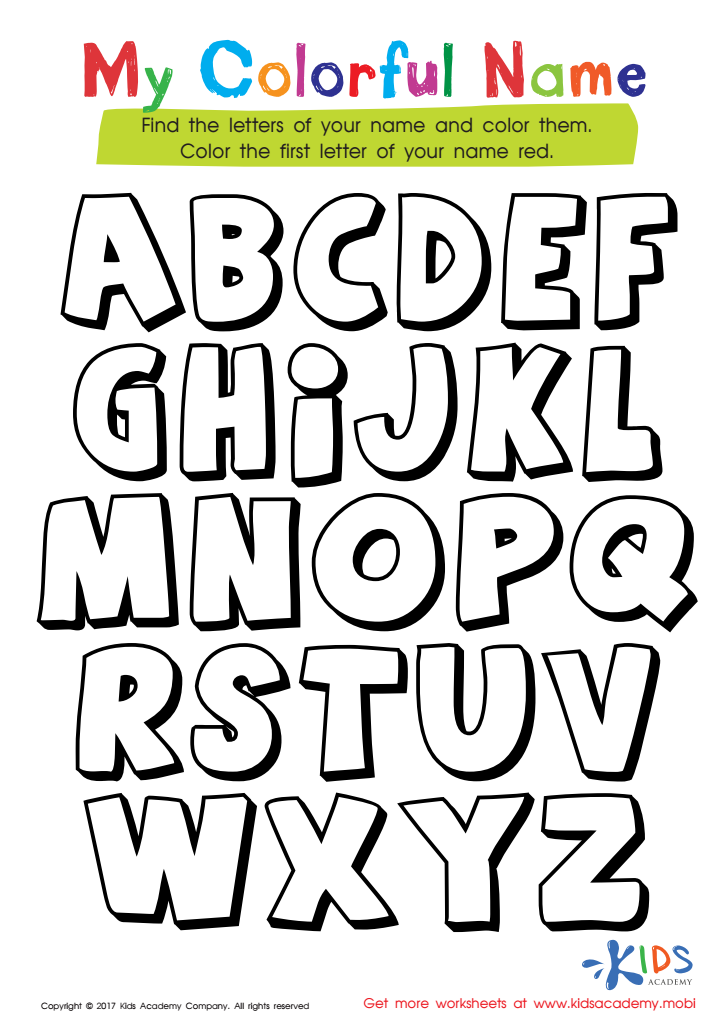
My Colorful Name Worksheet
 Assign to My Students
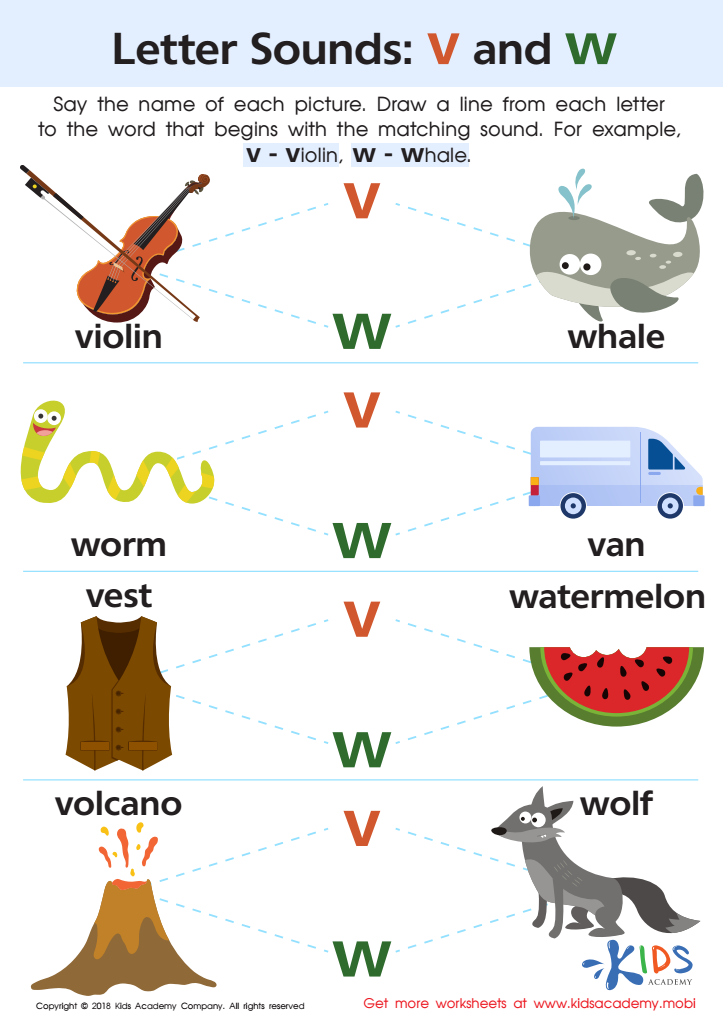
Letter V and W Sounds Worksheet
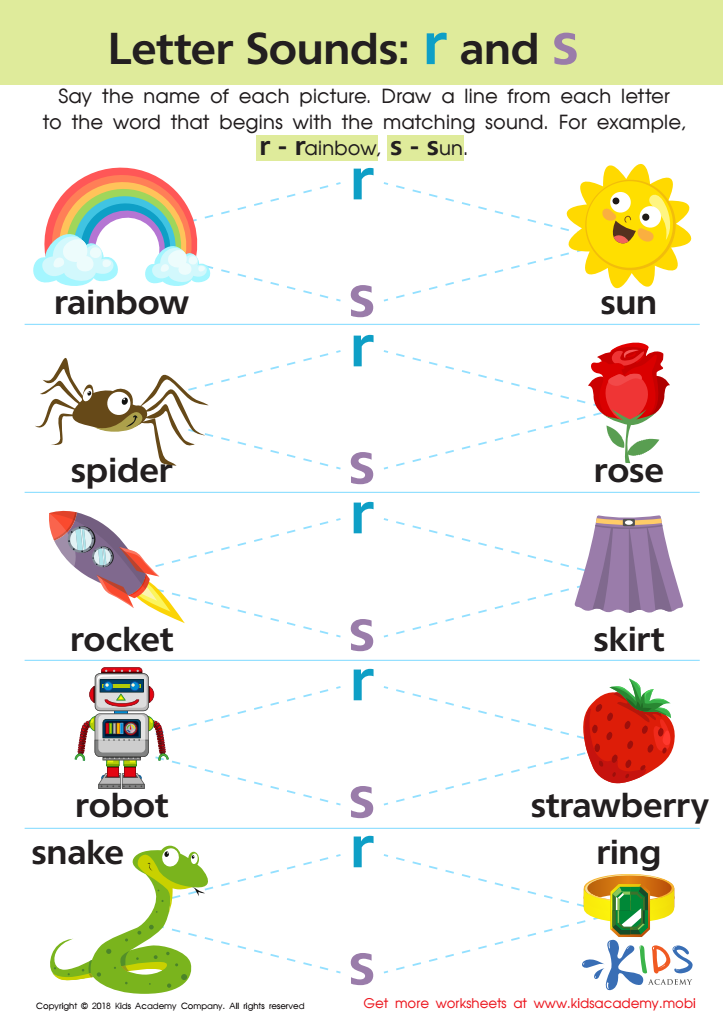
Letter R and S Sounds Worksheet
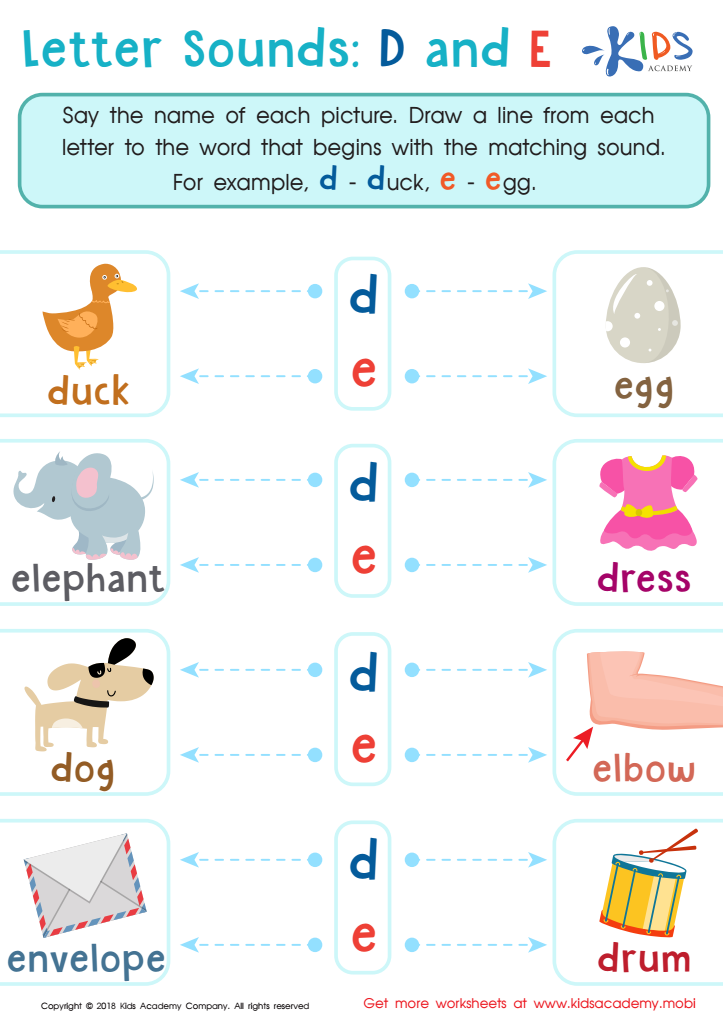
Letter D and E Sounds Worksheet








Handwriting practice with phonics for 5-year-olds is fundamental to their early literacy development, laying the foundation for effective reading and writing skills. At this age, children are at a crucial stage of motor skill and cognitive development. Handwriting practice aids in fine motor skills. When children physically write letters, they engage their brain in a process that strengthens their ability to recognize and remember letter shapes.
Phonics, on the other hand, helps children understand the relationship between letters and sounds. It is a key component of reading proficiency as it enables children to decode new words independently. By combining handwriting with phonics, children can reinforce their ability to connect sounds to written symbols, which is essential for fluent reading and effective spelling.
Additionally, this practice supports neural development by creating pathways in the brain that associate phonemes (sounds) with graphemes (letters). Such integration is critical for the harmonious development of reading and writing skills.
Parents and teachers should recognize the value of dedicating time to this practice because it provides children with tools for better communication. Early investment in these skills sets a strong foundation for future academic success, boosts confidence, and fosters a lifelong love of learning. This holistic approach ensures that the child not only learns to read and write but also enjoys the process.







