Phonics development Phonics Worksheets for 5-Year-Olds
5 filtered results
-
From - To
Welcome to our Phonics Worksheets for 5-Year-Olds! Designed to nurture early literacy skills, these engaging worksheets promote phonics development through fun and interactive activities. Tailored for young learners, our materials help children recognize letter sounds, blend them into words, and enhance reading fluency. With a variety of exercises, including tracing, matching, and sound identification, kids will build a solid foundation in phonics. These worksheets not only support academic success but also spark a love for reading. Explore our resources today and empower your child with the essential skills they need for a bright future in literacy!
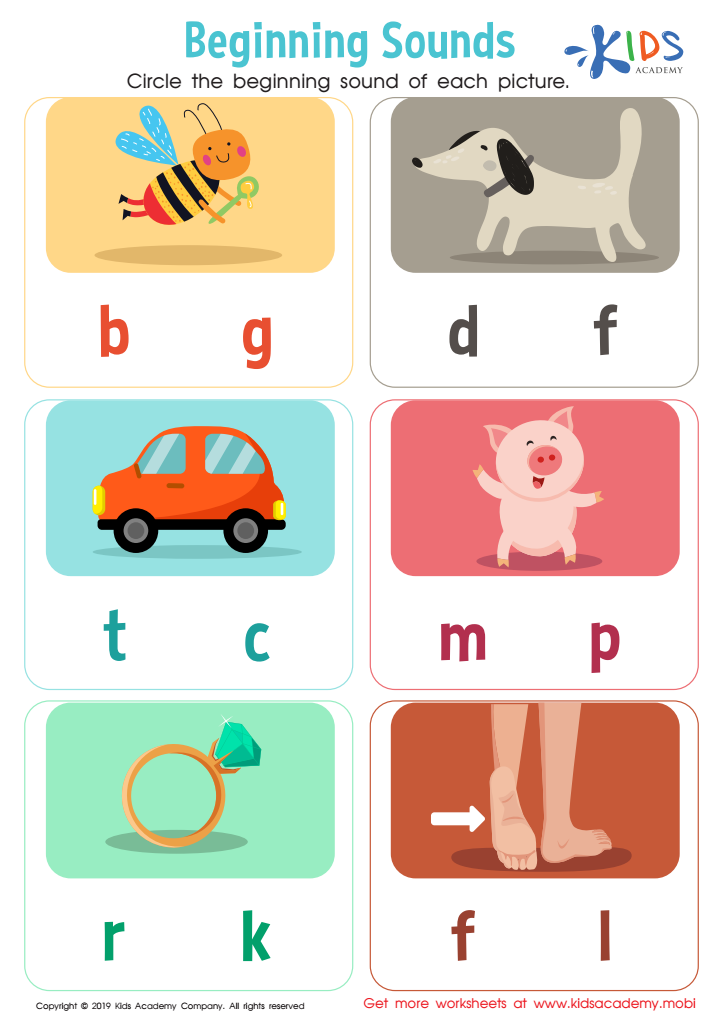
Beginning Sounds Worksheet
 Assign to My Students
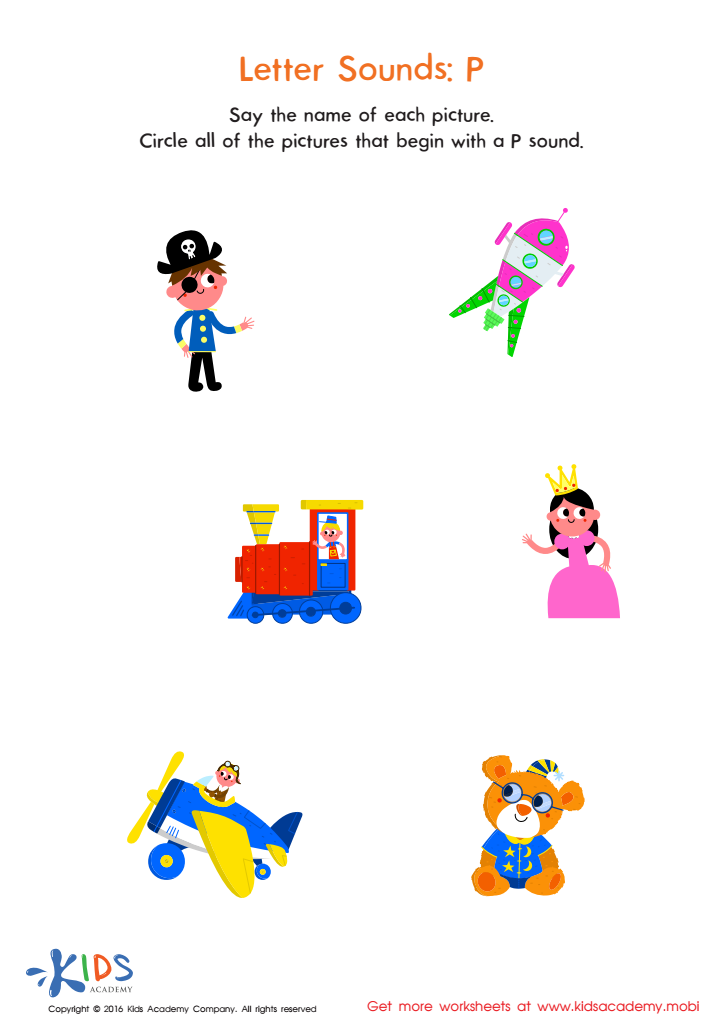
Letter P Sound Worksheet
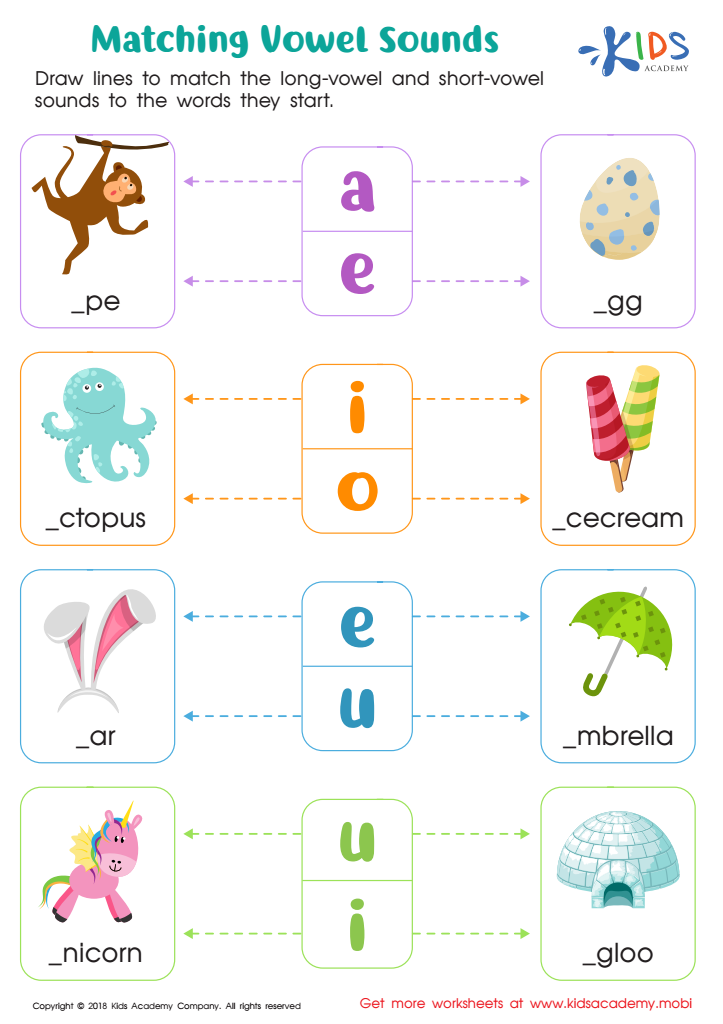
Matching Vowel Sounds Worksheet
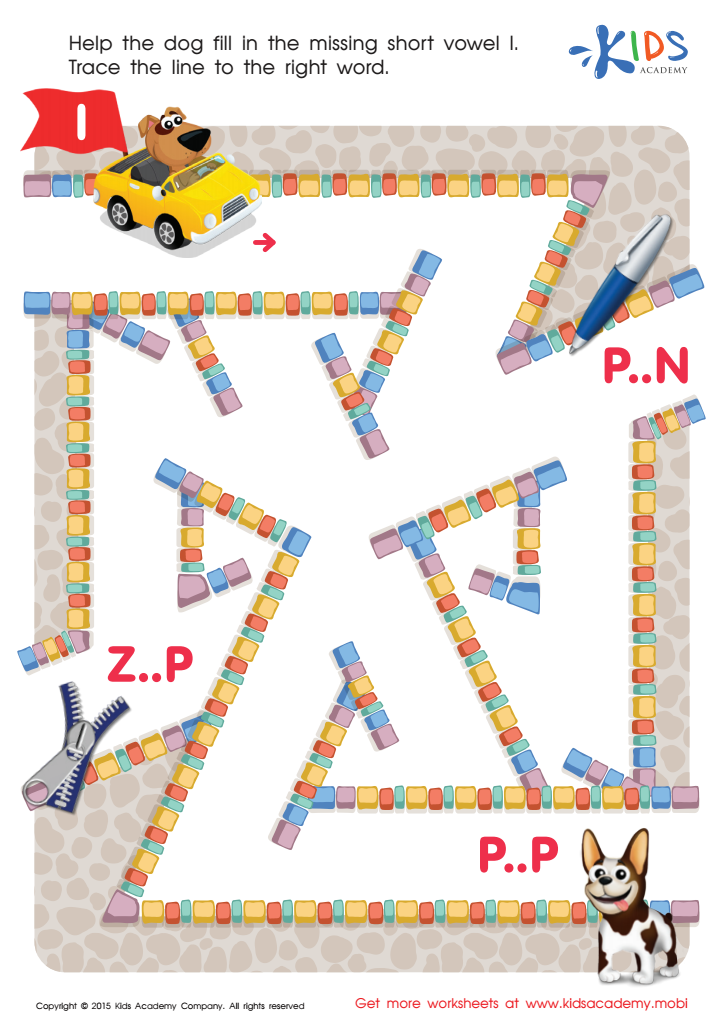
Short Vowel Sound I Worksheet
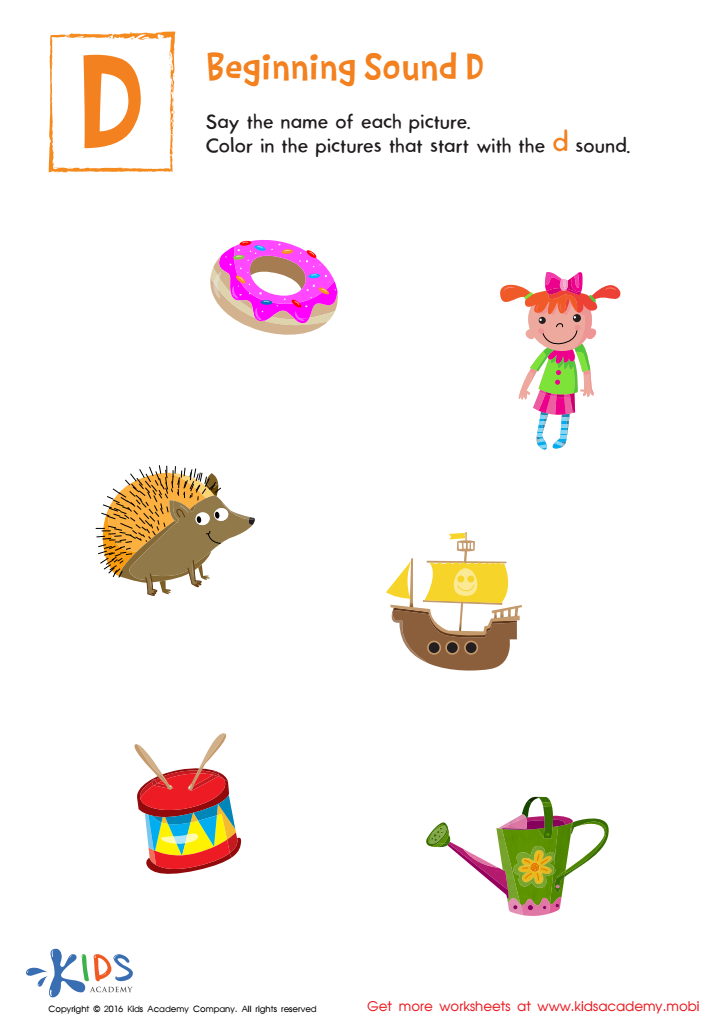
Beginning Sound D Worksheet








Phonics development is crucial for 5-year-olds as it lays the foundation for reading and literacy skills. Understanding phonics—the relationship between letters and sounds—enables young learners to decode words, which is essential for reading fluency. Parents and teachers should prioritize phonics because early readers who grasp these concepts are more likely to develop confidence in their reading abilities, leading to a lifelong love for books.
Moreover, phonics instruction aids in vocabulary building and comprehension, essential skills not just for reading but for effective communication in all areas of learning. By mastering phonics, children can better understand how letters combine to form sounds and words, allowing them to tackle new and complex vocabulary as they grow.
Additionally, success in reading positively impacts other academic areas, influencing overall educational achievement. Engaging parents through activities that support phonics—like reading together or playing sound-based games—can enhance the learning experience and strengthen family bonds. For teachers, incorporating structured phonics instruction into the curriculum equips students with the necessary tools to become adept readers, setting them on a path to academic success. Ultimately, fostering phonics development is a shared responsibility that reaps long-term benefits for children’s education.







