Vocabulary expansion Phonics Worksheets for 5-Year-Olds - Page 2
29 filtered results
-
From - To
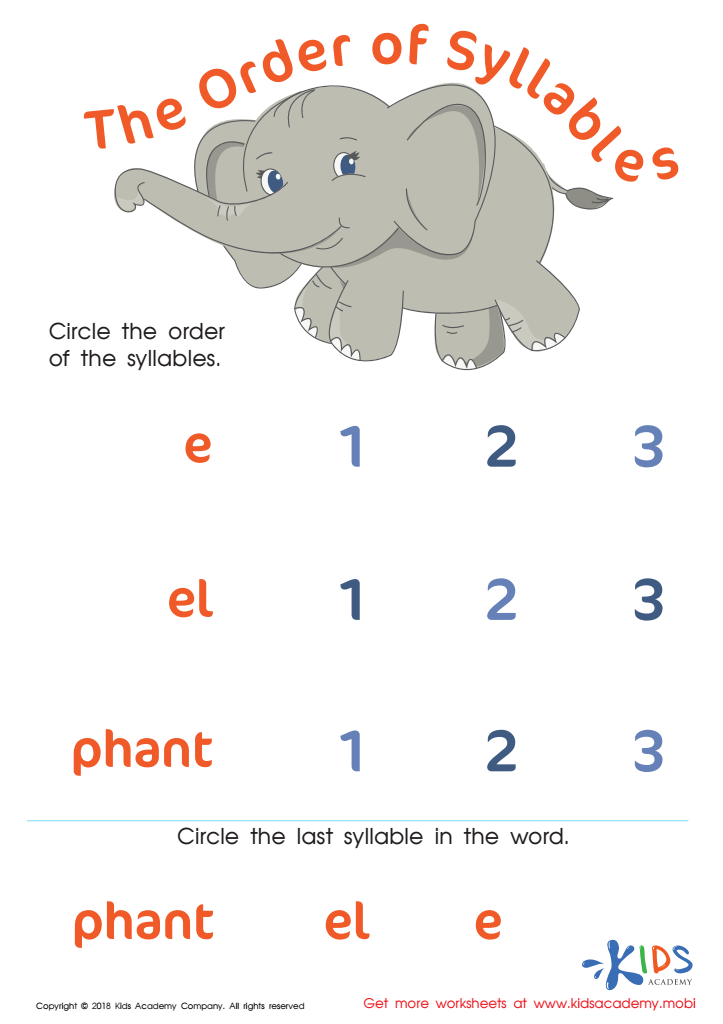
The Order of Syllables Worksheet
 Assign to My Students
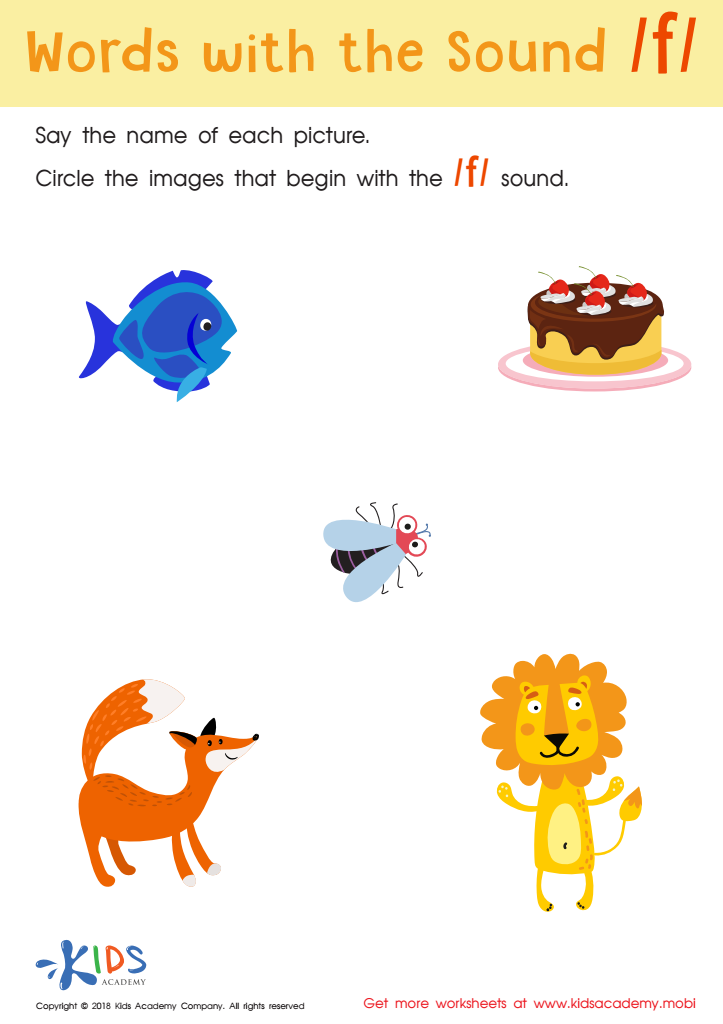
Words with sound f Reading Worksheet
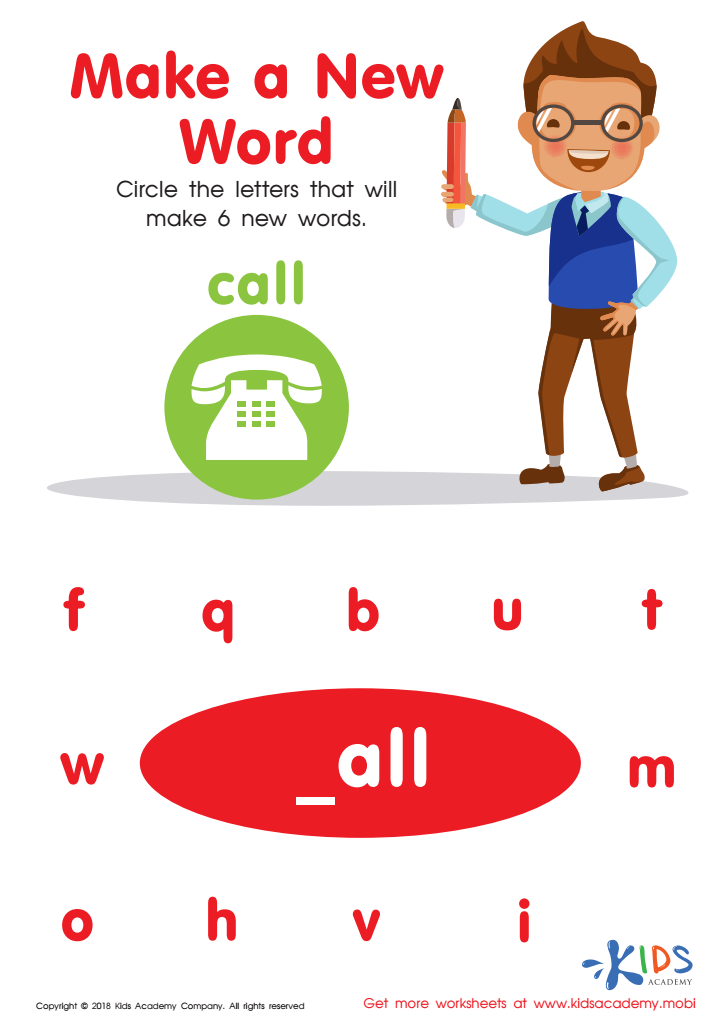
Make a New Word Worksheet
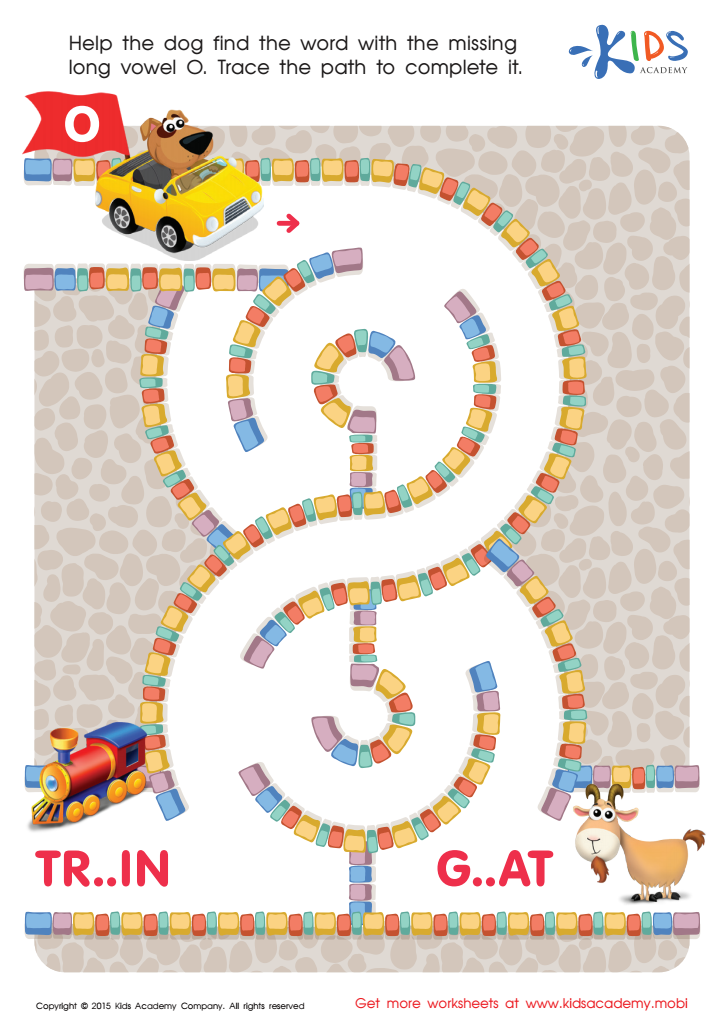
Long Vowel Sound O Worksheet
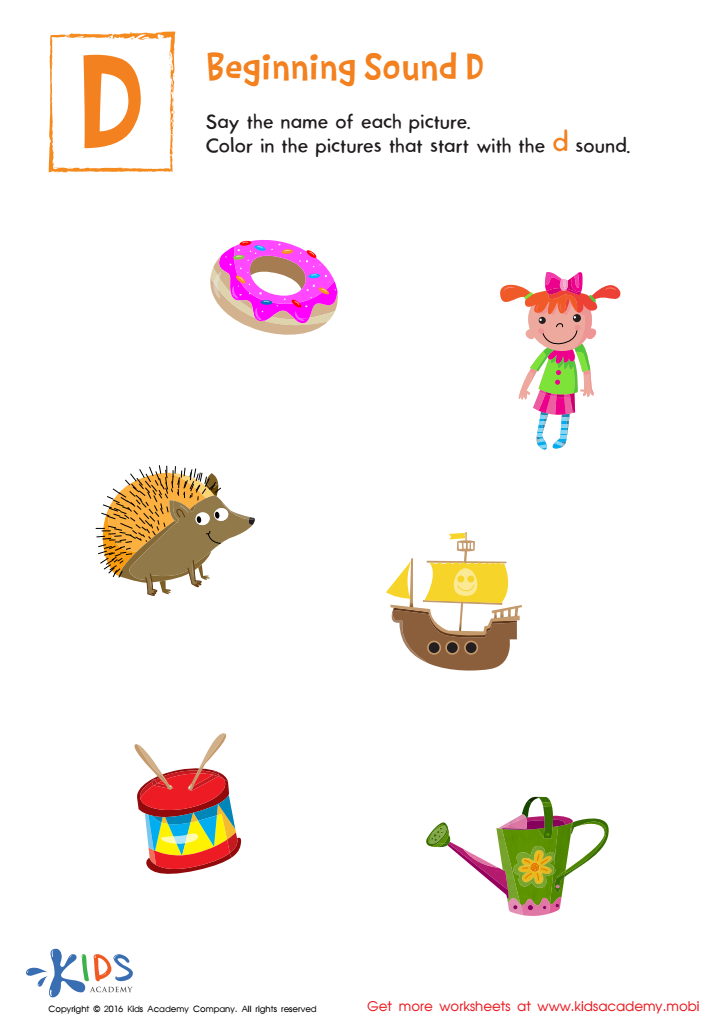
Beginning Sound D Worksheet








Parents and teachers should prioritize vocabulary expansion and phonics for 5-year-olds because these foundational skills are crucial for literacy development and future academic success. At this stage, children’s brain development is at its peak for language acquisition, making it an ideal time to introduce new words and sounds.
Vocabulary expansion helps children express themselves and comprehend spoken and written language more effectively. A rich vocabulary supports better communication skills, fostering confidence in young learners. Phonics, the relationship between letters and sounds, is essential for reading. It enables children to decode unfamiliar words and encourages them to engage with text independently.
Understanding phonics also promotes spelling and writing skills, reinforcing the connection between reading and writing. When children have a solid grasp of vocabulary and phonics, they become more enthusiastic readers, enjoying stories and information rather than being daunted by text.
Moreover, engaging in vocabulary-expanding activities fuels critical thinking and creativity, enabling children to make connections across various subjects. By supporting vocabulary and phonics development, parents and teachers pave the way for successful lifelong learners who can navigate and thrive in their educational journeys. Investing in these skills at an early age has long-lasting benefits for children.







