Alphabet Recognition Tracing Letters Worksheets for 5-Year-Olds - Page 2
28 filtered results
-
From - To
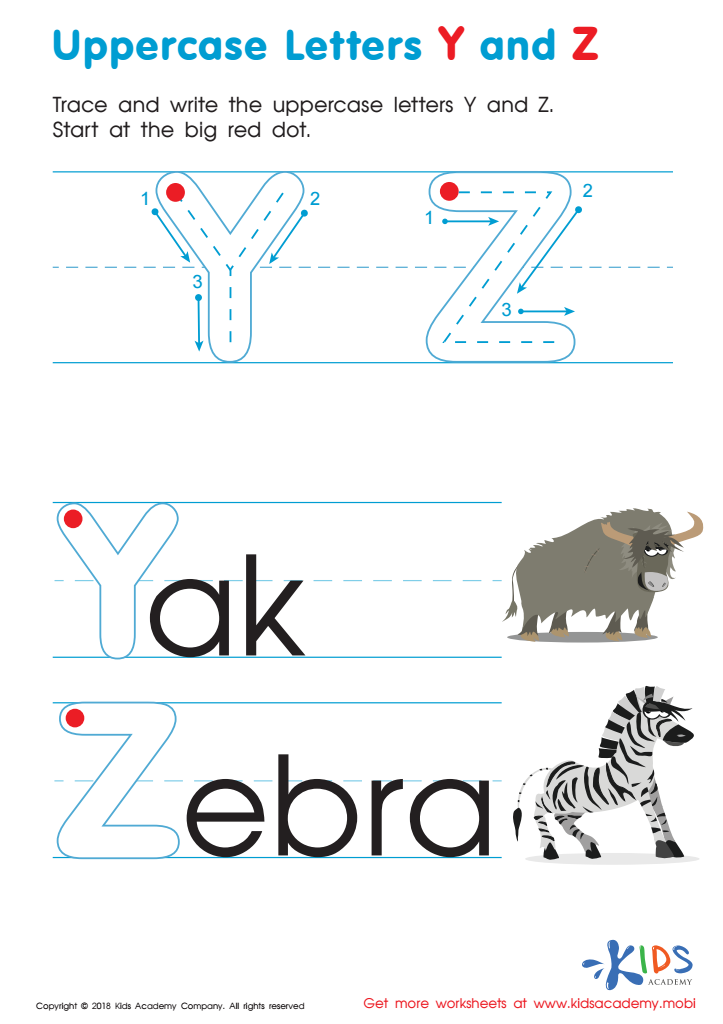
Uppercase Letters Y Z Worksheet
 Assign to My Students
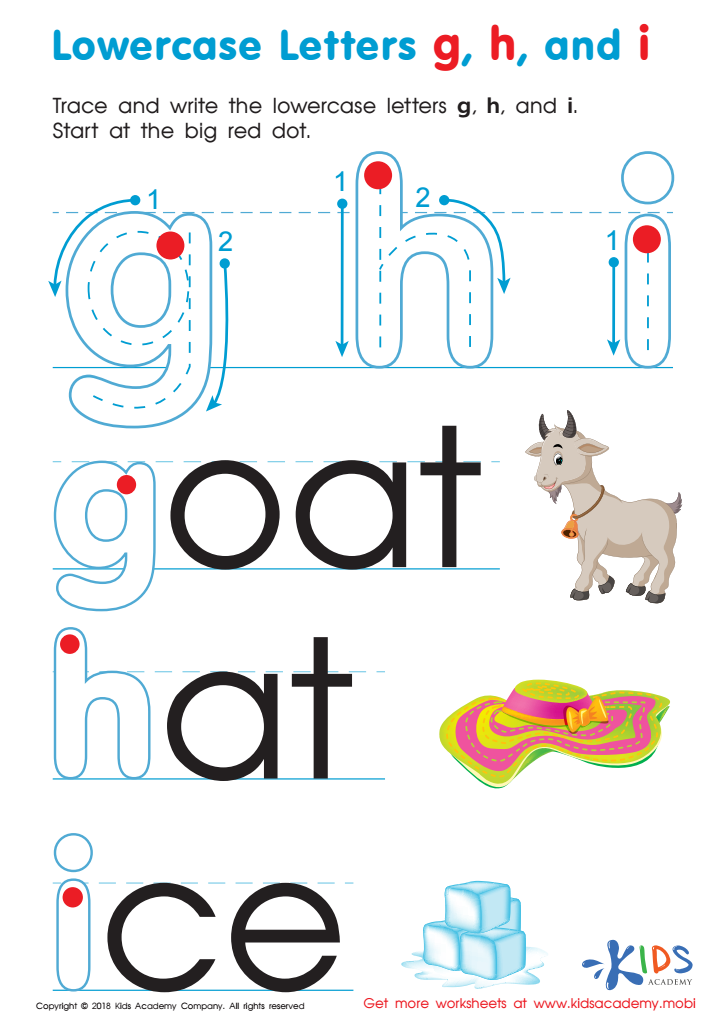
Lowercase Letters g h i Worksheet
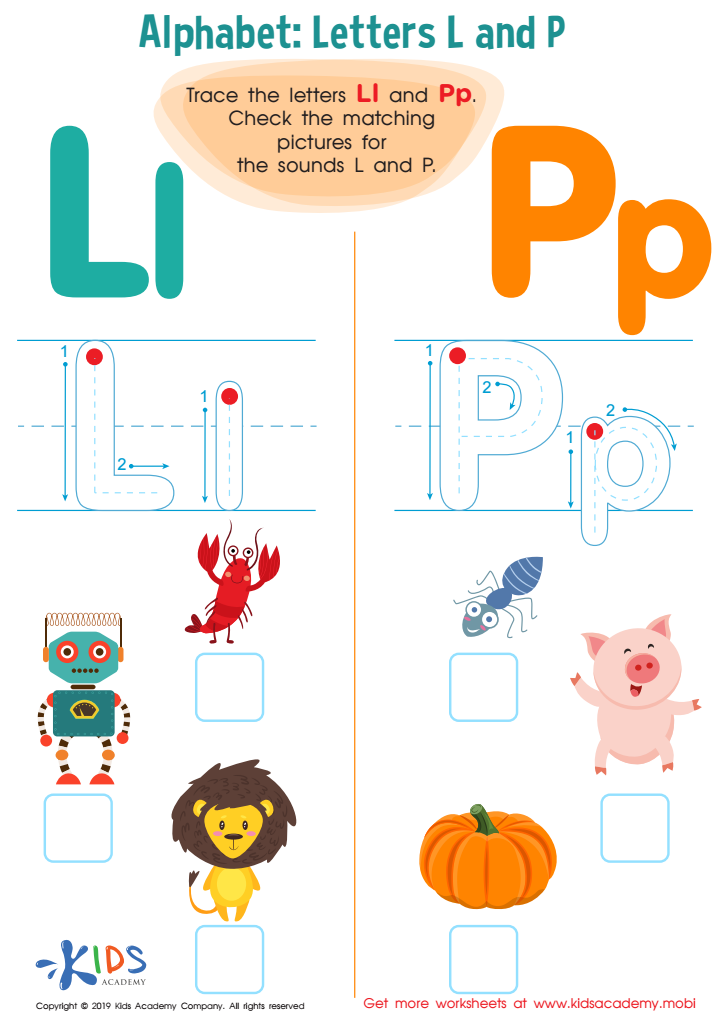
Letter L and P Tracing Worksheet
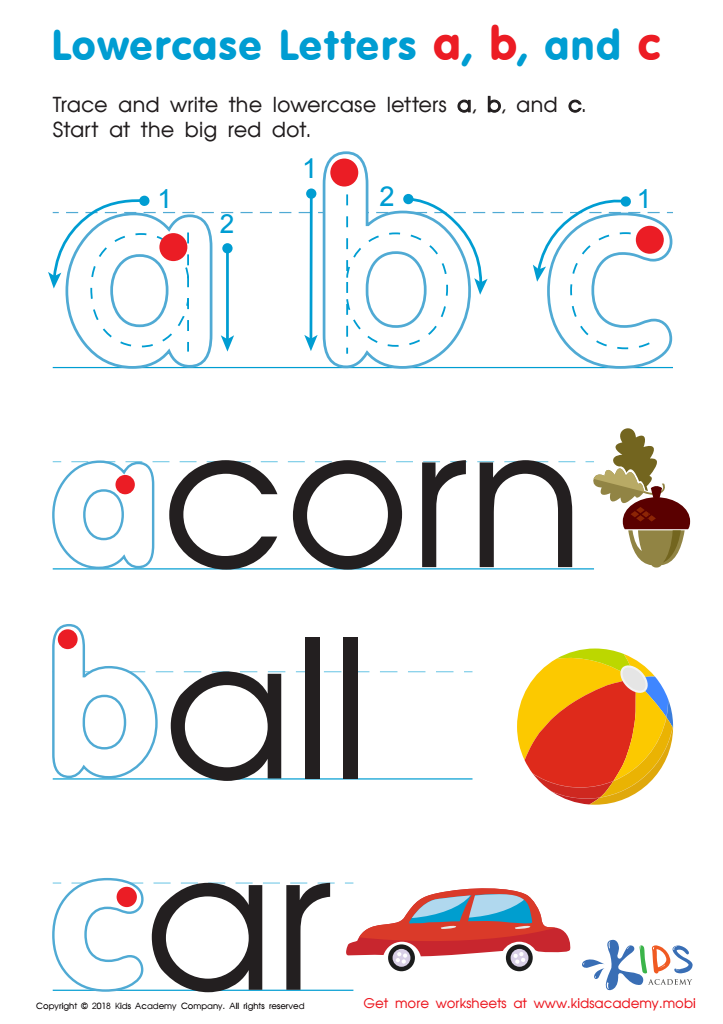
Lowercase Letters a b c Worksheet








Alphabet recognition and tracing letters are crucial components of early childhood education that significantly influence a child's foundational skills. At the age of five, children are generally beginning their kindergarten journey, a critical period for cognitive and motor skill development. Cultivating alphabet recognition during this stage ensures that children can identify letters, understand their shapes, and associate them with their corresponding sounds. This foundational knowledge is essential for developing reading skills, which are a cornerstone of future academic success.
Tracing letters further reinforces this learning process by improving fine motor skills. As children trace, they develop hand-eye coordination, muscle memory, and handwriting proficiency. These skills are vital not only for writing but also for tasks requiring fine motor control, such as using scissors and tying shoelaces.
Moreover, engaging in these activities boosts a child's confidence and fosters a positive attitude towards learning. When parents and teachers invest time in alphabet recognition and tracing exercises, they provide a supportive environment that encourages curiosity and a love for literacy. This early intervention sets a solid educational foundation, enabling children to tackle more complex linguistic and academic challenges with greater ease and enthusiasm, thus paving the way for lifelong learning and success.








