Handwriting practice Tracing Letters Worksheets for 5-Year-Olds - Page 2
28 filtered results
-
From - To
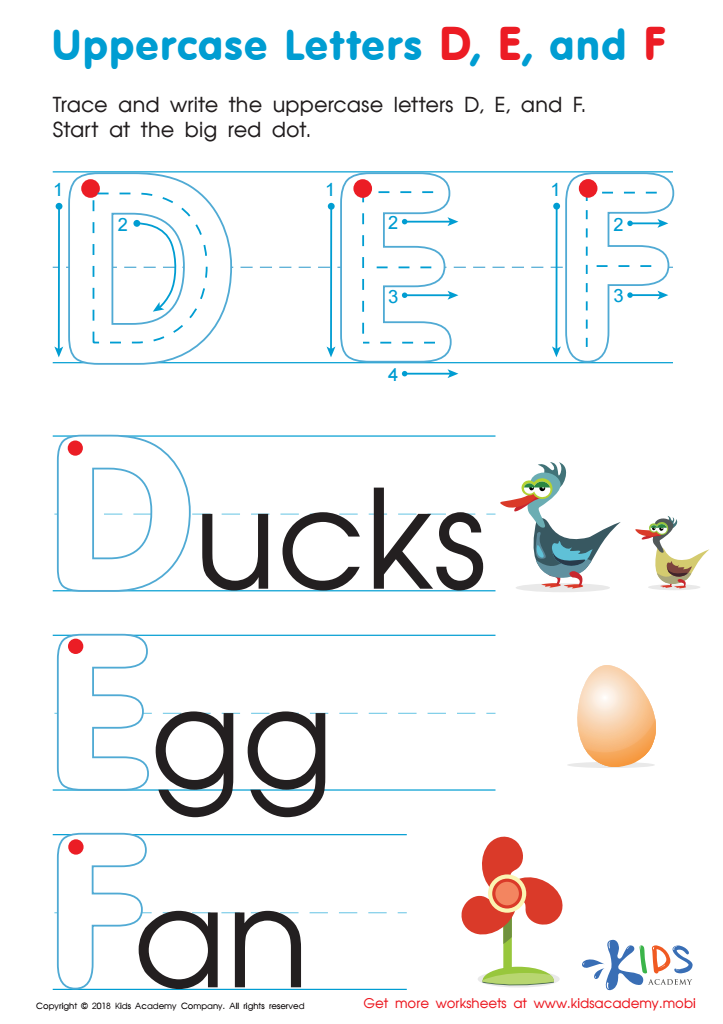
Uppercase Letters D, E, and F Worksheet
 Assign to My Students

Uppercase Letters Y Z Worksheet
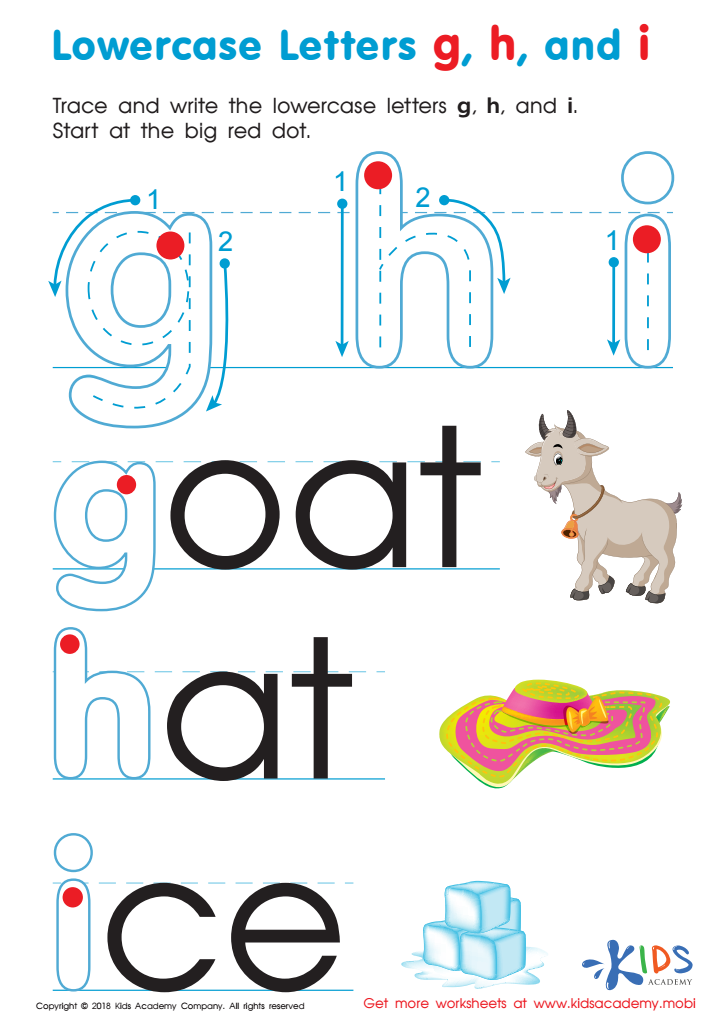
Lowercase Letters g h i Worksheet
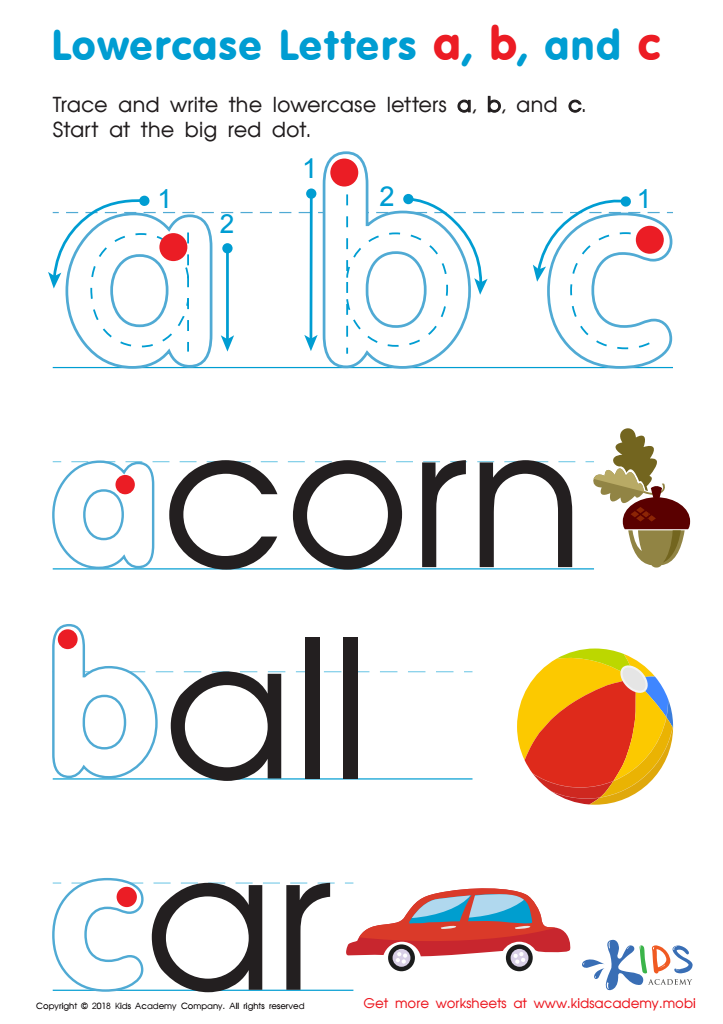
Lowercase Letters a b c Worksheet







Handwriting practice, especially tracing letters, is crucial for 5-year-olds as it builds foundational skills for literacy and motor development. At this age, children are developing their fine motor skills, which are essential not only for handwriting but also for many daily tasks such as dressing, eating, and playing. By tracing letters, children practice precise hand movements and gain control over their fingers and hands. This helps them develop the dexterity needed to write legibly and efficiently.
Additionally, tracing letters plays a significant role in cognitive development. It reinforces letter recognition and understanding, which are fundamental skills for reading and writing. When children repetitively trace letters, they internalize the shapes and forms, improving their ability to recall and reproduce them independently. This process enhances memorization and supports the development of literacy skills, enabling smoother transitions into reading and writing sentences.
Moreover, tracing can also contribute to a child’s patience and concentration. Activities like tracing letters may seem simple, but they require focus and determination, which foster persistence and attention to detail. These traits are beneficial in their broader academic journey and everyday life.
Ultimately, handwriting practice through tracing letters sets the stage for academic success and personal growth, making it a valuable activity for young learners.








