Letter Tracing Practice Tracing Letters Worksheets for 5-Year-Olds
5 filtered results
-
From - To
Enhance your child’s writing skills with our engaging "Letter Tracing Practice Worksheets" designed specifically for 5-year-olds! These fun and interactive resources provide a step-by-step approach, allowing young learners to practice both uppercase and lowercase letters. Each worksheet is tailored to strengthen fine motor skills and letter recognition, ensuring a solid foundation in literacy. Featuring colorful illustrations and easy-to-follow guidelines, our tracing activities keep children motivated while they learn. Perfect for parents and teachers, these worksheets can be printed at home or in the classroom, making letter learning an enjoyable experience. Get your child excited about letters today!
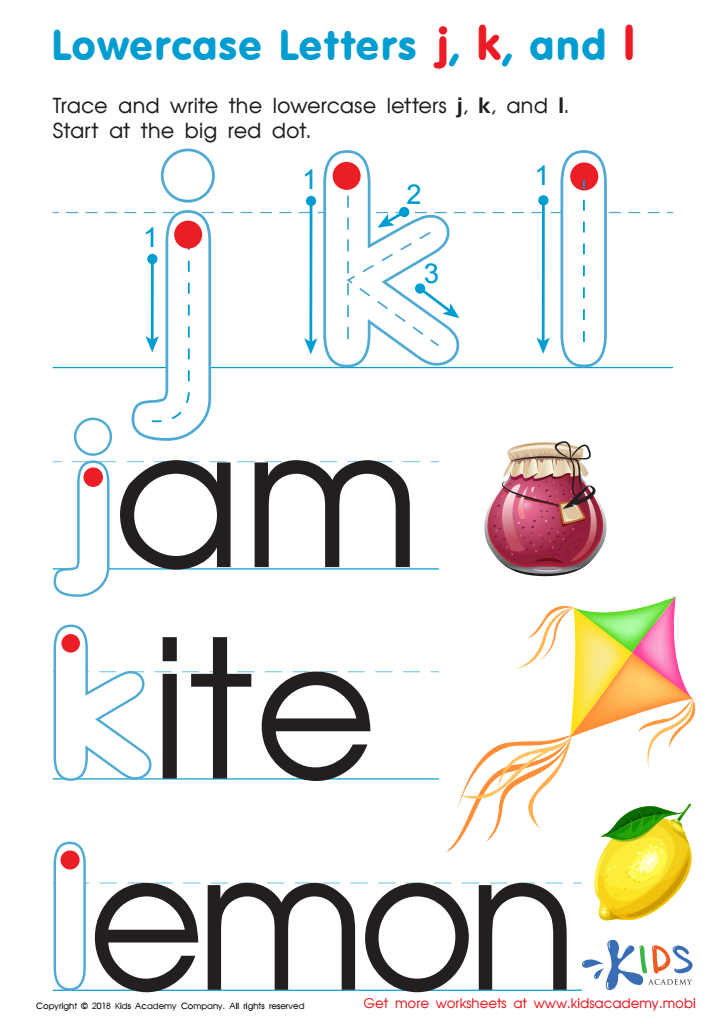
Lowercase Letters j k l Worksheet
 Assign to My Students
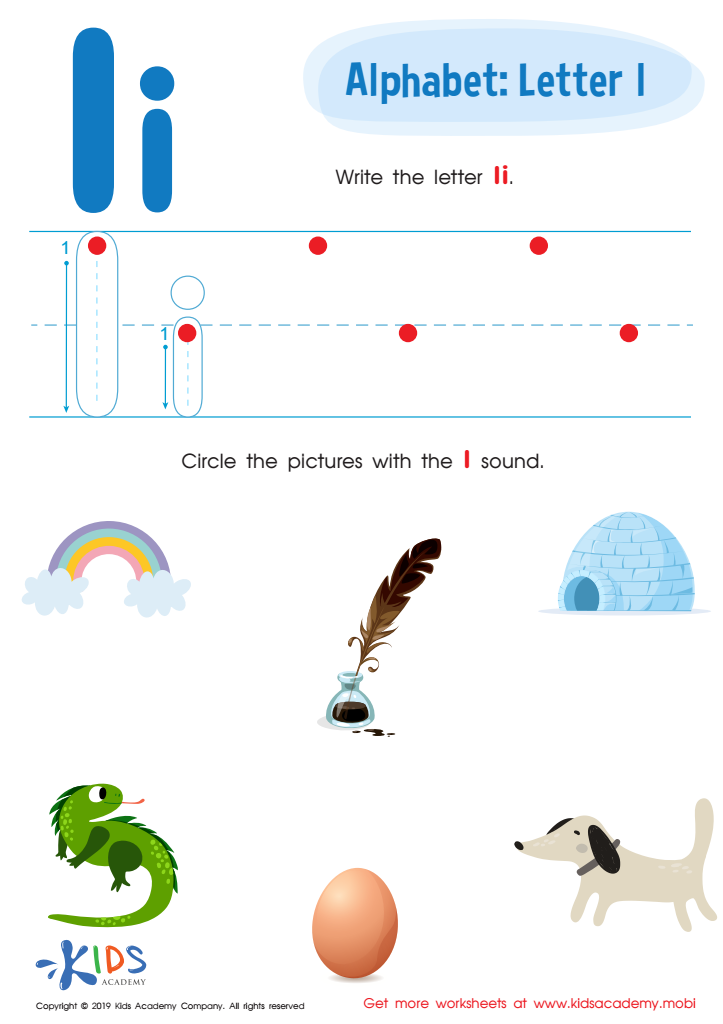
Letter I Tracing Worksheet
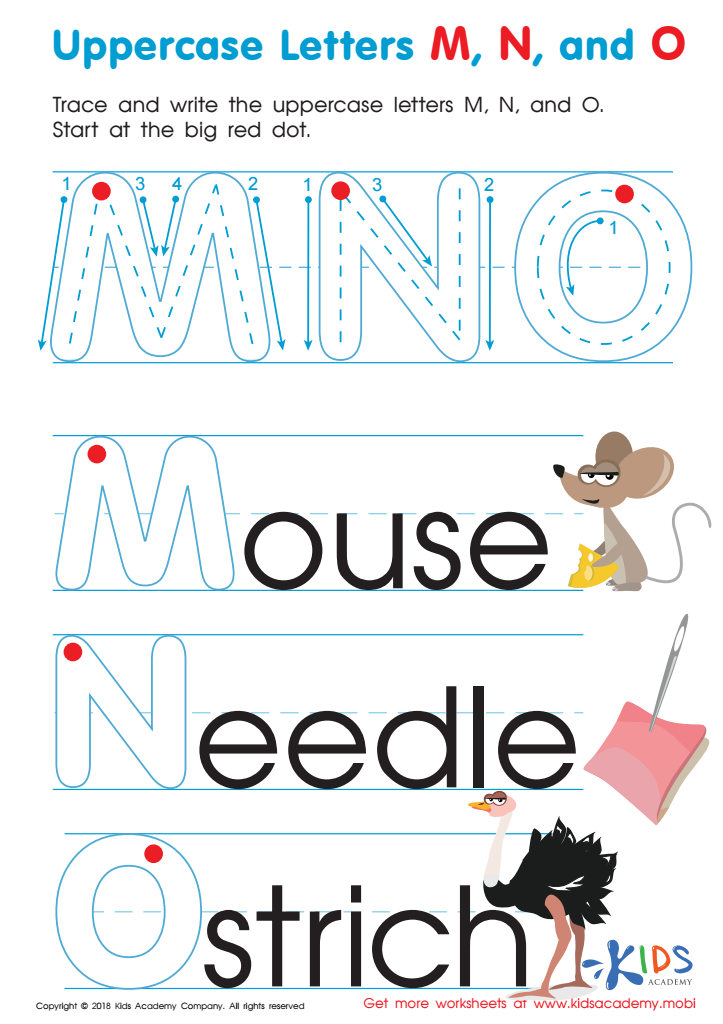
Uppercase Letters M, N, and O Worksheet
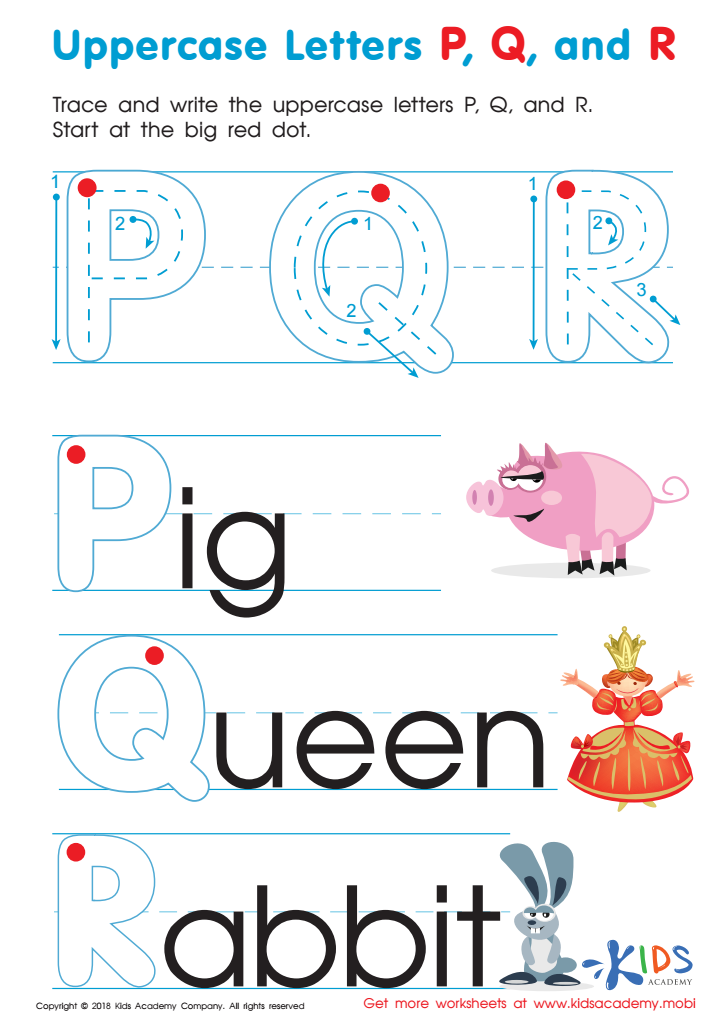
Uppercase Letters P, Q, and R Worksheet
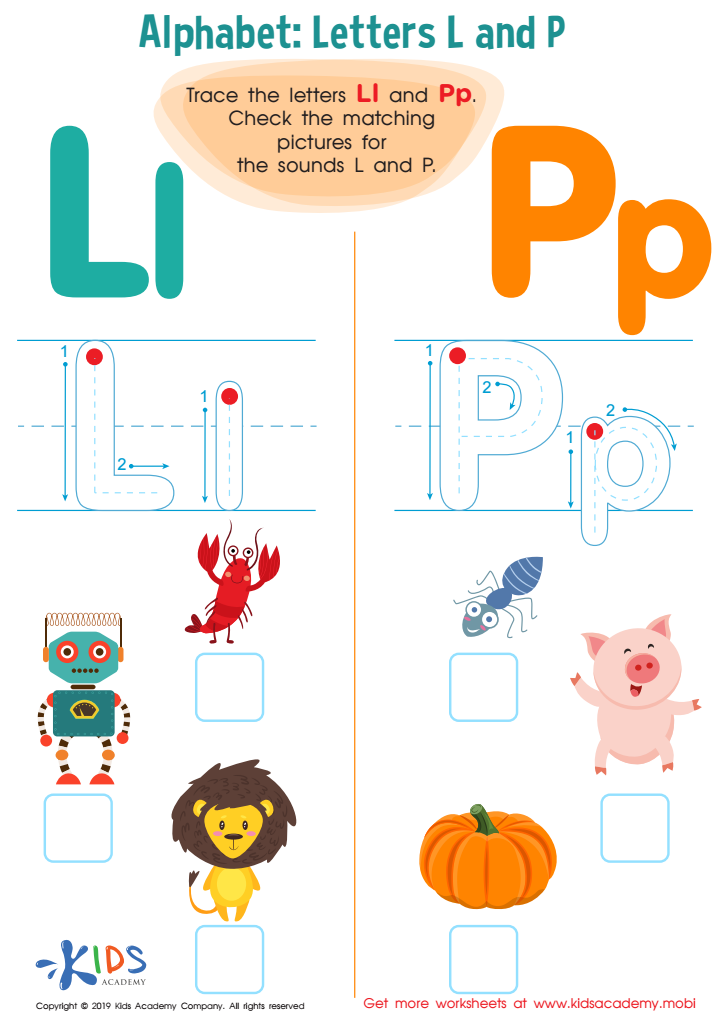
Letter L and P Tracing Worksheet







Letter tracing practice is a vital activity for 5-year-olds as it lays the foundation for essential literacy skills. At this age, children are developing fine motor skills, hand-eye coordination, and cognitive abilities that are crucial for writing. Tracing letters helps them understand the shapes and sounds of each letter, reinforcing their connection between visual symbols and language.
Moreover, engaging in letter tracing fosters confidence in their writing abilities. As children trace letters, they can experience success, boosting their motivation and enthusiasm for learning. This practice can also improve their grip on writing instruments, which is key for their overall writing development.
Additionally, parents and teachers can intertwine tracing with phonetic awareness by encouraging kids to vocalize the sounds produced by each letter. This dual approach enhances language skills and prepares them for future reading endeavors.
Furthermore, consistent tracing can opEration-adjust an individualized learning experience, allowing children to progress at their own pace. By prioritizing letter tracing, parents and teachers are not only facilitating skill development but also nurturing a love for learning that can greatly benefit children as they embark on their educational journeys.








