Story comprehension Coloring Pages Worksheets for 5-Year-Olds
3 filtered results
-
From - To
Explore our engaging Story Comprehension Coloring Pages Worksheets designed specifically for 5-year-olds! These interactive resources blend creativity with learning, allowing young children to color while enhancing their understanding of storytelling. Each worksheet includes fun illustrations coupled with simple narratives that encourage kids to recall details, identify characters, and think critically about the story. These worksheets foster imagination, improve fine motor skills, and help develop essential reading comprehension abilities. Perfect for classrooms or at-home learning, our Story Comprehension Coloring Pages offer a playful and educational approach to help little ones dive into the world of stories while having fun with colors!
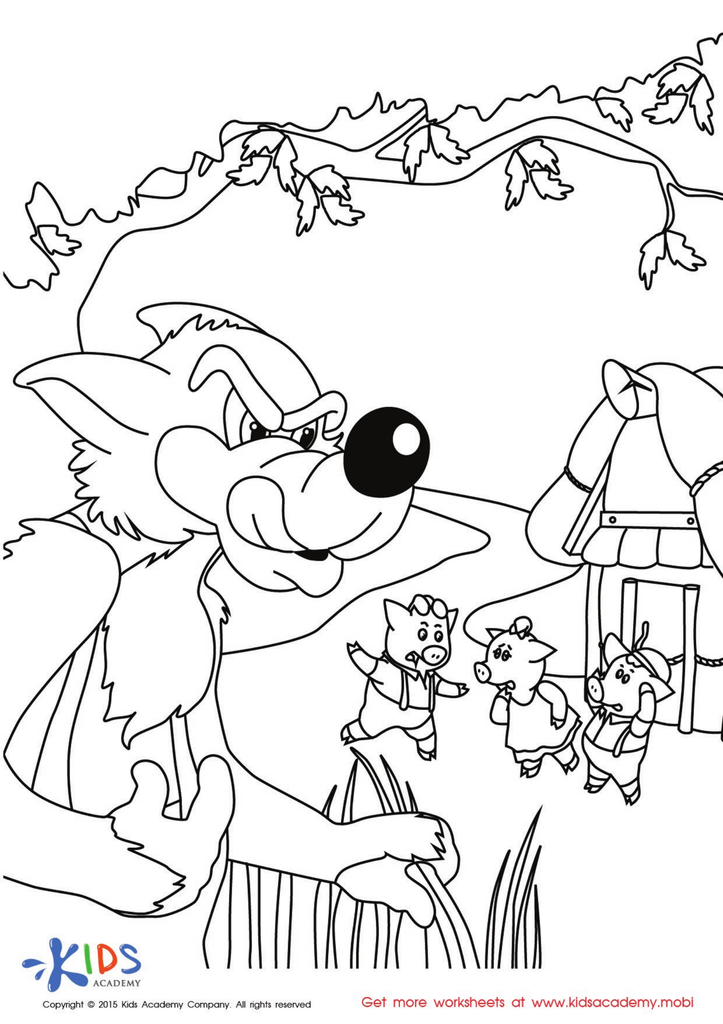
The Story of the Three Little Pigs Coloring Worksheet
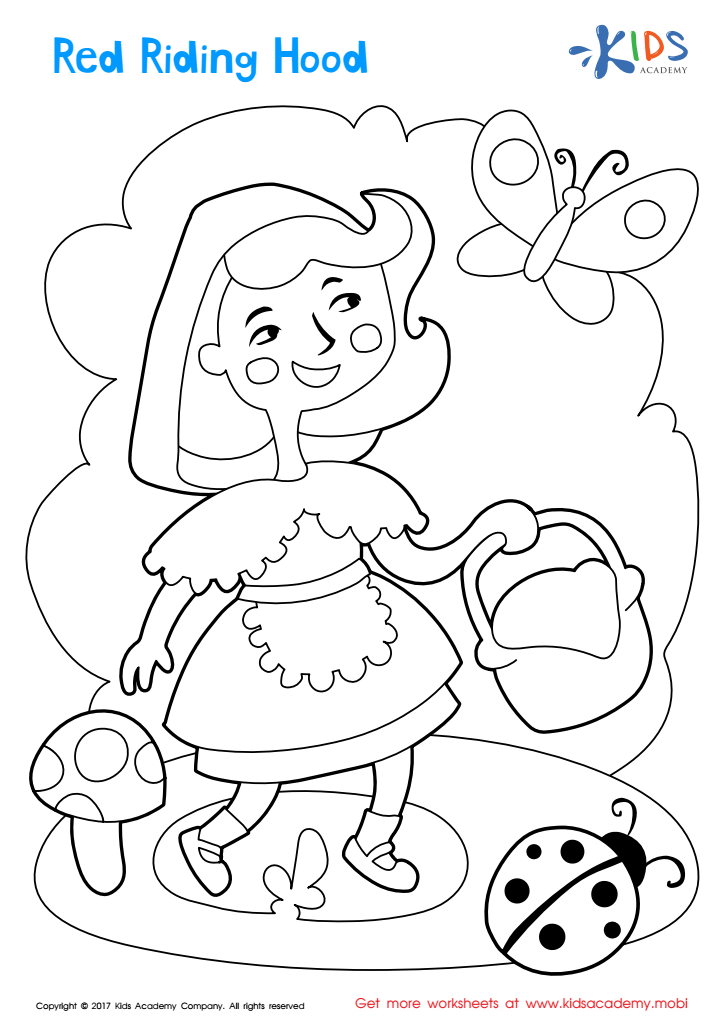
Red Riding Hood Coloring Page
 Assign to My Students
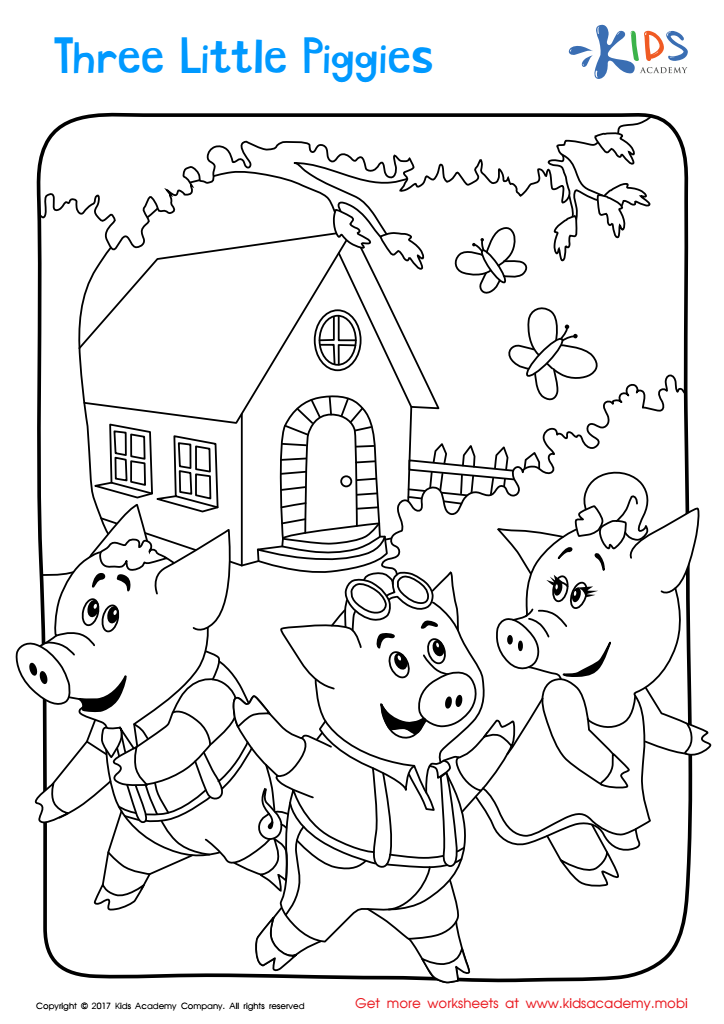
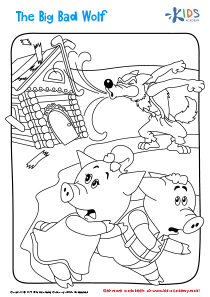
Three Little Piggies Printable Coloring Page
Assign to My Students







Story comprehension coloring pages are invaluable tools for parents and teachers of 5-year-olds, as they seamlessly blend creativity with learning. Engaging children in coloring pages based on stories enhances their reading comprehension skills. When little ones color scenes or characters from a tale they just heard, they actively process the narrative, reinforcing main ideas, sequencing, and character recognition. This hands-on activity helps solidify their understanding of the story.
Moreover, these coloring pages promote fine motor skills crucial for their overall development. As children manipulate crayons or markers, they enhance hand-eye coordination, dexterity, and control, essential for writing skills later on.
Coloring also serves as a calming activity, reducing anxiety while allowing children to express their emotions and creativity. Importantly, parents and teachers can use these pages to spark discussions about colors, emotions, and story elements, further deepening children’s critical thinking and verbal skills.
Lastly, integrating fun with learning through story comprehension coloring pages ensures that kids associate reading with enjoyment. This positive reinforcement nurtures a lifelong love for reading and strengthens the foundational skills they will rely on throughout their educational journey. Thus, prioritizing these activities can substantially benefit young learners in multiple developmental dimensions.