Basic Math understanding Worksheets for 5-Year-Olds
10 filtered results
-
From - To
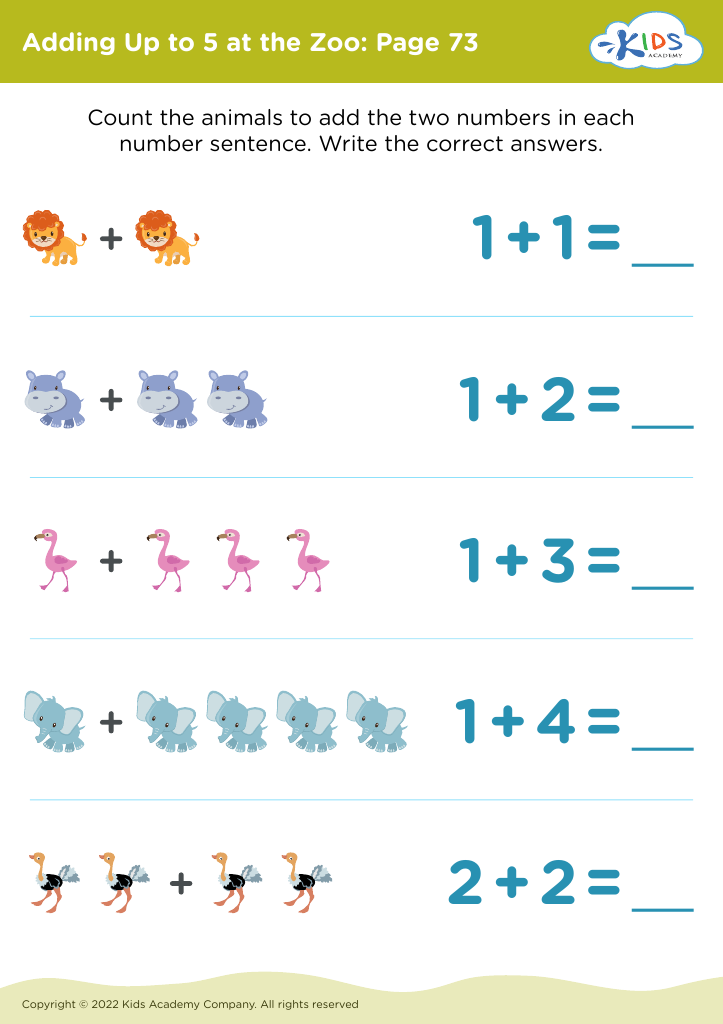
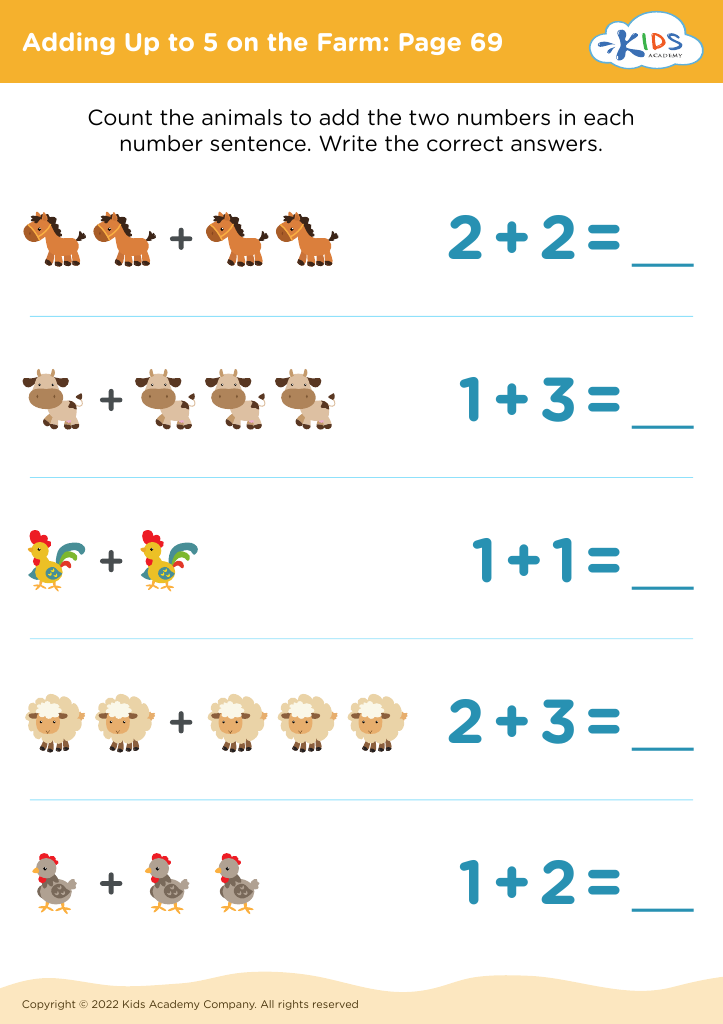
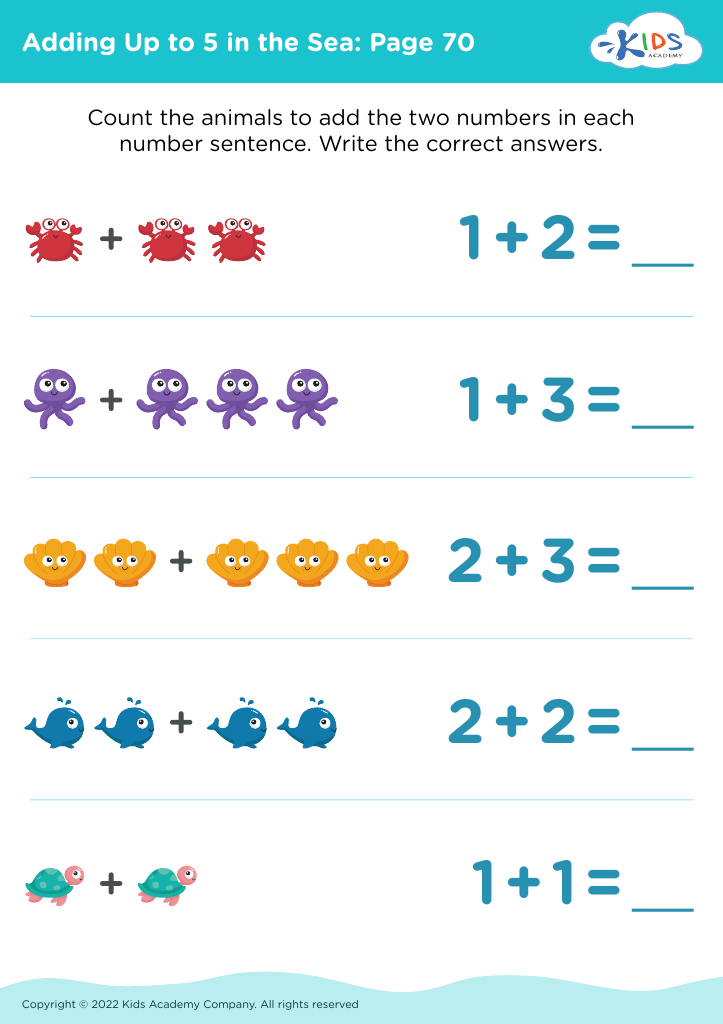
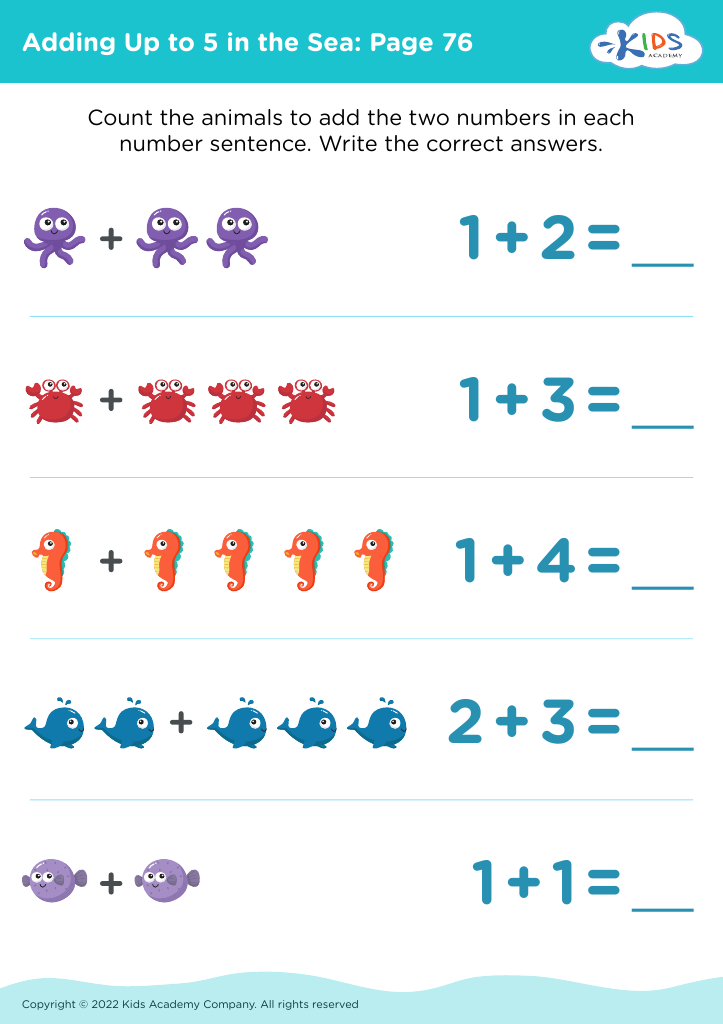
Discover our engaging Basic Math Understanding Worksheets designed specifically for 5-year-olds. These colorful, interactive materials help young learners build foundational math skills through fun activities like counting, number recognition, and simple addition and subtraction. Each worksheet is crafted to enhance critical thinking and problem-solving abilities while keeping children entertained and motivated. Perfect for at-home learning or classroom activities, these worksheets foster early numeracy skills, setting the stage for future success in mathematics. Explore our diverse collection today and watch your child gain confidence while mastering essential math concepts in a playful and supportive environment!
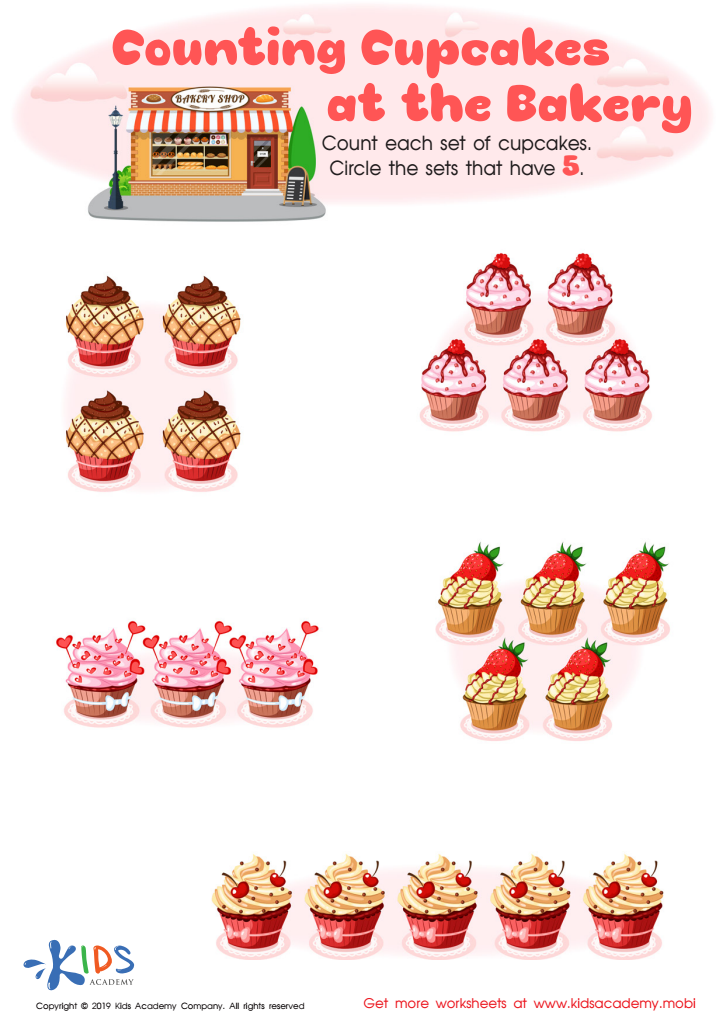
Counting Cupcakes Worksheet
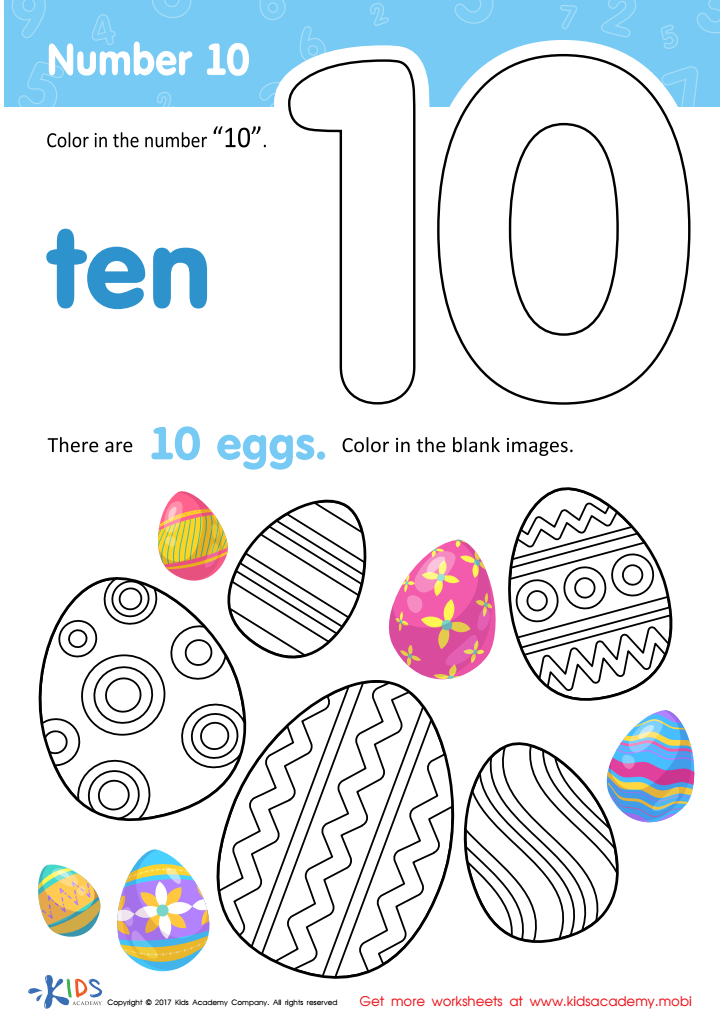
Number 10 Printable
 Assign to My Students
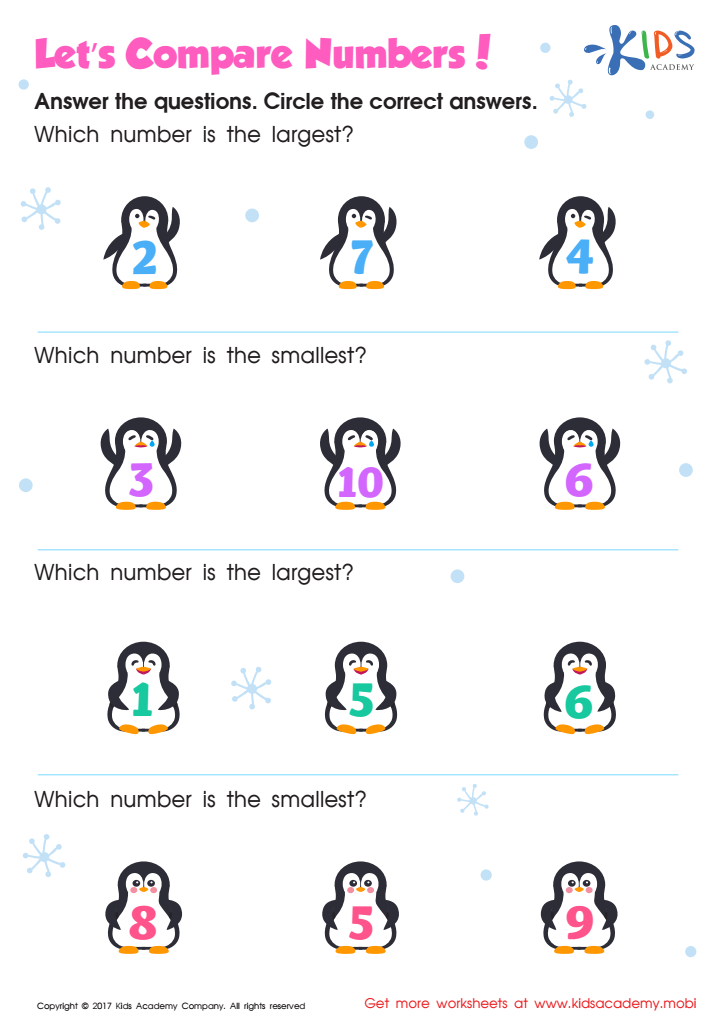
Comparing Numbers 1–10 Worksheet Kindergarten
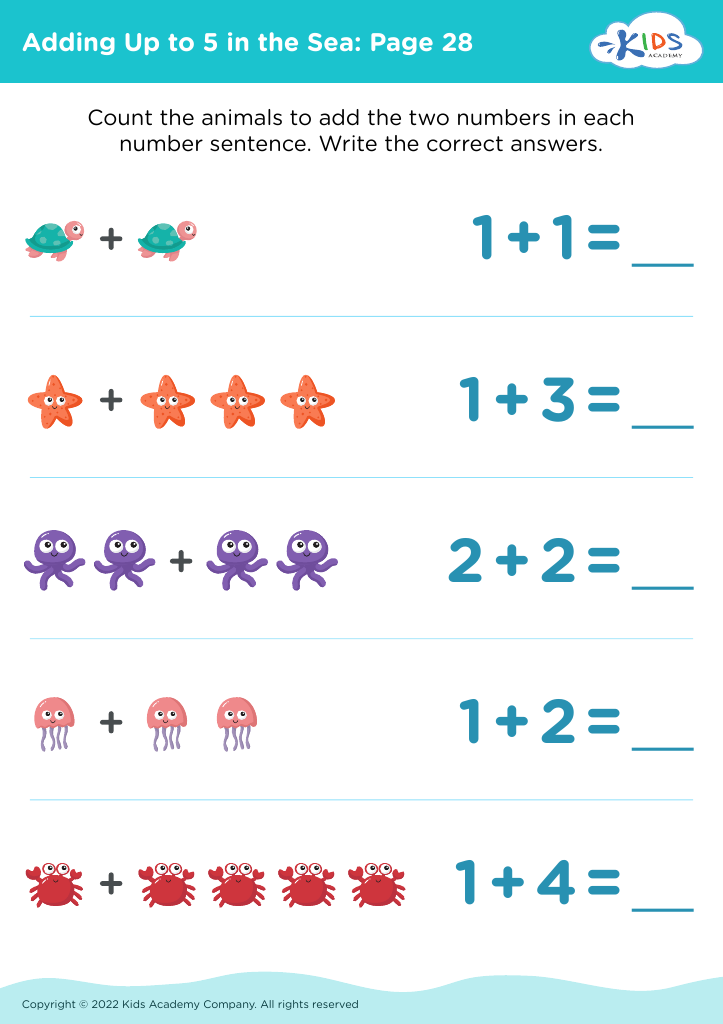



.jpg)



Understanding basic math concepts at an early age is crucial for a child's cognitive development and future academic success. For 5-year-olds, early math skills lay the groundwork for more complex mathematical ideas they will encounter later on. Engaging with numbers, counting, and simple operations helps children develop critical thinking and problem-solving abilities, promoting logical reasoning skills that extend beyond math.
Parents and teachers should care about basic math understanding for this age group because early learning experiences significantly shape children's attitudes toward mathematics. A strong foundation fosters confidence, reduces math anxiety, and cultivates a positive learning mindset. When children grasp basic math concepts, they are more likely to engage actively in learning, making it easier to grasp more challenging topics later in their education.
Furthermore, basic math skills are applicable in everyday life, from simple counting during playtime to understanding shapes and patterns in the environment. By supporting early math learning, parents and teachers ensure children recognize the importance of math in real-world situations, making learning not only more relatable but also enjoyable. As a result, fostering basic math understanding prepares children not just academically but also for daily problem-solving challenges as they grow.








