Developing fine motor skills Worksheets for 5-Year-Olds
5 filtered results
-
From - To
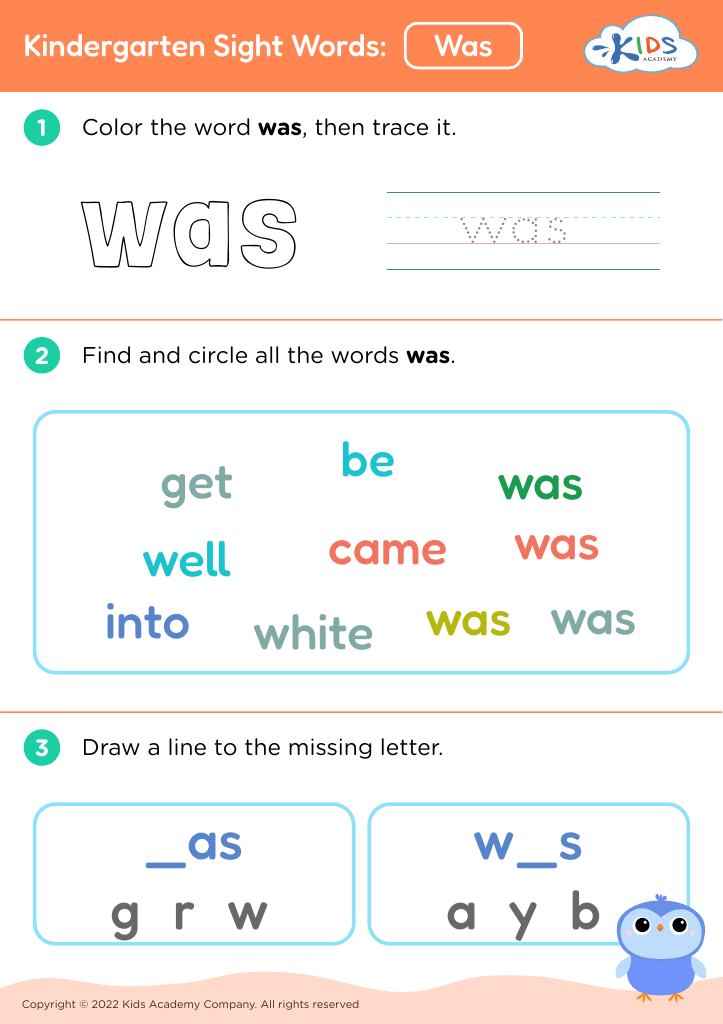
Unlock your child's potential with our engaging fine motor skills worksheets designed specifically for 5-year-olds! These printable resources are perfect for enhancing coordination and dexterity, essential for handwriting, crafting, and everyday tasks. Filled with fun activities like tracing, coloring, cutting, and pasting, our worksheets encourage children to practice and master their fine motor skills while having a blast! Each activity is crafted to align with learning objectives, ensuring a seamless integration into your child's educational journey. Explore our collection today and support your little learner as they develop confident and capable hands for their future giggles and successes!
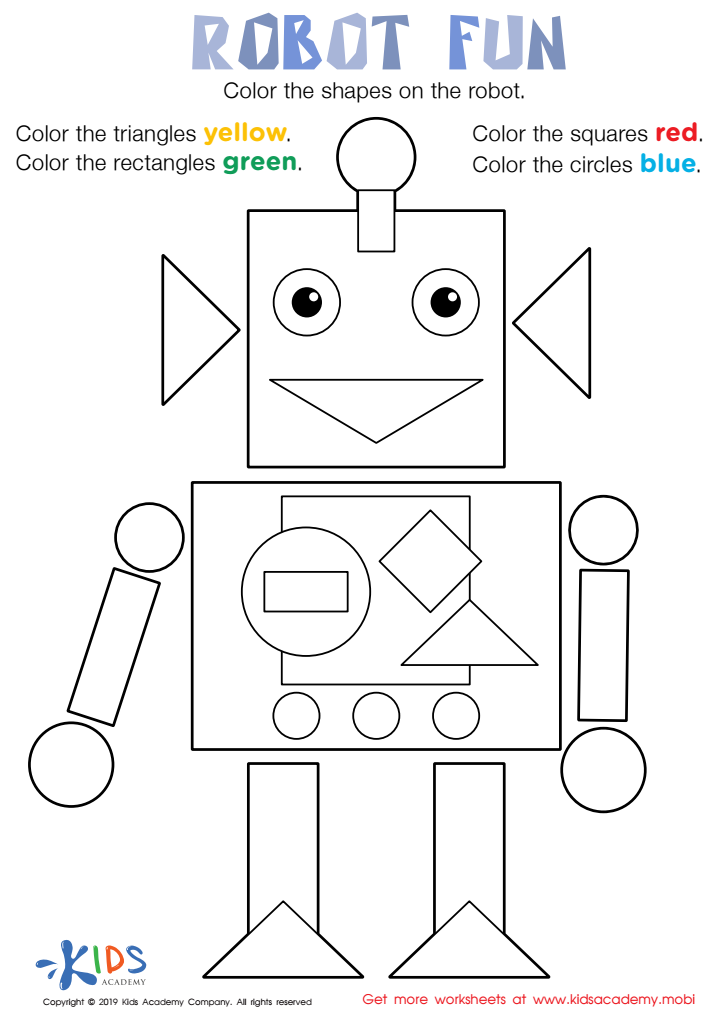
Robot Fun Worksheet
 Assign to My Students






Developing fine motor skills in 5-year-olds is crucial for several reasons that both parents and teachers should prioritize. Firstly, fine motor skills involve the small muscles in hands, fingers, and wrists, which are essential for everyday tasks such as writing, drawing, buttoning shirts, and tying shoelaces. As children become more adept in these areas, they build confidence and independence in their daily activities.
Furthermore, fine motor skills are foundational for academic success. Proficiency in writing and manipulating classroom materials directly affects a child's ability to participate in learning activities and communicate their thoughts effectively. Teachers recognize that fine motor development is closely linked to cognitive skills; engaging in hands-on tasks can enhance problem-solving abilities and foster creativity.
Additionally, activities that develop fine motor skills often promote social interaction and cooperation among peers, embedding important social-emotional skills vital for overall development. Parents can support this growth through playful activities like arts and crafts, puzzles, and games that involve manipulation.
In summary, prioritizing fine motor skill development at this age can significantly influence a child's self-esteem, academic competence, and social interactions, laying a strong foundation for their future both in and outside of the classroom.








