Improve vocabulary Worksheets for 5-Year-Olds
4 filtered results
-
From - To
Boost your 5-year-old’s vocabulary with our fun, engaging worksheets designed specifically for young learners! Our printable vocabulary improvement activities help children familiarize themselves with new words through interactive exercises, illustrations, and relatable contexts. Each worksheet promotes language development, phonetic skills, and word recognition, making learning enjoyable and effective. From matching pictures to words to identifying synonyms and antonyms, our diverse range of worksheets caters to every child's learning pace. Encourage a love for language in your child while enhancing their communication skills. Explore our collection and watch your little one's vocabulary flourish! Ideal for home or classroom use.
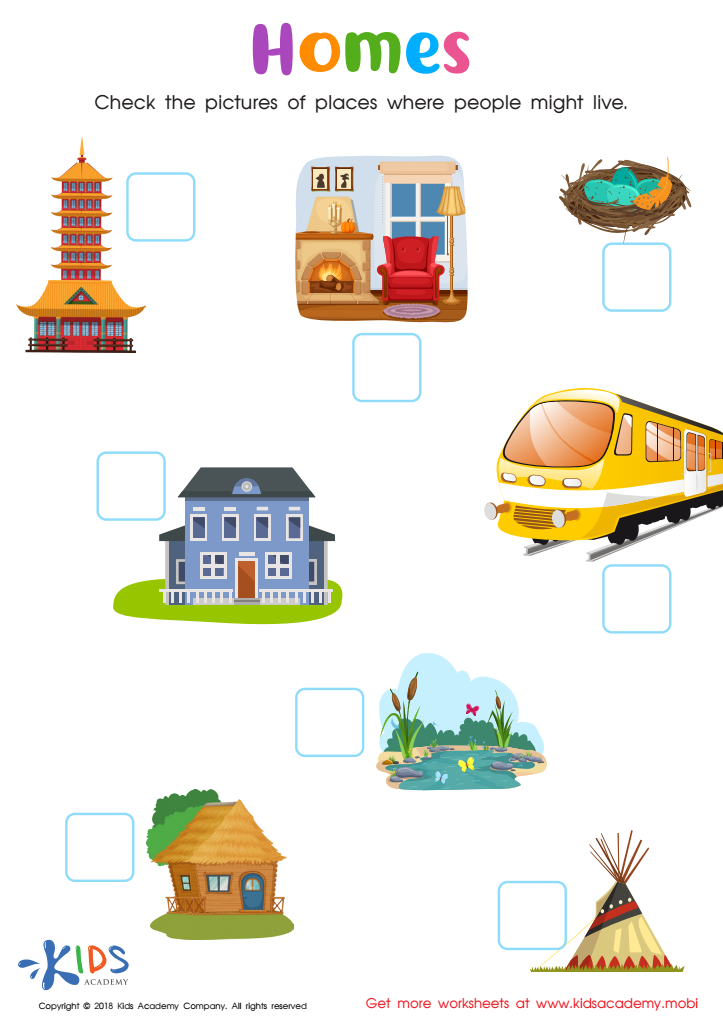
Homes Worksheet
 Assign to My Students
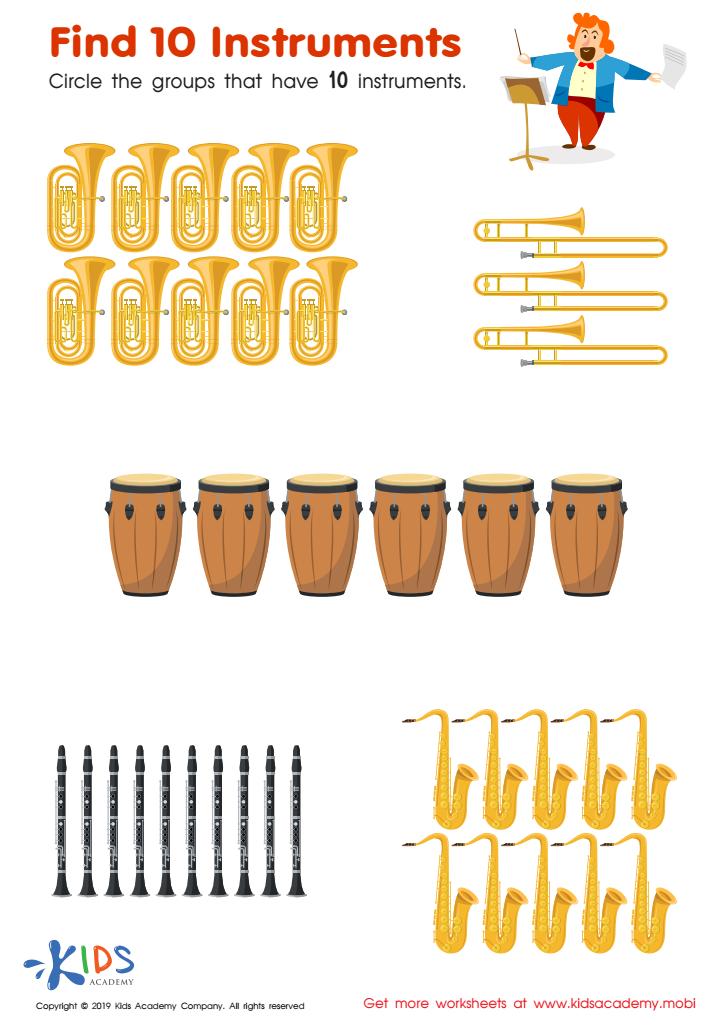
Find 10 Instruments Worksheet
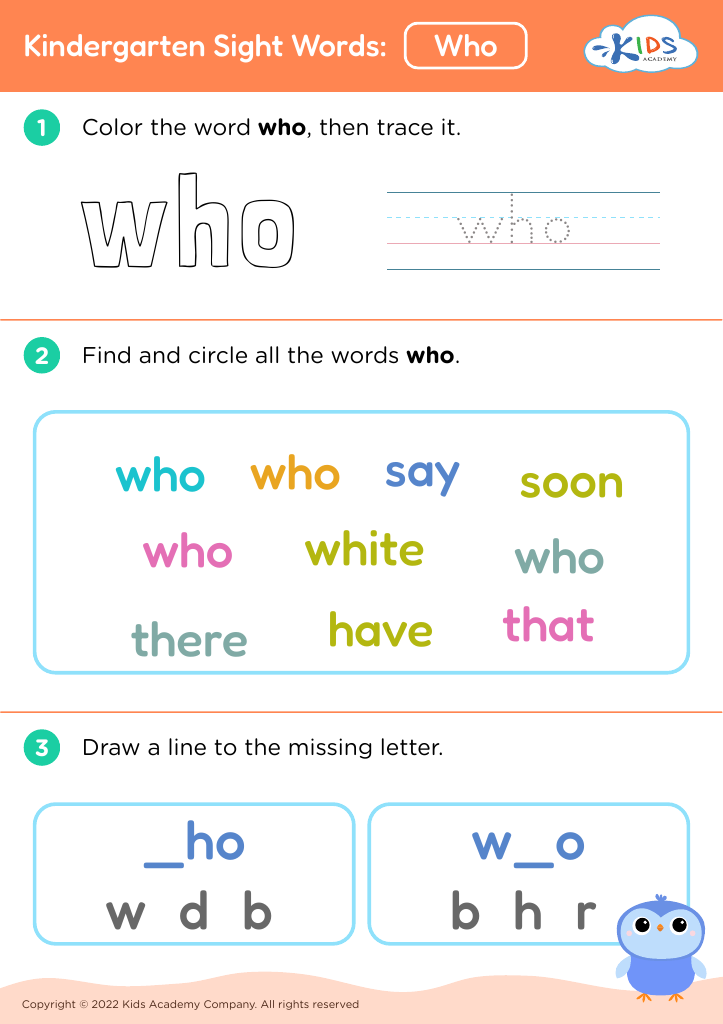
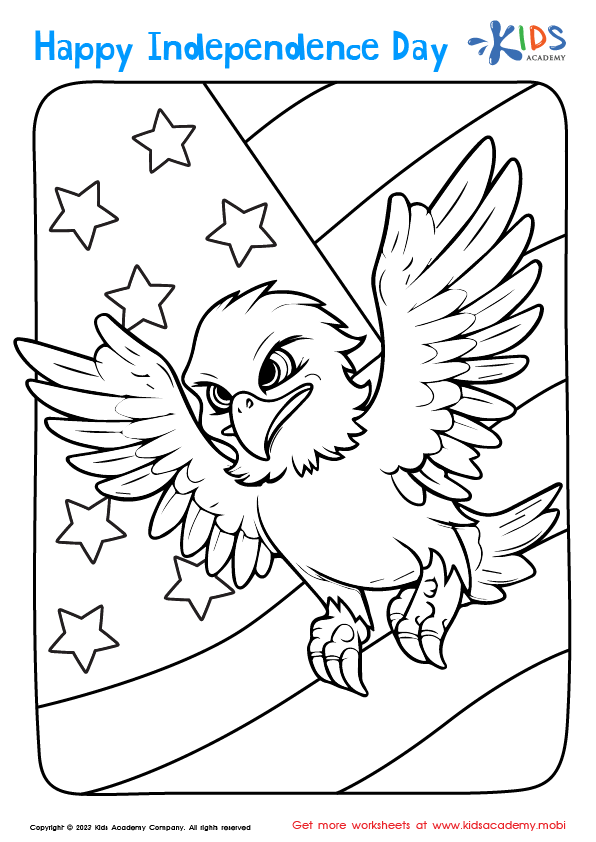







Improving vocabulary for 5-year-olds is vital for several reasons, making it a priority for both parents and teachers. At this age, children experience rapid brain development, and a rich vocabulary directly correlates with their cognitive growth and learning capabilities. Enhanced vocabulary facilitates better communication skills, enabling children to express their thoughts and feelings more clearly, which is essential for social interactions and emotional development.
Furthermore, a strong vocabulary lays the foundation for literacy skills. Children who are exposed to diverse words are better equipped to understand stories and instructions, promoting a more profound love for reading. This early exposure can result in better academic performance as they progress through school.
Additionally, improved vocabulary fosters critical thinking. A broad range of words helps children categorize concepts and articulate their ideas, which are crucial skills for problem-solving. Engaging in activities like reading aloud, storytelling, and word games can boost vocabulary in enjoyable ways.
Ultimately, investing time and effort into vocabulary development not only enhances a child’s immediate communication and comprehension skills but also prepares them for future learning, making it a significant concern for parents and teachers alike.








