Mathematical reasoning Worksheets for 5-Year-Olds - Page 2
26 filtered results
-
From - To
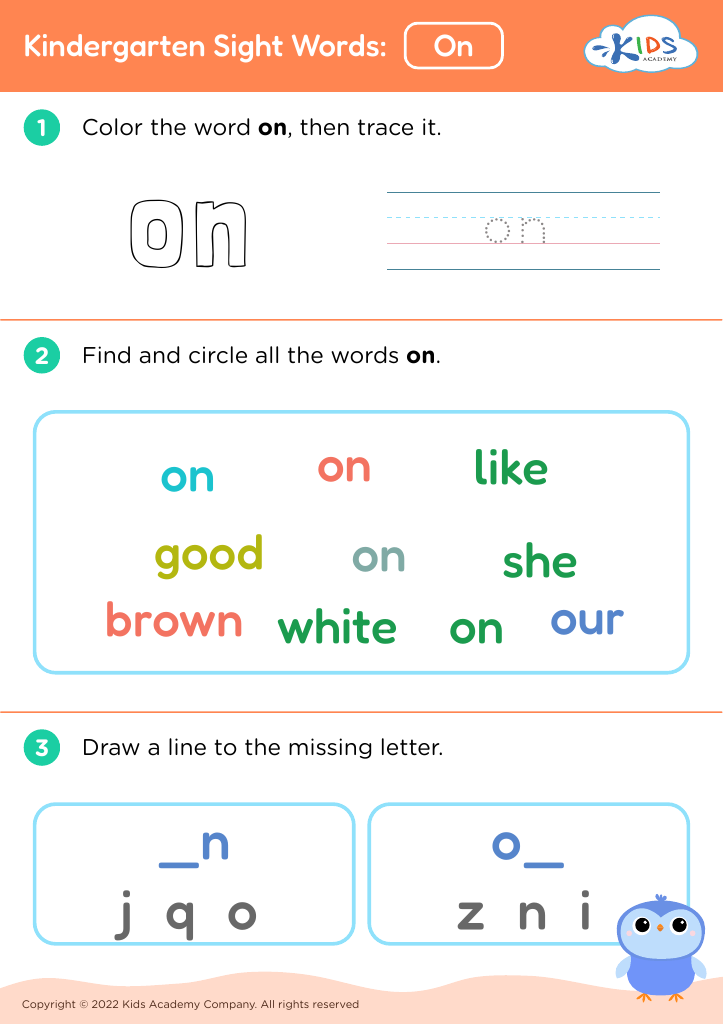
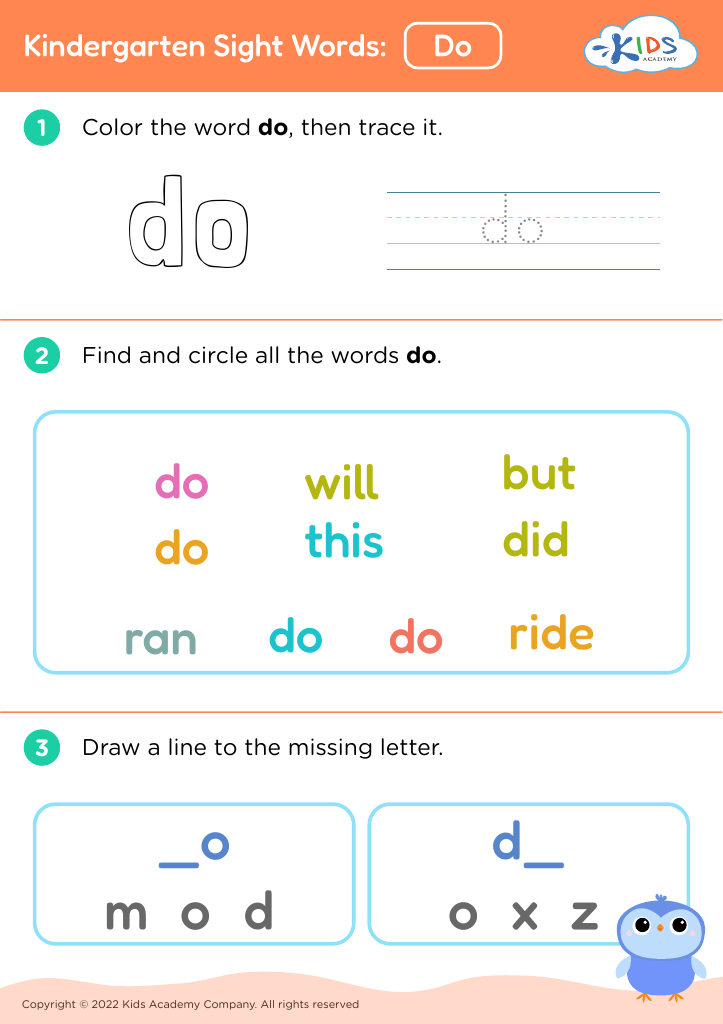








Mathematical reasoning in 5-year-olds is crucial for their cognitive development and lays the foundation for future academic success. At this formative age, children are curious and highly receptive to learning new concepts. Developing mathematical reasoning skills enhances their ability to think logically and solve problems, abilities that are essential for everyday decision-making.
When children engage in activities that promote mathematical reasoning, such as counting objects, recognizing patterns, and sorting shapes, they build critical thinking skills. These activities help them understand relationships between numbers, quantities, and spatial awareness. Early exposure to these concepts makes learning more complex mathematical topics in later years more manageable.
Moreover, mathematical reasoning fosters a growth mindset. Children learn to approach challenges with curiosity and persistence, understanding that mistakes are part of the learning process. This positive attitude toward problem-solving is beneficial in and out of the classroom, boosting their confidence and resilience.
Parents and teachers play a pivotal role in cultivating this skill. By incorporating play-based learning that includes math games, puzzles, and everyday counting, they make maths fun and relevant. Encouraging a supportive and stimulating learning environment sets the stage for a lifelong interest in math and enhances overall cognitive development.
Promoting mathematical reasoning in early childhood is an investment in a child's future, equipping them with the vital tools they need for academic achievement and problem-solving in real-life situations.








