Visual interpretation Worksheets for 5-Year-Olds
7 filtered results
-
From - To
Discover our engaging Visual Interpretation Worksheets designed specifically for 5-year-olds! These worksheets provide young learners with exciting activities that enhance their observational skills and critical thinking. Through vibrant illustrations and interactive tasks, children will practice identifying patterns, understanding relationships, and interpreting visual cues. Our user-friendly format encourages creativity while building essential skills needed for their educational journey. Perfect for both classroom and home learning, these worksheets foster independent learning and boost confidence in young minds. Explore the world of colors, shapes, and symbols with our fun-filled resources that make learning enjoyable and effective! Download and inspire your child's visual thinking today!
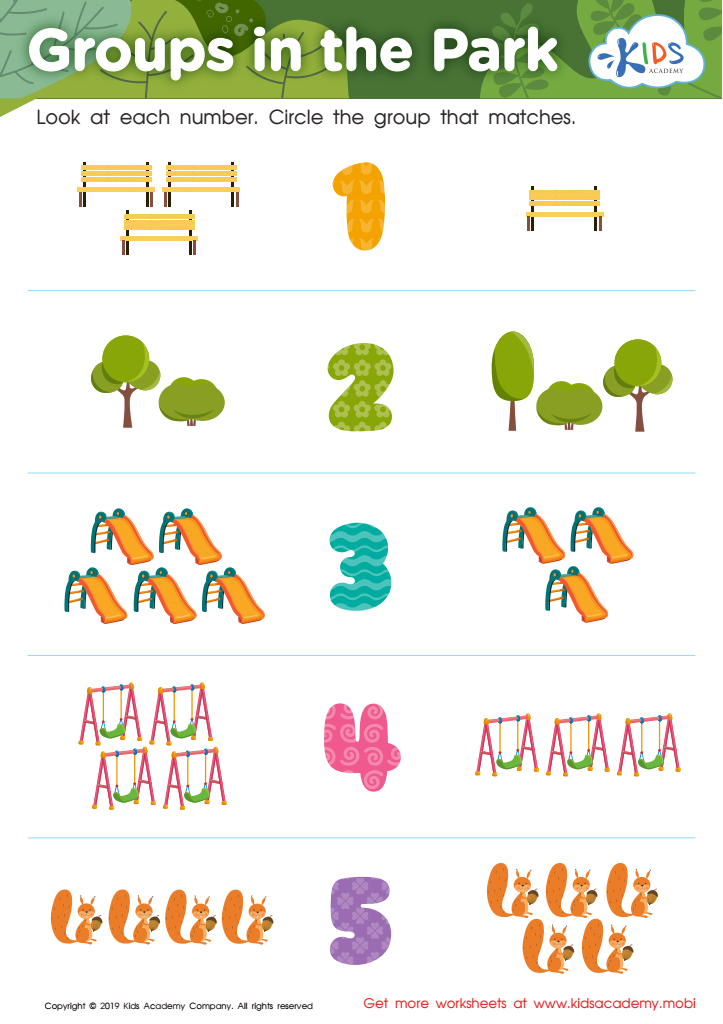
Groups in the Park Worksheet
 Assign to My Students
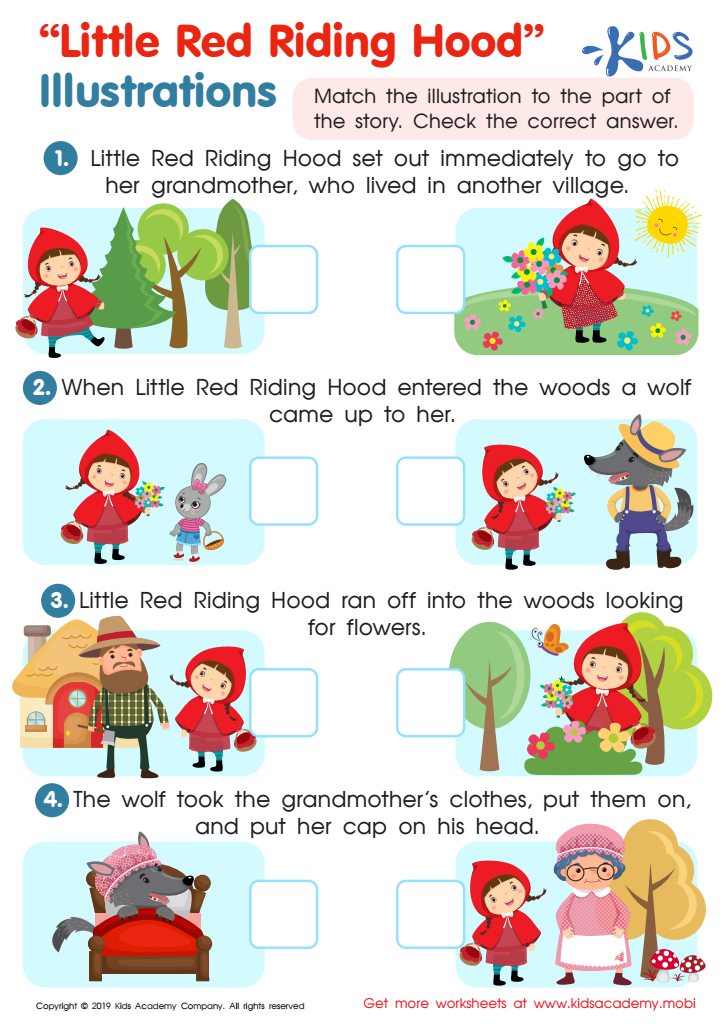
Little Red Riding Hood: Illustrations Worksheet
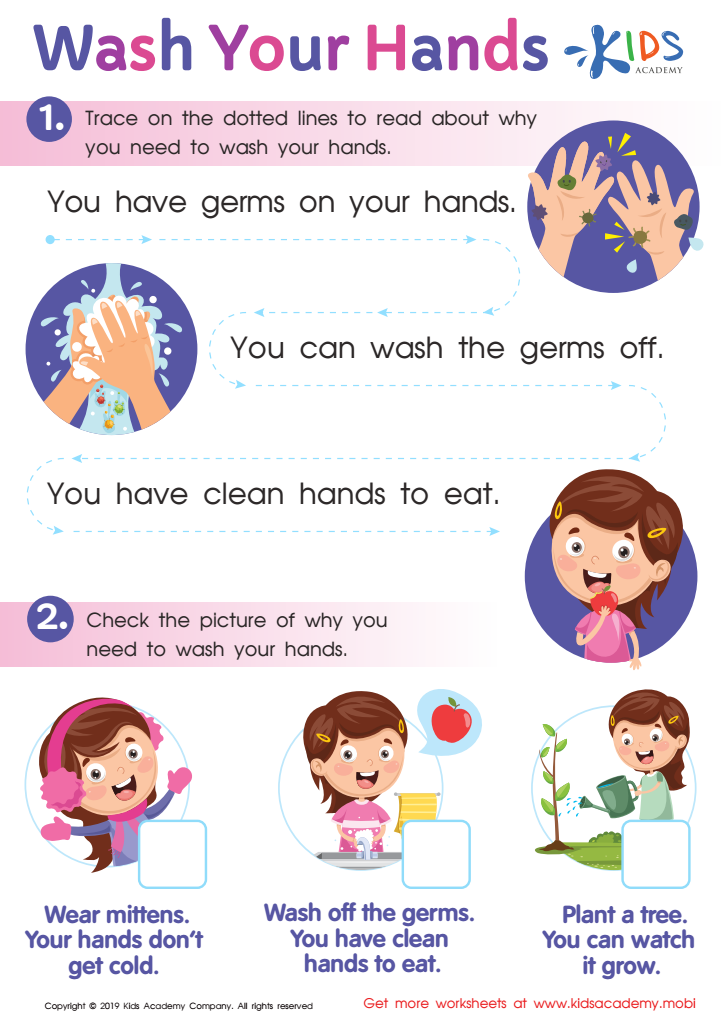
Wash Your Hands Worksheet
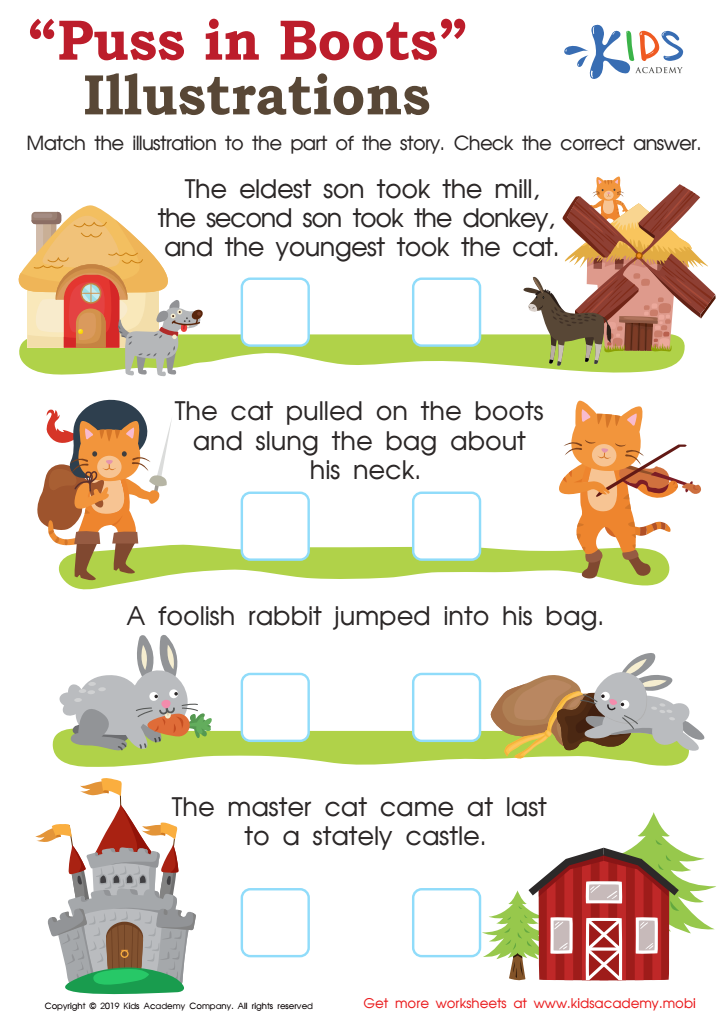
Puss in Boots Illustrations Worksheet
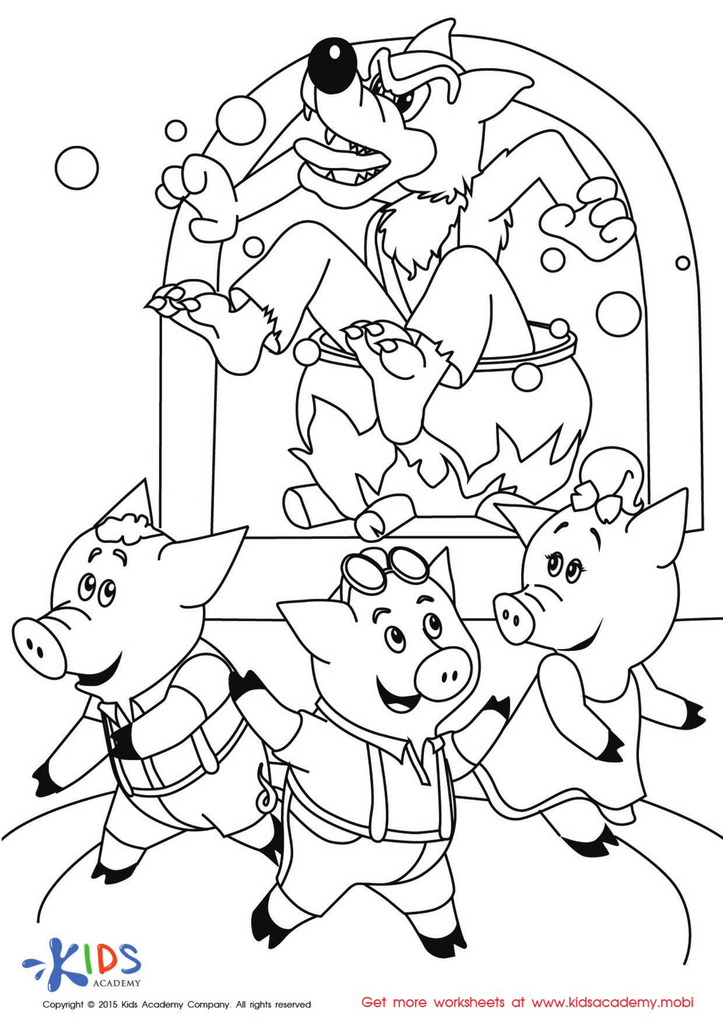
The Three Little Pigs and The Big Bad Wolf Printable
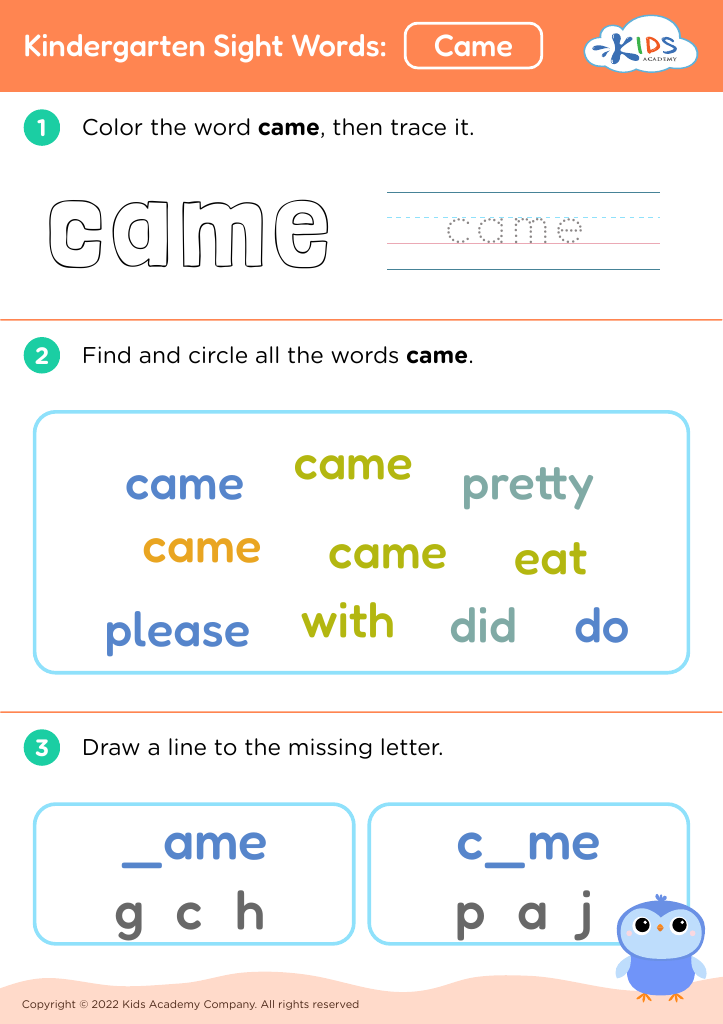






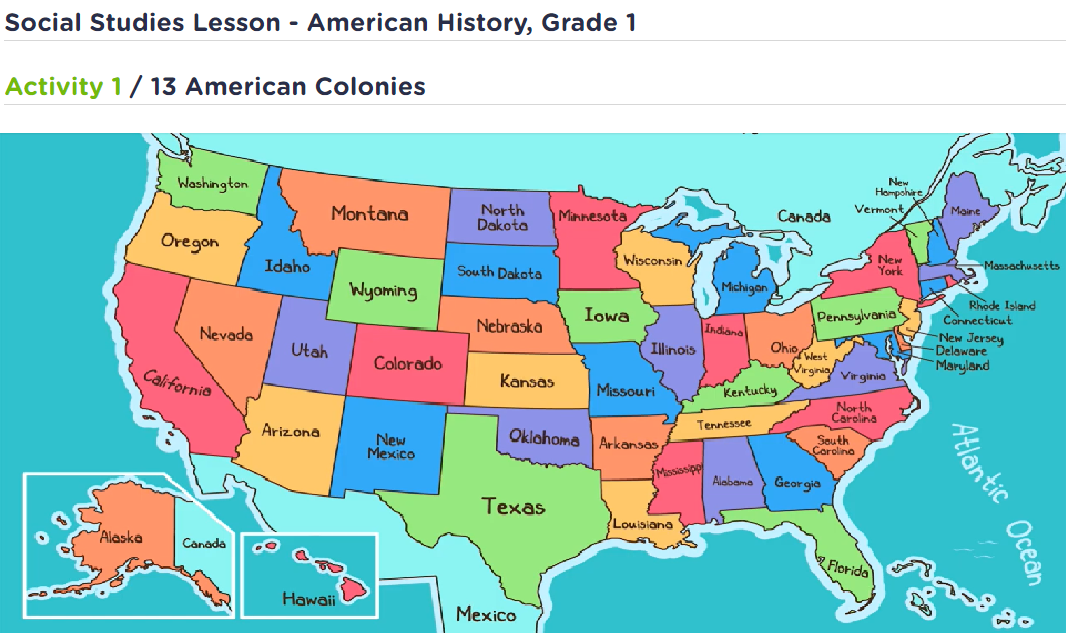
Visual interpretation is a crucial skill for 5-year-olds, as it plays a fundamental role in their cognitive and social development. At this age, children are naturally curious and eager to understand the world around them. Engaging with visual materials—such as pictures, diagrams, and storybooks—enhances their ability to process and interpret visual information, fostering critical thinking and problem-solving skills.
Parents and teachers should care about visual interpretation because it lays the groundwork for effective communication and literacy. By understanding visuals, children learn to convey their ideas and emotions more independently. Furthermore, this skill supports the development of language, as children learn to associate images with words, enriching their vocabulary and storytelling abilities.
In a world increasingly driven by visual media, the ability to interpret and critically evaluate images is vital. As children are exposed to various forms of media, helping them navigate and understand these visuals instills a sense of media literacy and encourages informed choices. Ultimately, fostering strong visual interpretation skills enables young learners to thrive academically, socially, and emotionally, equipping them with essential tools for their future learning journeys.








