Visual recognition Worksheets for 5-Year-Olds
6 filtered results
-
From - To
Welcome to our Visual Recognition Worksheets for 5-Year-Olds! These engaging and colorful worksheets are designed to enhance your child's visual discrimination skills, a crucial foundation for early learning. Each activity encourages children to identify, compare, and categorize various objects, boosting their concentration and observational abilities. Our thoughtfully crafted worksheets align with early education standards, helping young learners recognize patterns, shapes, and colors. Perfect for home or classroom use, these resources make learning fun and interactive. Give your child the tools they need to succeed by fostering essential skills in a playful and enjoyable way! Explore our collection today!
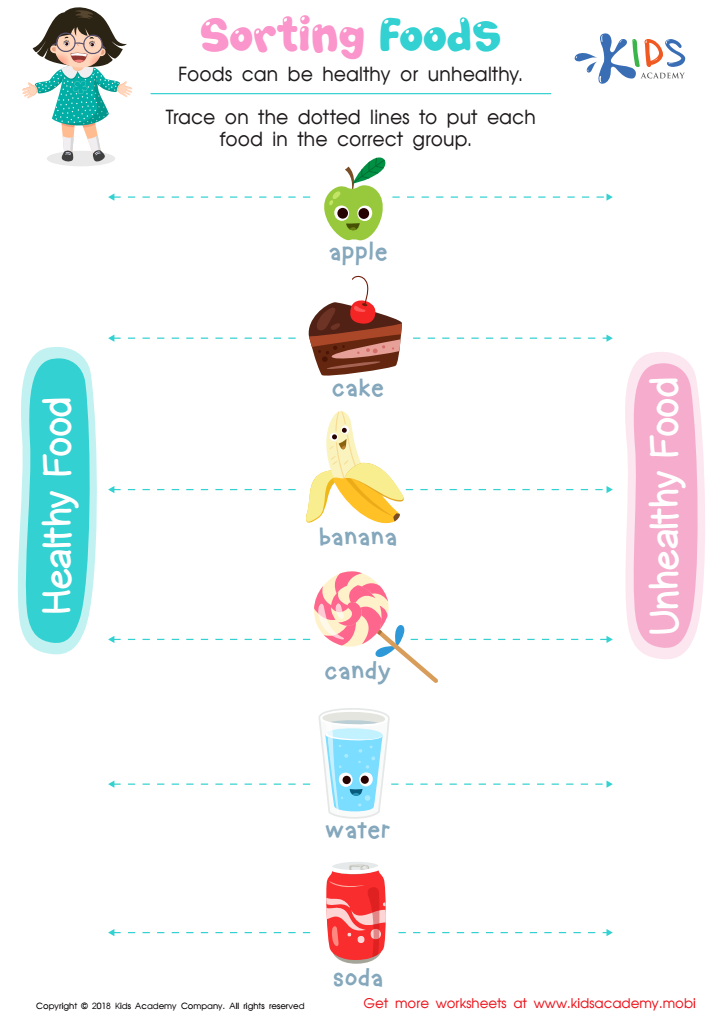
Sorting Food Worksheet
 Assign to My Students
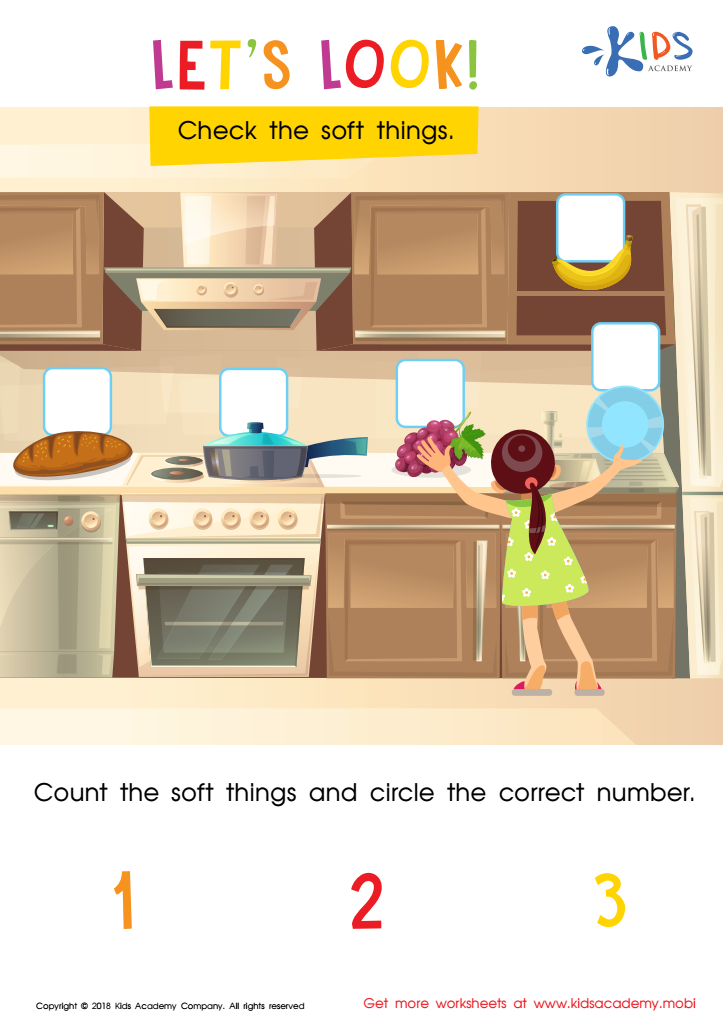
Let's Look! Assessment Worksheet
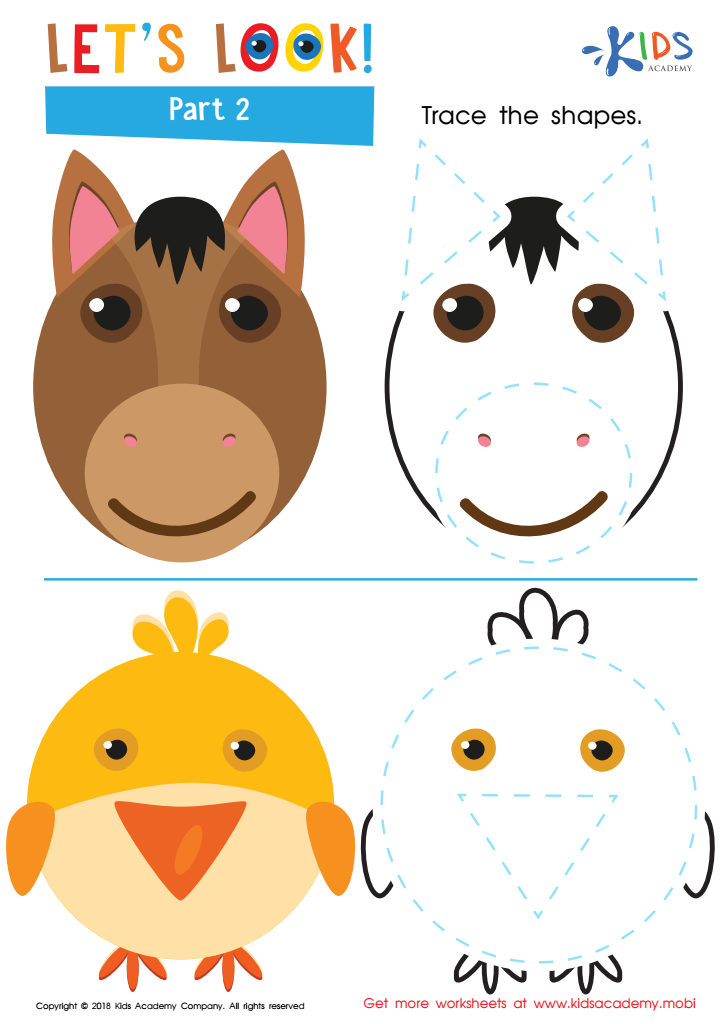
Let's Look! Part 2 Worksheet
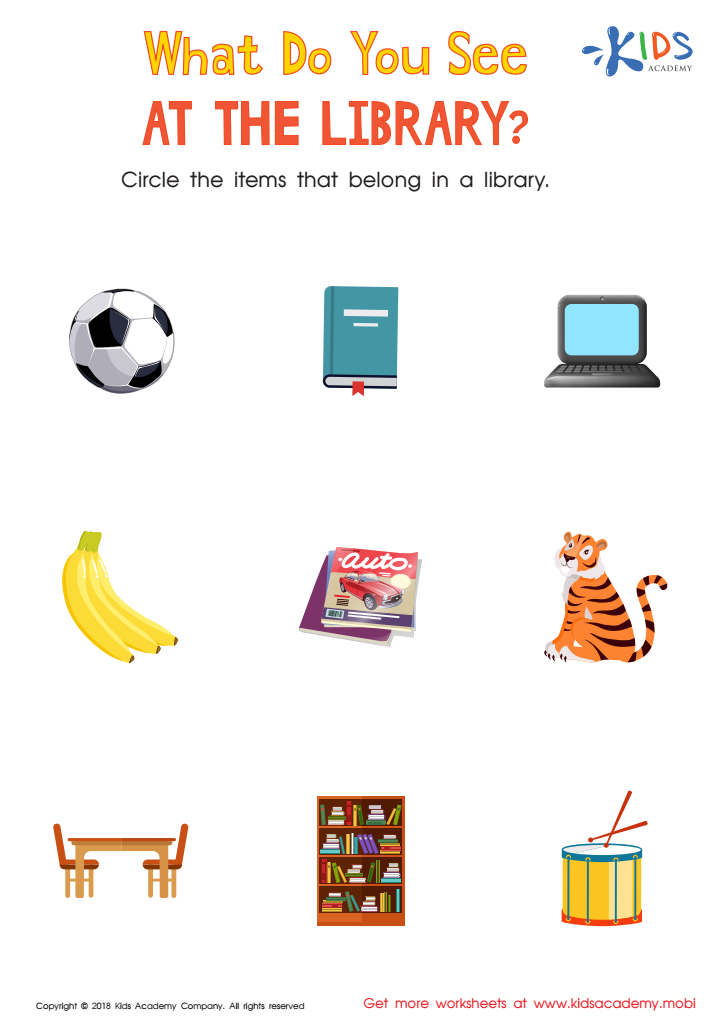
What Do you See at the Library? Worksheet
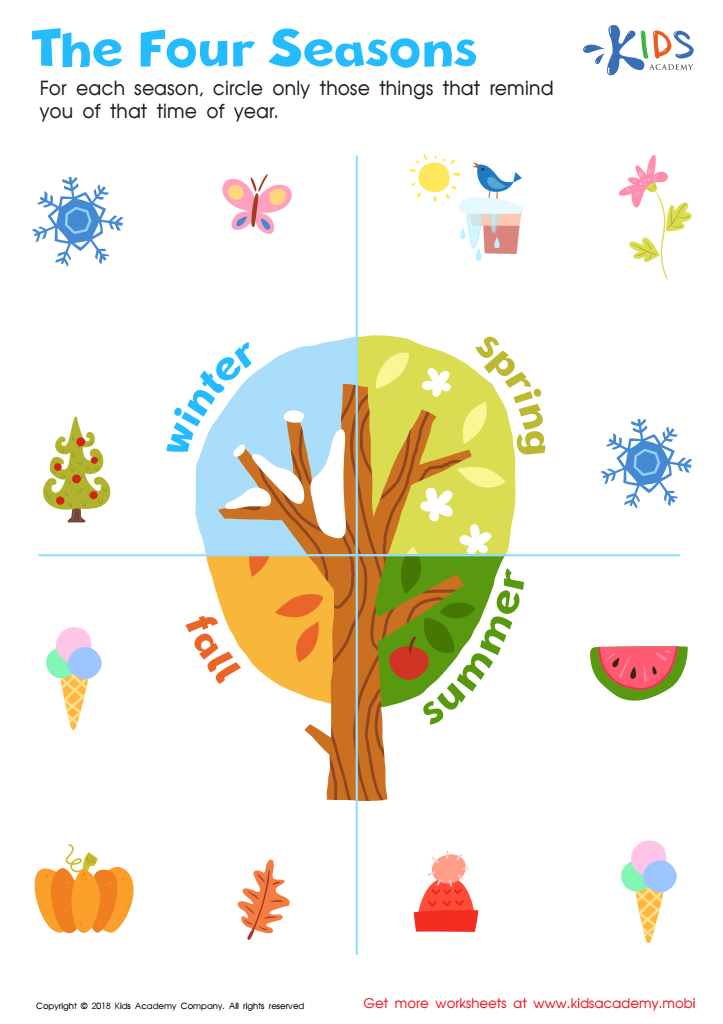
The Four Seasons Worksheet
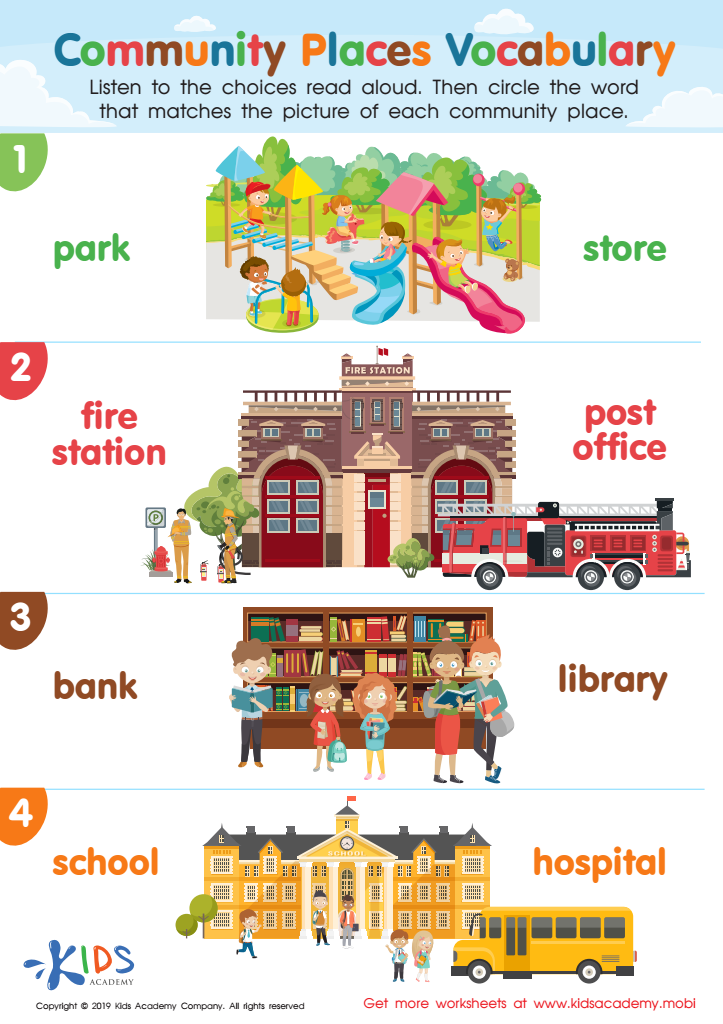
Community Places Vocabulary Worksheet







Visual recognition is a critical skill for 5-year-olds as it lays the foundation for various learning processes and everyday functioning. At this age, children are developing essential cognitive abilities, and strong visual recognition contributes to their reading and language skills. When children can identify shapes, letters, numbers, and objects visually, they enhance their ability to comprehend stories and connect sounds with letters, paving the way for successful literacy development.
Moreover, visual recognition aids in social development. Children who can recognize expressions and gestures are better equipped to understand social cues, fostering positive interactions with peers and adults. Engaging activities like matching games, puzzles, and art projects can support this skill, making learning enjoyable and interactive.
Parents and teachers should care about visual recognition not only for its academic implications but also for holistic development. It empowers children to explore their environment confidently, boosting their self-esteem and problem-solving skills. By nurturing visual recognition, adults are investing in the child's overall cognitive, social, and emotional growth, ensuring they are better prepared for future educational challenges and life experiences. In fostering these skills, caregivers play a vital role in shaping well-rounded, capable individuals.








