Hand-eye Coordination Logic and Early Math Worksheets for 5-Year-Olds
3 filtered results
-
From - To
Enhance your child's learning experience with our engaging hand-eye coordination logic and early math worksheets designed specifically for 5-year-olds. These fun, printable activities promote essential skills such as tracking, visual perception, and problem-solving while introducing foundational math concepts in a playful context. Our worksheets encourage independent practice, allowing children to develop fine motor skills and build confidence in their abilities. Perfect for both home and classroom use, these colorful and interactive resources make learning enjoyable, setting the stage for life-long academic success. Explore our collection today and watch your child thrive while mastering the important connection between vision and movement!
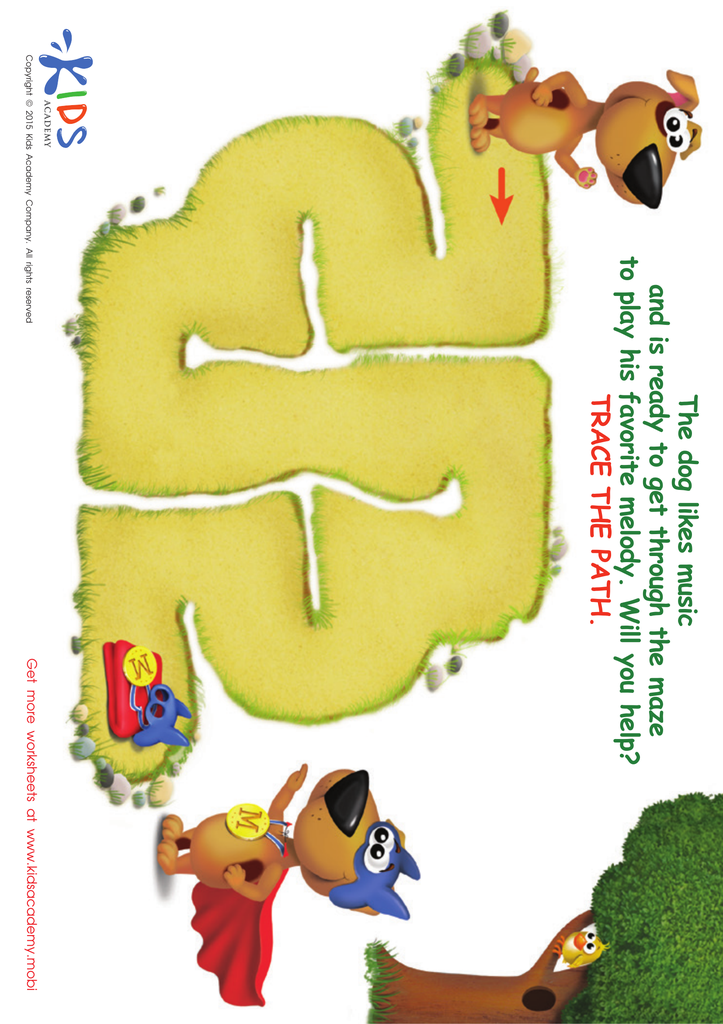
Superman Maze Worksheet
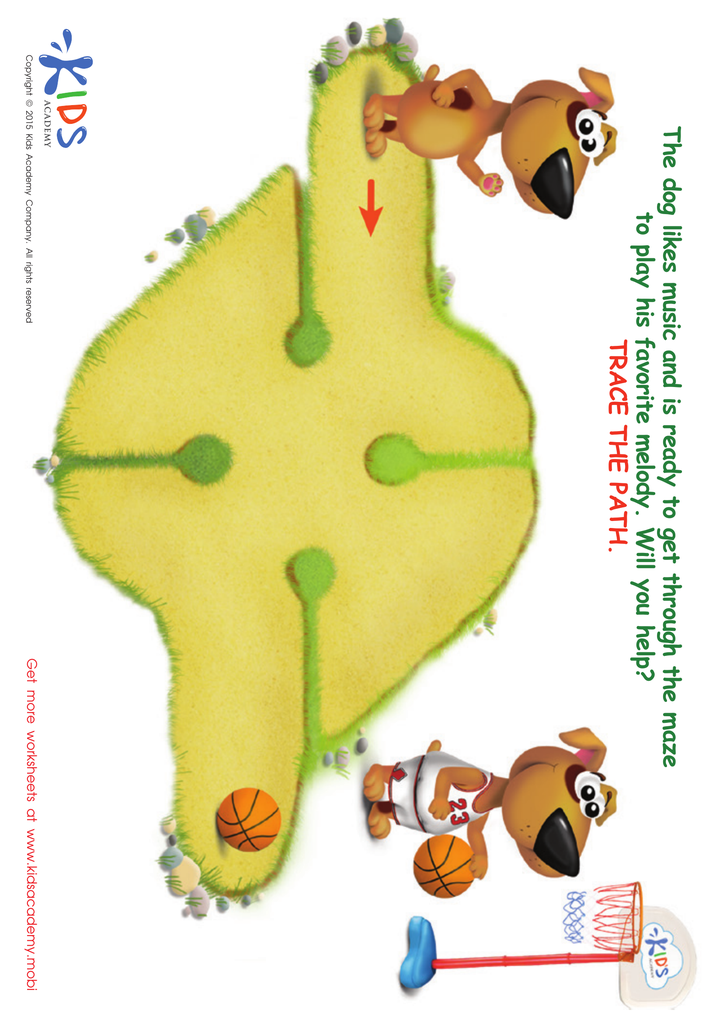
Basketball Player Maze Worksheet
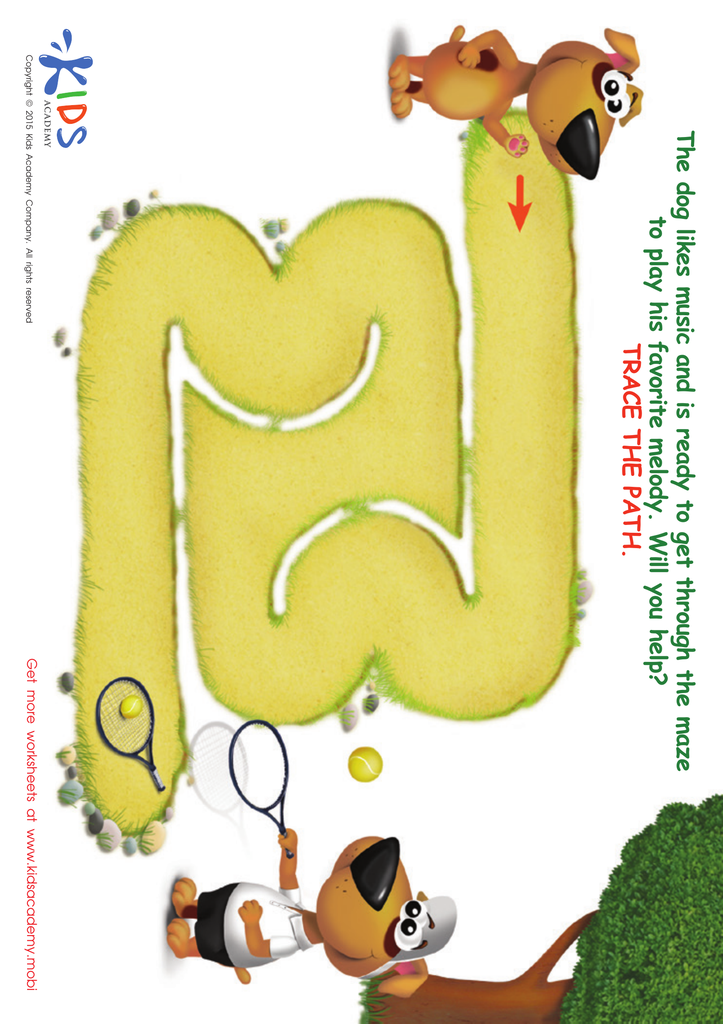
Tennis Player Maze Worksheet





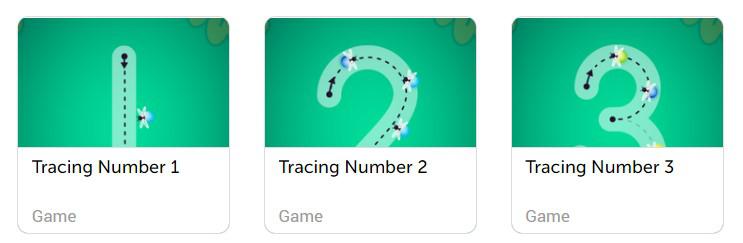


Hand-eye coordination and early math are foundational skills that greatly influence a child's overall development and future learning. For 5-year-olds, hand-eye coordination is crucial as it aids in fine motor skills necessary for tasks such as writing, drawing, and using tools. These skills support a child's ability to participate in classroom activities, enhancing their confidence and engagement.
Moreover, logical thinking is closely tied to early math skills, which involve understanding concepts like counting, sorting, and recognizing patterns. Parents and teachers should care about fostering these skills because they provide a solid foundation for more complex mathematical concepts in later years. Engaging children in activities that promote hand-eye coordination—such as puzzles, blocks, and simple games—simultaneously introduces them to basic math principles through play.
When children grasp these concepts early on, they are better prepared for future academic challenges. The interplay between physical coordination and cognitive development nurtures a child's ability to think critically and creatively, essential skills in today's world. By supporting 5-year-olds in developing hand-eye coordination and early math capabilities, parents and teachers set the stage for lifelong learning and problem-solving skills, ensuring children are well-equipped for their educational journey.