Visual perception 2D Shapes Worksheets for 5-Year-Olds
4 filtered results
Difficulty Level
Grade
Age
-
From - To
Subject
Activity
Standards
Welcome to our exciting collection of Visual Perception 2D Shapes Worksheets designed specifically for 5-year-olds! These engaging worksheets serve as a valuable resource for early learners, helping them enhance their visual perception skills while exploring the world of 2D shapes. Each activity encourages young minds to recognize, compare, and differentiate between various shapes, fostering critical thinking and problem-solving abilities. With vibrant illustrations and fun exercises, children will enjoy learning about circles, squares, triangles, and more! Perfect for home or classroom use, our worksheets make learning enjoyable and effective. Empower your child’s geometric understanding today!
Favorites
With answer key
Interactive
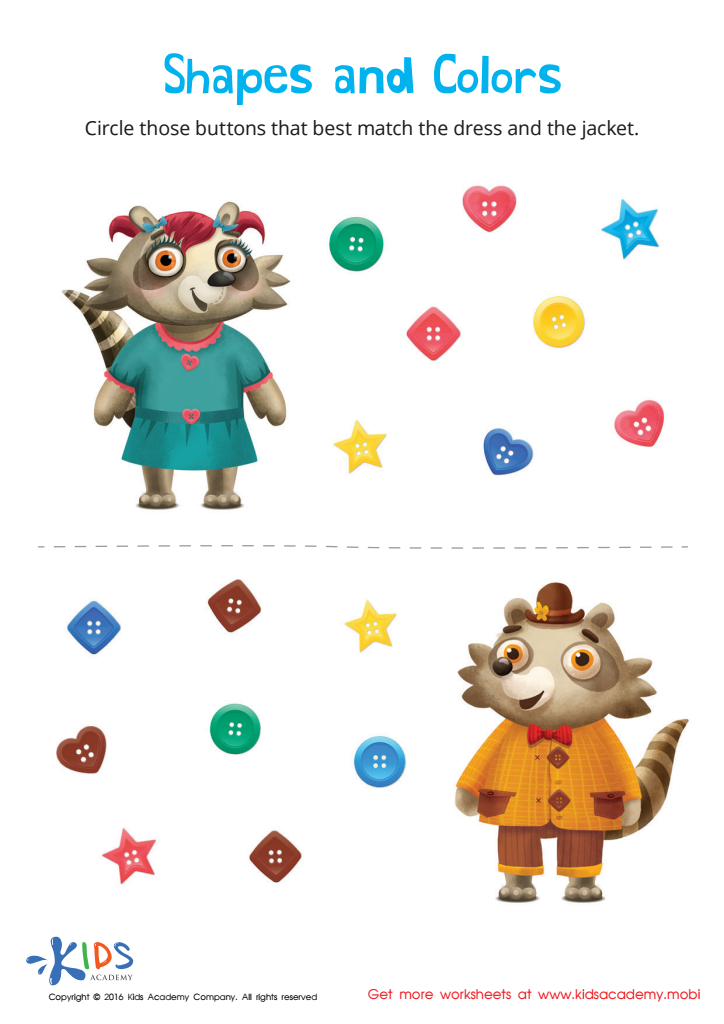
Matching: Shapes and Colors Worksheet
Help Mr. and Mrs. Raccoon find the right buttons to match their shirts! Kids will identify shapes and colors and learn to match them correctly.
 Assign to My Students
Matching: Shapes and Colors Worksheet
Worksheet


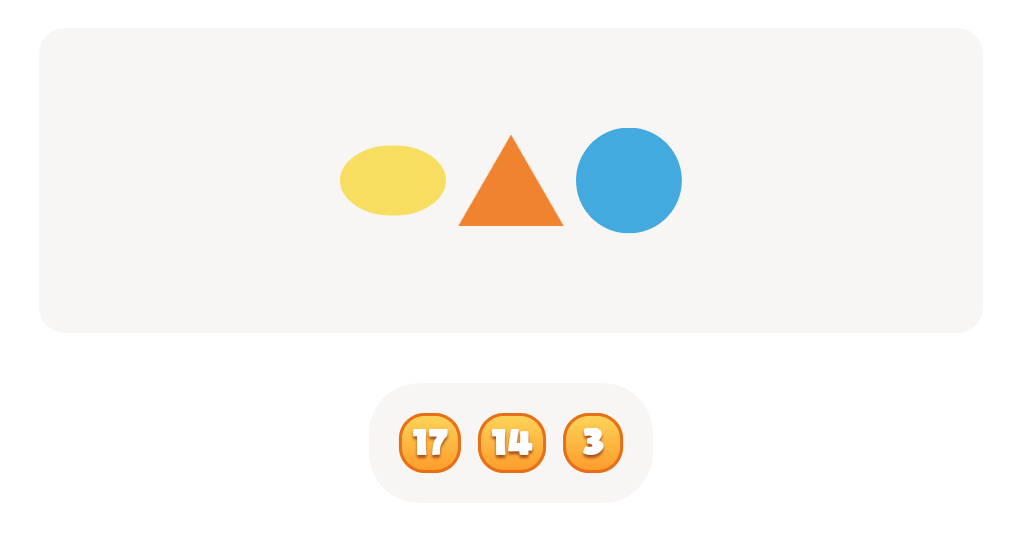
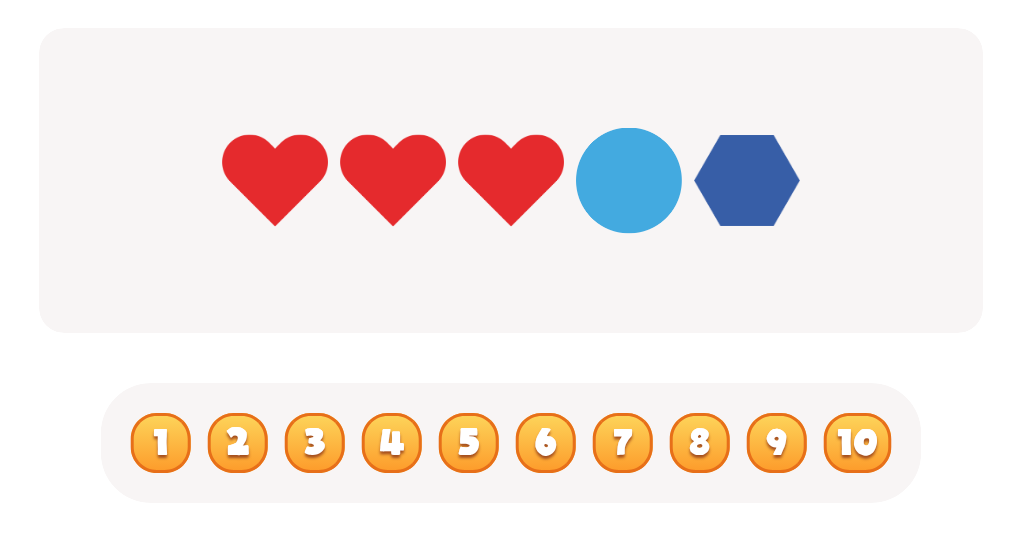
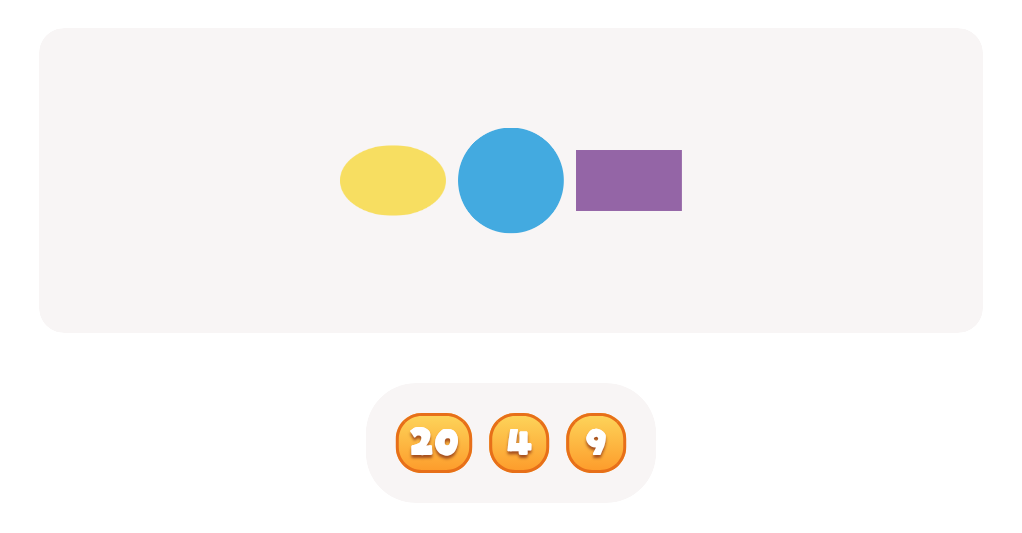
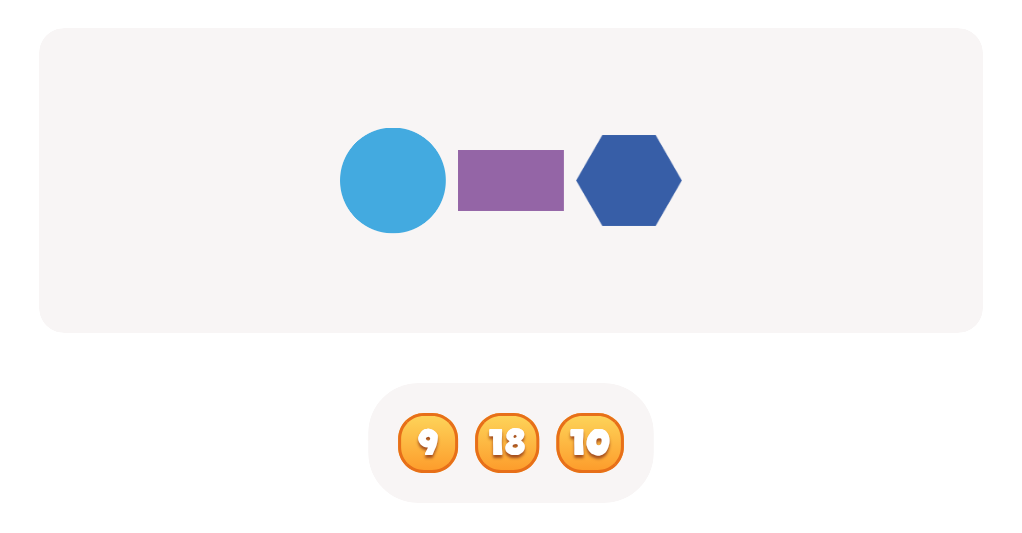
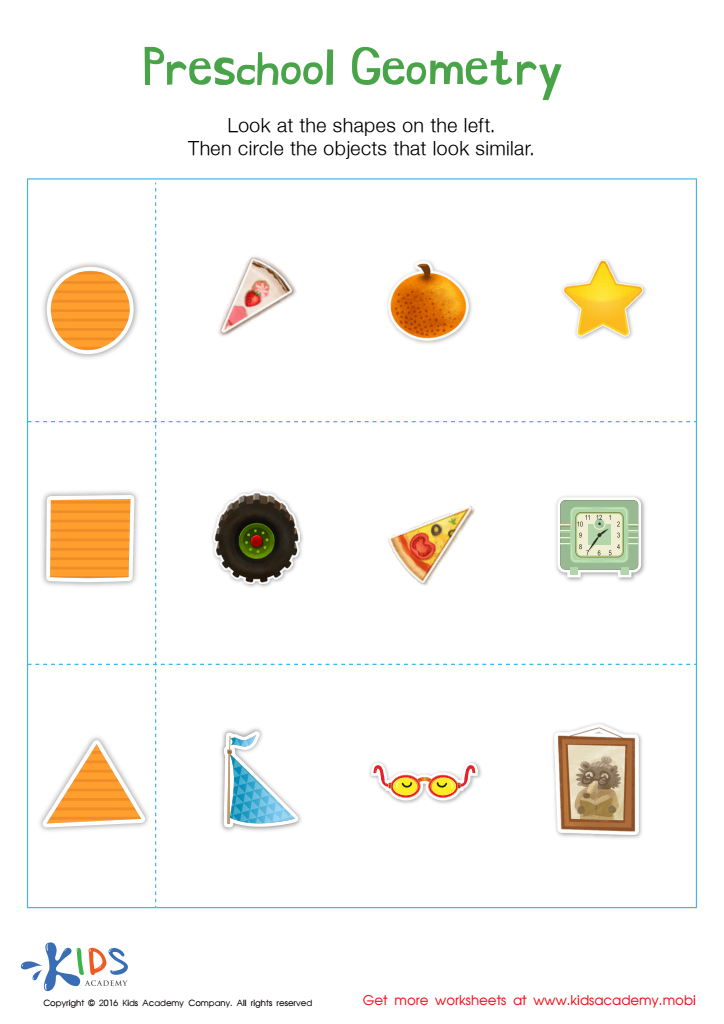
Preschool Geometry Match Up Worksheet
Teach your preschooler geometry using everyday objects. This printable worksheet helps them recognize, match, and follow directions like left and right. Start a conversation to extend their learning and they'll see how shapes appear in the world around them.
Preschool Geometry Match Up Worksheet
Worksheet
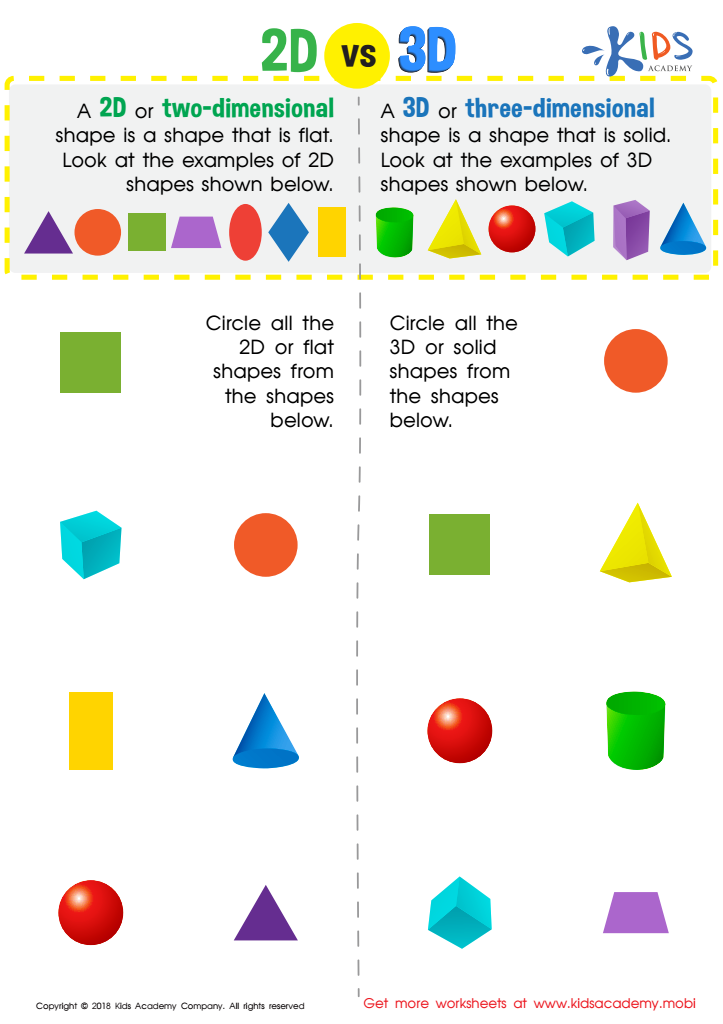
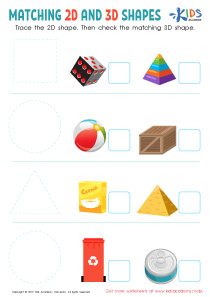
2D vs 3D Shapes Worksheet
Help your child understand 3D shapes using this engaging worksheet! Read the descriptions at the top and search for 2D and 3D shapes. An ideal activity for toddlers learning shapes. A fun way to understand the tricky concept of 3D shapes!
2D vs 3D Shapes Worksheet
Worksheet
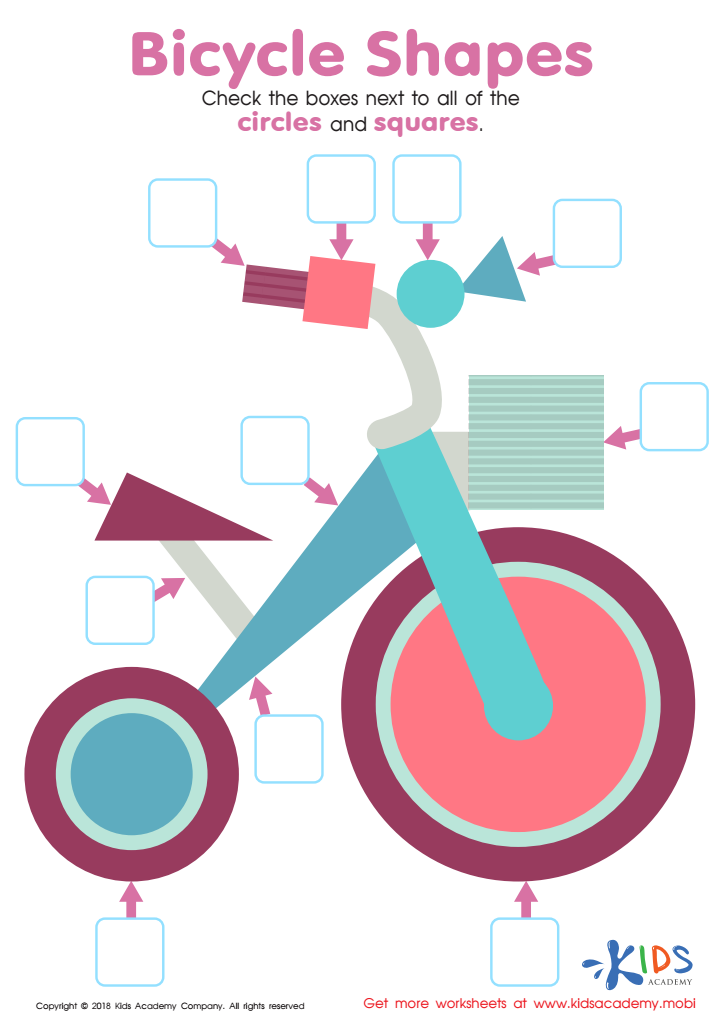
Bicycle Shapes Worksheet
This fun geometry worksheet for preschoolers asks the child to spot hidden shapes (circles, squares) in a colorful bicycle. Each shape varies in size and the child checks the box when it's found. It's a visual way to teach shapes.
Bicycle Shapes Worksheet
Worksheet
Join Kids Academy for Free
Who is primarily going to use this learning content?








Visual perception of 2D shapes is a crucial aspect of early childhood development that significantly impacts learning and cognitive skills. For 5-year-olds, mastering 2D shapes lays the foundation for essential mathematics and spatial reasoning skills needed later in their education. Understanding shapes enhances a child's ability to identify patterns, compare sizes, and comprehend relationships between objects in their environment.
Furthermore, visual perception fosters critical thinking, problem-solving, and creativity. Engaging activities like sorting shapes, completing puzzles, or drawing promote fine motor skills and hand-eye coordination, preparing children for future tasks such as writing and reading. Learning about shapes also encourages observational skills, helping children to describe, categorize, and articulate their thoughts and experiences effectively.
For parents and teachers, nurturing a child's understanding of 2D shapes provides insight into their developmental progress. It encourages collaborative play and offers opportunities for rich, interactive learning experiences. When children learn to recognize and manipulate shapes, they build confidence in their abilities, paving the way for a lifelong love of learning. Thus, prioritizing visual perception and geometry in early childhood education is vital for holistic child development, making it an essential focus for caregivers and educators alike.