Number Recognition Addition and Subtraction Word Problems Worksheets for 5-Year-Olds
17 filtered results
-
From - To
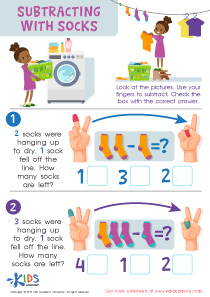
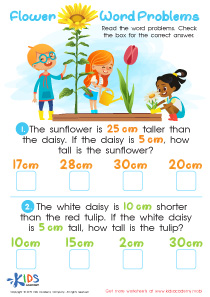
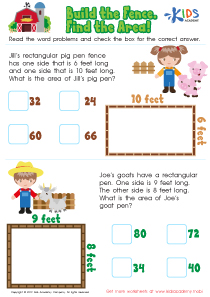
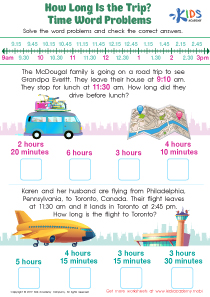
Engage your little one's mathematical curiosity with our "Number Recognition Addition and Subtraction Word Problems Worksheets for 5-Year-Olds." Designed specifically for young learners, these worksheets feature fun and relatable scenarios to help children master crucial early math skills. Combining number recognition with addition and subtraction, our expertly crafted problems build a strong foundation for future math success. Bright illustrations and age-appropriate challenges make learning an enjoyable experience for kindergarten students. Download now to provide your child with a wealth of activities that foster confidence and competence in their mathematical journey, all while having fun!
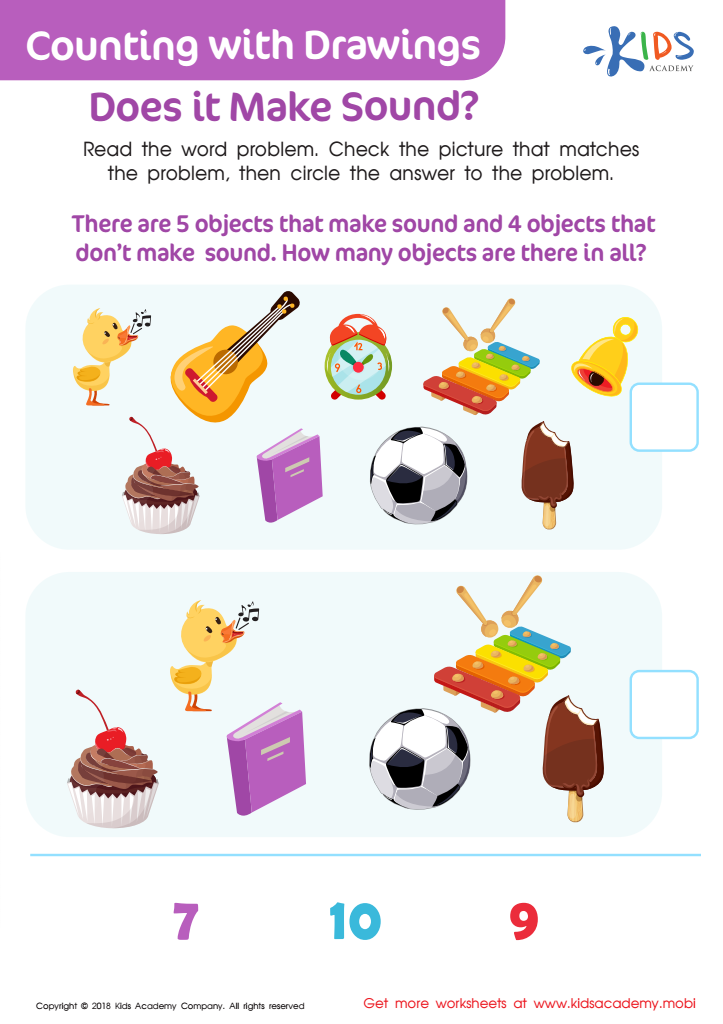
Counting With Drawings. Does It Make Sound? Worksheet
 Assign to My Students
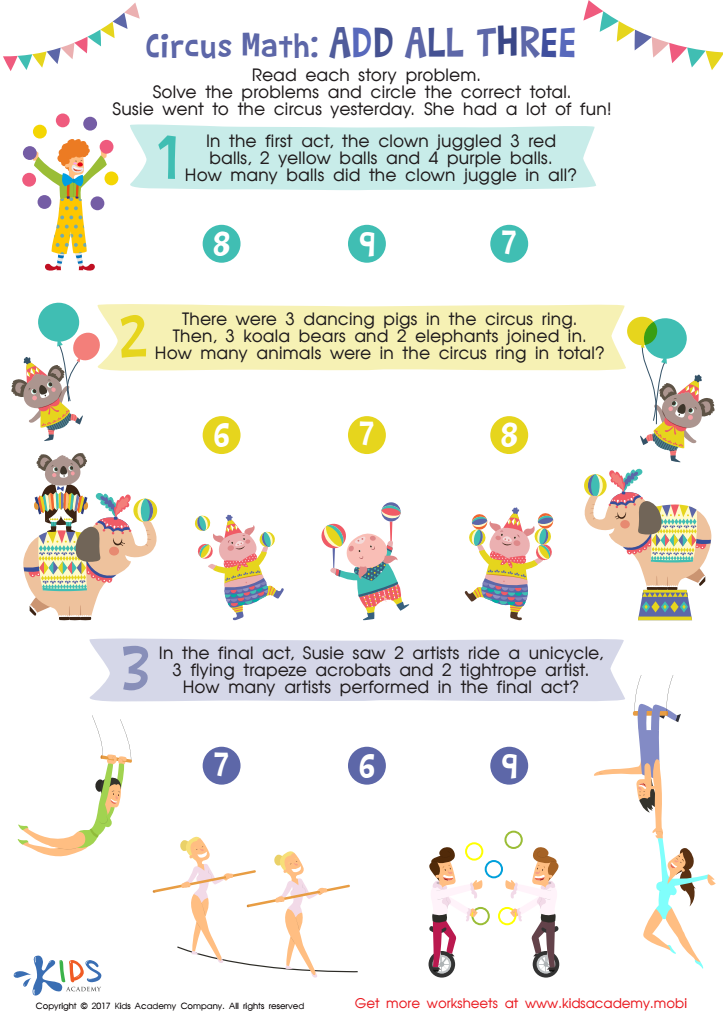
Circus Math Printable
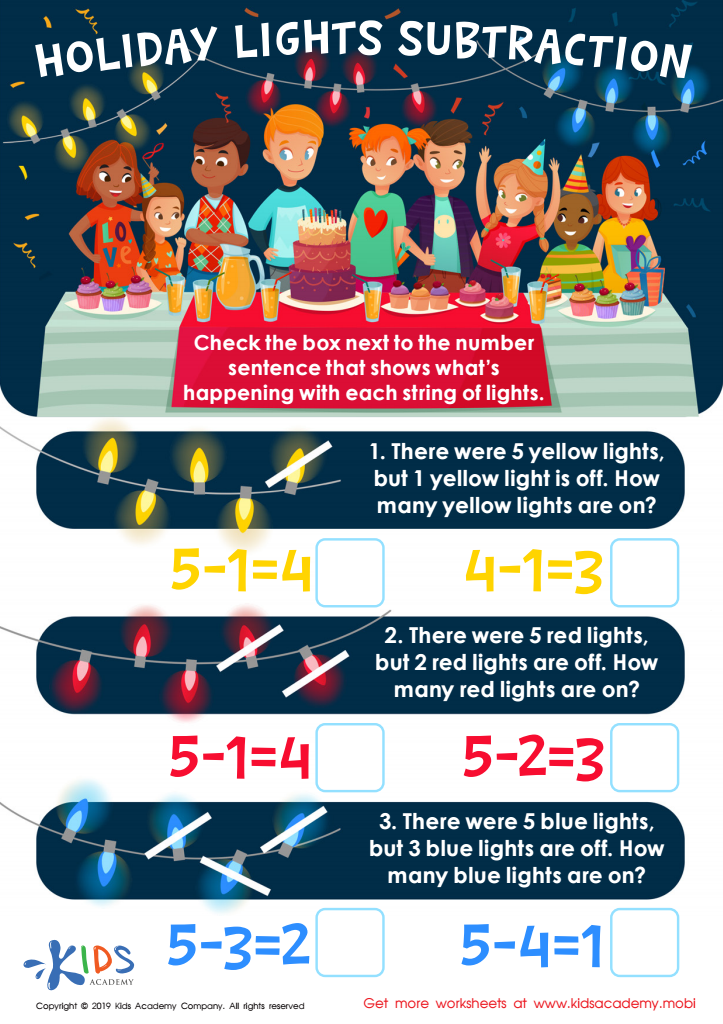
Holiday Lights Subtraction Worksheet
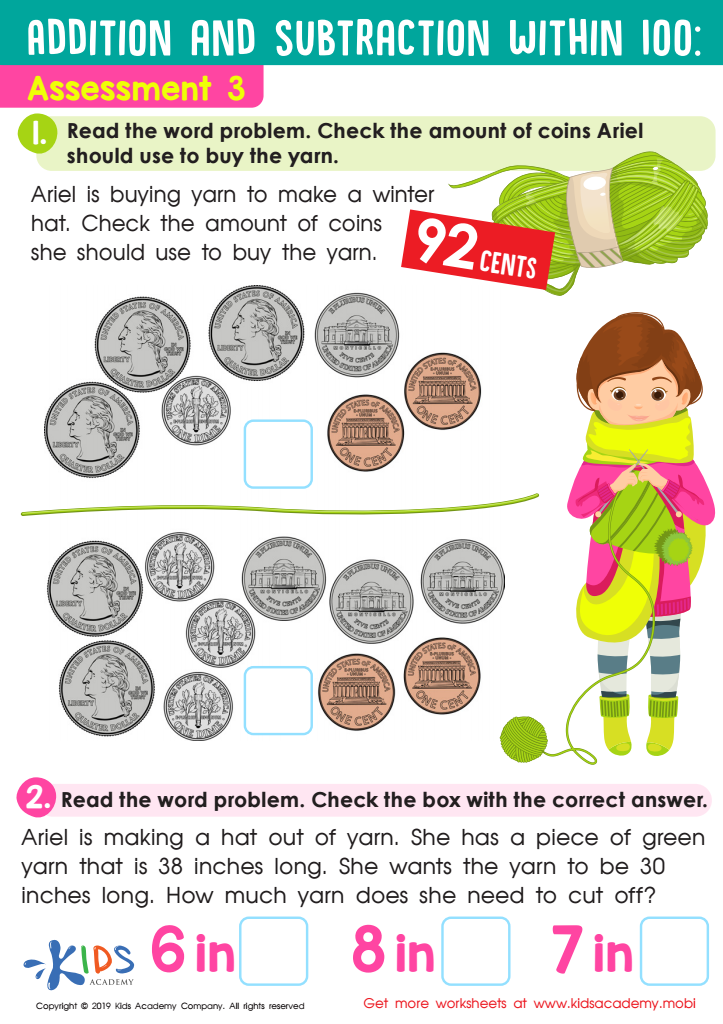
Assessment 3 Math Worksheet
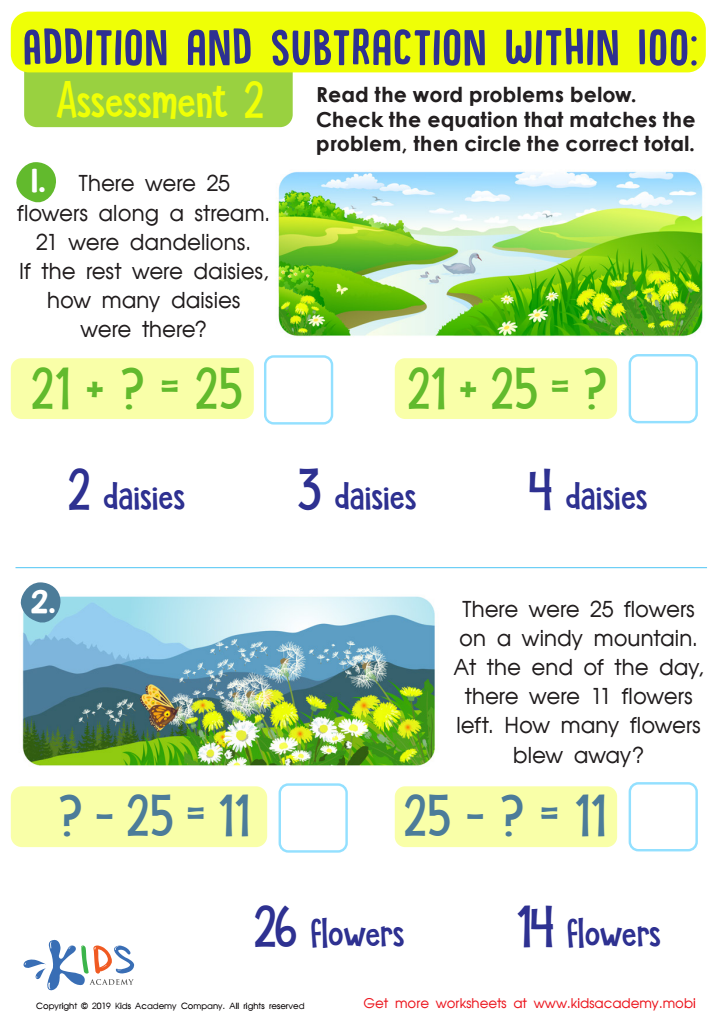
Assessment 2 Math Worksheet
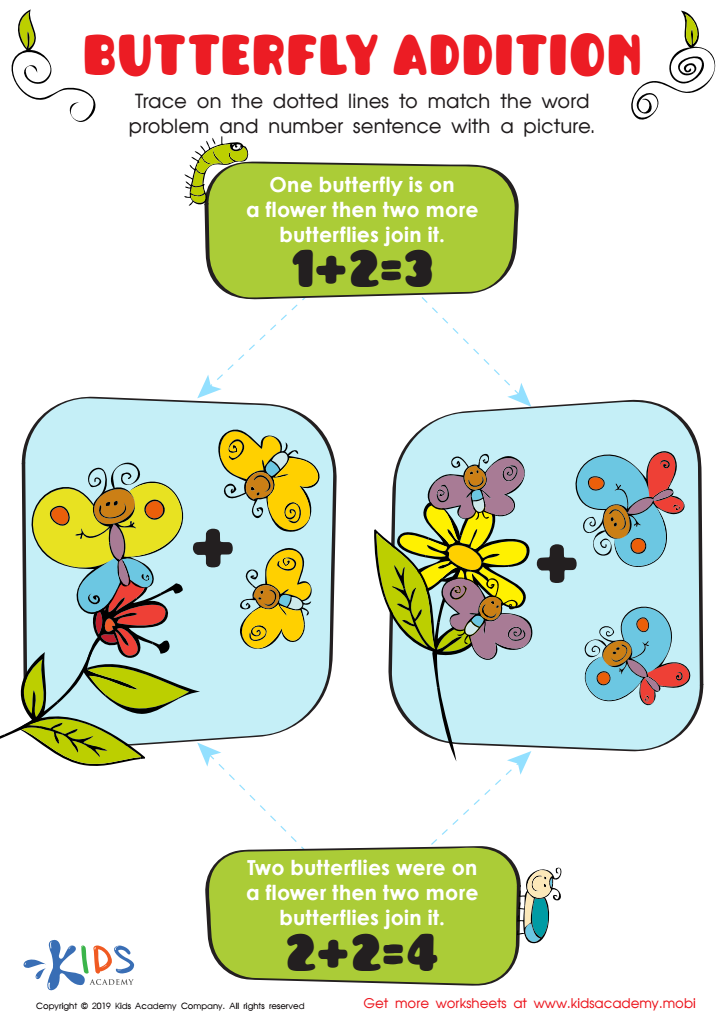
Butterfly Addition Worksheet
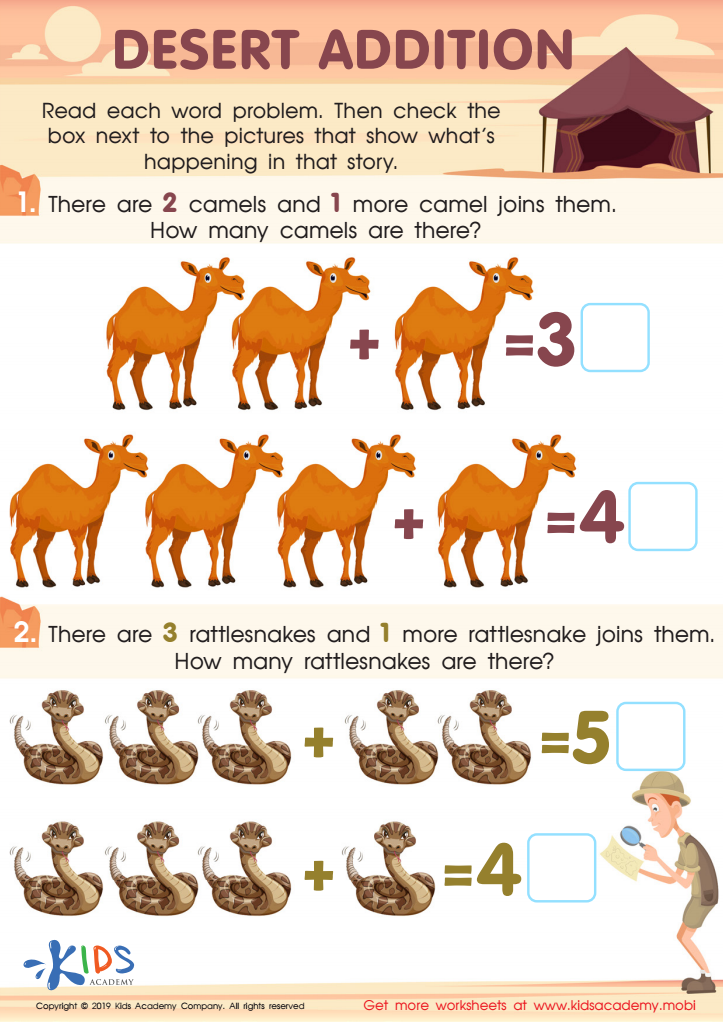
Desert Addition Worksheet
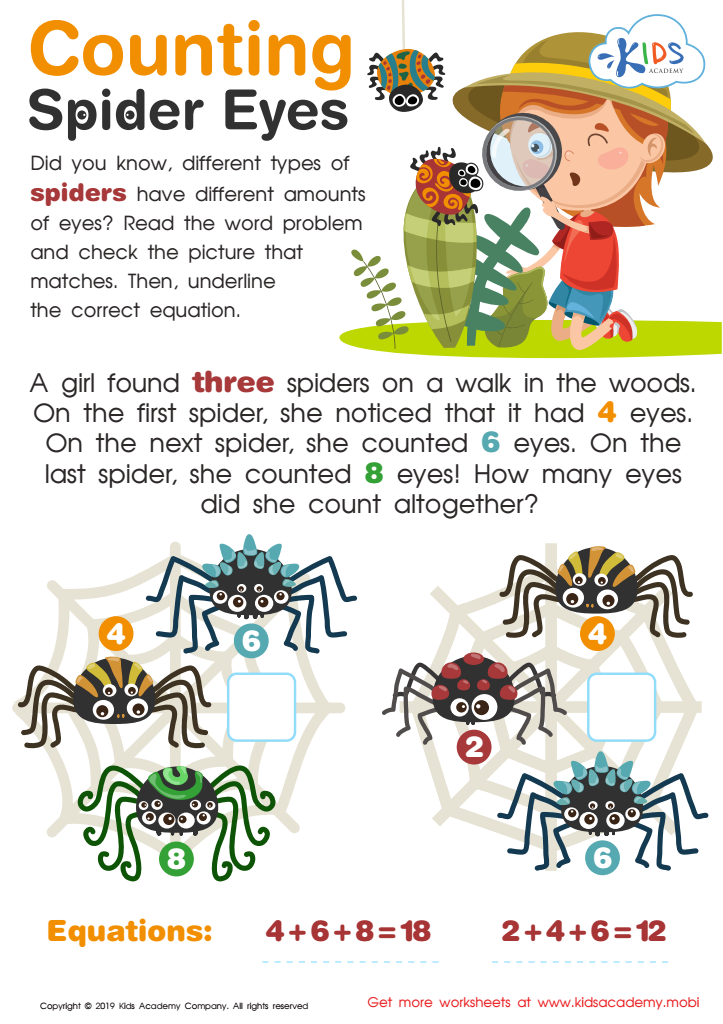
Counting Spider Eyes Worksheet
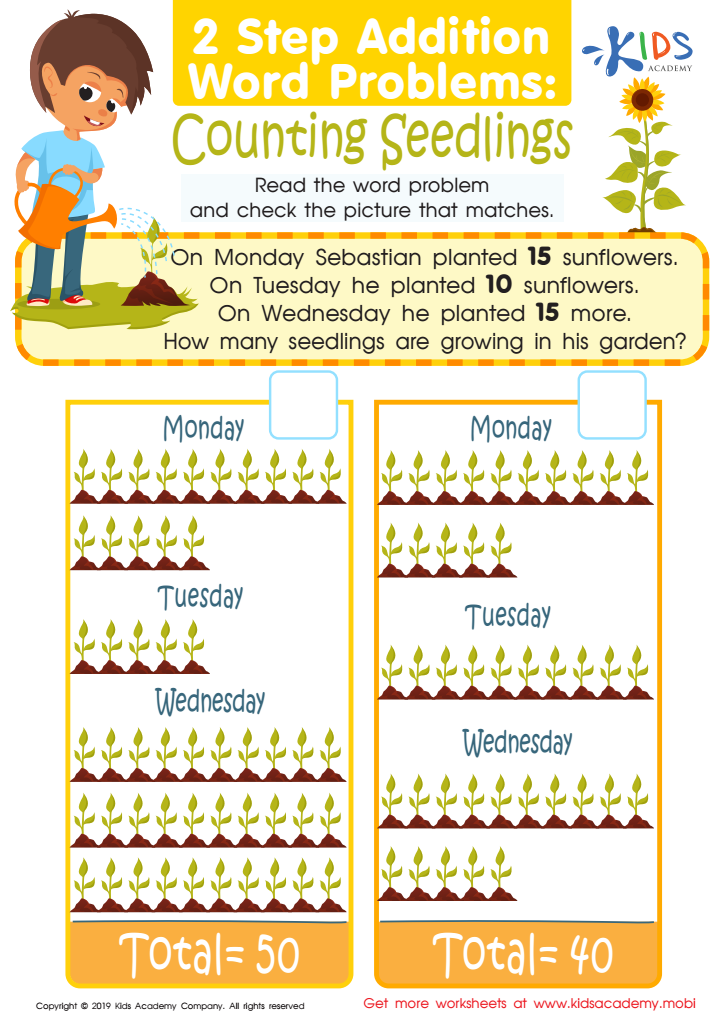
Counting Seedlings Worksheet
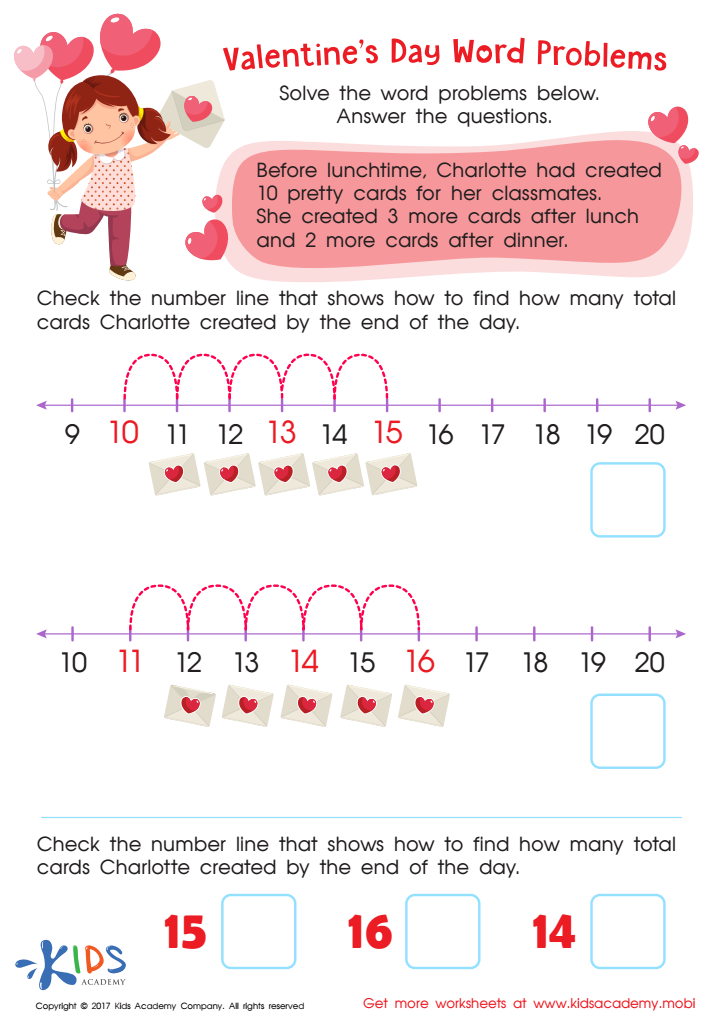
Valentines Day Word Problem Worksheet
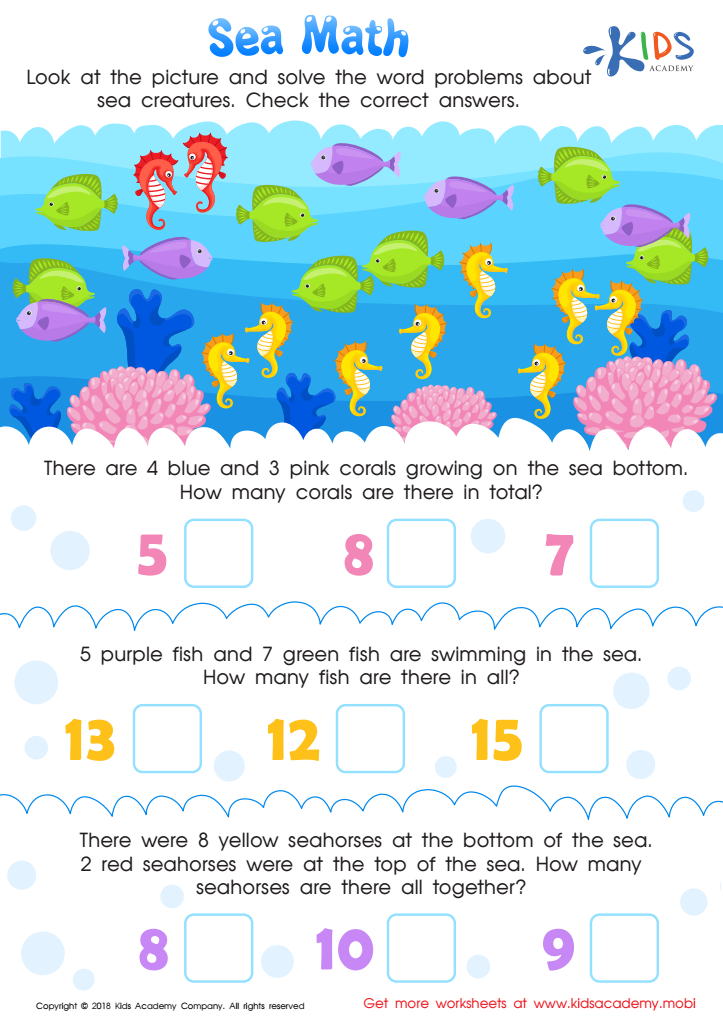
Sea Math Worksheet
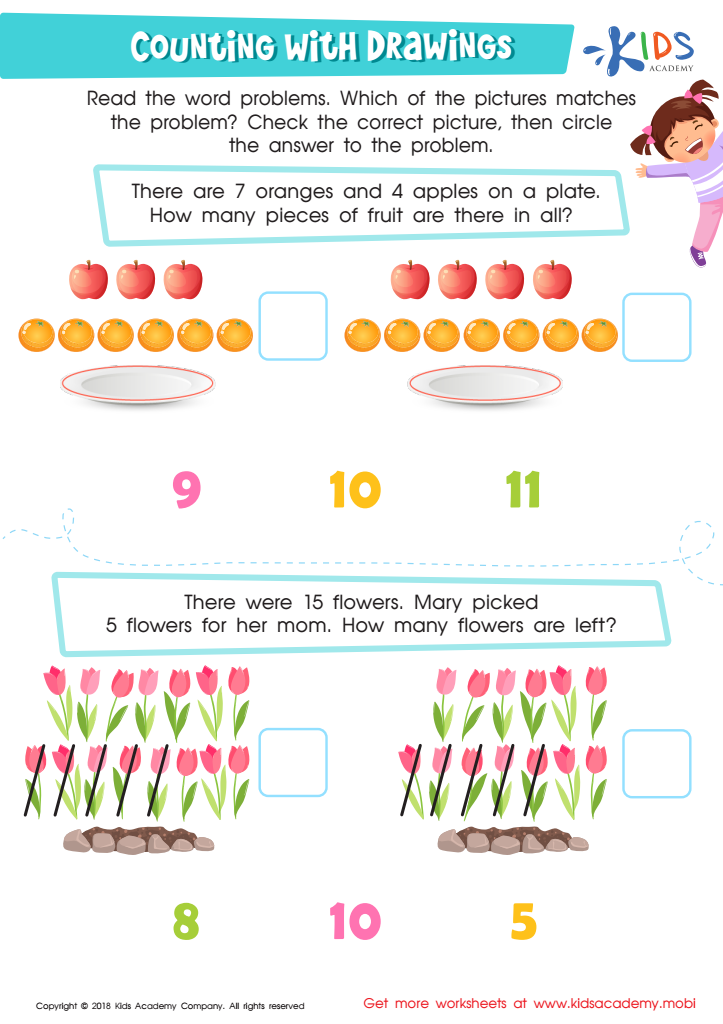
Counting with Drawings: Fruits & Chocolates Worksheet
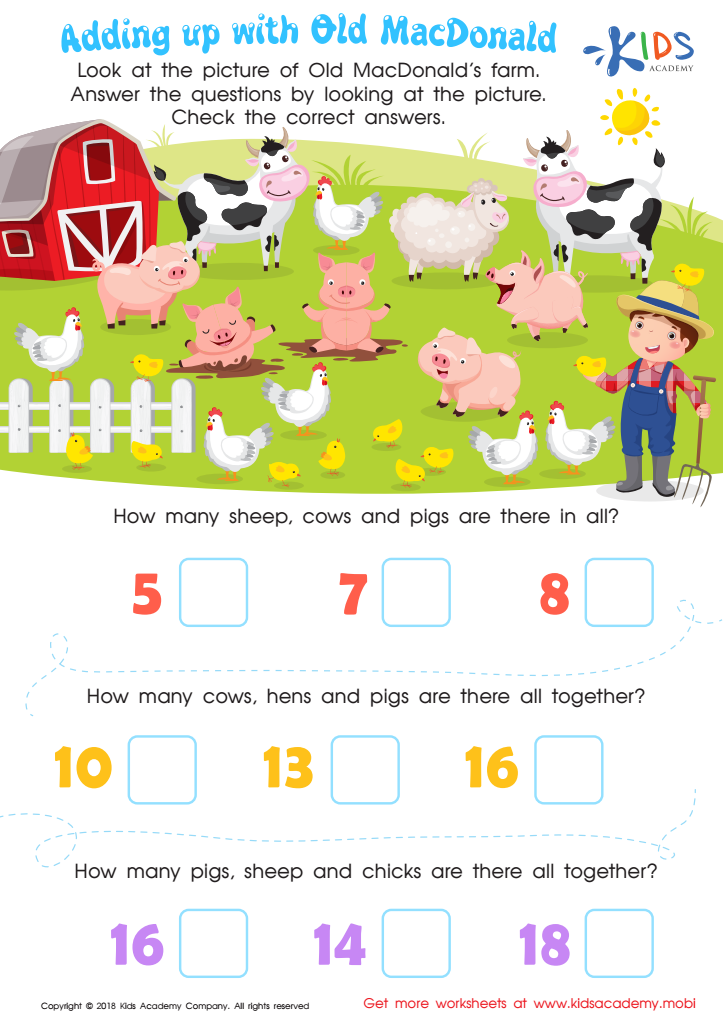
Adding Up with Old MacDonald Worksheet
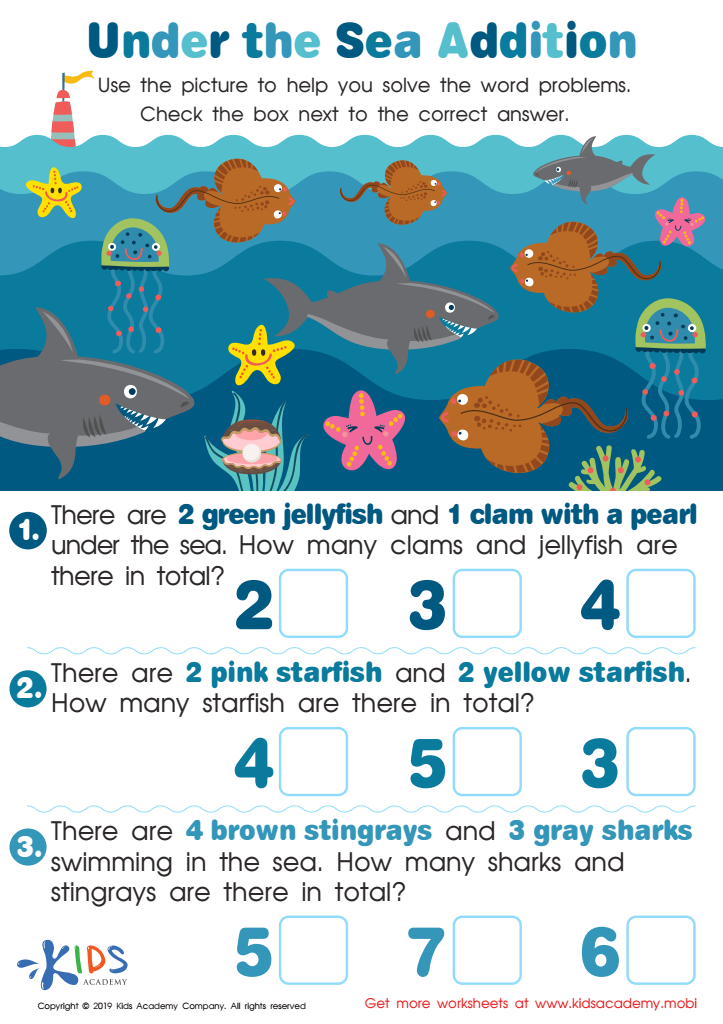
Under the Sea Addition Worksheet
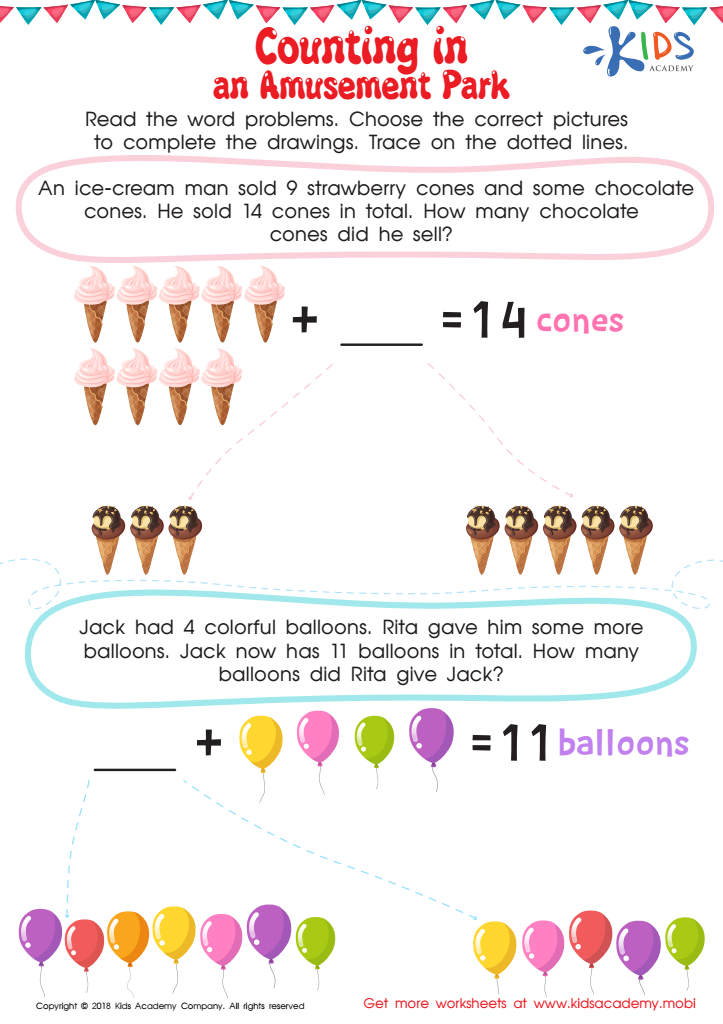
Counting in an Amusement Park Worksheet
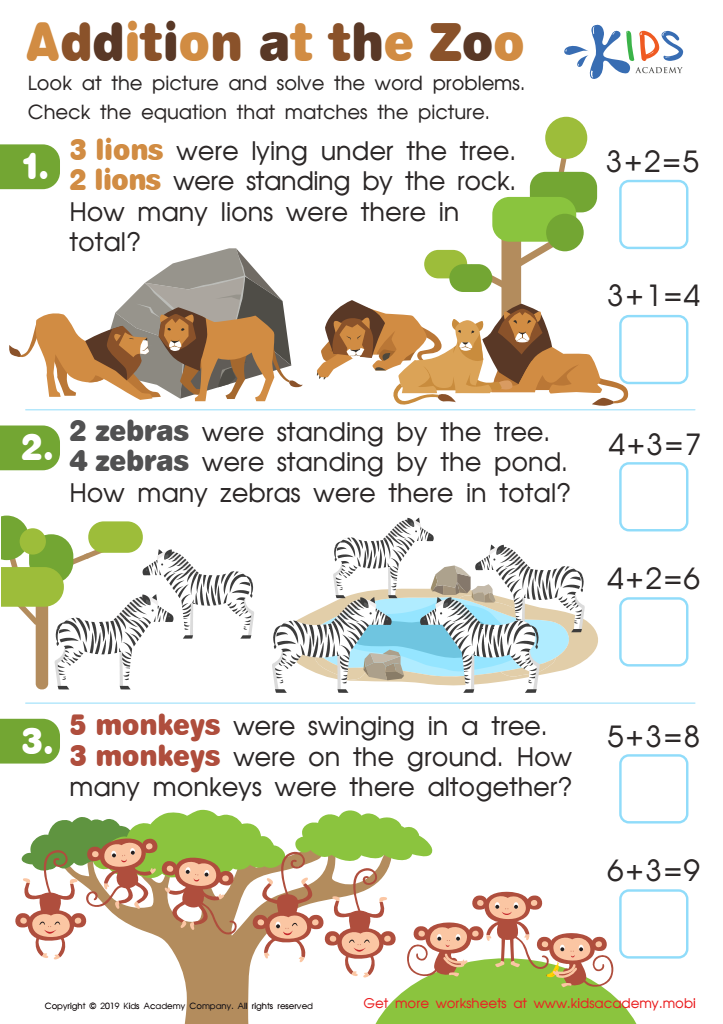
Addition at the Zoo Worksheet
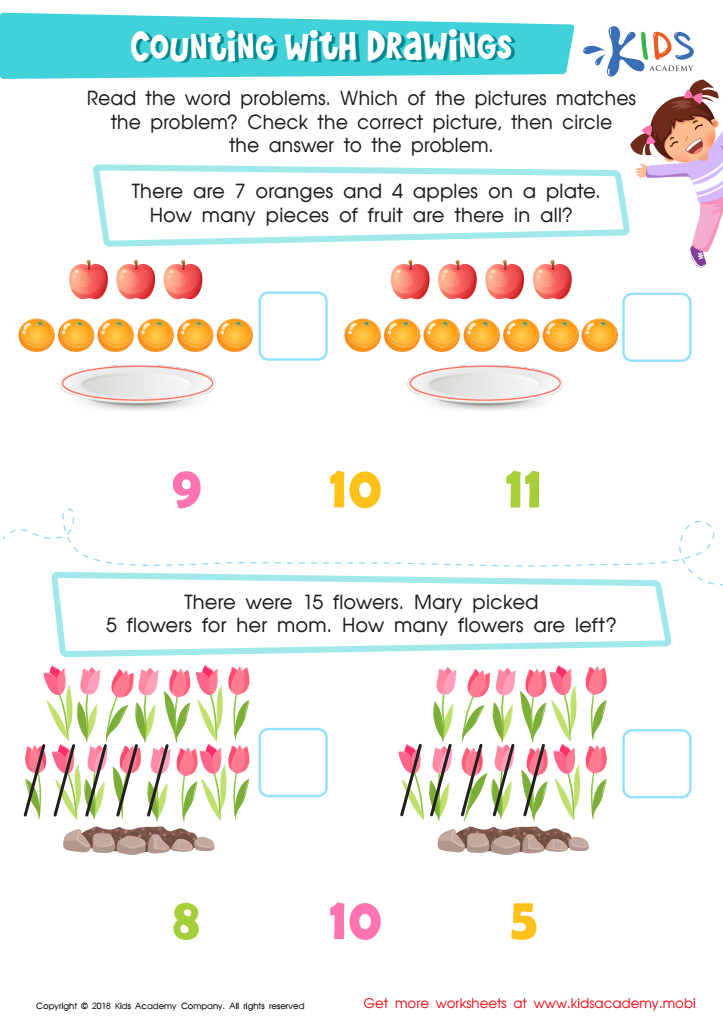
Counting with Drawings:Fruits & Flowers Worksheet








Parents and teachers should care about number recognition, addition, and subtraction word problems for 5-year-olds because these foundational skills are critical for early childhood development. At this age, young learners are in a crucial period for cognitive development, meaning that the introduction of basic math skills can significantly influence their academic trajectory.
Number recognition enables children to identify and understand numbers, which is a fundamental skill for practically all future mathematical learning. Addition and subtraction word problems help in applying these numbers in real-life contexts, building problem-solving skills and logical thinking. Understanding word problems also enhances language development and reading comprehension, as children learn to make sense of the briefs and instructions given.
These activities develop critical thinking, enhance attention spans, and encourage a positive attitude towards math. Addressing these areas at an early age prepares children for more advanced mathematical concepts and can help bridge gaps before they become problematic. Quality engagement with number recognition and problem-solving sets a strong foundation for academic success across disciplines, promoting a smoother transition into more formal schooling and fostering a lifelong love for learning.
In summary, prioritizing these skills not only advances a child's mathematical abilities but also supports broader cognitive and language development, essential for holistic educational growth.