Basic Addition Skills Addition & Subtraction Worksheets for 5-Year-Olds - Page 3
253 filtered results
-
From - To
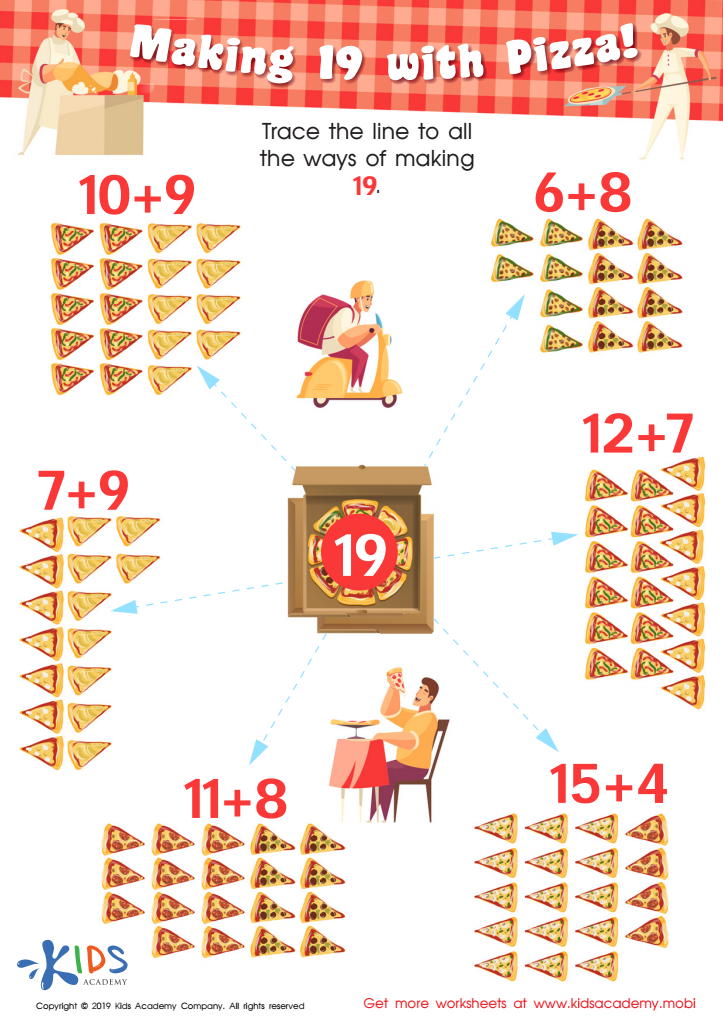
Making 19 with Pizza! Worksheet
 Assign to My Students
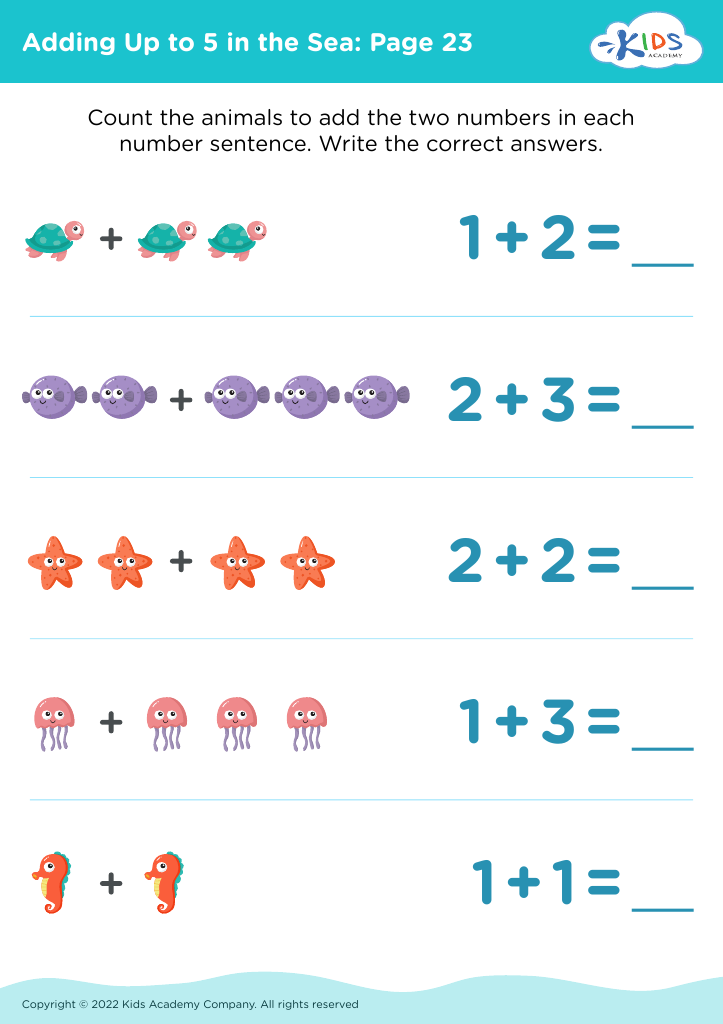
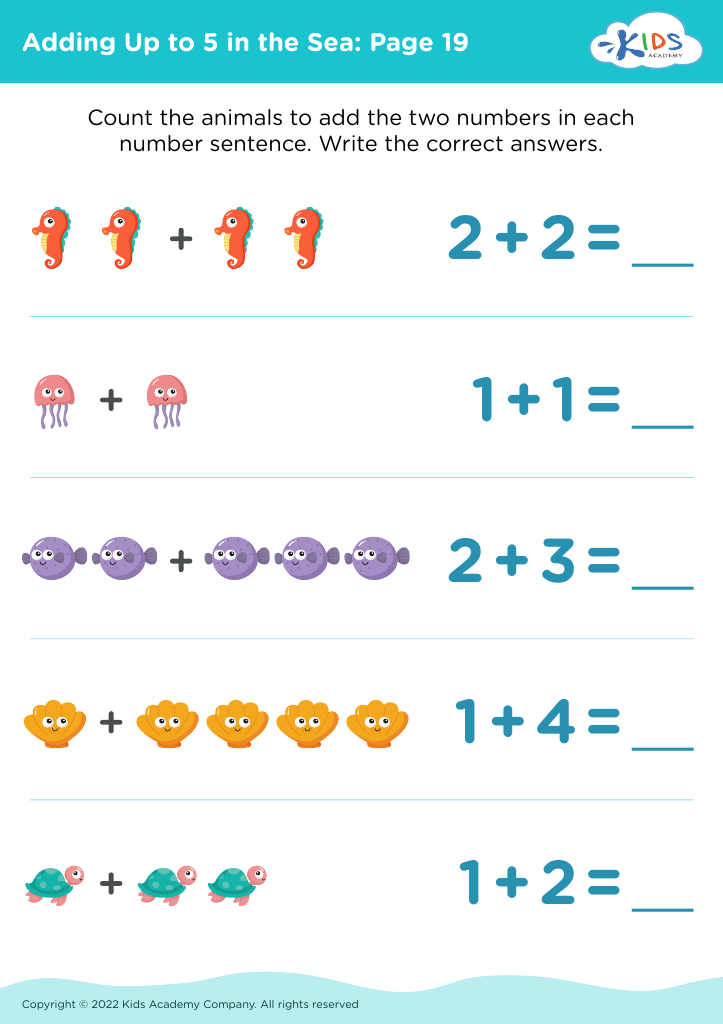
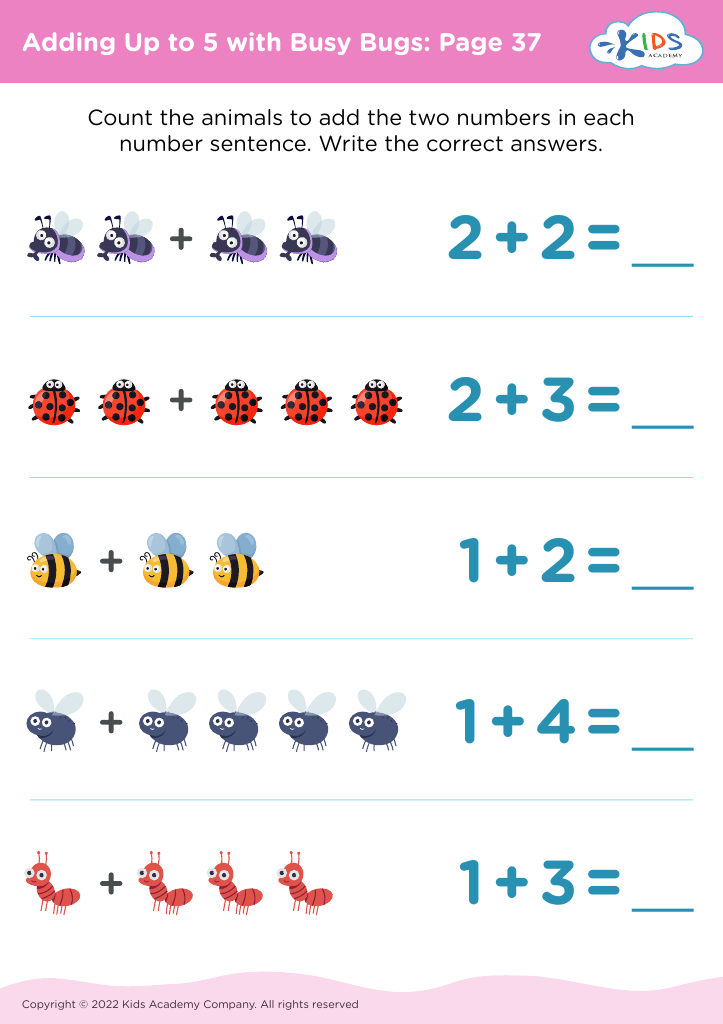
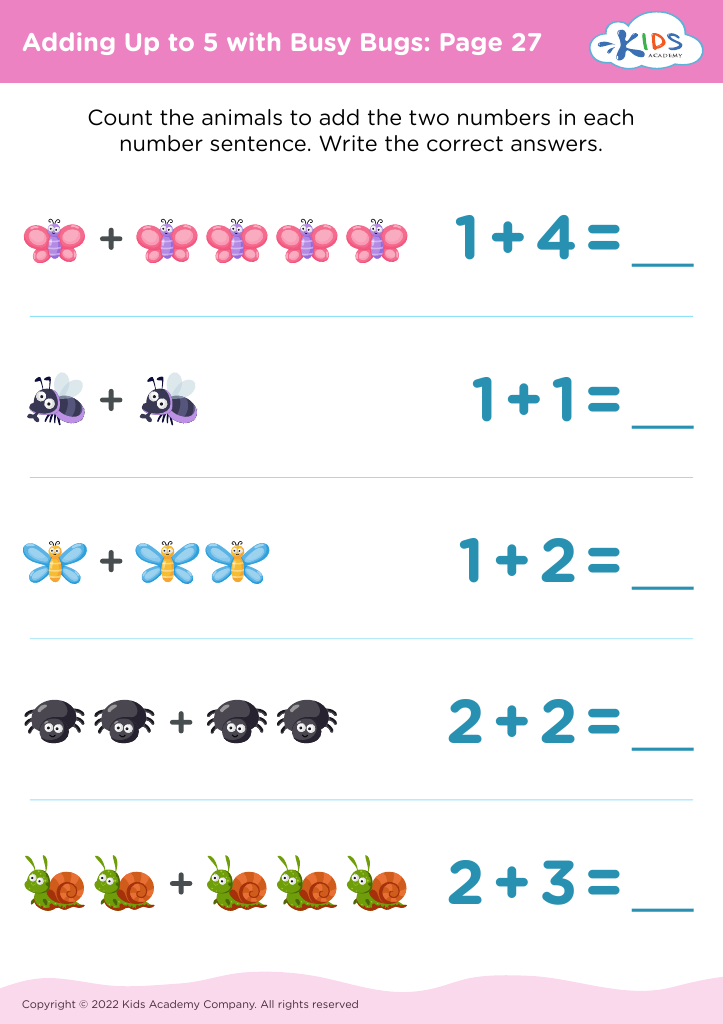
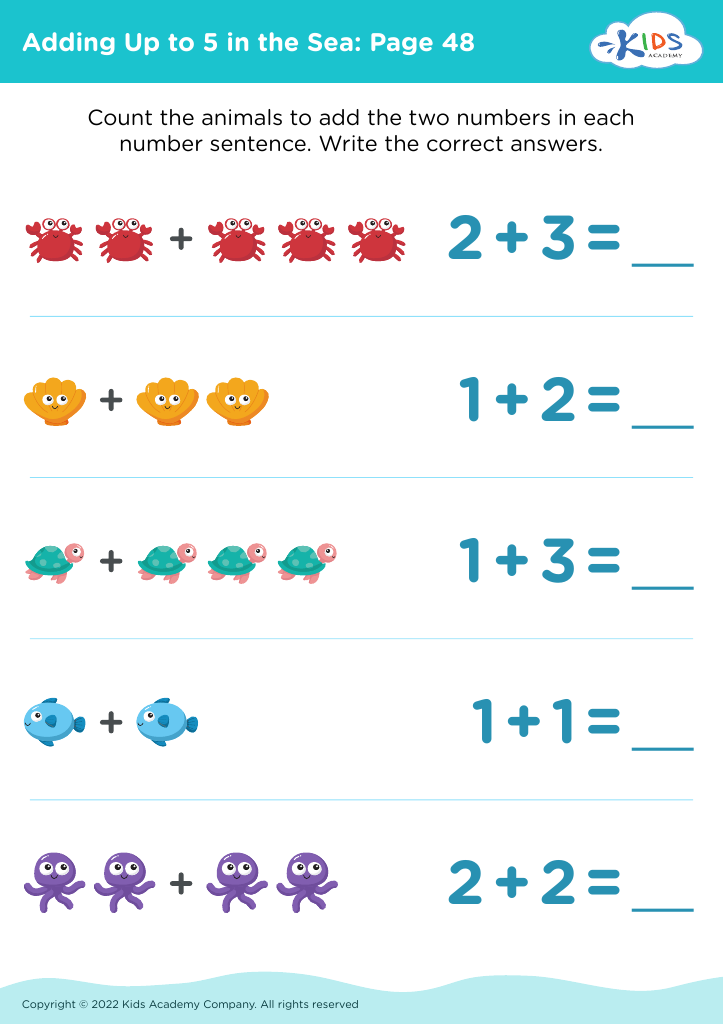
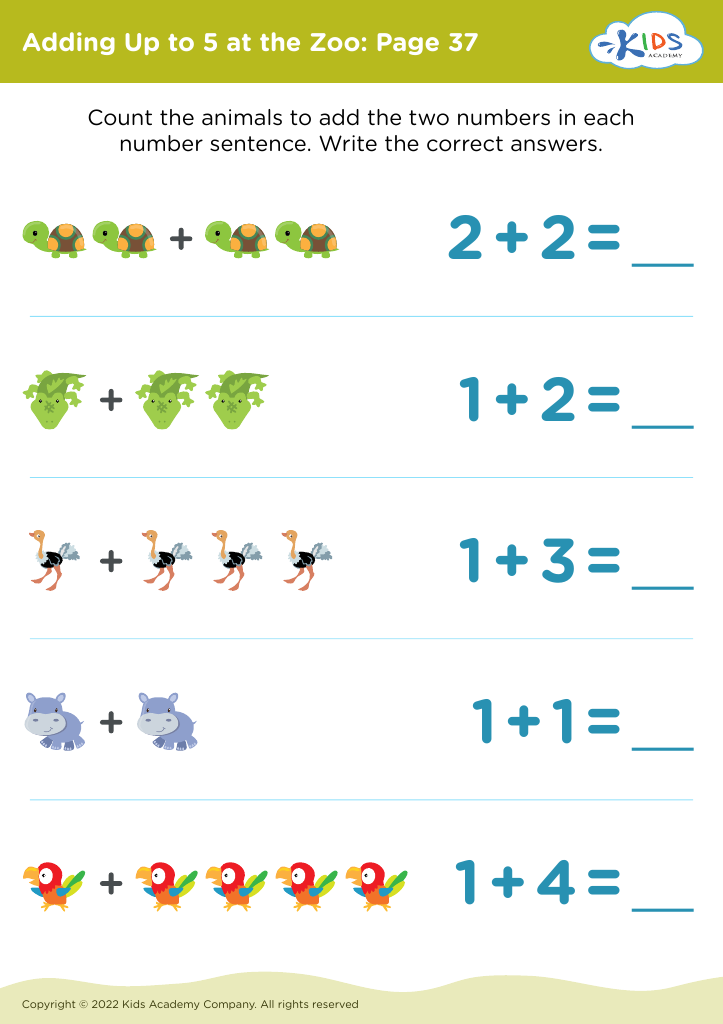
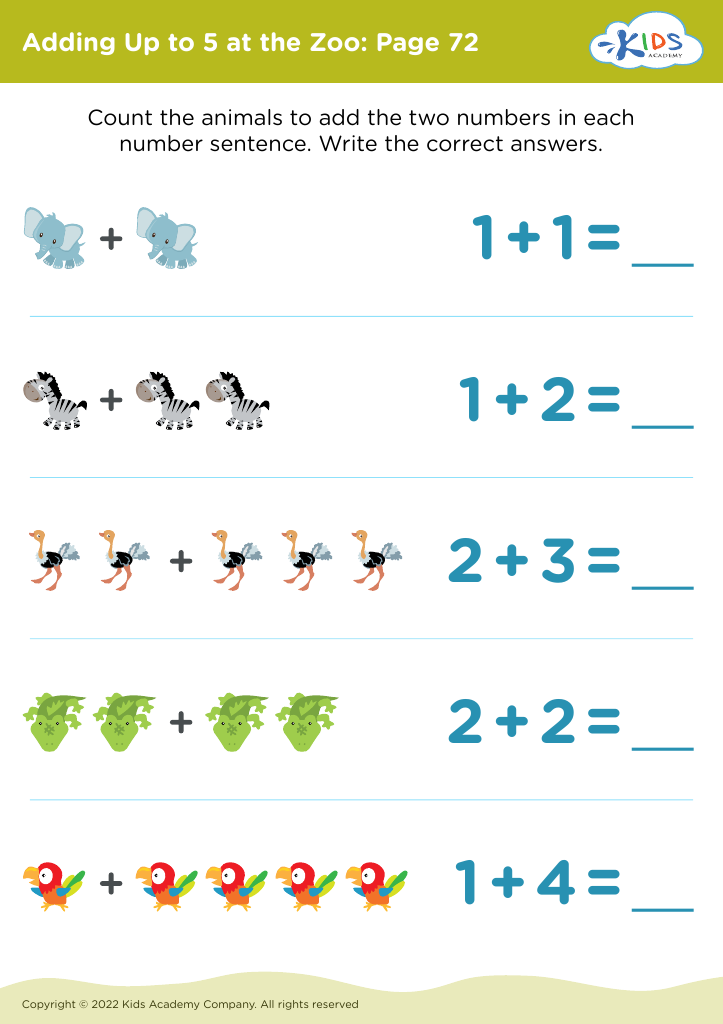
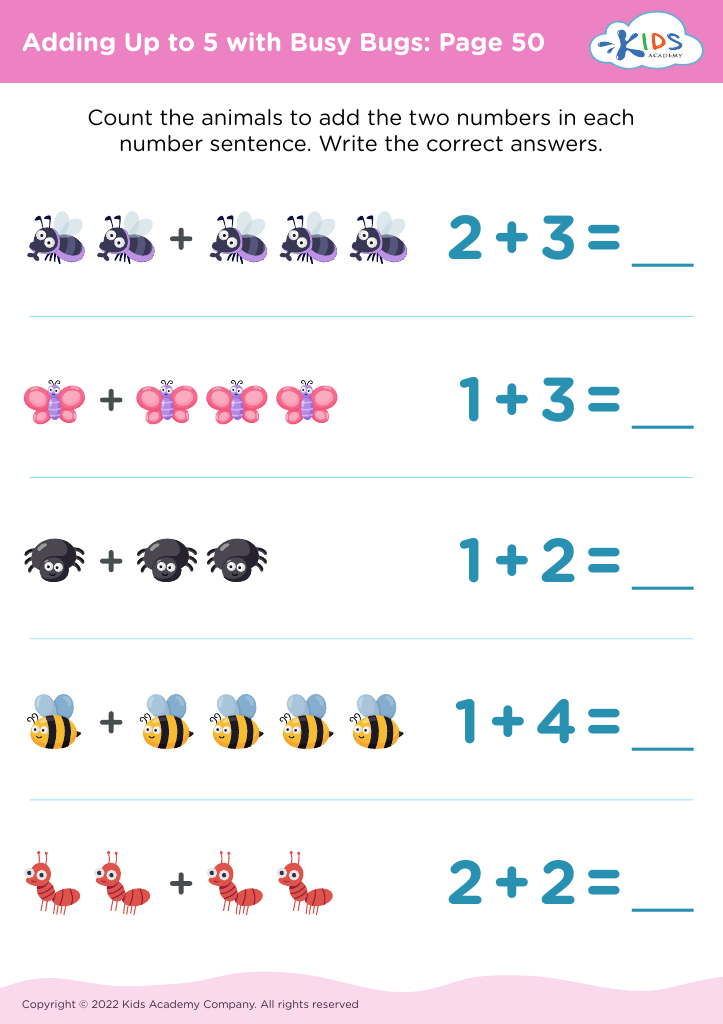
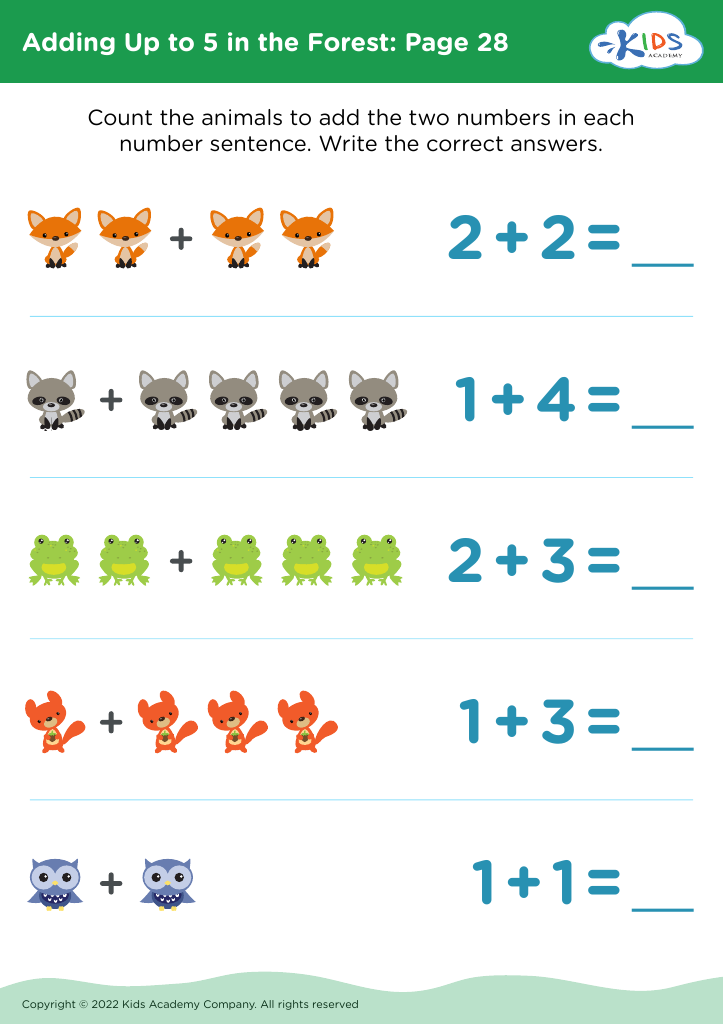
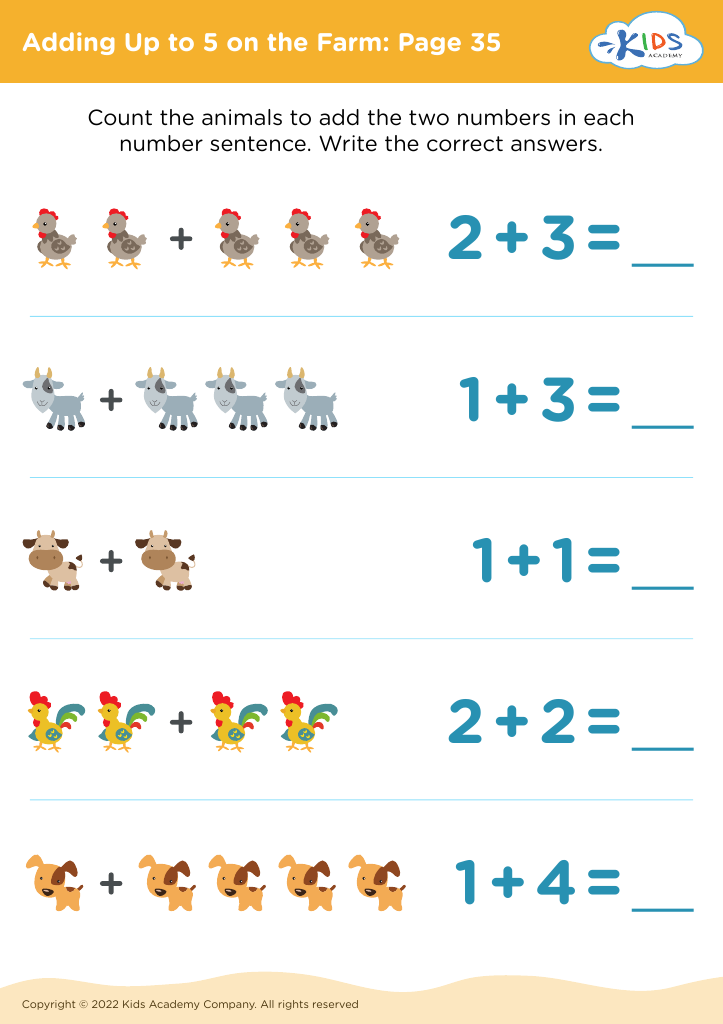
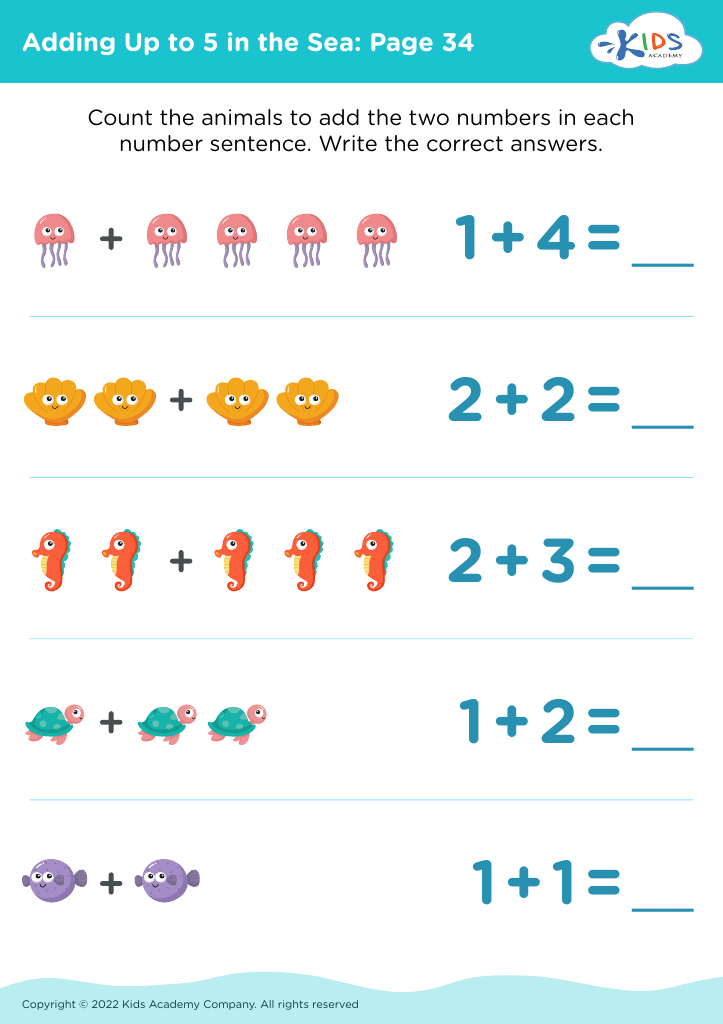
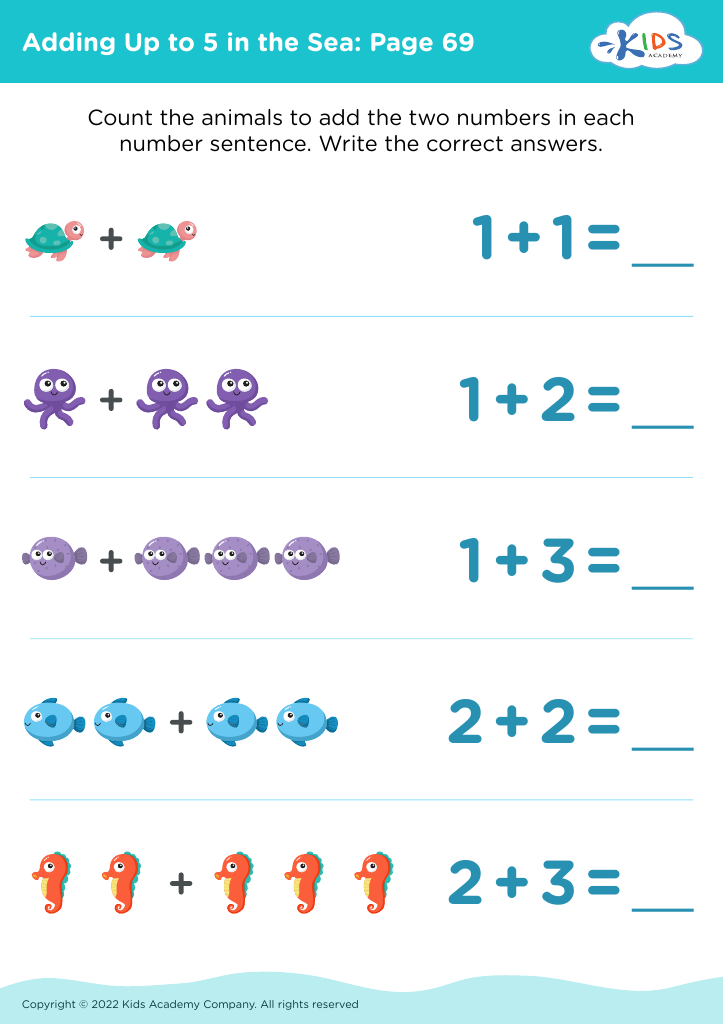
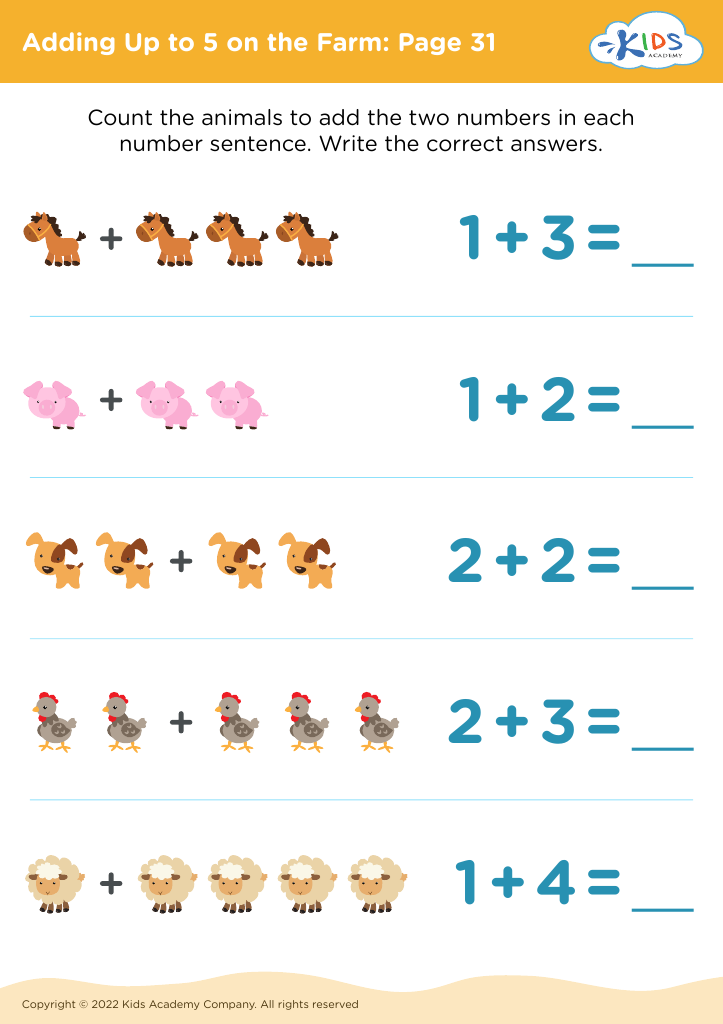
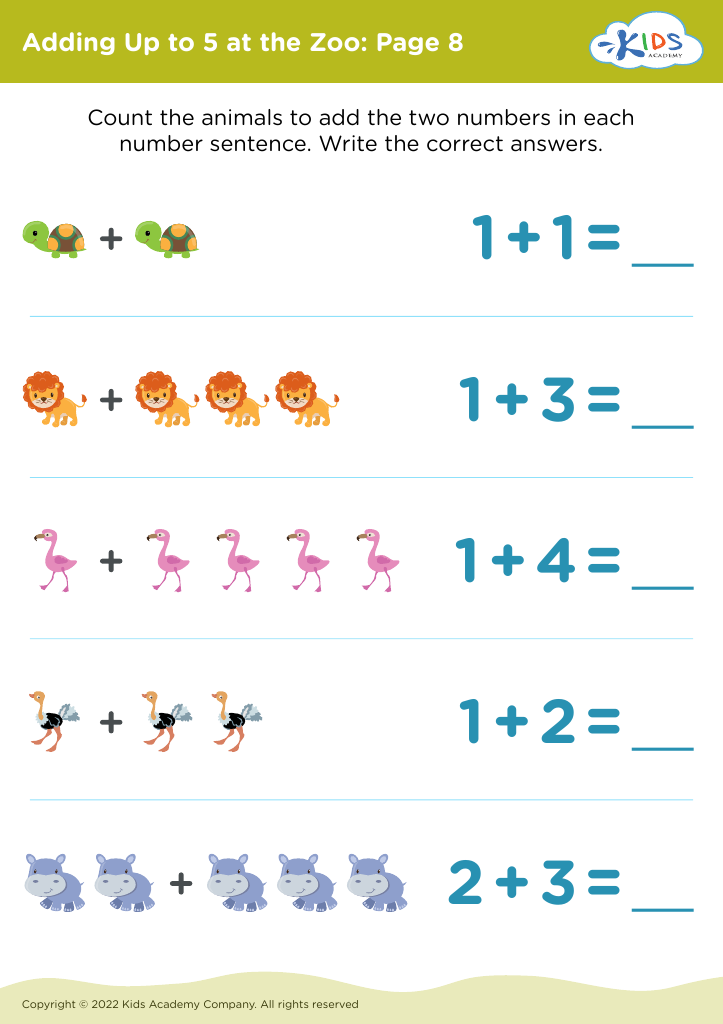
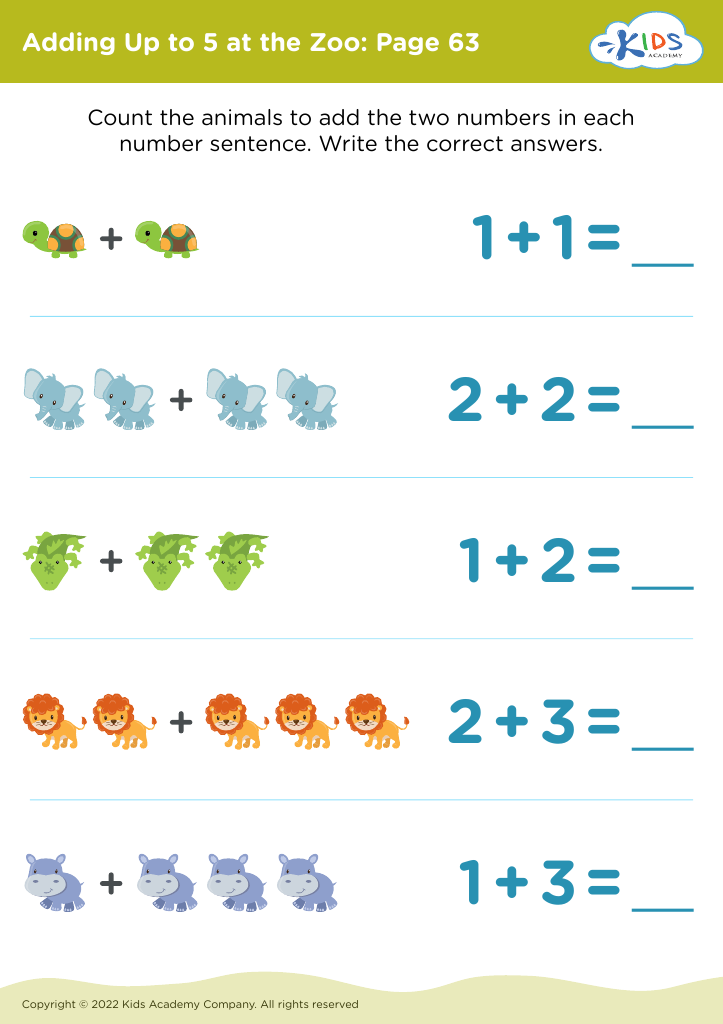
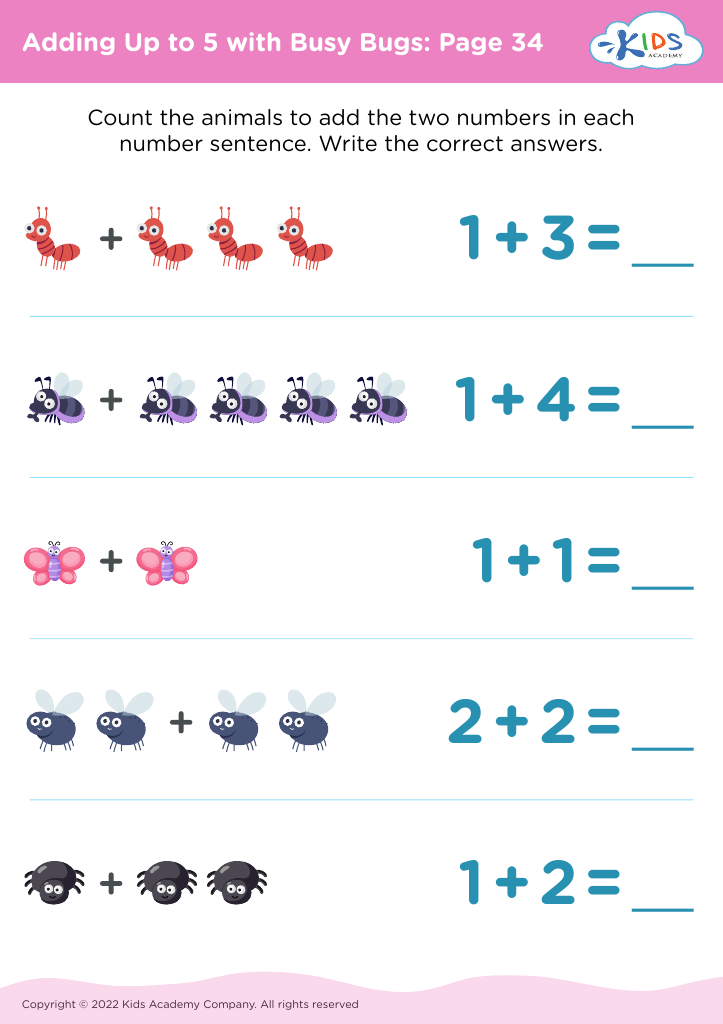
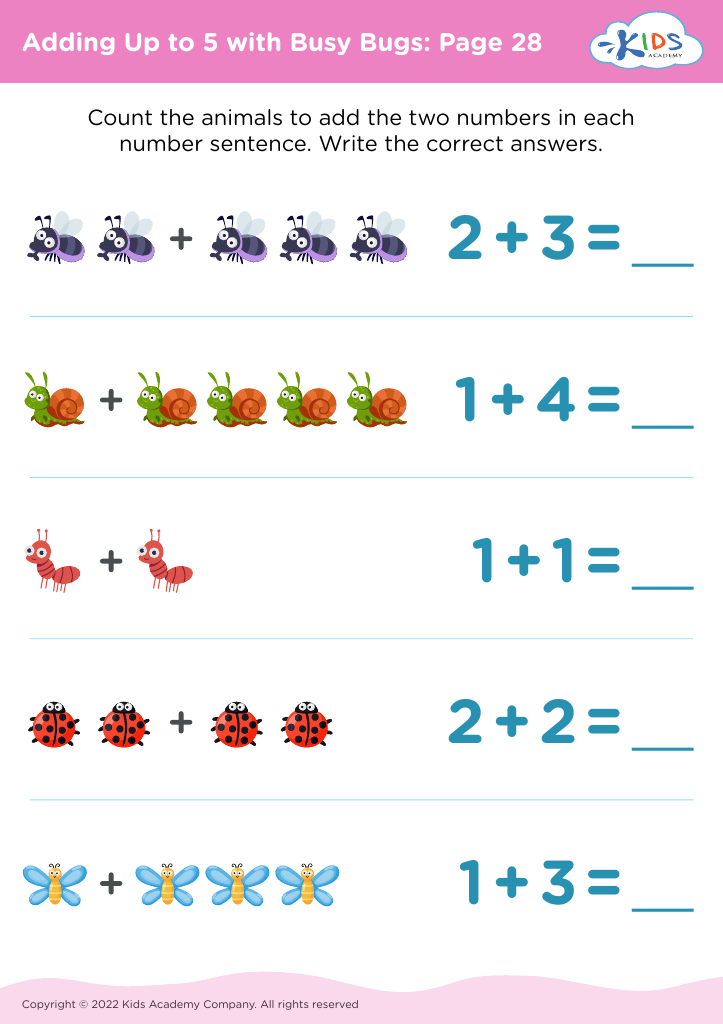
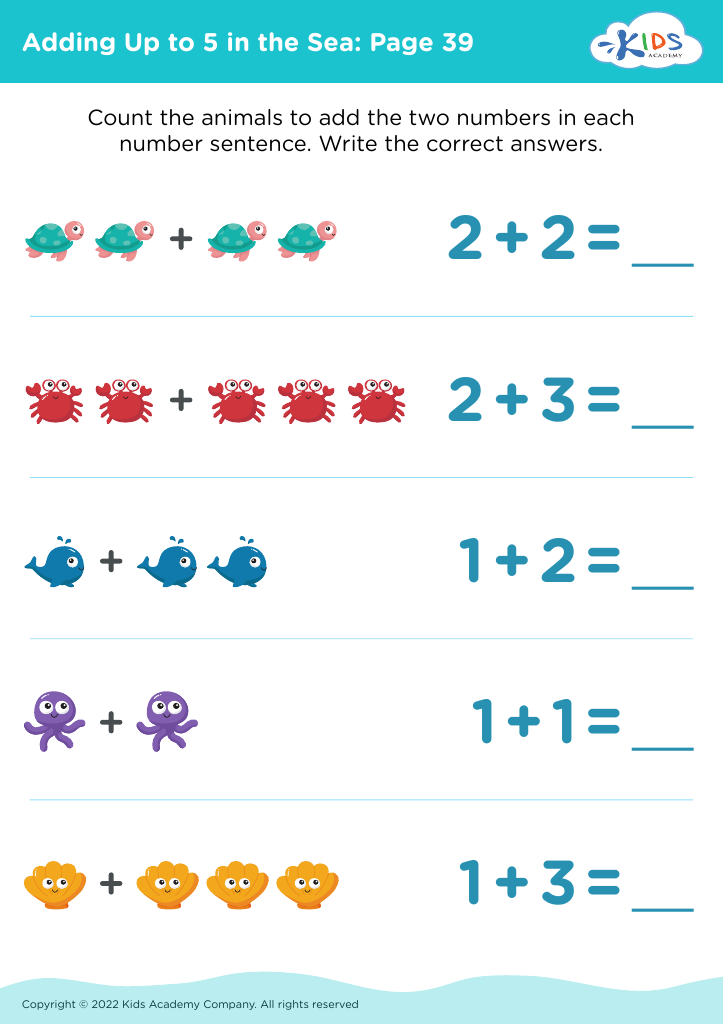
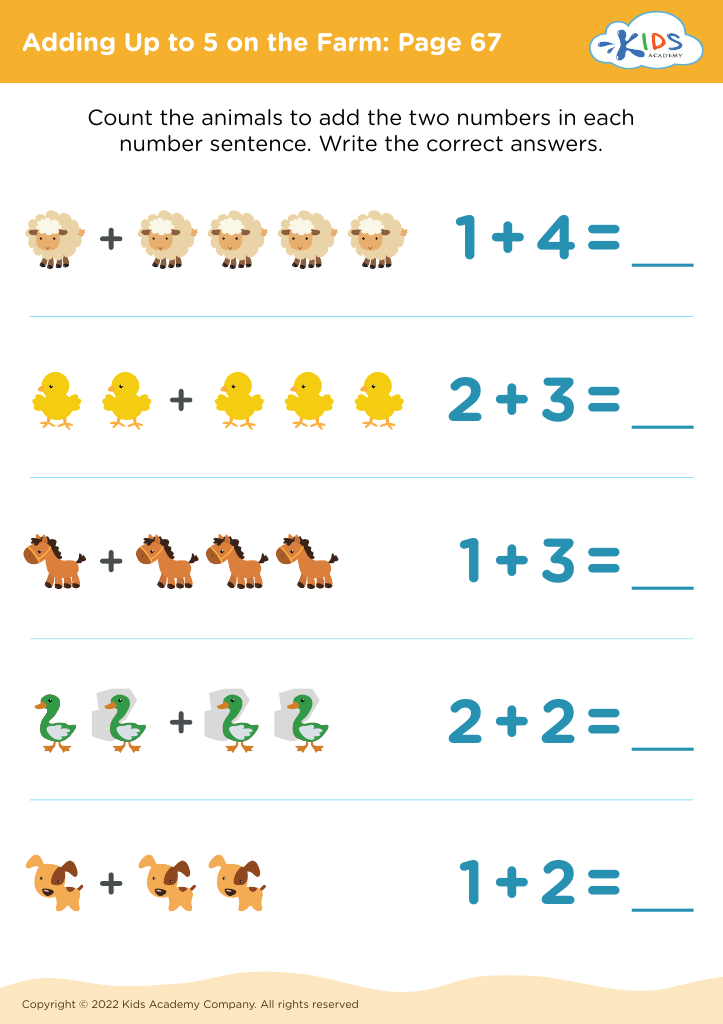




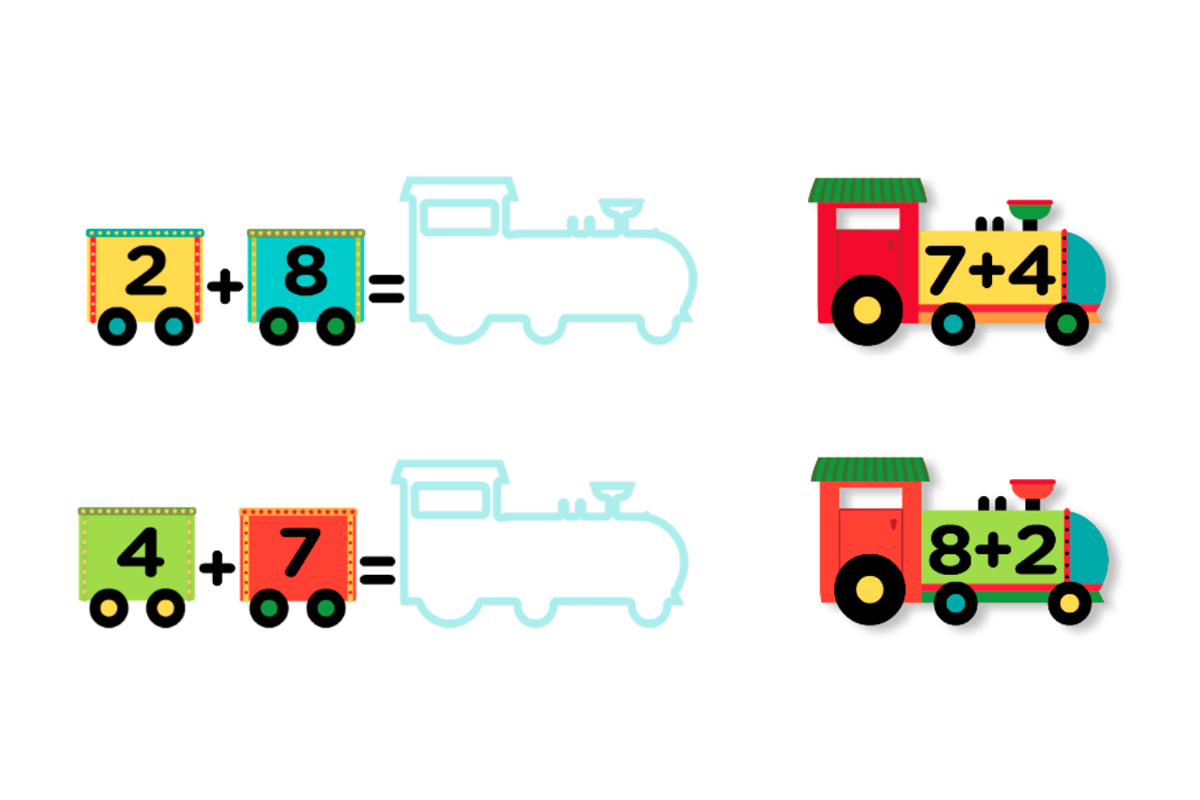



Developing basic addition and subtraction skills at a young age is crucial for several reasons. For one, it lays the foundational understanding of numeracy, which is essential for more advanced math concepts. Early exposure to these skills can significantly boost a child's confidence in their mathematical abilities. When children grasp addition and subtraction, they also develop critical thinking and problem-solving skills. They learn not just to count numbers but to understand relationships between them, which translates into better cognitive and analytical abilities.
Moreover, early math skills are strongly linked to future academic success. Studies have shown that children who excel in early math tend to perform well in other subjects throughout their education. This is because math strengthens logical thinking patterns that are applicable in various academic and real-life contexts.
In addition, practicing these skills provides opportunities for parents and teachers to bond with children through interactive and enjoyable activities. Games, puzzles, and real-world problem-solving tasks make learning feel like play, fostering a positive attitude toward education. In essence, caring about basic addition and subtraction during early childhood ensures that children not only start their academic journey on the right foot but also develop a lifelong love for learning.








