Cognitive Development Addition & Subtraction Worksheets for 5-Year-Olds - Page 5
107 filtered results
-
From - To
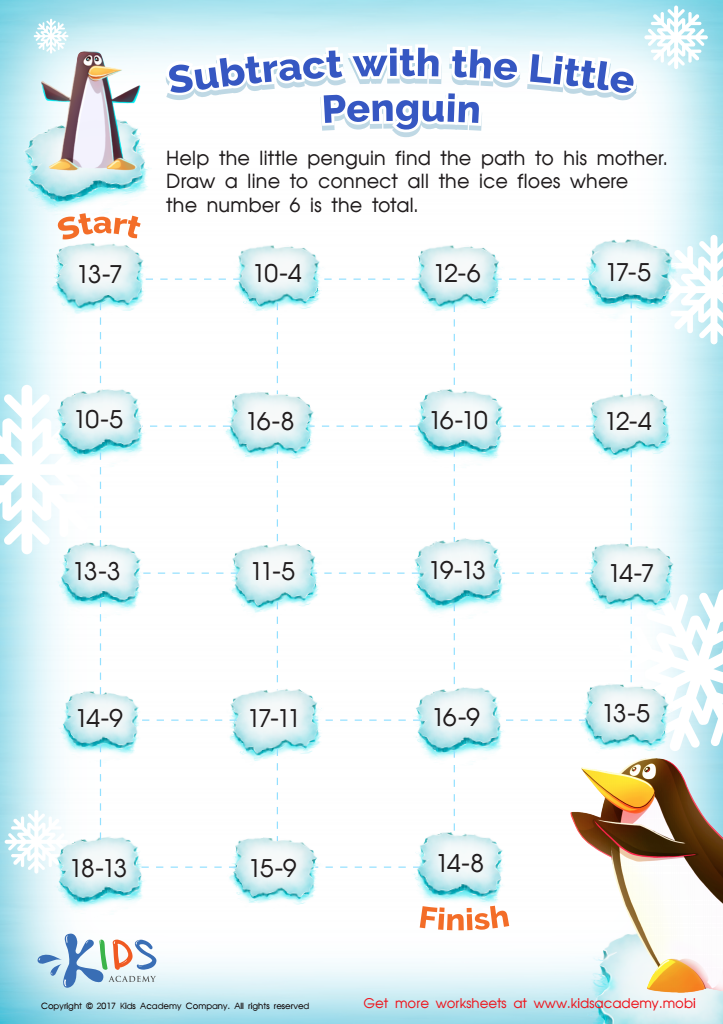
Subtract With The Little Penguin Substraction Worksheet
 Assign to My Students
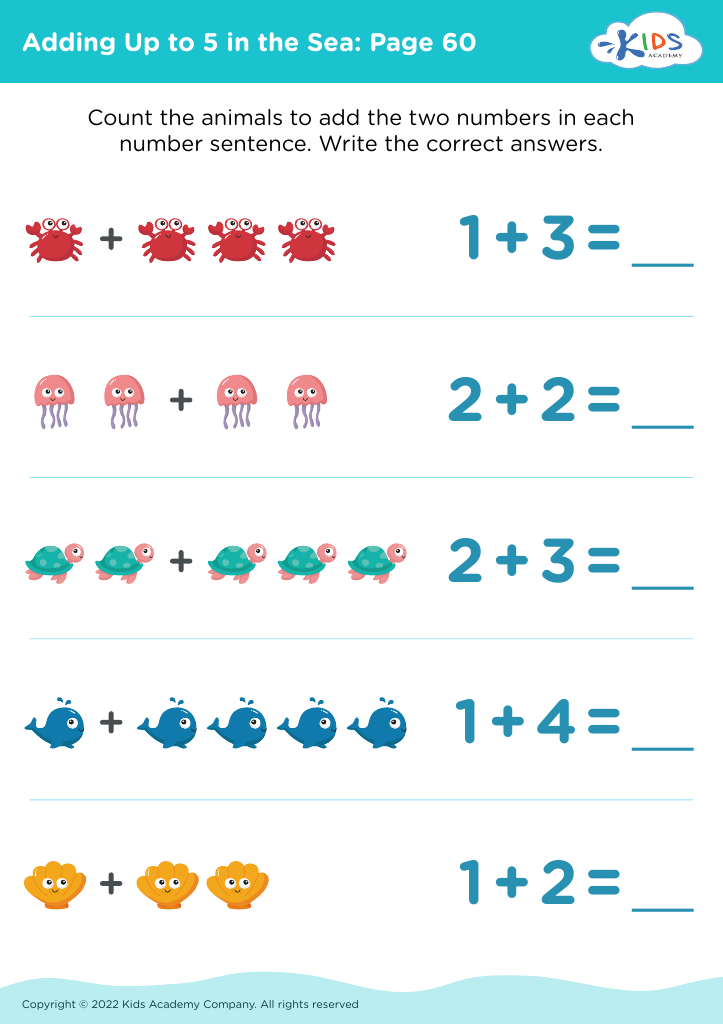
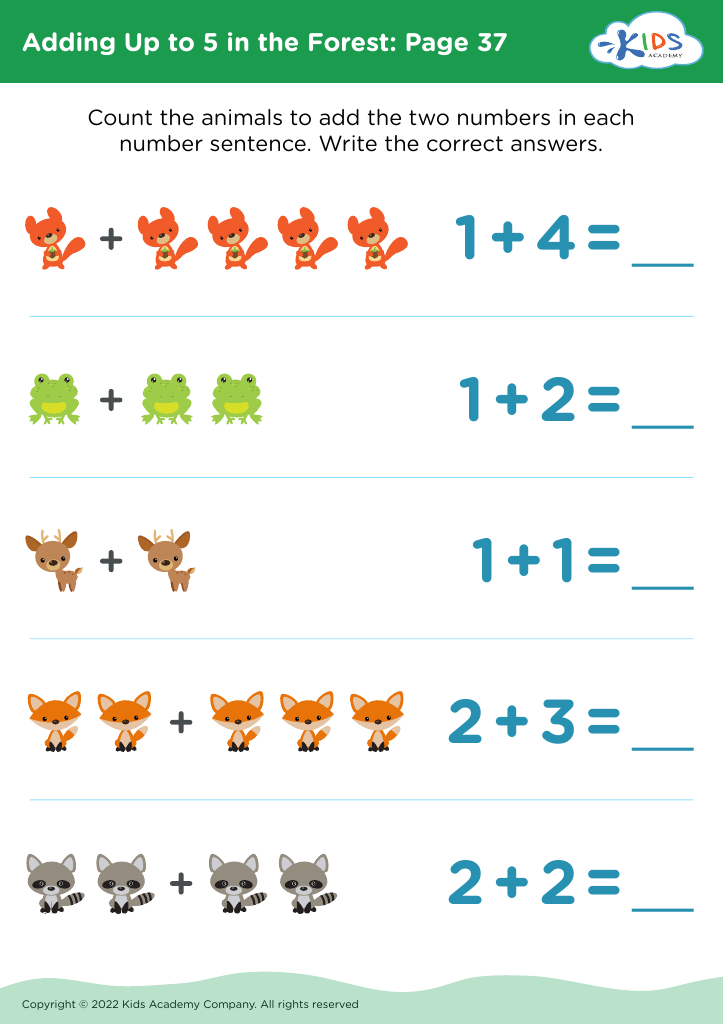
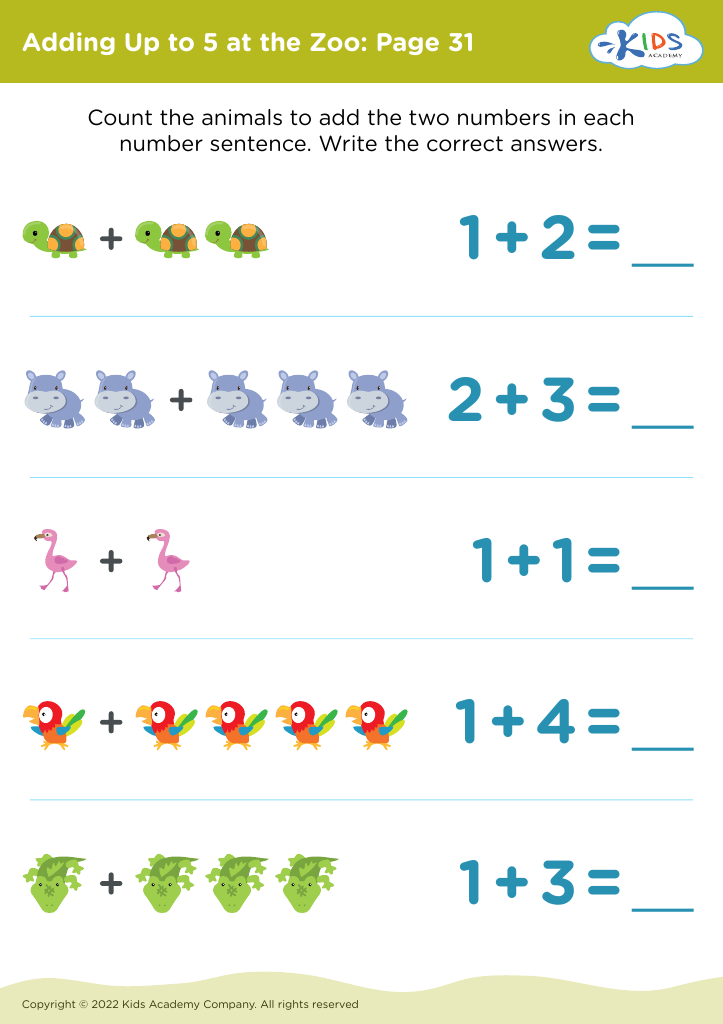
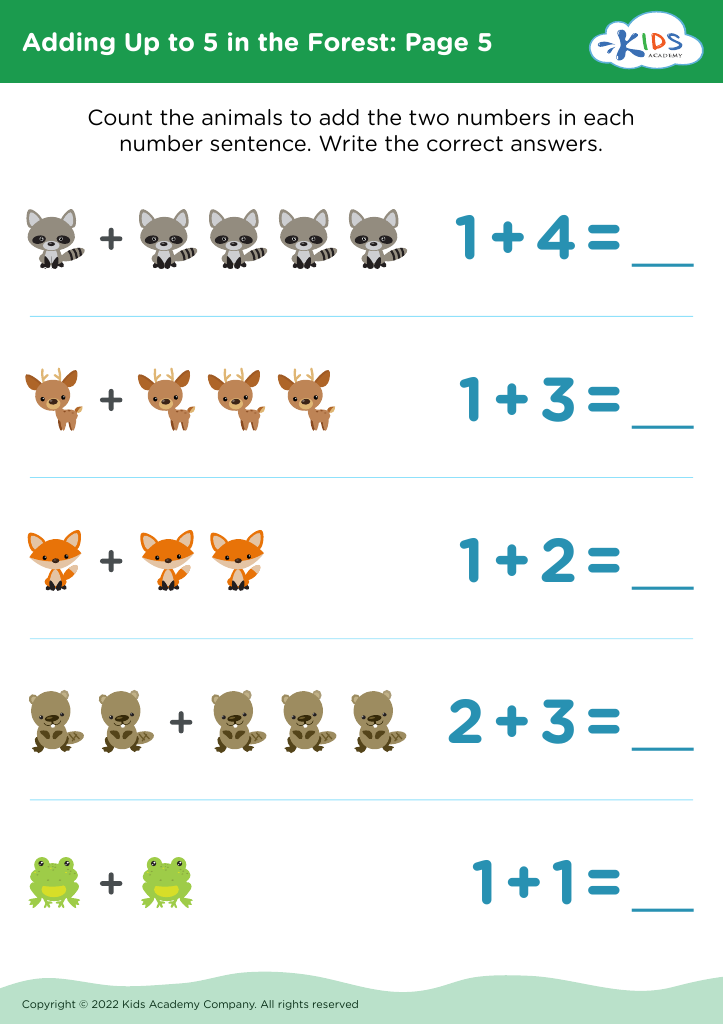
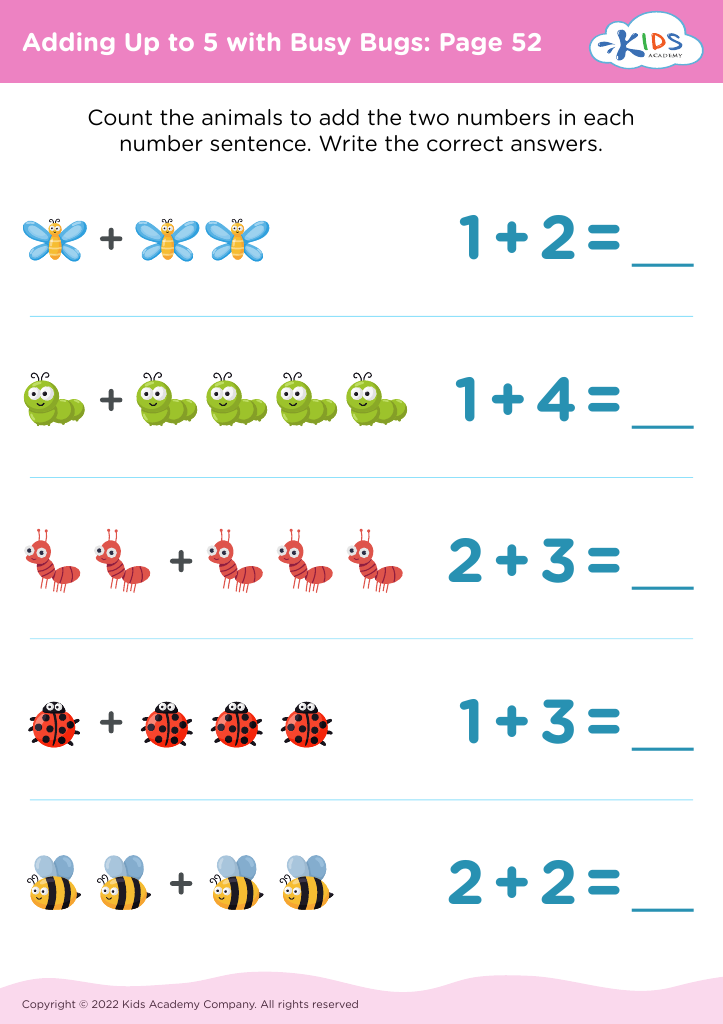
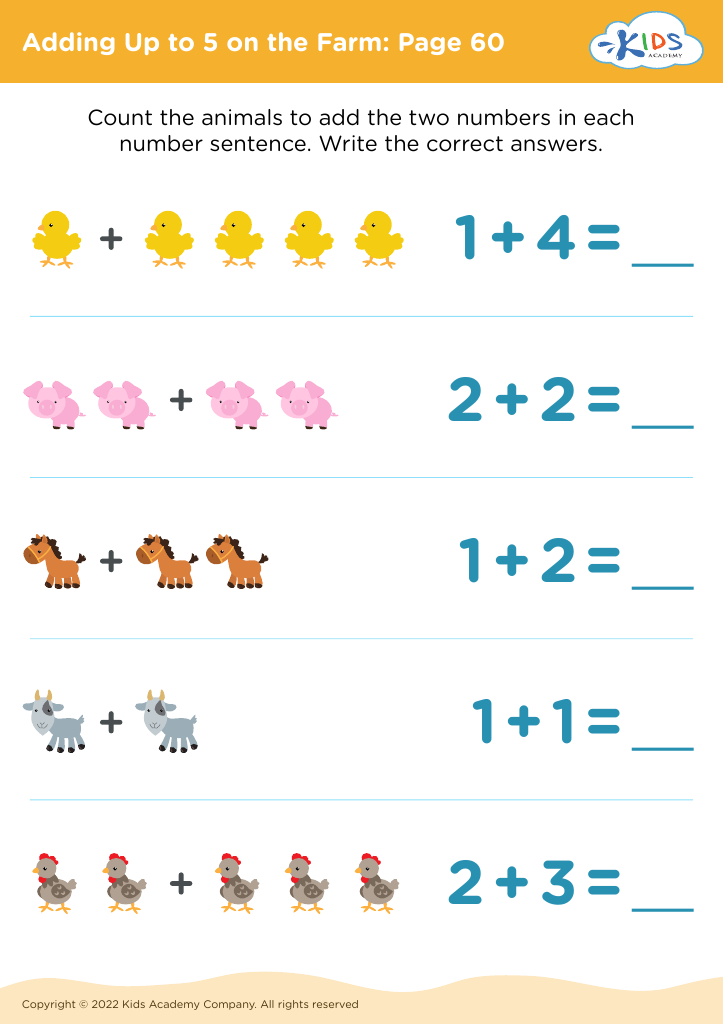
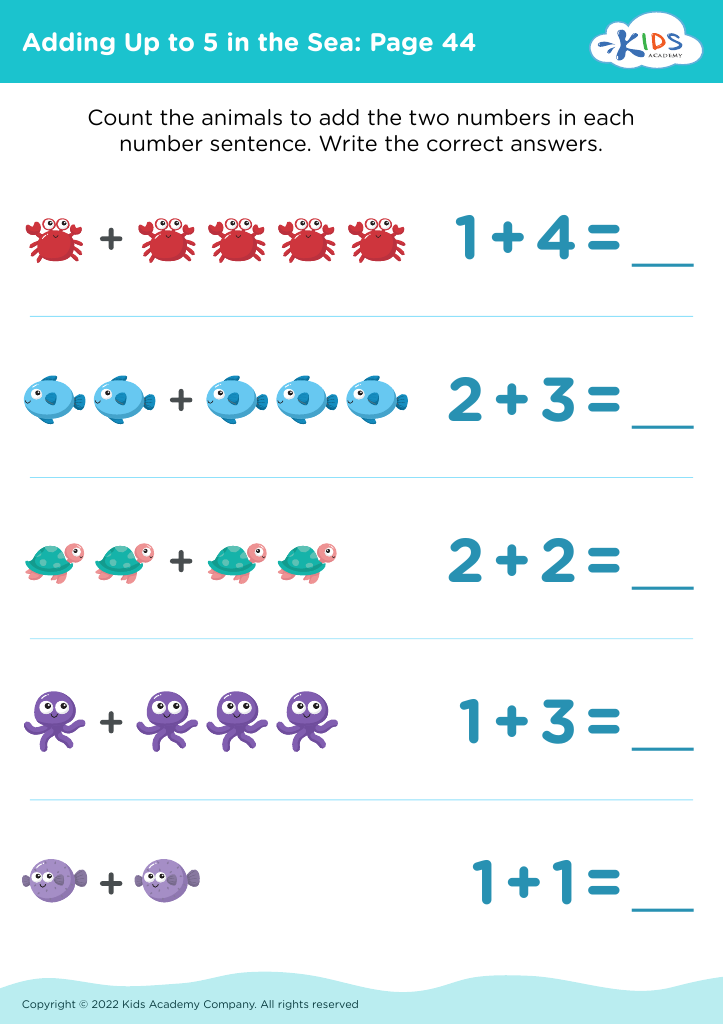



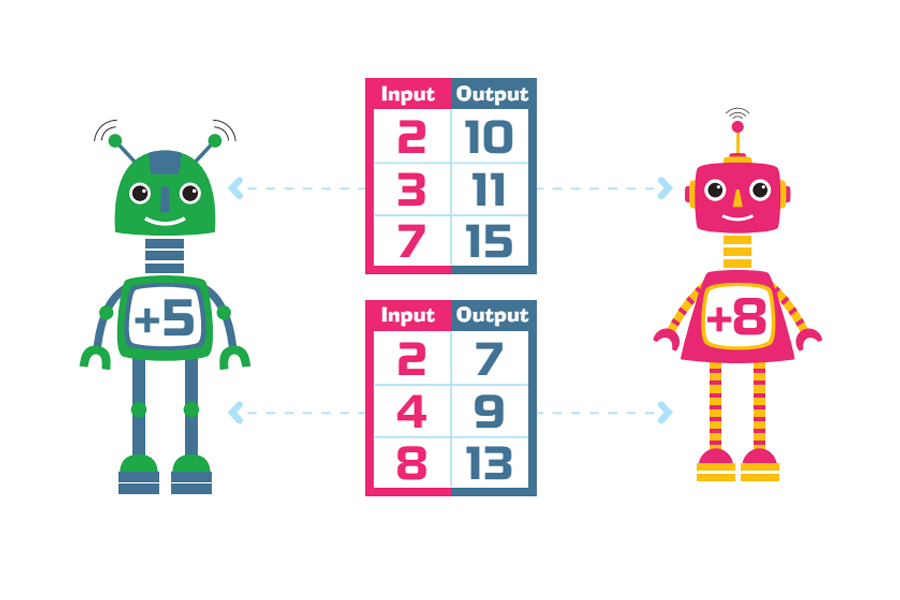




Cognitive development in early childhood plays a crucial role in shaping a child's understanding of the world, particularly in essential skills like addition and subtraction. For 5-year-olds, grasping these basic concepts lays a vital foundation for future mathematical learning and problem-solving abilities. When parents and teachers actively engage in their child's cognitive development in this area, they foster critical thinking, logical reasoning, and analytical skills, which are crucial for all subject areas.
Additionally, arithmetic skills are not just about numbers; they enhance a child's ability to make connections between various concepts. For example, learning how to add and subtract builds their capacity to understand patterns and relationships. Engaging in playful activities that involve counting, measuring, and simple math games can turn learning into an enjoyable experience, increasing motivation and confidence.
Furthermore, strong early math skills are linked to academic success later on. Research indicates that children who grasp these concepts early are better equipped to tackle more complex mathematical operations in subsequent years. Ultimately, by prioritizing cognitive development in addition and subtraction, parents and teachers equip children not just for academic mastery, but also for lifelong learning and effective problem-solving in everyday life.








