Color Identification Numbers Worksheets for 5-Year-Olds
8 filtered results
-
From - To
Unlock your child's creativity with our engaging Color Identification Numbers Worksheets designed specifically for 5-year-olds. These fun and interactive activities will help young learners identify colors while developing essential number recognition skills. Children will enjoy sorting, matching, and coloring various objects that corresponds with color-coded numbers, making learning enjoyable and effective. Each worksheet fosters cognitive development through visual and hands-on learning experiences. Perfect for home or classroom use, these resources are ideal for reinforcing foundational math skills in a delightful way. Download our Color Identification Numbers Worksheets today and watch your child's confidence and knowledge blossom!
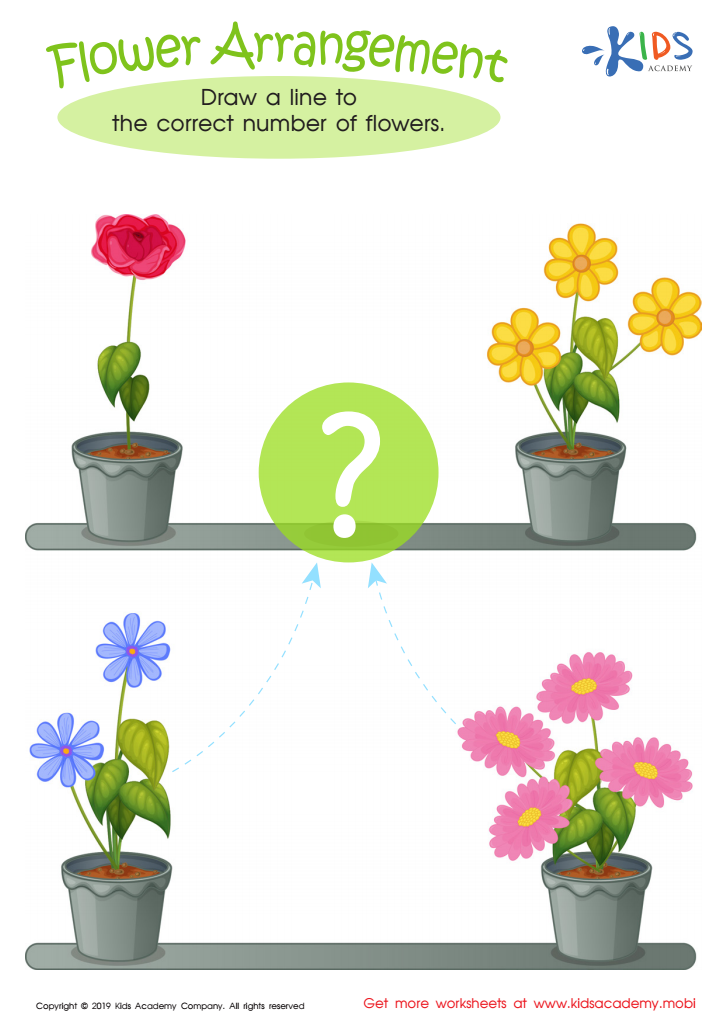
Flower Arrangement Worksheet
 Assign to My Students
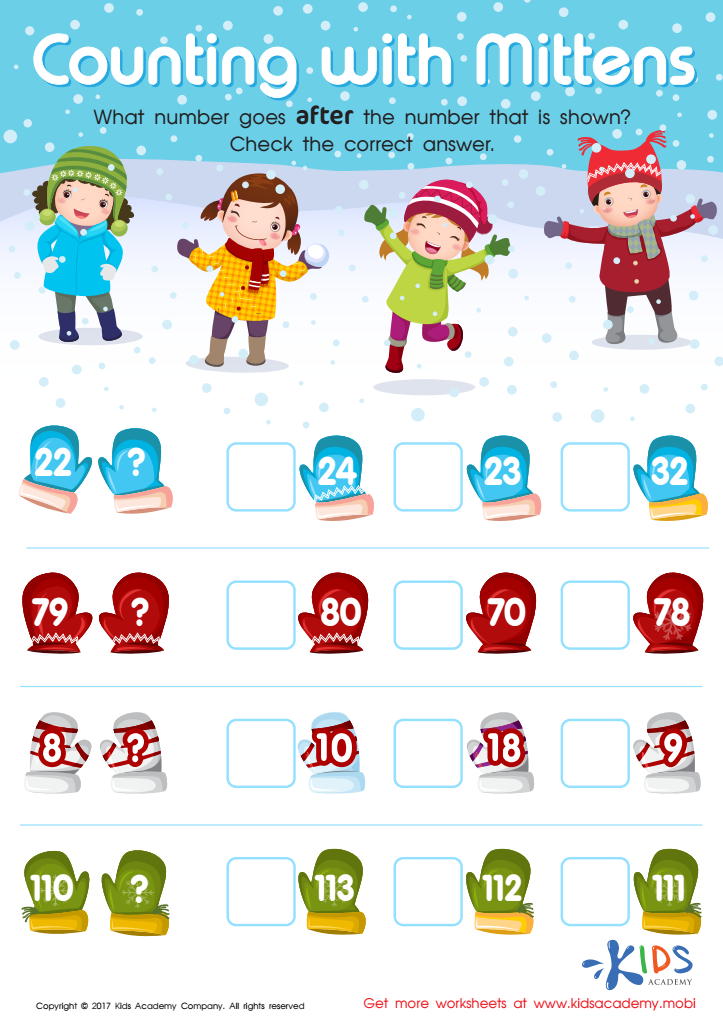
Counting with Mittens Worksheet
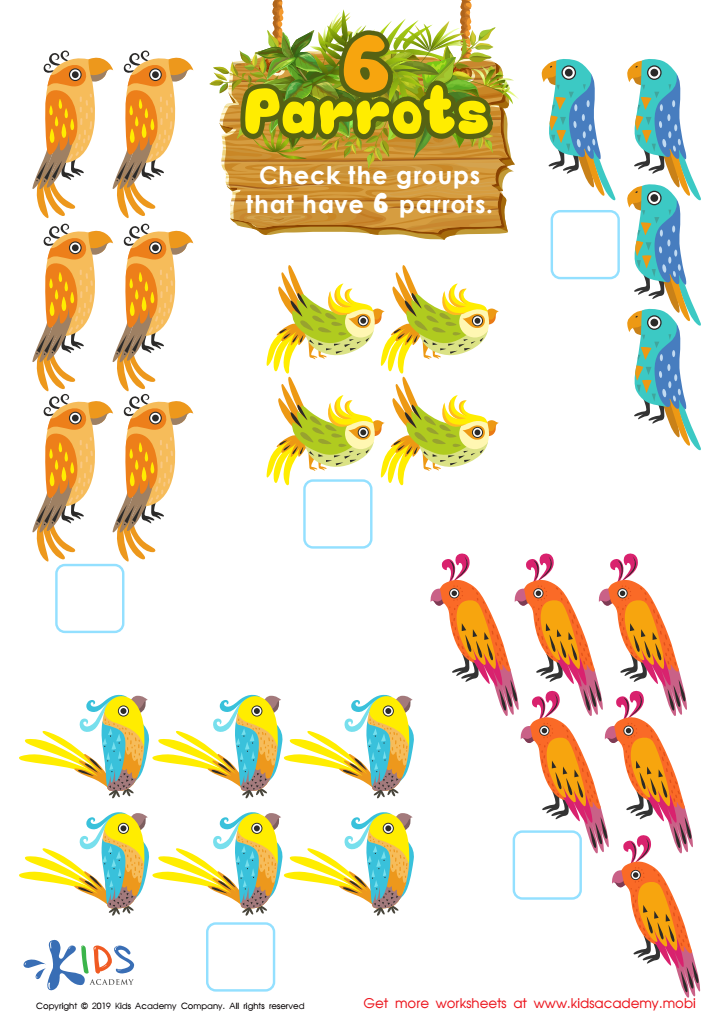
6 Parrots Worksheet
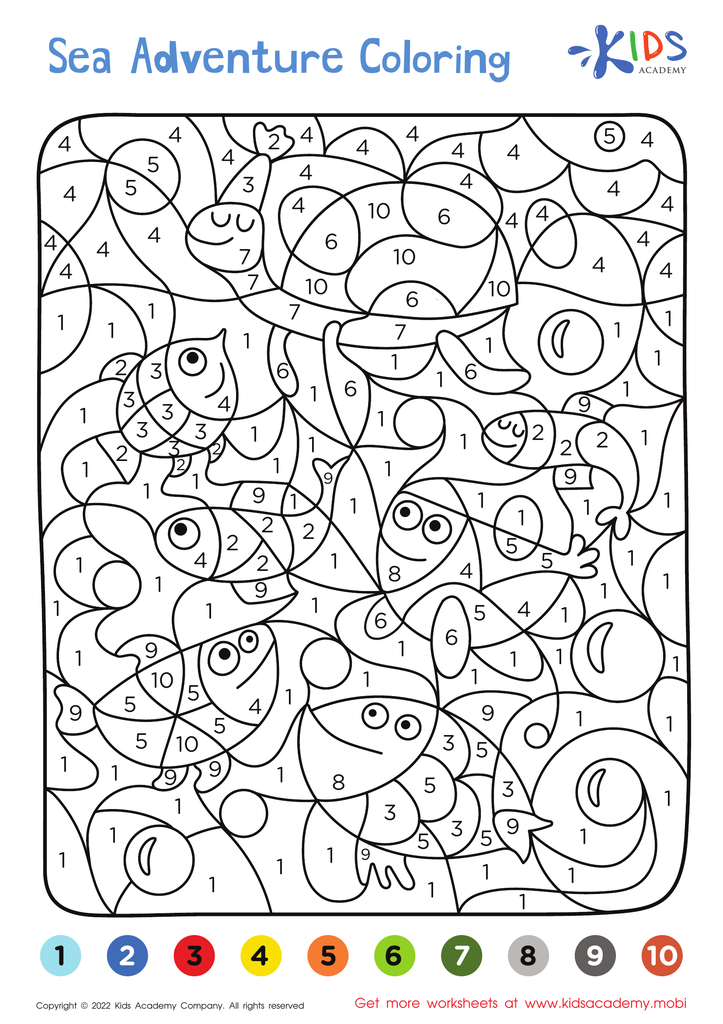
Sea Adventure – Coloring by Numbers
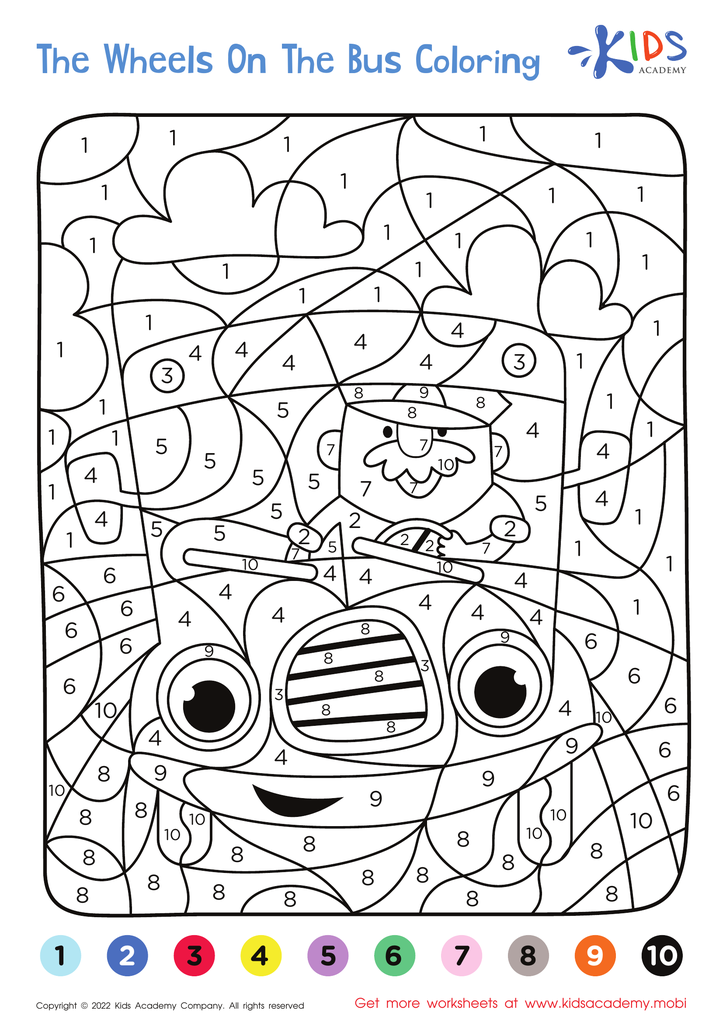
Wheels on the Bus – Coloring by Numbers
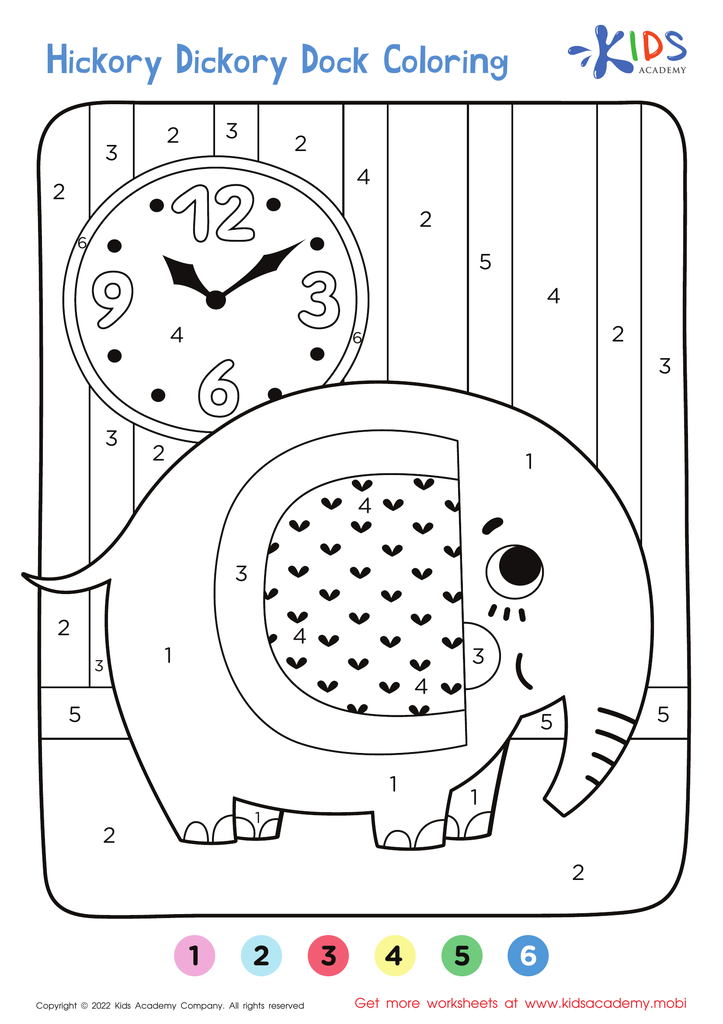
Hickory Dickory Dock – Coloring by Numbers
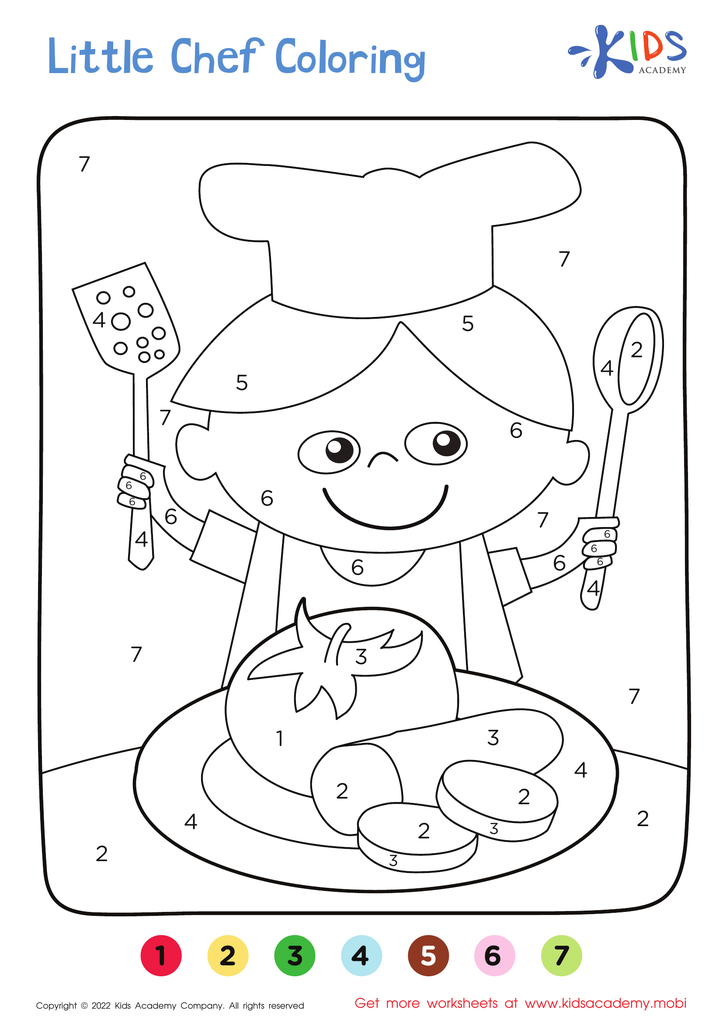
Little Chef – Coloring by Numbers
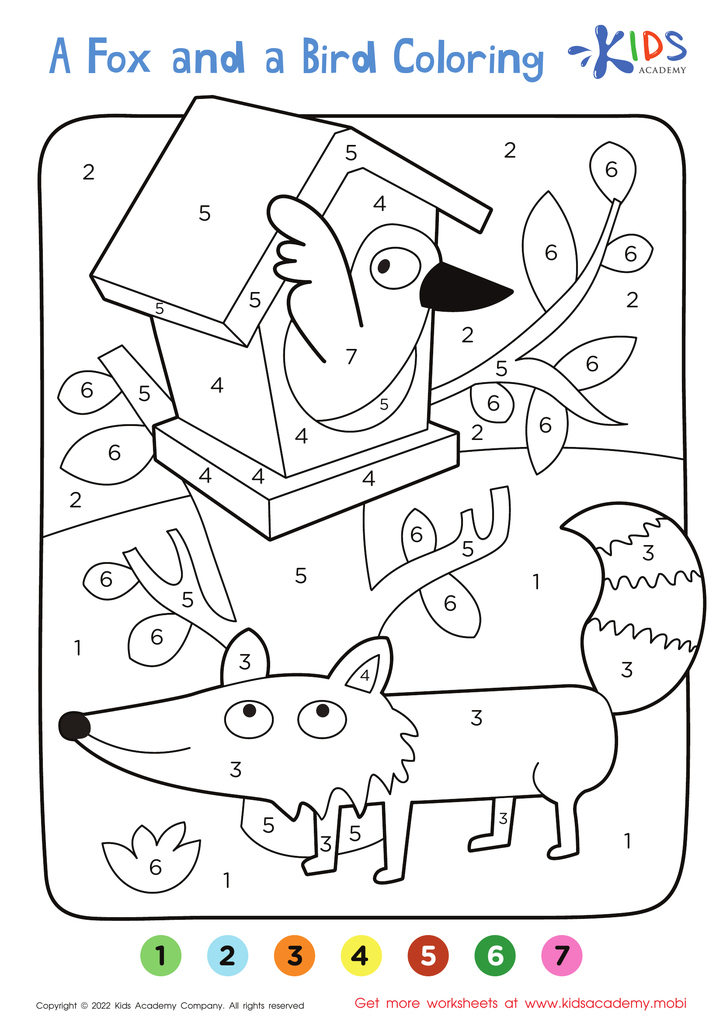
A Fox and a Bird – Coloring by Numbers








Color identification is a fundamental skill for 5-year-olds that lays the groundwork for their cognitive and emotional development. Understanding colors enhances children’s ability to categorize and relate to objects in their environment, fostering critical thinking as they learn to describe similarities and differences. Recognizing and naming colors can also aid young learners in developing language skills, as they expand their vocabulary and communication abilities.
Parents and teachers should care about color identification numbers because they provide a structured way to assess and track progress in this essential area of development. On many educational products, colors are often represented by identification numbers, which can simplify activities that involve color matching or sorting. By familiarizing children with these systems, you promote not just color recognition, but also number familiarity, blending two essential skills.
Moreover, activities centered around color identification can be engaging, encouraging creativity and expression through art and play. This helps build self-esteem as children gain proficiency and confidence. Overall, nurturing color identification skills in young learners benefits their cognitive growth and paves the way for future learning experiences, making the involvement of parents and teachers critical in this early stage of development.








