
Handwriting Skills Numbers Worksheets for 5-Year-Olds
5 filtered results
Difficulty Level
Grade
Age
-
From - To
Subject
Activity
Standards
Enhance your child's numeracy and handwriting capabilities with our Handwriting Skills Numbers Worksheets tailored for 5-year-olds. These educational resources combine fun and learning, helping young learners to trace, write, and recognize numbers effortlessly. Designed by experts, each worksheet incorporates engaging activities that foster fine motor skills, number formation, and counting proficiency. Ideal for home or classroom use, these worksheets transform number practice into an enjoyable experience. Encourage early math confidence and handwriting excellence with our thoughtfully crafted, age-appropriate number worksheets. Download today and watch your child's skills flourish!
Favorites
With answer key
Interactive
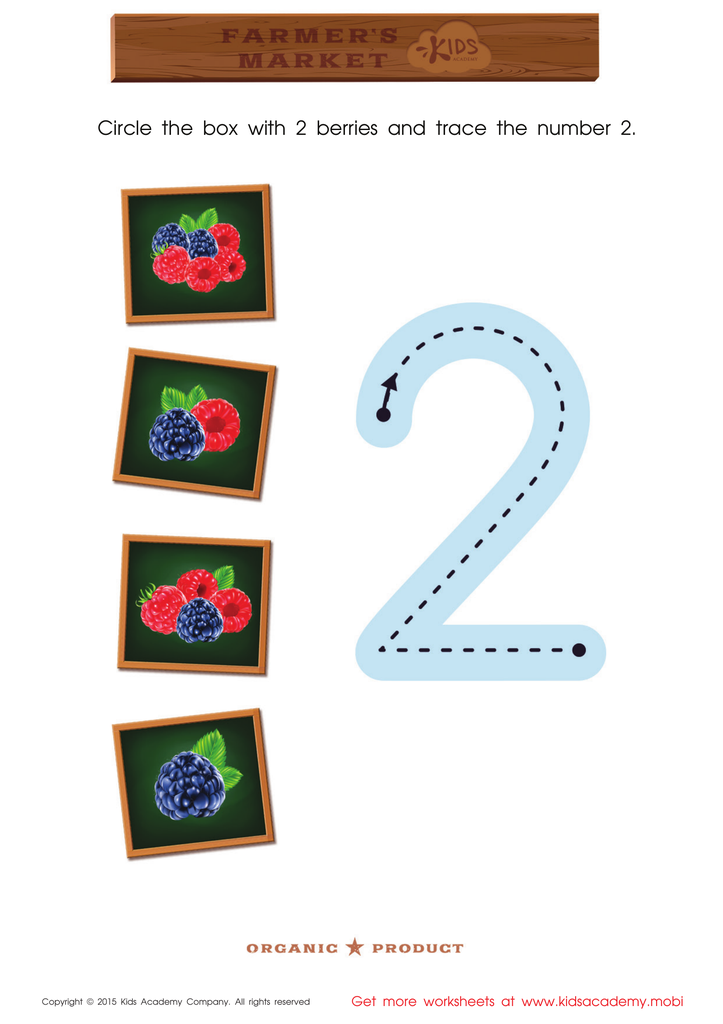
Count the Berries and Trace the Number 2 Printable
This math worksheet by Kids Academy helps kindergartners count and write number 2. Print it out and urge your kid to count the berries in the boxes, then circle the box with 2 of them. As they trace the number 2, they practice hand motions for good handwriting. More skill-building worksheets available.
Count the Berries and Trace the Number 2 Printable
Worksheet
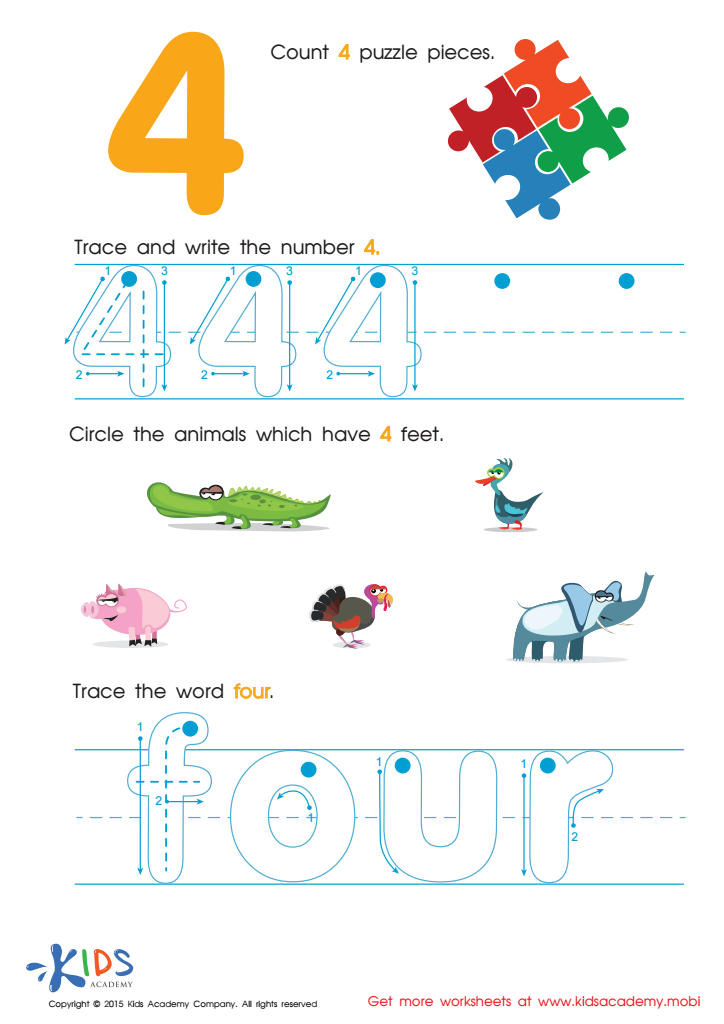
Teaching Children to Write Number 4 Worksheet
Count the pieces of the puzzle - there are four. Trace the number and write it. Circle the animals with four feet. Trace the word "four" too. Kids Academy offers tracing numbers worksheets for preschoolers, making studies easy and effective.
Teaching Children to Write Number 4 Worksheet
Worksheet
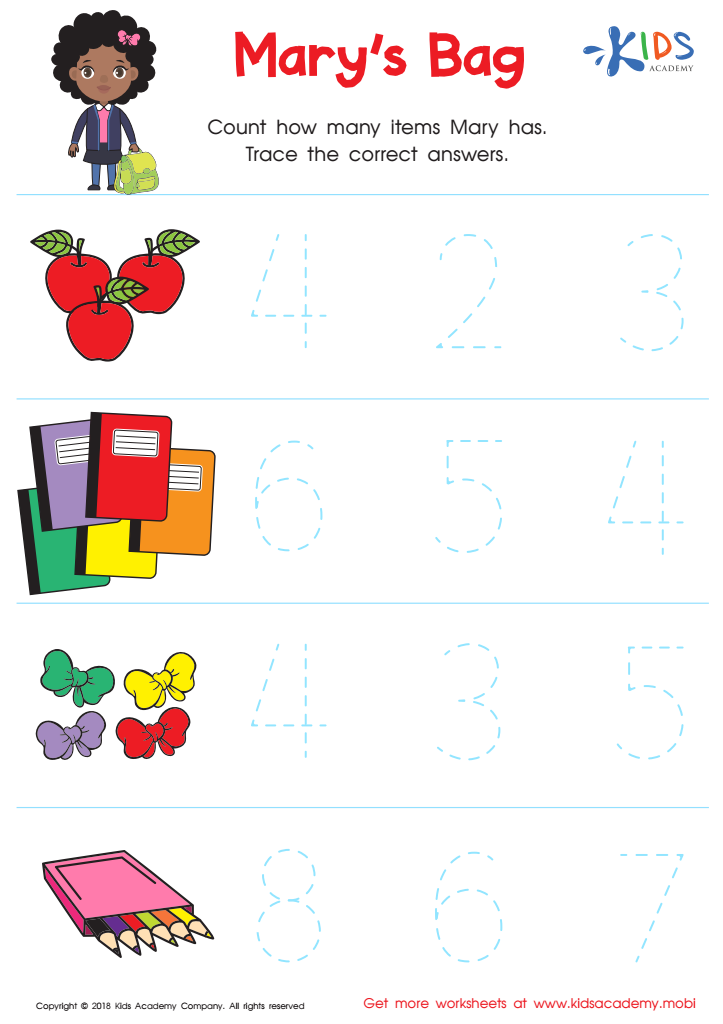
Kindergarten Number Tracing: Mary's Bag Worksheet
Counting and writing skills are honed with this kindergarten tracing worksheet. Guide Mary in counting the items in her bag then trace the correct number for each. Your child will get a great head start on essential kindergarten skills!
Kindergarten Number Tracing: Mary's Bag Worksheet
Worksheet
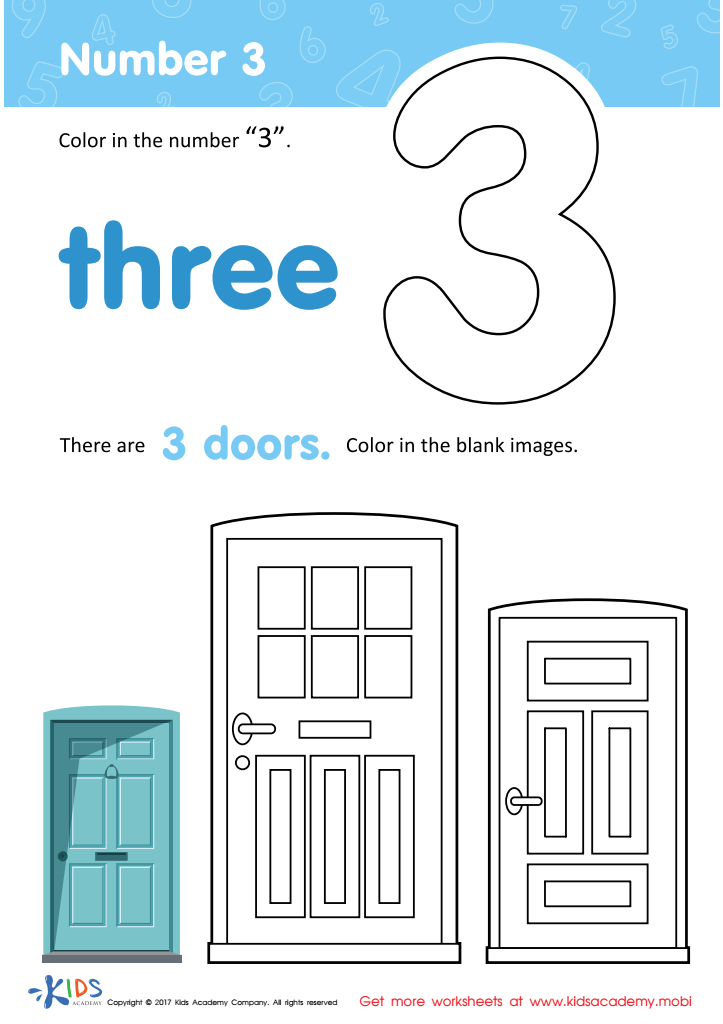
Number 3 Worksheet
Open the door to learning numbers! This counting coloring page helps kids recognize and count to 3, while using imagination and creativity to design lovely doors. It's a fun way to learn numbers!
Download (PDF)
 Assign to My Students
Assign to My Students
Number 3 Worksheet
Worksheet
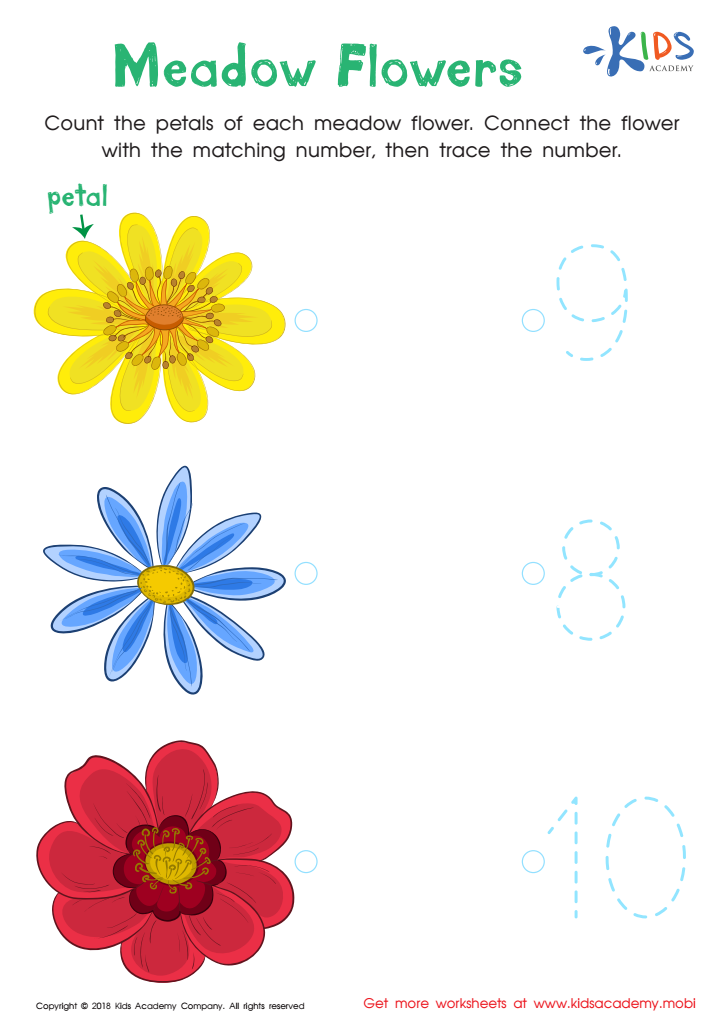
Kindergarten Number Tracing: Medow Flowers Worksheet
Take your child to the garden to count flower petals and trace numbers with this fun kindergarten PDF worksheet. They'll learn to count and write, all while enjoying the sweet scent of the flowers.
Kindergarten Number Tracing: Medow Flowers Worksheet
Worksheet
Join Kids Academy for Free
Who is primarily going to use this learning content?




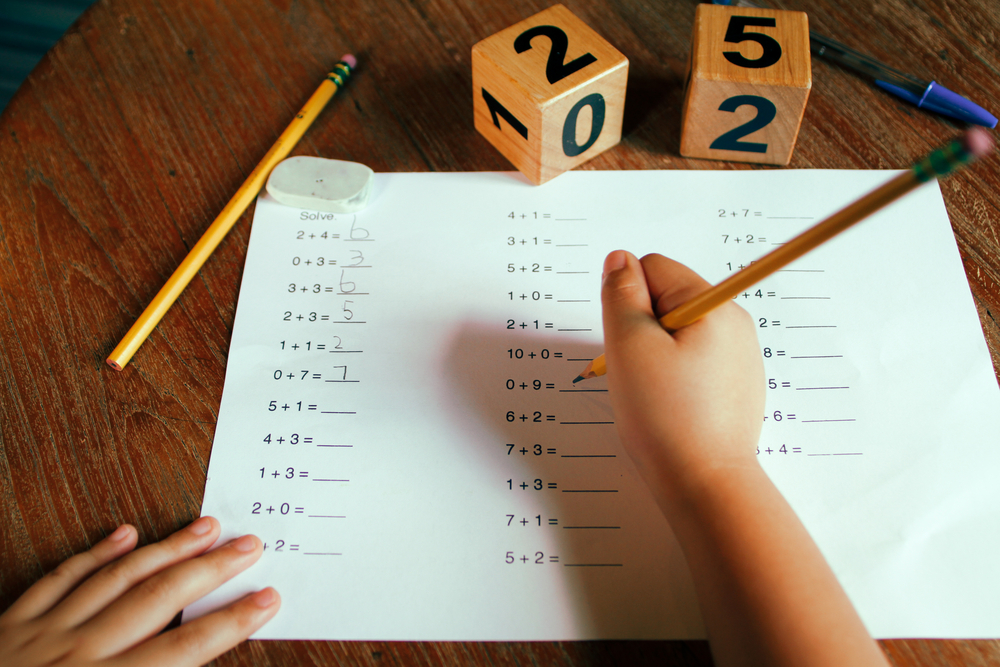



Handwriting skills are critical for 5-year-olds, serving as a foundation for future learning and development. For parents and teachers, emphasizing these skills early on is essential for several reasons.
Firstly, writing proficiency is tied to academic success. By fostering good handwriting habits, you help children express themselves clearly and efficiently. Poor handwriting can hinder learning, making it difficult for them to keep up with classwork and tests.
Secondly, the physical act of writing improves fine motor skills. When kids practice writing numbers and letters, they develop the dexterity needed for other tasks, like using scissors, tying shoes, or even playing musical instruments.
Additionally, handwriting exercises crucial cognitive skills. Following the sequential flow of writing and working within lined spaces boost memory, attention, and spatial orientation. These mental processes are pivotal for reading and math, subjects that form the academic cornerstone of primary education.
Lastly, handwriting carries personal and emotional benefits. Successfully mastering handwriting boosts a child’s confidence and provides a sense of accomplishment, fostering a positive attitude toward learning.
In conclusion, by supporting handwriting proficiency in early childhood, parents and teachers play a significant role in ensuring comprehensive educational development, setting the stage for lifelong learning success.








