Understanding patterns Numbers Worksheets for 5-Year-Olds
3 filtered results
-
From - To
Explore our "Understanding Patterns - Numbers Worksheets for 5-Year-Olds" to help young learners build foundational math skills. These engaging worksheets introduce children to the concept of patterns through colorful illustrations and fun activities. Kids will recognize and create number sequences, enhancing their critical thinking and problem-solving abilities. Designed to make learning enjoyable, our comprehensive resources support early math education while fostering curiosity and creativity. Perfect for homeschoolers or classroom environments, these worksheets encourage independent learning, allowing 5-year-olds to discover the joy of numbers and patterns at their own pace. Get started today and watch your child’s confidence grow!
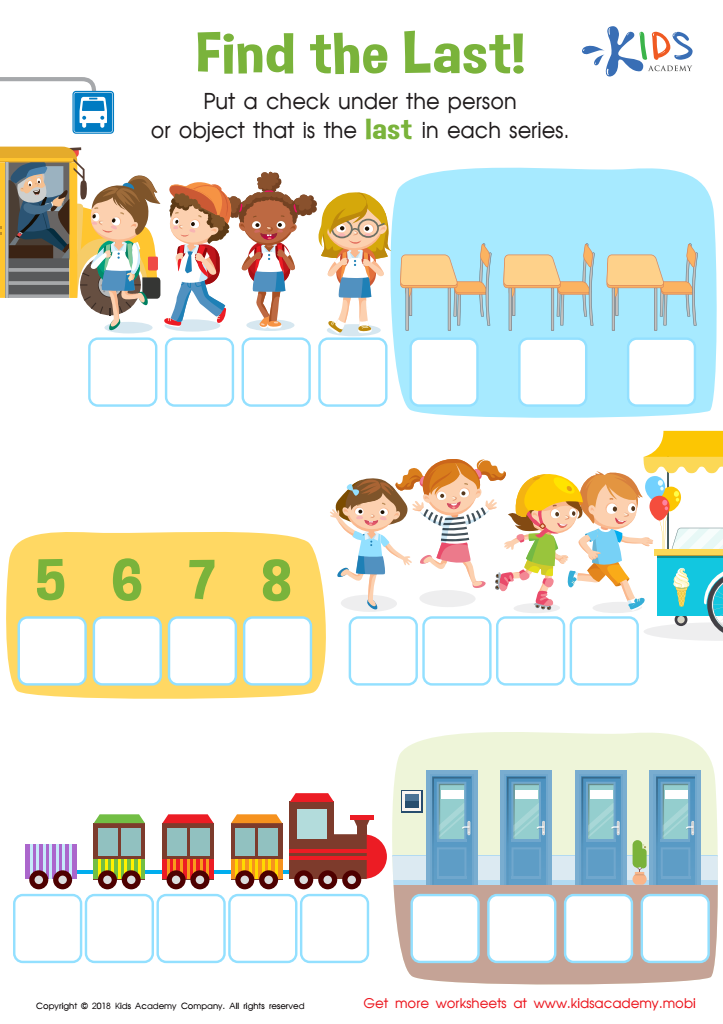
Find the Last! Worksheet
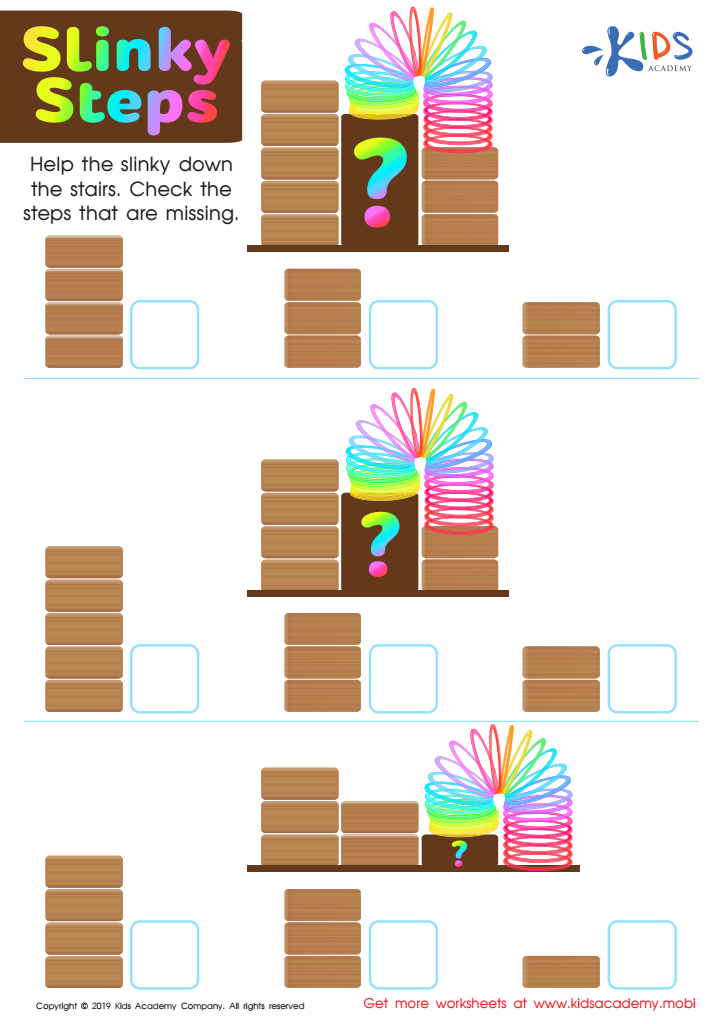
Slinky Steps Worksheet
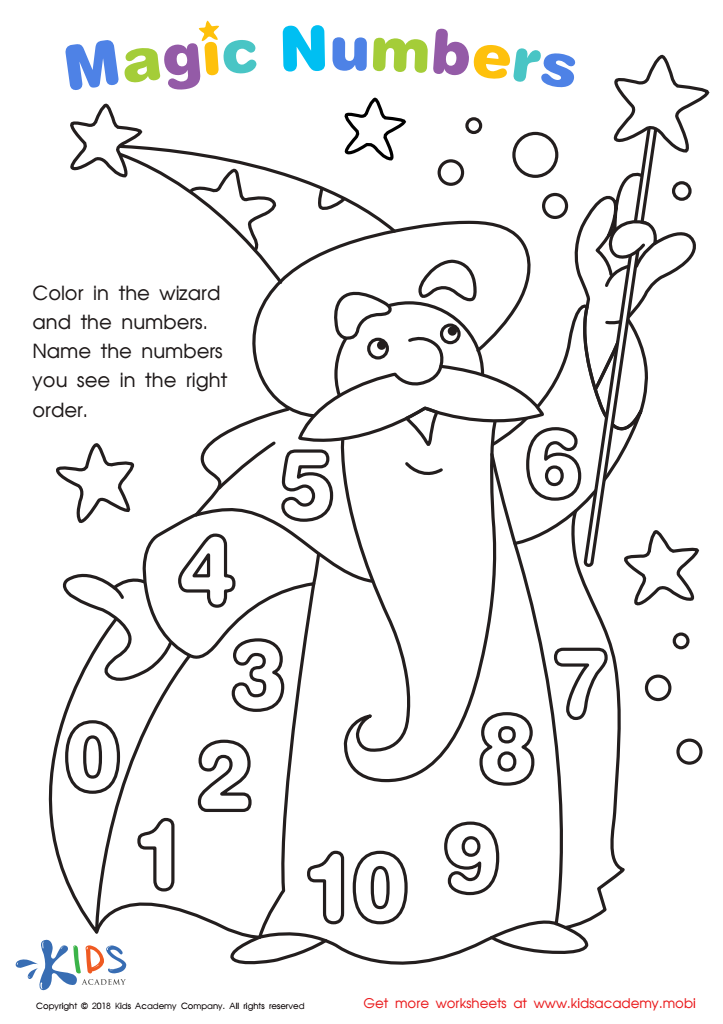
Magic Numbers Worksheet
 Assign to My Students








Understanding patterns in numbers is foundational for young learners, especially for 5-year-olds beginning their educational journey. First, recognizing patterns develops critical thinking skills; children learn to identify sequences, predict outcomes, and solve problems, which are essential skills used across all areas of learning. For parents and teachers, fostering this understanding lays the groundwork for more complex math concepts as children's education progresses.
Additionally, engaging with patterns nurtures a child's ability to make connections and develop reasoning skills. By learning through play, such as sorting objects or using blocks, children enhance their fine motor skills while grasping fundamental mathematical concepts. This experiential learning also encourages a lifelong love for math and problem-solving.
Moreover, understanding patterns helps bolster a child’s confidence, as they begin to see relationships in numbers and shapes. Recognizing patterns can translate to improved academic performance later in life, making it an invaluable investment in a child’s future.
Finally, by promoting an early focus on patterns, educators and parents can create a rich mathematical vocabulary, enabling children to articulate their thinking and strategies effectively, which is critical for their educational success. Therefore, prioritizing pattern recognition in early education is essential for holistic development.








