Basic Counting Math Worksheets for 5-Year-Olds
5 filtered results
-
From - To
Introduce your child to the world of numbers with our "Basic Counting Math Worksheets for 5-Year-Olds." Specifically designed to enhance early math skills, these engaging worksheets feature colorful illustrations and clear instructions to make counting fun and intuitive. Each exercise builds foundational skills necessary for a solid understanding of numbers, through activities like counting objects, number tracing, and simple addition. Suitable for classroom use or at-home practice, these worksheets will help your kindergartener confidently develop their counting abilities, preparing them for future math success. Explore our collection and watch your child’s numerical proficiency soar!
 Assign to My Students
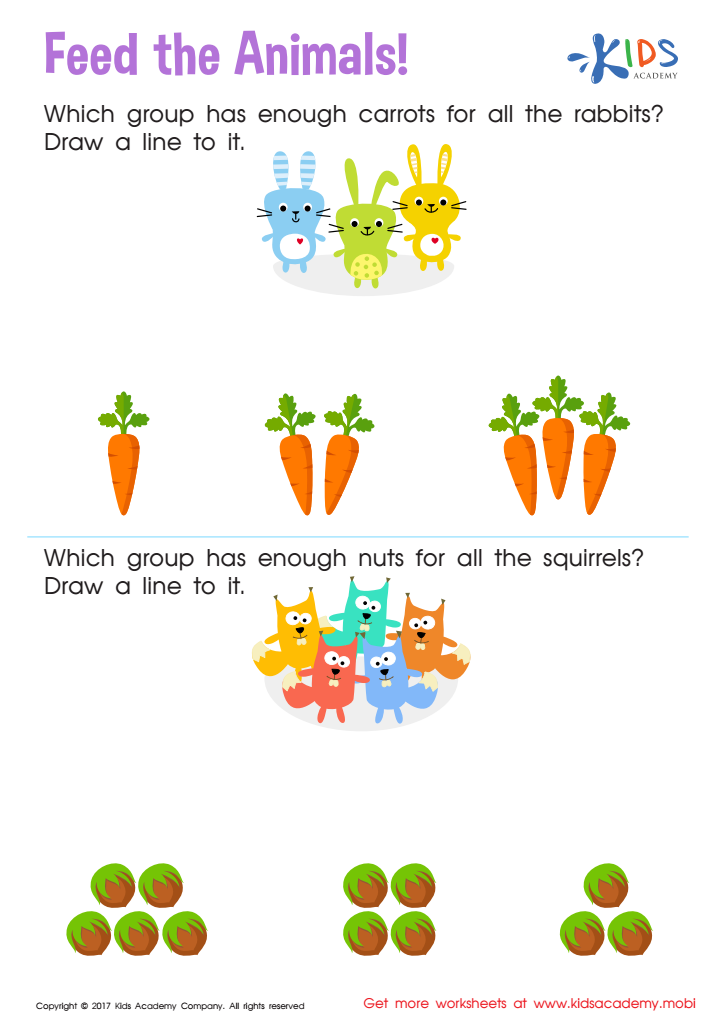
Count and Match: Feed the Animals Worksheet
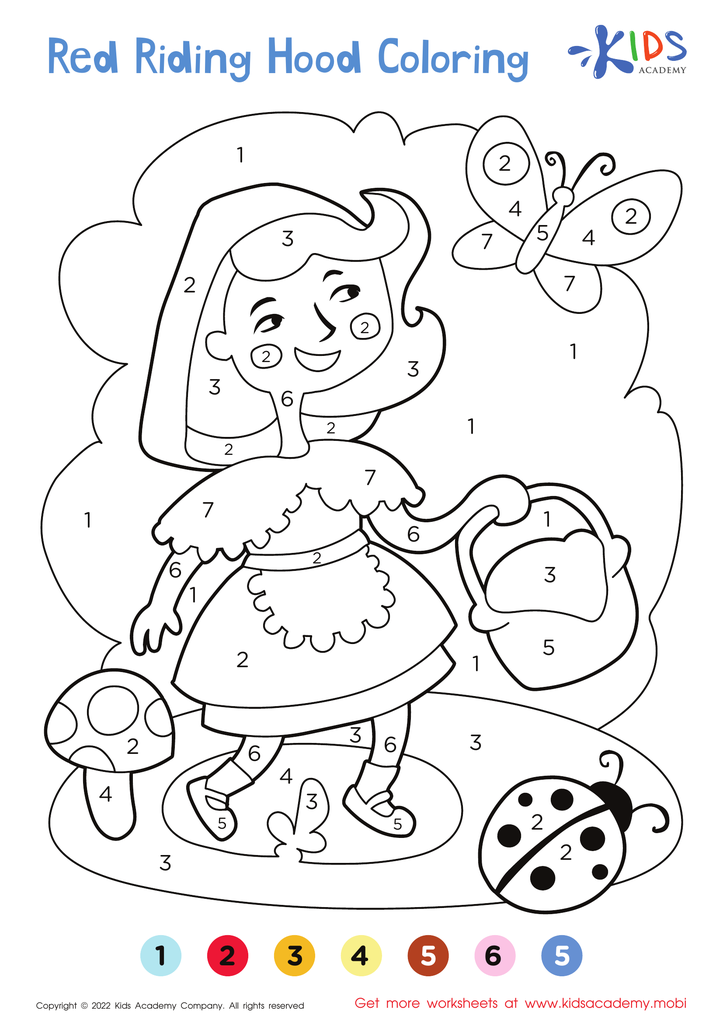
Little Red Riding Hood – Coloring by Numbers






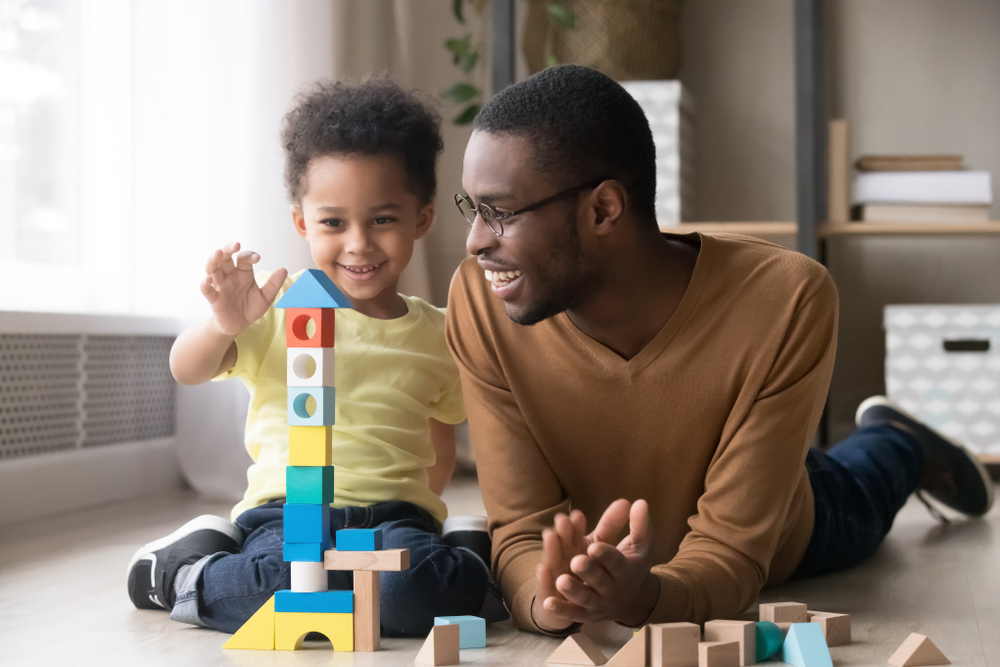

Basic counting is an essential skill for 5-year-olds as it serves as the foundation for developing their numeracy and mathematical abilities. Parents and teachers should prioritize this because it helps children understand numbers, sequences, and the relationship between quantities. At this age, children are naturally curious and adept at learning through play and interactive activities, making it an ideal time to introduce them to basic math concepts.
Counting teaches children one-to-one correspondence, meaning that they learn to associate one and only one number with each object being counted. This fundamental skill is crucial for more advanced math principles they'll encounter later, such as addition, subtraction, and number recognition. By mastering basic counting, children gain confidence and a sense of achievement, which encourages a positive attitude toward learning.
Moreover, proficiency in counting can improve cognitive skills like memory, pattern recognition, and logic. It also extends beyond math, aiding in the development of linguistic abilities and fine motor skills through counting songs and finger games.
For adults, supporting children's counting skills can involve everyday activities like counting toys, steps, or household items, blending learning seamlessly with fun. These early experiences set the stage for academic success and a life-long appreciation for math.








